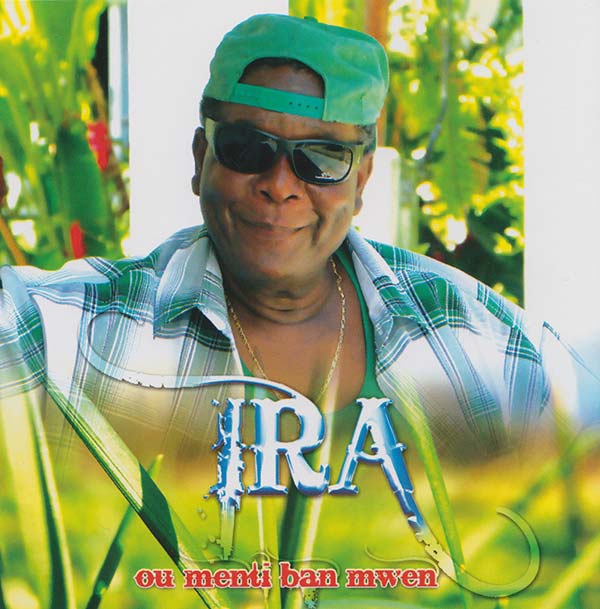
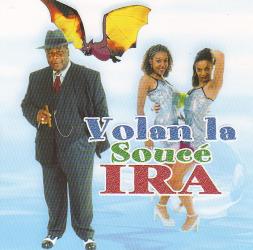
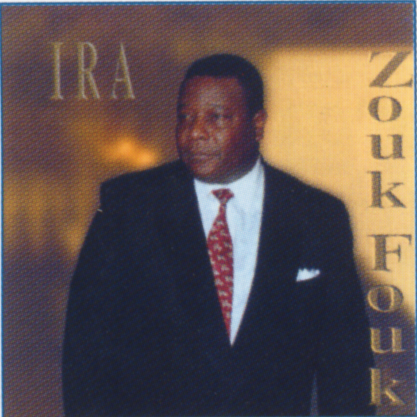
Biography
Ira: the irreverent slamer of Antillean zouk
On Tuesday, February 28, 2012, Guadeloupean music lost one of its most singular figures.
Ira Enjaric, known simply by his first name Ira, passed away at the age of 70.
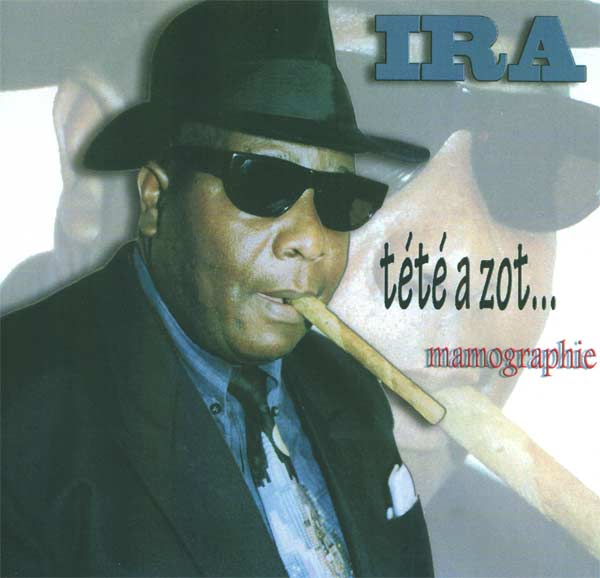
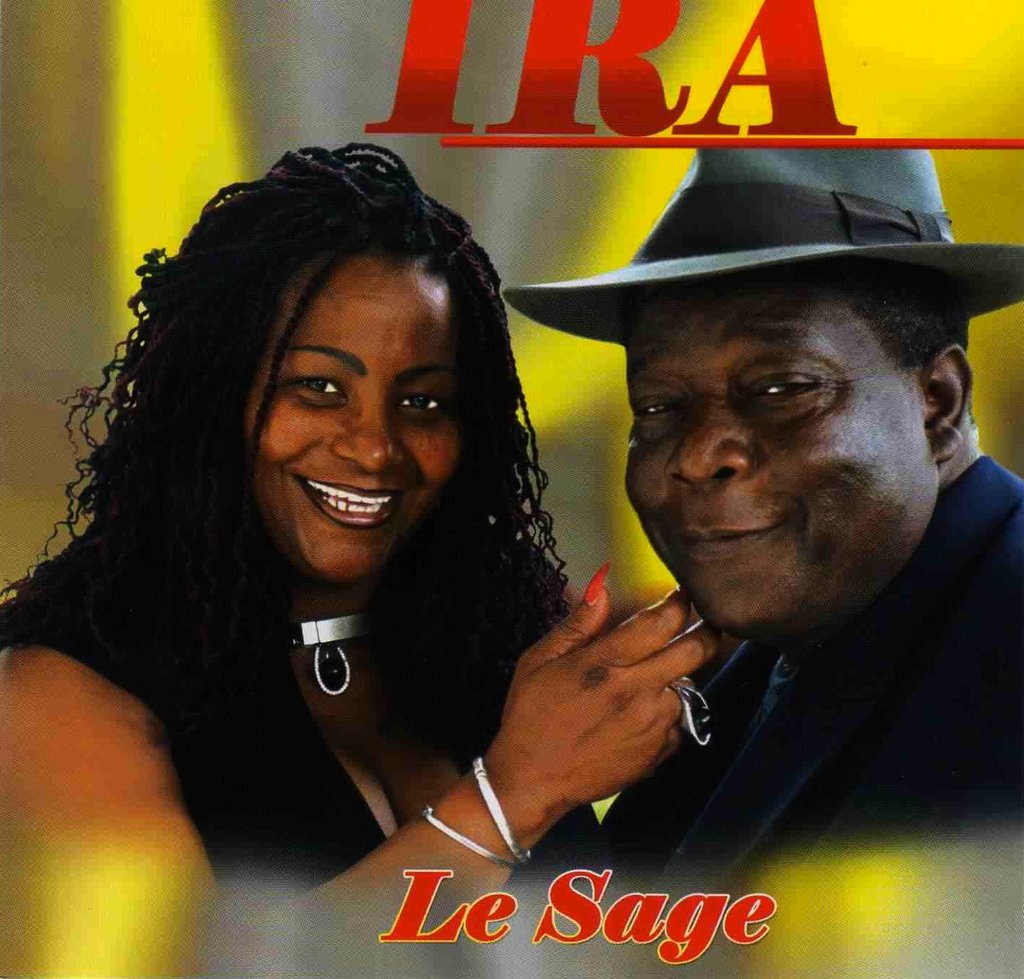
Behind this stage name hides an artist who chose provocation as his signature, humor as his weapon, and mockery as a mirror held up to Antillean society. A slamer-zoukeur ahead of his time.
In brief
| Full name | Claude Enjaric |
| Stage name | Ira (or IRA) |
| Birth | November 24, 1943, Petit-Bourg, Guadeloupe |
| Death | February 29, 2012, Guadeloupe |
| Genre | Zouk, zouk-fouk, singing in Guadeloupean Creole |
| Notable works | “Pli ba”, “Ça ne se dit pas”, “Zouk-Fouk” |
| Honors | Figure of Antillean musical heritage |
Key dates
| Year | Event |
|---|---|
| 1943 | Birth of Claude Enjaric in Petit-Bourg, Guadeloupe |
| ~1978 | Debut on the Guadeloupean music scene |
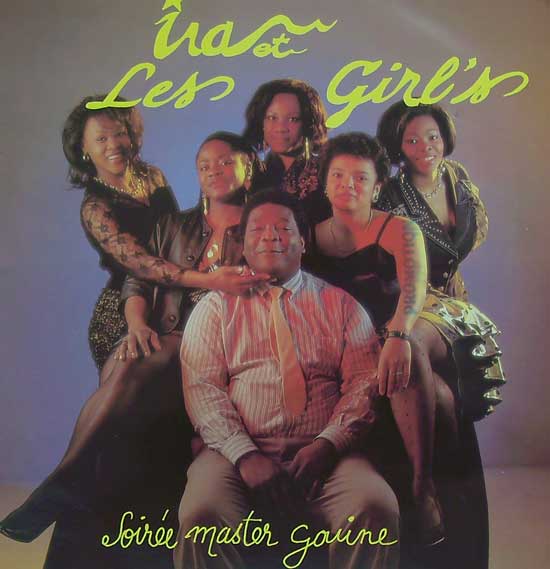
| 1991 | “Pli-Bas, Pi-Pas” with Les Girls |
| 1993 | “Eroshima / Ça ‘N Se Dit Pas”, solo album |
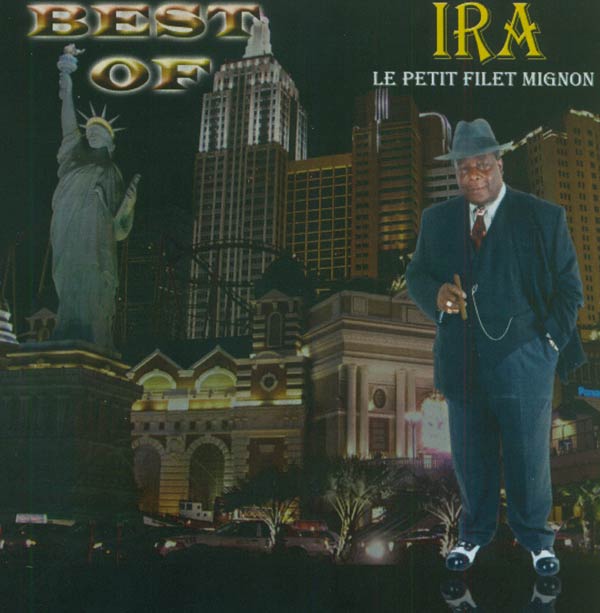
| 1998 | “Iragga Jump Up”, “Les Bons Souvenirs (Best Of)” |
| 2002 | “Volan La Soucé” |
| 2012 | Death, on February 29 |
The origins of an Antillean storyteller
Claude Enjaric grew up in Petit-Bourg, a coastal commune on the Grande-Terre of Guadeloupe, at the heart of a society where Creole, music, and celebration form the daily fabric. Inspiration came from popular dances, evening gatherings, and bèlè — the tradition of drums and call-and-response singing dating back to the earliest times of slavery. He also listened to zouk as it modernized in the 1970s, driven by the genre’s emergence in Fort-de-France and Pointe-à-Pitre.
Like many musicians of his generation, Ira did not follow an academic path. He learned music on the job, through neighborhood nights, Carnival festivals, and local radio stations broadcasting Antillean Creole scenes. His style was a direct connection to the audience — those who danced, laughed, or gritted their teeth at his words.
The revelation: a slamer ahead of his time
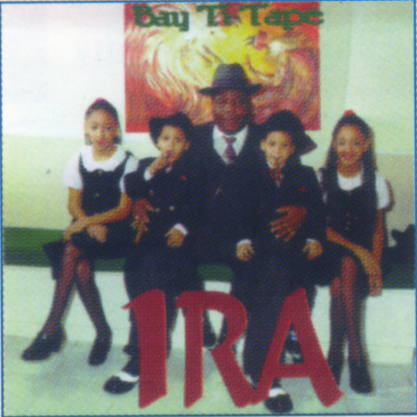
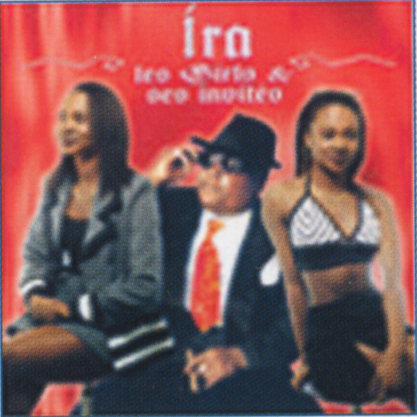
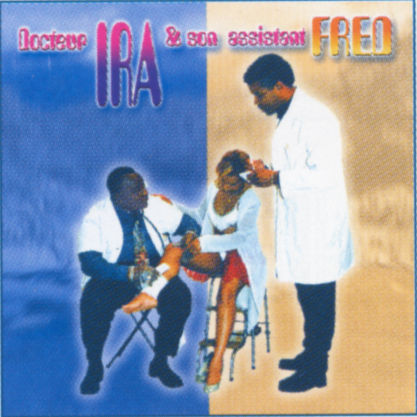
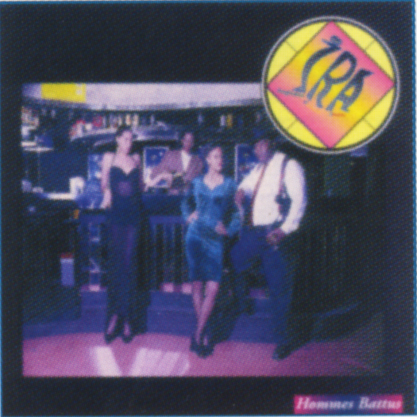
Ira Enjaric became known during the 1980s and 1990s with songs featuring bold lyrics, sometimes misogynistic, but always imbued with assumed humor. “Like a slamer,” notes the site Mémoires de Guadeloupe, “Ira Enjaric does not really sing but strings together risqué or double-entendre anecdotes.” Ira did not really sing: he told stories. He delivered, with an almost theatrical nonchalance, “malélivé” anecdotes — as they say in the Antilles — funny, spicy stories that resemble street-corner tales.
His style was instantly recognizable among thousands. His punchlines became his trademark. Among the most famous, we still recall this line from “Pli ba”: “I would like to be reincarnated as a pot, because it is held by the handle and because one rubs its bottom. I love that, it’s very pleasant.” One loves or does not love, but it was Ira, without filter, without detour.
All of this rested on solid zouk compositions: catchy, effective, making people dance as much as they made them smile. Ira belonged to that generation of artists who disrupted codes, disturbed, amused, and marked the collective Guadeloupean memory.
Major works
| Work | Year | Why it is essential |
|---|---|---|
| “Pli-Bas, Pi-Pas” (with Les Girls) | 1991 | The track that established his style: humorous slam over a dancing zouk background |
| “Eroshima / Ça ‘N Se Dit Pas” | 1993 | First solo album, his manifesto — social satire in Creole |
| “Iragga Jump Up” | 1998 | Fusion of zouk and reggae, an opening toward the Caribbean |
| “Zouk-Fouk” | — | Cult dance title that defines his festive universe |
Legacy and influence
Ira Enjaric belongs to that generation of artists who disrupted Antillean music codes. His work, however atypical it may be, is part of Guadeloupean musical heritage — a heritage that does not limit itself to Kassav’s zouk love but also includes bèlè, biguine, solid zouk, and its most provocative variations. Fourteen years after his departure, his audacity continues to make people smile. His style, this blend of singing and storytelling, anticipated by years the development of Creole slaming that is now flourishing on Caribbean stages.
Sources and references
- “Ira ENJARIC”, Mémoires de Guadeloupe, http://www.memoires-de-guadeloupe.com/patrimoine/fiche/58, accessed November 10, 2026.
- “The singer Ira Enjaric is no longer with us”, France-Antilles Guadeloupe, https://www.guadeloupe.franceantilles.fr/divers/le-chanteur-ira-enjaric-nest-plus-341996.php, accessed November 10, 2026.
- “IRA ENJARIC 24/11/1943-29/02/2012”, J’aime la Guadeloupe (Facebook), https://www.facebook.com/100063653316899/posts/ira-enjaric-24111943-29022012quatorze-ans-d%C3%A9j%C3%A0-quira-enjaric-a-tir%C3%A9-sa-r%C3%A9v%C3%A9rence/1569779558487140/, accessed November 10, 2026.
- “Enjaric Ira”, Discogs, https://www.discogs.com/artist/1995353-Enjaric-Ira, accessed November 10, 2026.
- “Ira - Ça N’se Dit Pas (1993)”, YouTube, https://www.youtube.com/watch?v=zy-AVnGli5U, accessed November 10, 2026.
- “Ira - An pa pè”, YouTube, https://www.youtube.com/watch?v=34WdnotSlBc, accessed November 10, 2026.
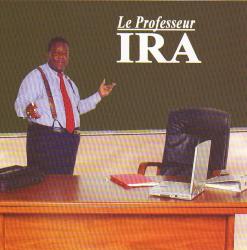
- “Ira Nigo Ira Mamie” (album “Le professeur”), Spotify, https://open.spotify.com/album/5dHFStm0iu1jVBaQaYEJJF, accessed November 10, 2026.