Biography
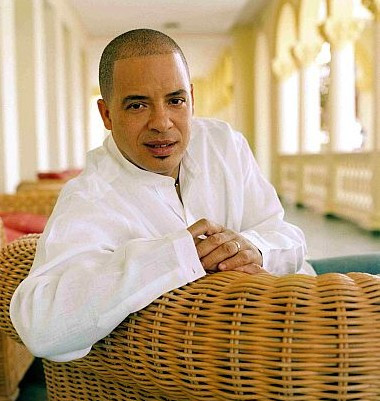
Issac Delgado
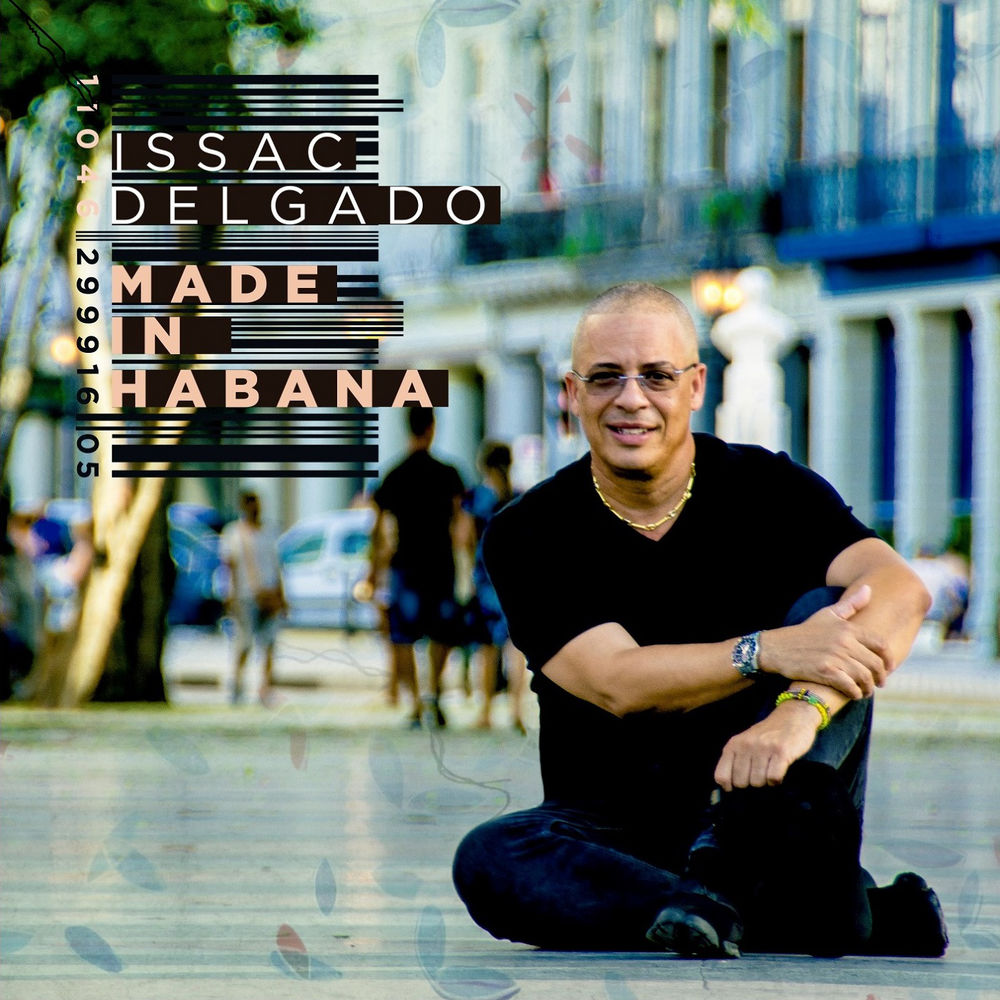
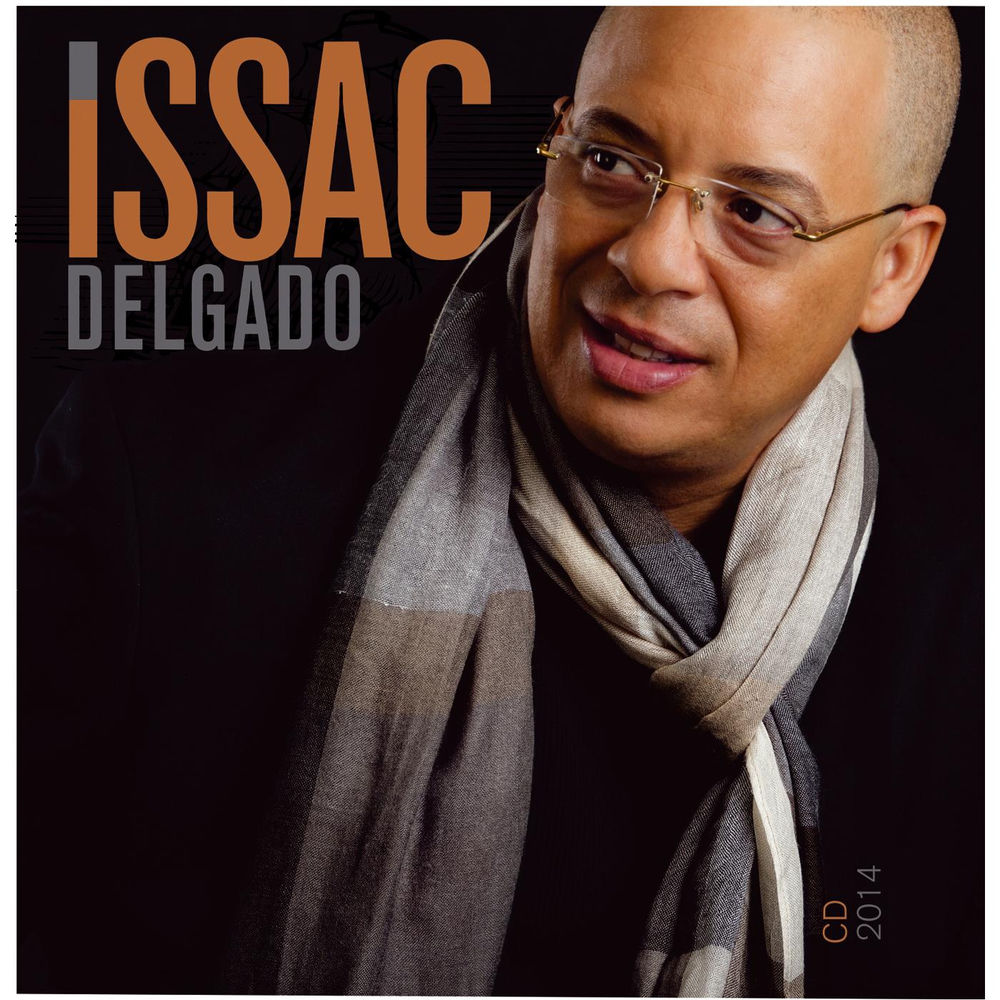
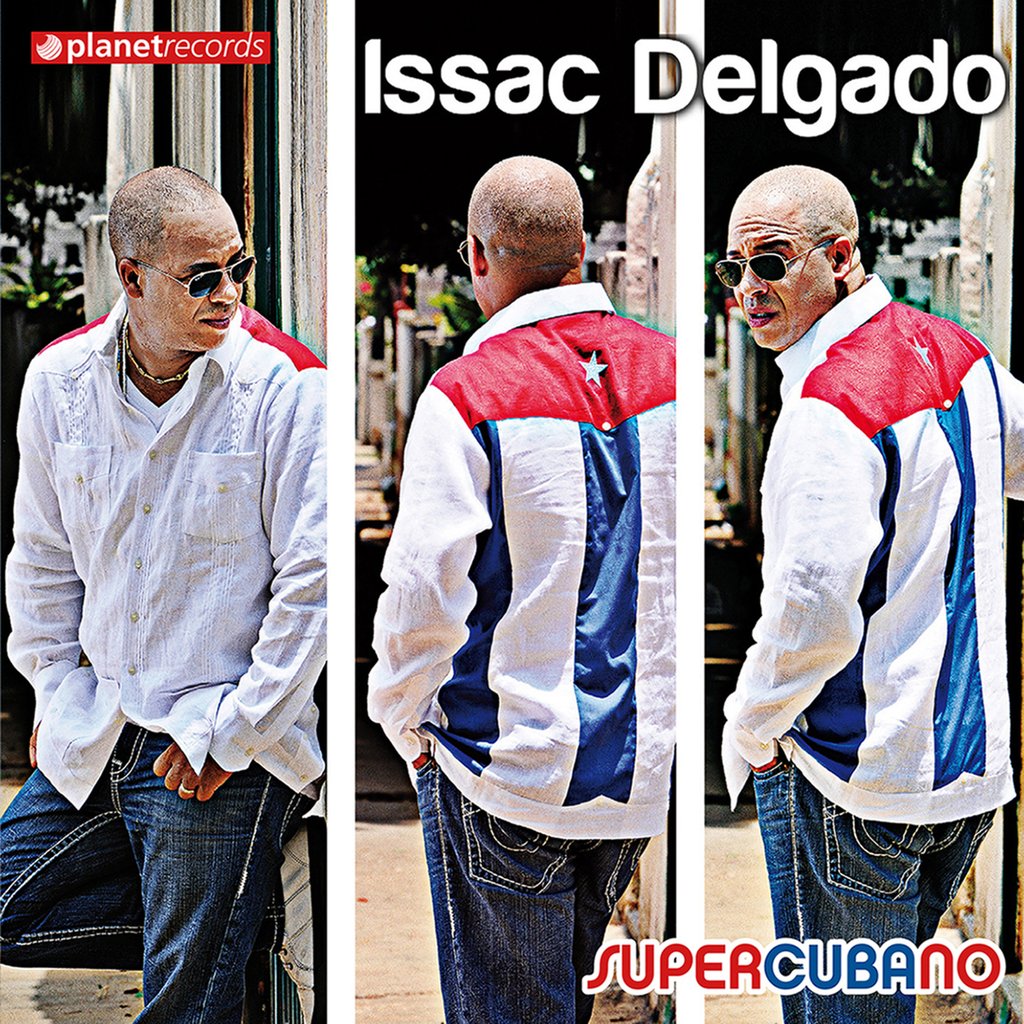
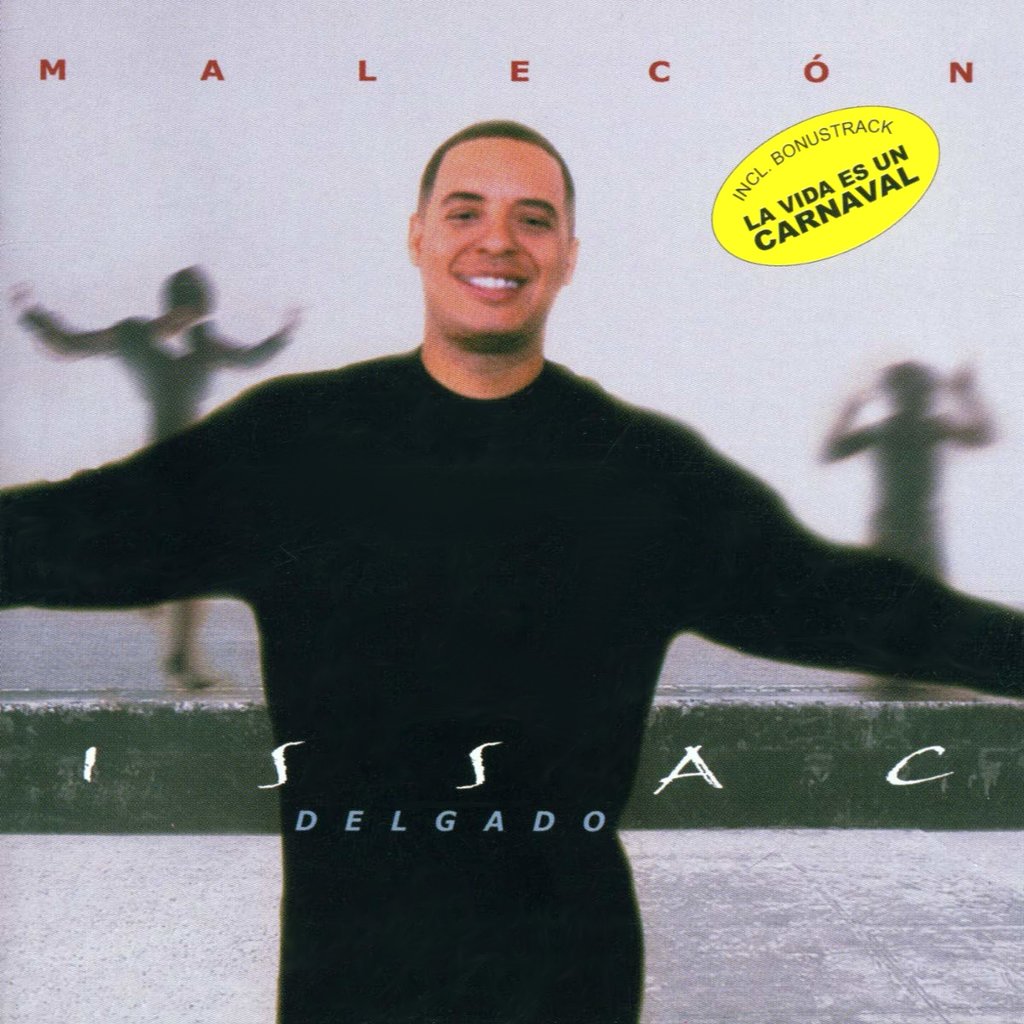
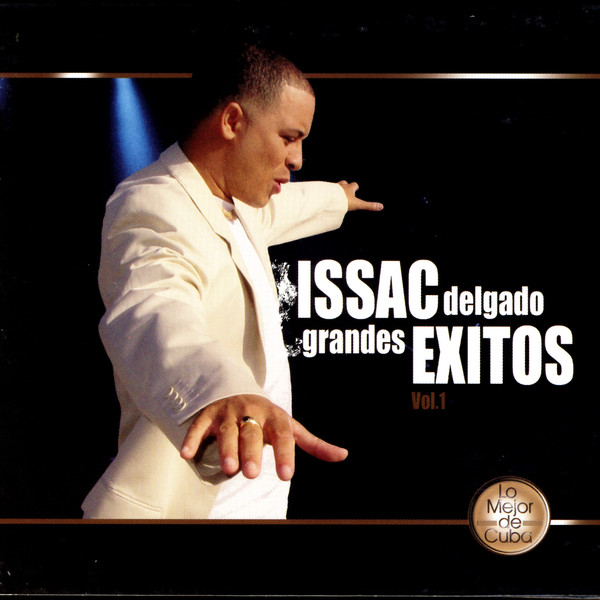
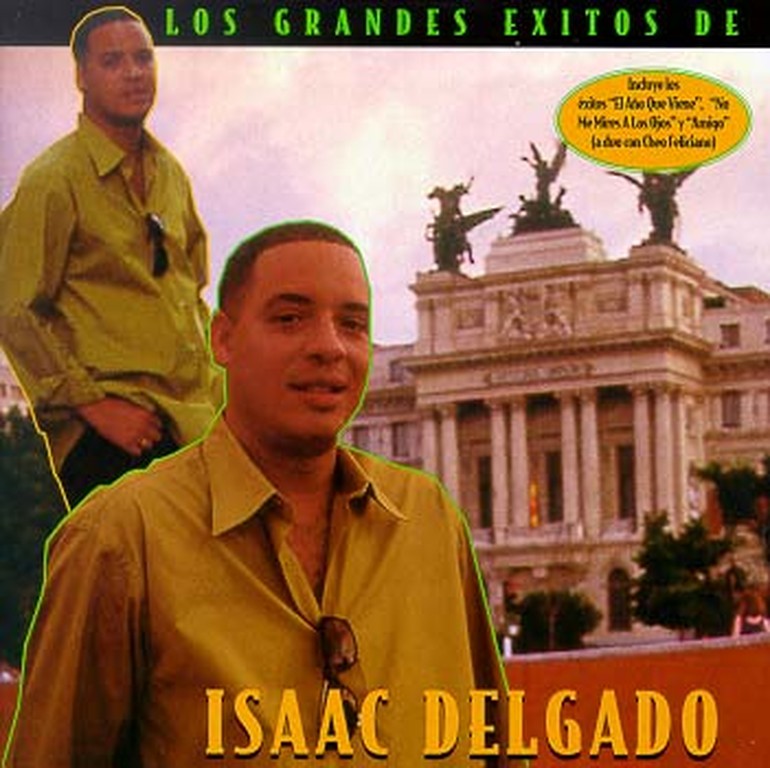
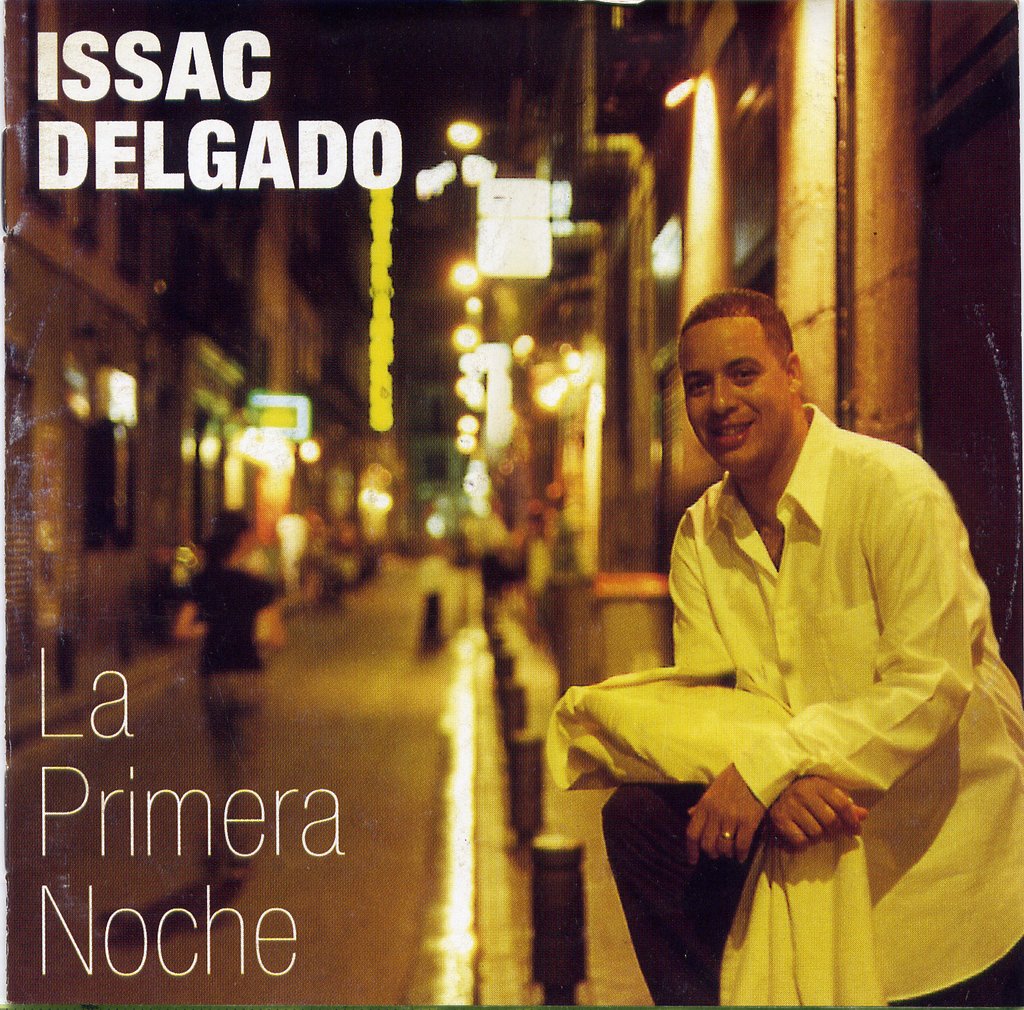
Born in 1962 in the Marianao neighborhood, on the outskirts of Havana, Issac Delgado spent his childhood between his father’s tailor shop concerts and the world of scripts that fascinated his mother, an actress-dancer from the Teatro Musical de La Habana. Cello at the conservatory, then secular sport and finally music: he navigated years of intense sports culture before his vocal talent propelled him to the status of an icon on the Cuban-salsa stage, and he remains today one of the most recognizable figures in Cuban popular music.
In brief
| Full name | Isaac Felipe Delgado-Ramírez (Issac Delgado) |
| Birth | April 11, 1962, Marianao (Havana), Cuba |
| Field | Salsa and timba vocals, singer-songwriter |
| Instruments / role | Vocals, conductor, composer |
| Signature works | Dando la Hora (1992), En Primera Plana (2007) |
| Awards | Premio EGREM (1990–1991, 1992, 1993, 1994); Grammy nomination (2000) and Latin Grammys (2007) |
Key dates
| Year | Event |
|---|---|
| 1983 | Professional debut with Orquesta de Pacho Alonso; international tours |
| 1987 | Vocalist for Galaxia, then travel with the Afro-Cuban cabaret tropicana |
| 1988–1991 | Vocalist for NG La Banda, pioneer of timba; triple album and Premio EGREM 1990–1991 |
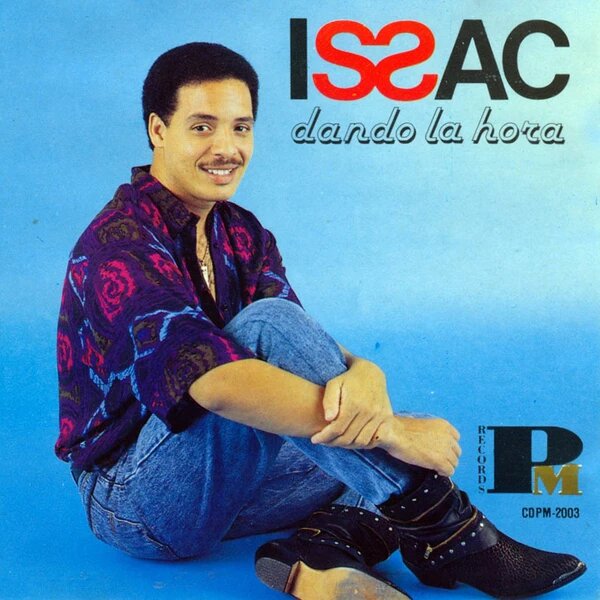
| 1992 | Solo album Dando la Hora, Premio EGREM (best recorded album outside Cuba) |
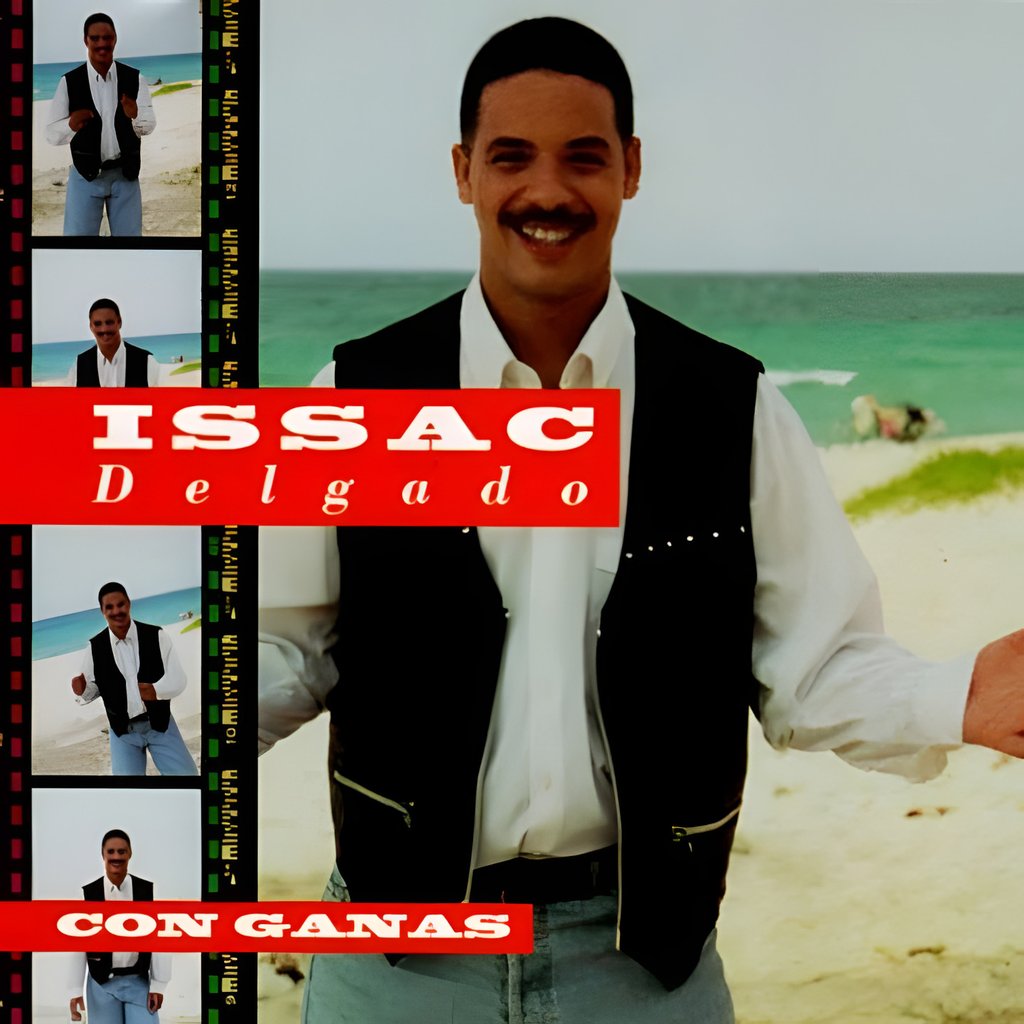
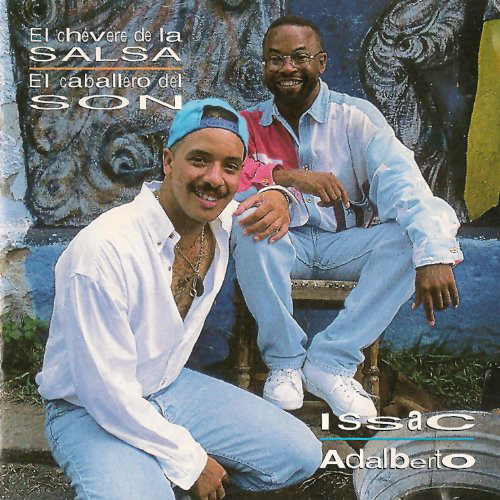
| 1993–1994 | Con Ganas (two EGREM) and El Chevere de la Salsa y el Caballero del Son (EGREM) |
| 1995–1998 | RMM Records; tours in Europe and New York, including Madison Square Garden with Celia Cruz |
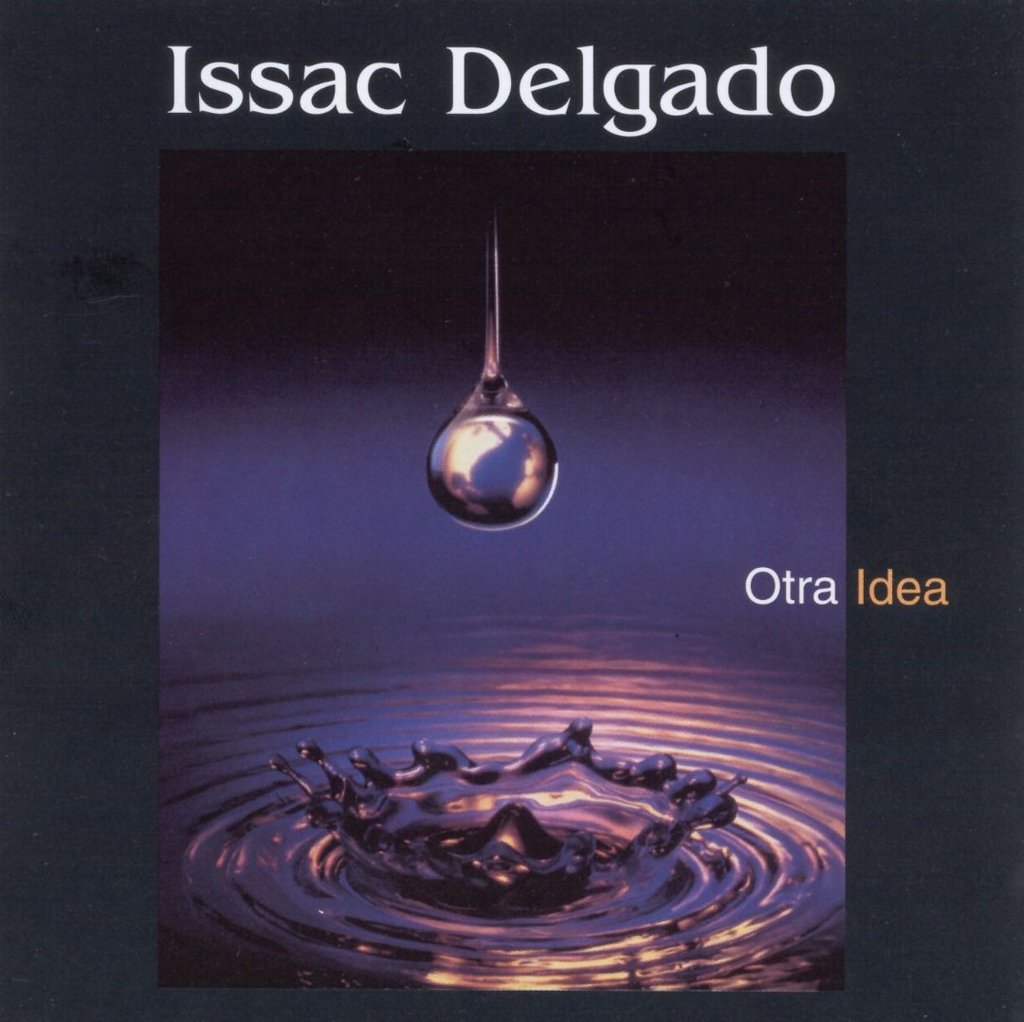
| 2000–2002 | La Fórmula (Grammy nomination) and Versos en el Cielo |
| 2006–2007 | Departure from Cuba to the United States (Tampa, Florida); En Primera Plana (2007), Latin Grammys |
| 2019–2025 | Lluvia y Fuego (2019), Josone Varadero festival (since 2018) |
From sport to singing: the training years
Issac Felipe Delgado-Ramírez grew up in an artistic family: his father Luis is a tailor, his mother Lina Ramírez is an actress-dancer-singer at the Teatro Musical de La Habana, and his older brother is a singer-guitarist-composer. At ten years old he entered the Amadeo Roldán Conservatory, studied cello for two years before deciding to quit. Swimming and especially football took over: he joined the Sports Training School at twelve, then obtained his diploma from the Instituto Superior de Cultura Física in 1979. His disgust for notes did not last long: the influence of Rubén Blades and Cheo Feliciano sparked a passion for music within him. At eighteen he joined the pianist Gonzalo Rubalcaba’s group Proyecto, and began taking vocal technique courses with Mariana De Gonish. He also enrolled in the Ignacio Cervantes School for Professional Musicians.
NG La Banda and the birth of timba
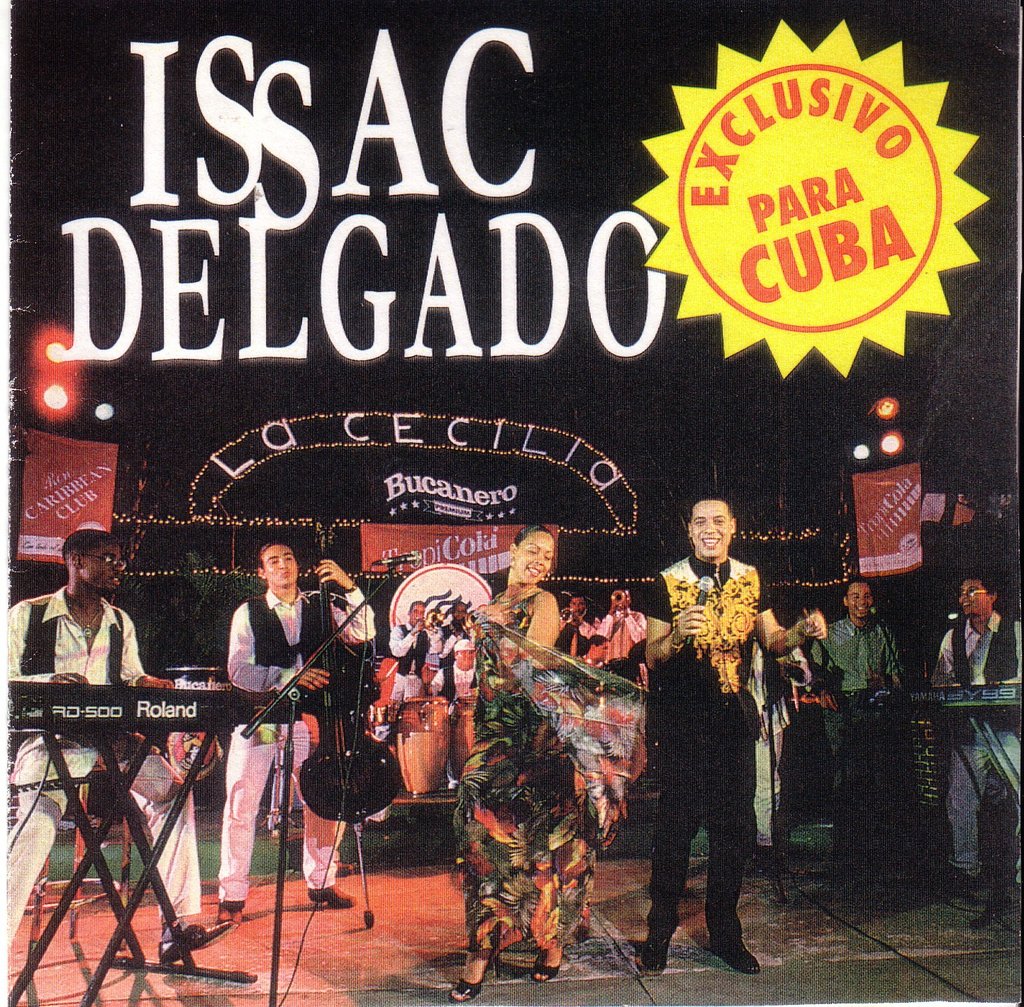
In 1983, Delgado began his professional career with Orquesta de Pacho Alonso and embarked on international tours. In 1987 he became the singer for Galaxia, while also performing with a Cuban tropicalist cabaret. The turning point came in 1988: he joined NG La Banda, a group founded in 1986 by flutist José Luis Cortés. His three albums with the ensemble — No Te Compliques (1988), En la Calle (1989) and No Puede Tapar el Sol (1990) — made him one of the major voices of timba, this Cuban hybrid genre born from jazz-salsa-funk fusion. At that time, his vocal style was already recognized as distinctive and he became one of the best timba composers, capable of improvising vocals and melodies on stage. The group received the Premio EGREM in 1990–1991, official proof of his recognition.
Solo and expatriation: the double salsa-timba style
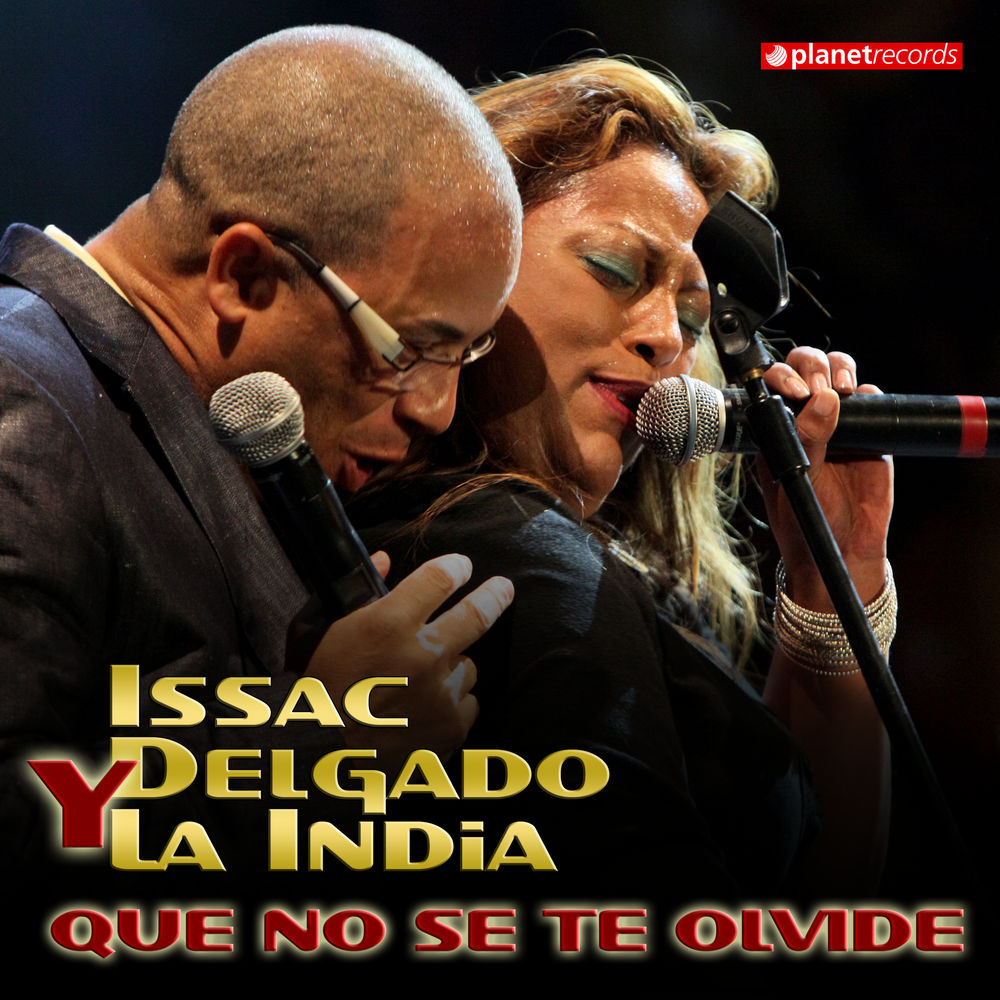
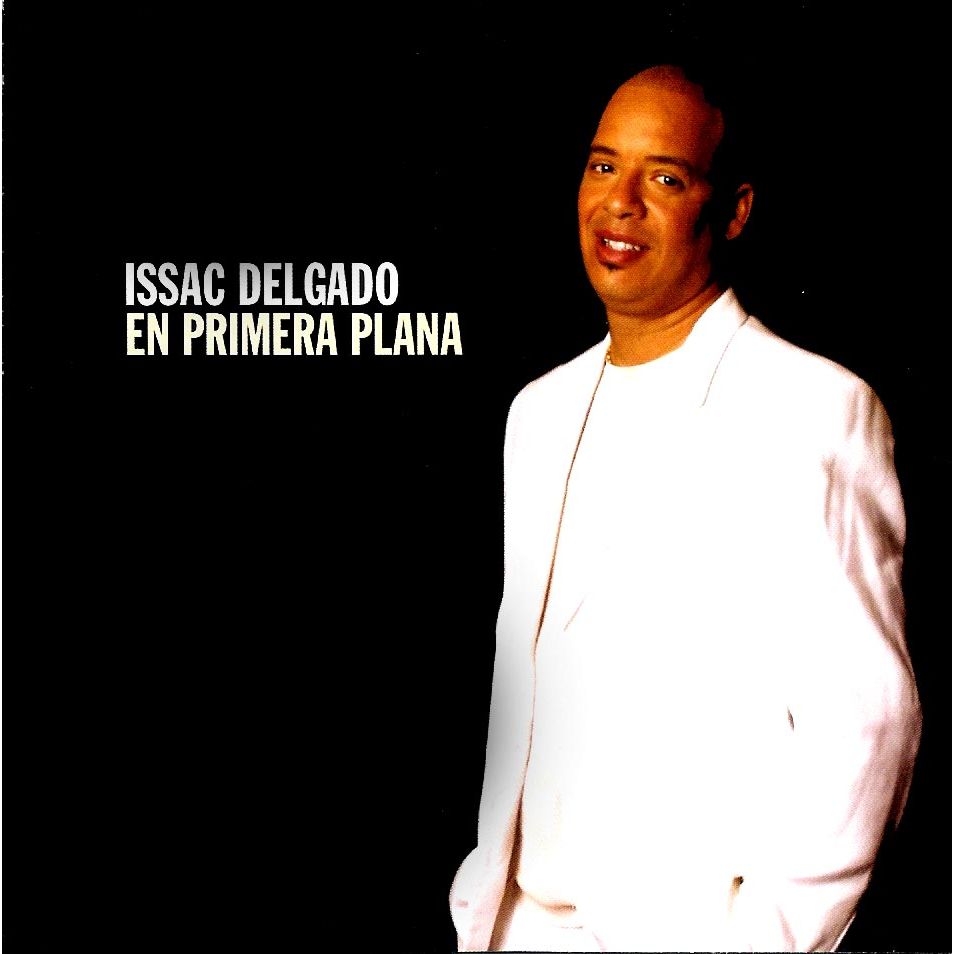
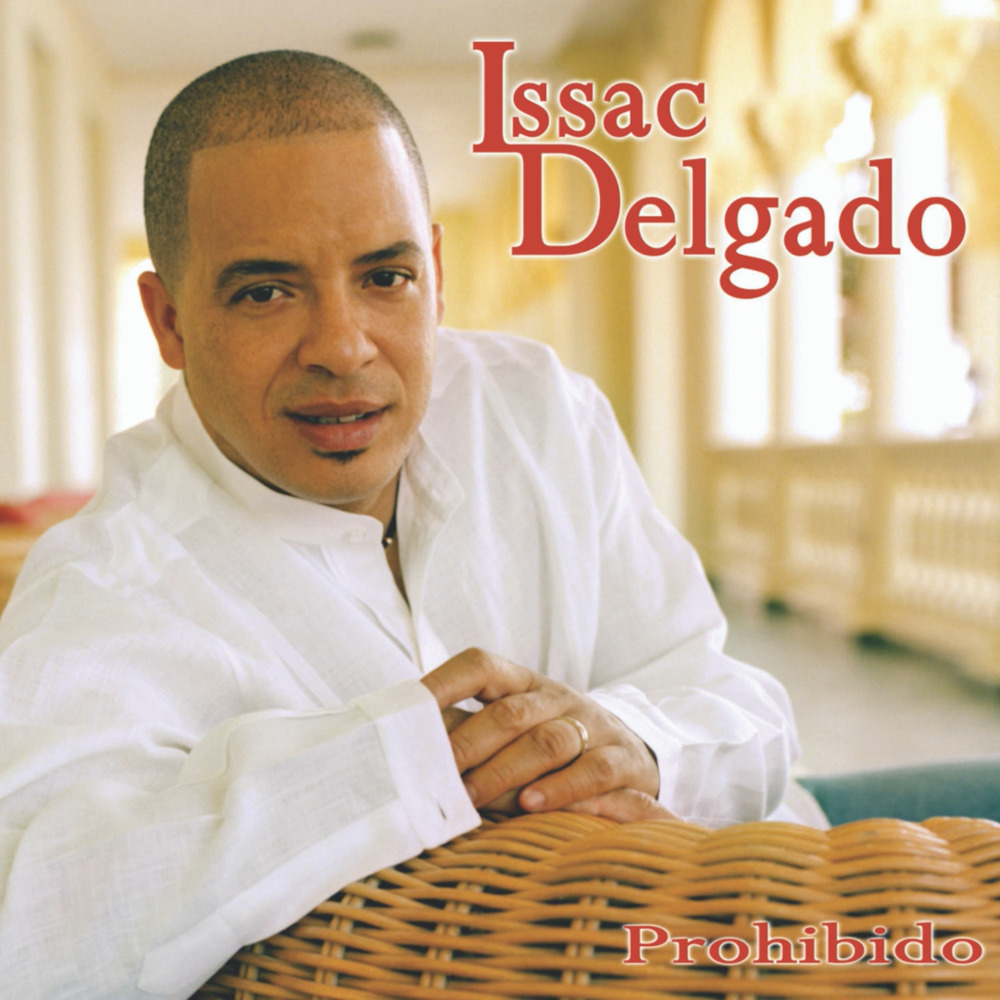
In 1991 Delgado formed his own ensemble and signed Dando la Hora in 1992, recorded in Venezuela under Rubalcaba’s impetus — an album that won an EGREM. Con Ganas (1993) received two distinctions, and the collaboration with Adalberto Álvarez for El Chevere de la Salsa y el Caballero del Son (1994) earned another. In 1995 he signed with RMM Records, guaranteeing international distribution and opening doors to Europe and the United States: more than twenty concerts in Europe, an evening at Madison Square Garden with Celia Cruz. La Fórmula (2000), a Grammy-nominated record recorded again with Rubalcaba, illustrates his art of fusion: salsa-oriented arrangements and timba elements. Versos en el Cielo (2002) and then Prohibido (2005) extended the era. In 2006, Delgado left Cuba to settle in Tampa, Florida with his family; the album En Primera Plana (2007), produced by Sergio George and released under the La Calle Records label of Univision Music Group, marked his consecration in the United States: two Latin Grammy nominations and the hit “La Mujer Que Más Te Duele” as a duo with Víctor Manuelle. After years of relative withdrawal, Delgado returned to Havana in 2013 for a concert with Silvio Rodríguez and created the Josone de Varadero festival in 2018, a program that blends rumba, jazz and Cuban son.
Major works
| Work | Year | Why it is essential |
|---|---|---|
| No Te Compliques (with NG La Banda) | 1988 | Founding album of timba, first recognition for vocals |
| Dando la Hora | 1992 | Solo debut, first EGREM (best album outside Cuba) |
| La Fórmula | 2000 | Masterpiece of salsa/timba fusion, Grammy nomination |
| En Primera Plana | 2007 | Consecration in the United States; “La Mujer Que Más Te Duele” as a duo with Víctor Manuelle |
| Lluvia y Fuego | 2019 | Return to roots and tributes to Benny Moré and Cheo Feliciano |
Heritage and influence
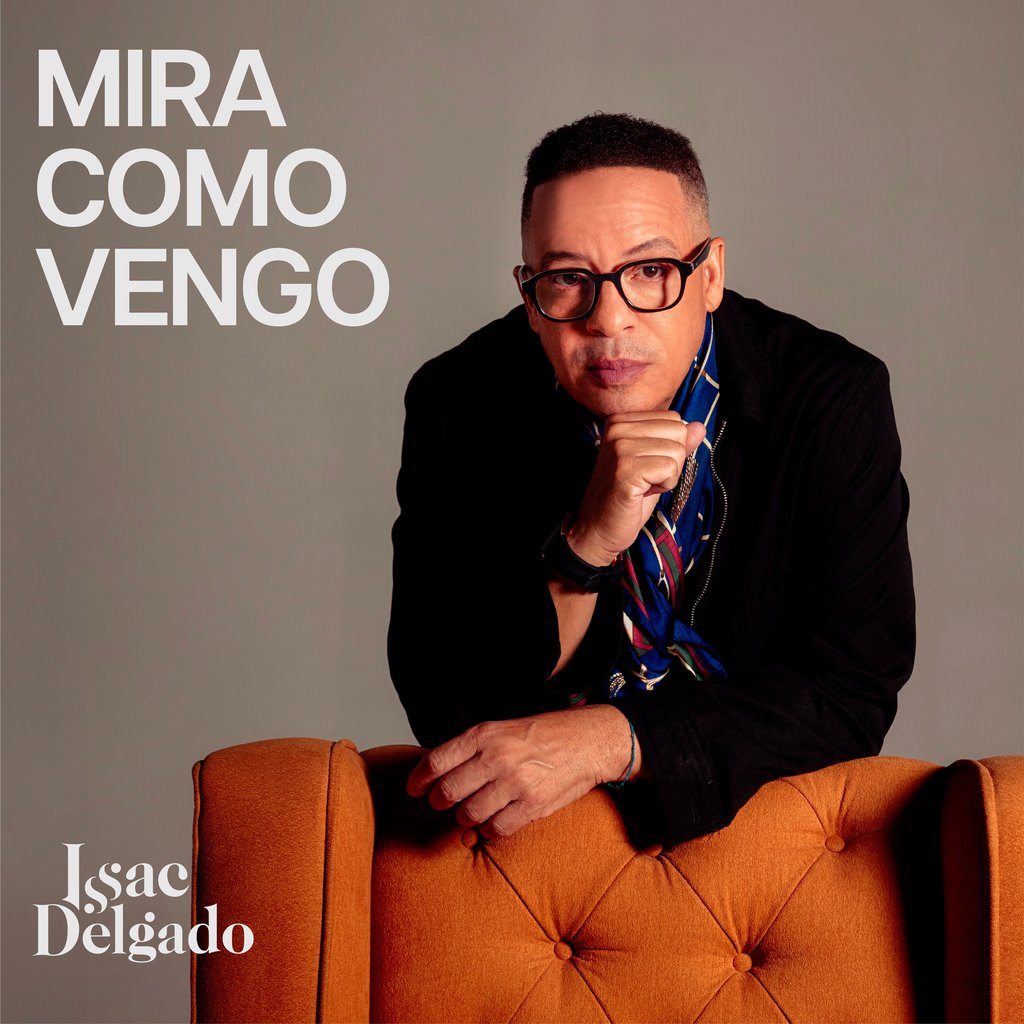
Delgado was one of the pioneers of timba, a genre that revolutionized Cuban dance music in the 90s and already blended the flavors of salsa and funk. His artistic signature — a smooth, fluid voice capable of improvising lyrics and melodies during concerts — inspired an entire generation of Cuban singers. His collaborations with virtuoso pianists like Gonzalo Rubalcaba or Iván Melón Lewis demonstrate the richness of his musical vision. Since settling in the United States, he has resumed a flourishing career and founded the Josone festival in Varadero. In the 2020s, he sang Mira como vengo and distinguished himself as the most awarded artist of Cubadisco 2025 for his tribute album to Sonora Matancera. Regarding his music, Delgado summarized his approach to the profession: « Music is very difficult ».
Sources and references
- « Issac Delgado », Wikipedia (English), https://en.wikipedia.org/wiki/Issac_Delgado, accessed November 22, 2026.
- « Isaac Delgado — Biography, Discography, Albums & Expert Reviews », AllMusic, https://www.allmusic.com/artist/isaac-delgado-mn0000085684, accessed November 22, 2026.
- « Issac Delgado: “Music only betrays you when you don’t believe in what you’re doing” », OnCubaNews English, https://oncubanews.com/en/culture/music-culture/issac-delgado-music-only-betrays-you-when-you-dont-believe-in-what-youre-doing/, accessed November 22, 2026.
- « Cuban salsa star now lives in U.S. », Los Angeles Times, January 26, 2007, https://www.latimes.com/archives/la-xpm-2007-jan-26-et-delgado26-story.html, accessed November 22, 2026.
- « Issac Delgado – Official Site », issacdelgado.com, https://issacdelgado.com/, accessed November 22, 2026.