
Biography
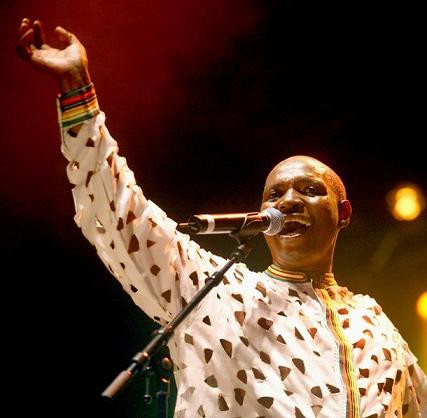
Jabu Khanyile
On November 12, 2006, just one month after his last public appearance under the spotlights of the Africa Calling ceremony in Berlin, South African musician Jabu Khanyile passed away at home in Soweto at the age of 49. For more than a quarter of a century, he embodied a bold musical ambition: uniting the sounds of an entire continent into a single voice—that of a man born in Soweto’s townships who dreamed of borderless music.
In Brief
| Full Name | Jabu Khanyile |
| Birth | February 28, 1957, Mafolo (Soweto), South Africa |
| Death | November 12, 2006, Soweto (diabetes and prostate cancer) |
| Genre | Afro pop, afro-soul, African jazz |
| Notable Works | “Mmalo-We”, “Africa Unite”, “Mbube” |
| Awards | Kora Award (1996, 2000), three SAMAs |
Key Dates
| Year | Event |
|---|---|
| 1957 | Born in Mafolo, Soweto, South Africa |
| 1974 | Joined his brother John’s The Editions as a drummer |
| 1977 | Moved to The Movers, a local soul/funk group |
| 1984 | Joined Bayete as a drummer |
| 1987 | First success with Bayete’s album Mbombela |
| 1992 | Dissolution of Bayete; beginning of a solo career |
| 1996 | International performance at the Royal Albert Hall gala for Nelson Mandela; Kora Award |
| 2003 | Last major studio album, Wankolota |
| 2005 | Live 8 concert in Johannesburg; final album Hiyo Lento |
| 2006 | Last public appearance in Berlin (World Cup handover); death on November 12 |
From Soweto to the Planets of Africa
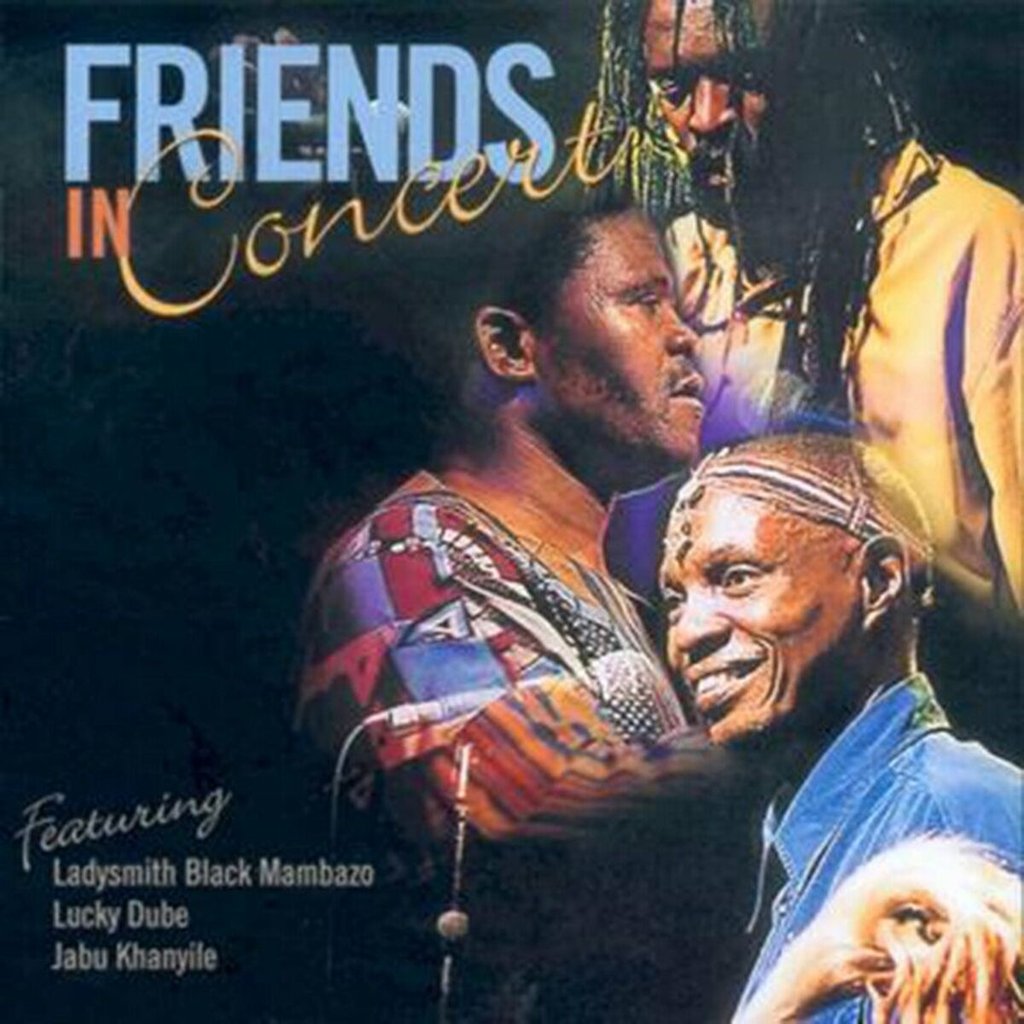
Jabu Khanyile was born on February 28, 1957, in Mafolo, a township of Soweto. His father, a miner by profession, sang isicathamiya — this South African a cappella vocal tradition made world-famous by Ladysmith Black Mambazo — on Sunday afternoons with his colleagues. His older brother John, meanwhile, played in a reggae and soul group. Already, music was part of daily life; it wasn’t a distant dream, but the sound of home.
The death of his mother when he was only 14 shattered this balance. Jabu dropped out of school to work in a beverage factory, but factory life didn’t satisfy him: he skimped on his salary to play guitar in a local amateur group, the Daffodils. In 1974, his brother John gave him his first serious guitar, and Jabu joined John’s The Editions. He started as a drummer, then took the lead vocals; soon, he was singing.
The political climate was turbulent: the Soweto Uprising of 1976 tore through the city, and several members of The Editions fled or hid. The group broke up during the recording of an album. Jabu then joined The Movers, a band that fused American soul with local marabi jazz. The single “Inhlonipho” achieved local success, but internal rivalries led to another breakup.
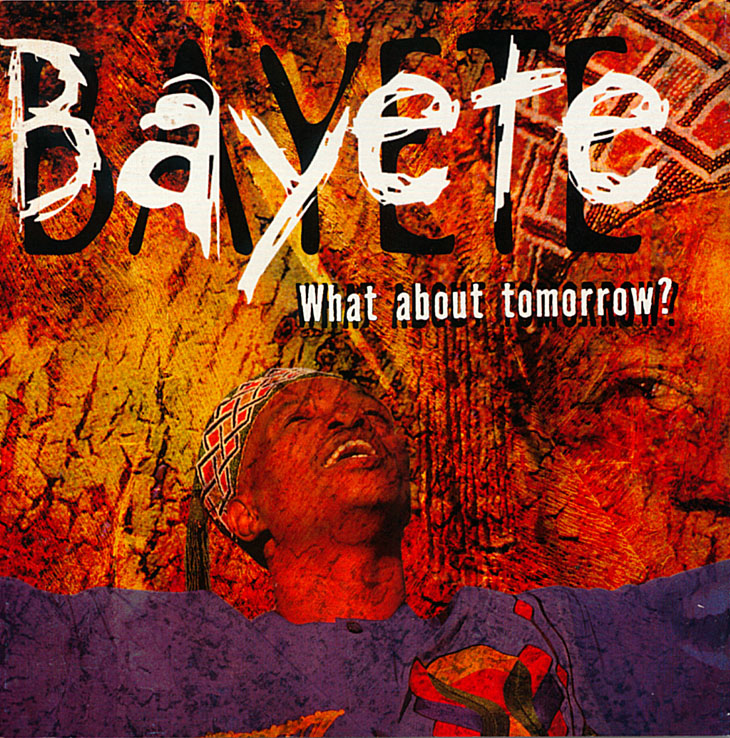
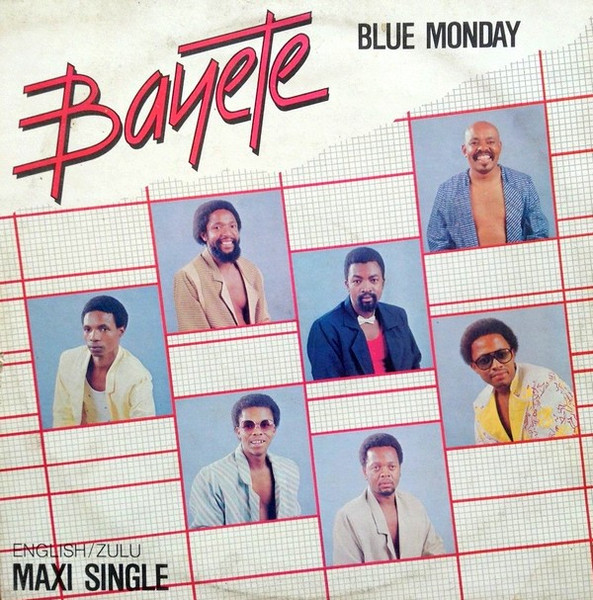
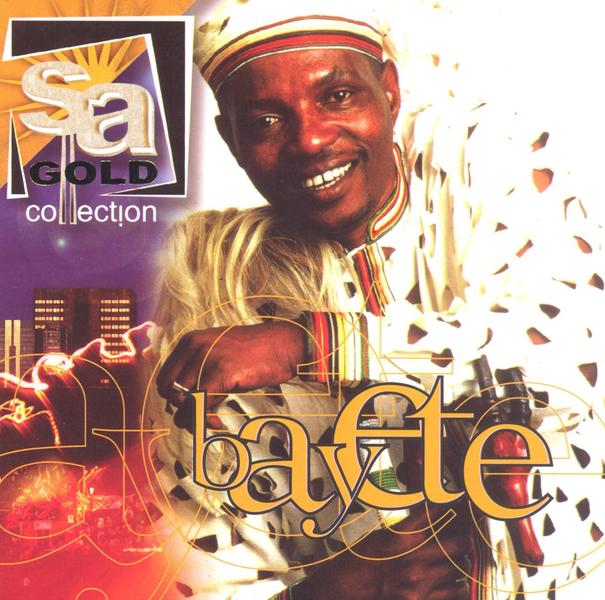
It was during this creative wandering that Bob Marley changed his musical direction: he turned toward a more deeply African vision. In 1984, he auditioned for Bayete, an afro-jazz/rock ensemble born in South Africa in the 1980s. He joined as a drummer, then quickly became vocalist and co-writer. Bayete didn’t hide its political ambitions: their first album, Mbombela, was released in 1987 and achieved solid local success. The second, Hareyeng Haye (1990), launched the hit “Mbube”, an adaptation of Solomon Linda’s classic.
Pan-African Coronation
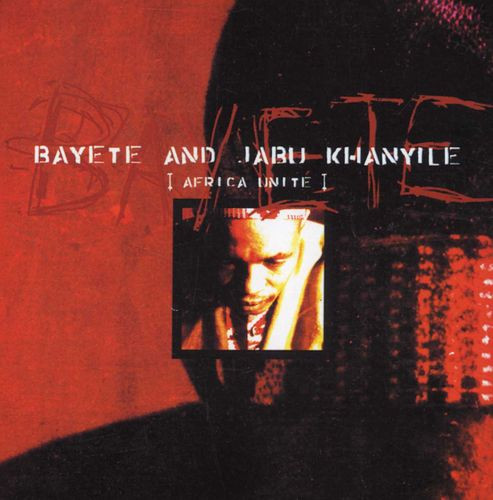
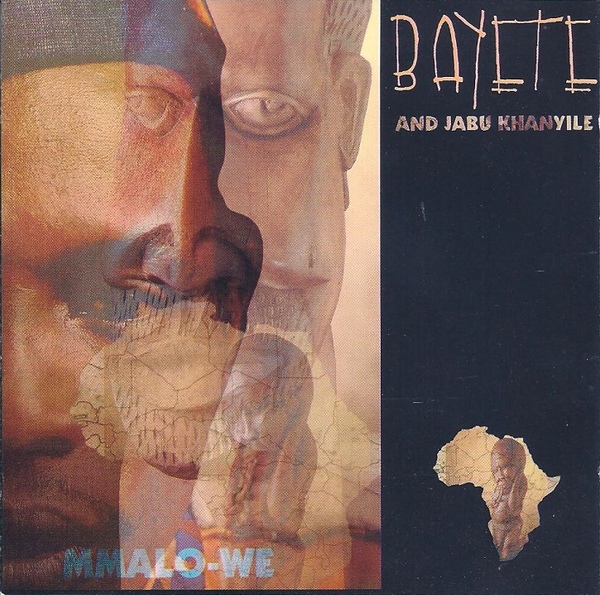
In 1992, Bayete split up. Jabu Khanyile didn’t give in: he was approached by entrepreneur Lindelani Mkhize, who encouraged him to go solo and paired him with producer Thapelo Khomo, known for his work on Paul Simon’s album Graceland. The first solo album, Mmalo-We, was released in 1993 and became a commercial triumph, certified gold. It won three SAMAs (South African Music Awards) in 1994, including Best Male Artist. The album caught the attention of Chris Blackwell, founder of Mango/Island Records: Mmalo-We was reissued in the UK in 1996, followed by Africa Unite (1997), a blend of South African afro-jazz, Jamaican reggae, and West African sounds.
That same year, Khanyile took to the stages of the Royal Albert Hall for a gala in honor of Nelson Mandela. The performance, visceral with energy, shook the walls: Mandela stood up to dance and Queen Elizabeth II was compelled to follow, creating a moment that remains etched in memory. This marked Khanyile’s international takeoff, who won the Kora Award for Best Artist from Southern Africa that year and again in 2000.
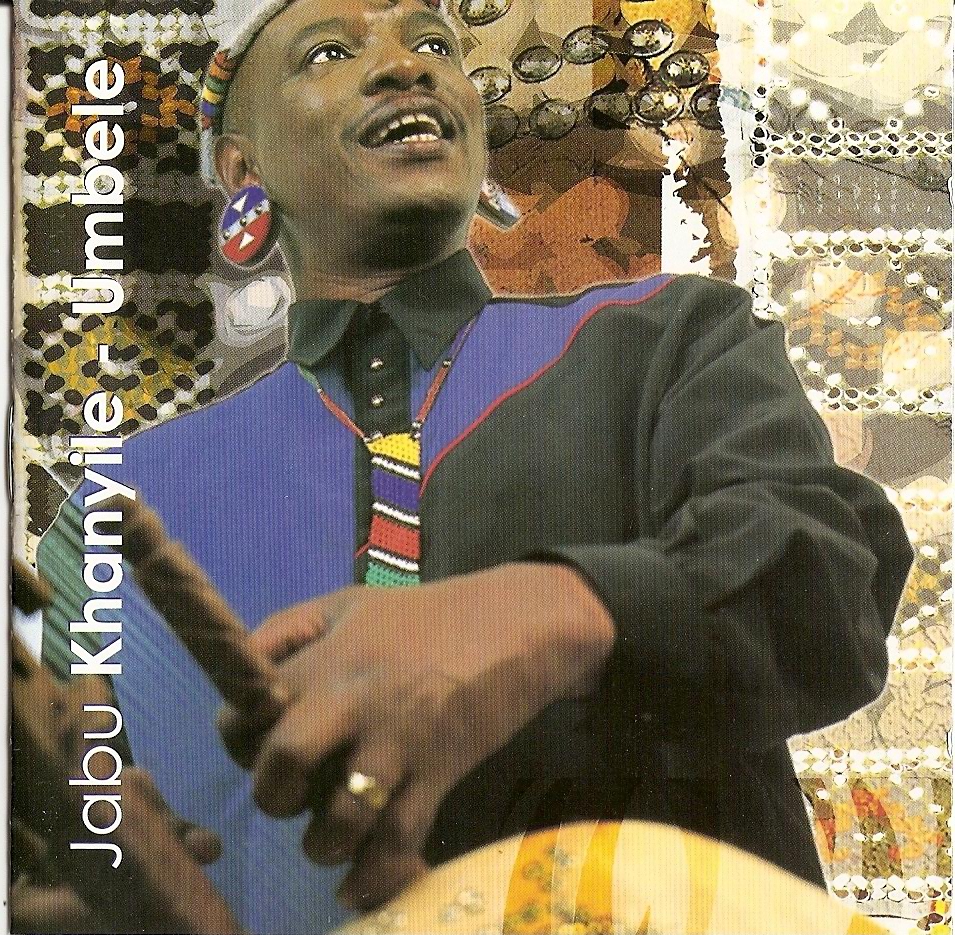
He shared stages with Youssou N’Dour, Angélique Kidjo, and Papa Wemba. Known for his distinctive style: he appeared in traditional Zulu attire, holding an African flail — a legacy of a tour in East Africa where a public had gifted it to him, symbolizing royalty. His music, following the line of an affirmed pan-African vision, sought to show that the new South Africa needed a new and united music. This ambition, reported by The Guardian in 1996, summarized the commitment that guided his entire career.
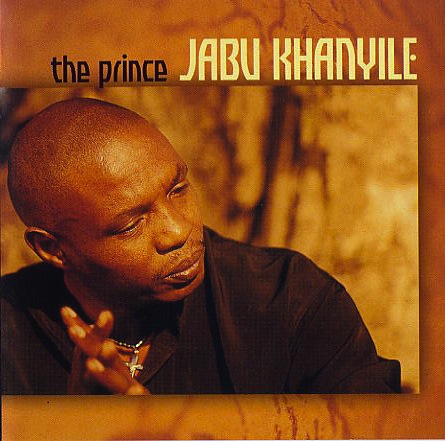
After the kwaito relocation and the return of exiled South African artists, Khanyile’s popularity in his home country declined in the 2000s, but he continued to tour and record: The Prince (2000), Wankolota (2003) and Hiyo Lento (2005). He even performed at the Live 8 concert in Johannesburg in July 2005.
Major Works
| Work | Year | Why It’s Essential |
|---|---|---|
| Mmalo-We | 1993 | First solo album, gold record and gateway to international success |
| “Mbube” (with Bayete) | 1990 | South African adaptation of Solomon Linda’s classic |
| Africa Unite | 1997 | Pan-African summit: afro-jazz, reggae and West African sounds |
| The Prince | 2000 | Meditative solo album, Wrasse Records license for the UK |
Heritage and influence
Jabu Khanyile died on 12 November 2006 while working on a new album intended to raise awareness against prostate cancer. More than a quarter of a century after his passing, his legacy resides in this pan-African ambition — blending the sounds of an entire continent into accessible and danceable music. New generation South African musicians say they found in him a benevolent mentor who opened the doors to an entire post-apartheid scene. His recordings continue to be discovered, remastered and rediscovered by African festivals, confirming that his music has no expiration date.
Sources and references
- « Jabu Khanyile », The Guardian, 16 November 2006, https://theguardian.com/news/2006/nov/16/guardianobituaries.southafrica
- « Jabu Khanyile, singer, songwriter and drummer », The Independent, 16 November 2006, https://the-independent.com/news/obituaries/jabu-khanyile-424454.html
- « Jabu Khanyile », Wikipédia EN, https://en.wikipedia.org/wiki/Jabu_Khanyile
- « Khanyile, Jabu (1957-2006) », BnF Catalogue général, https://catalogue.bnf.fr/ark:/12148/cb14193320x
- Ano Shumba, « One decade on, remembering SA’s Jabu Khanyile », Music IN Africa, 11 November 2016, https://musicinafrica.net/magazine/one-decade-remembering-sa%E2%80%99s-jabu-khanyile
- « Jabu Khanyile », Music IN Africa Directory, https://musicinafrica.net/directory/jabu-khanyile/
- « Jabu Khanyile », AllMusic, https://www.allmusic.com/artist/jabu-khanyile-mn0000120708