Biography
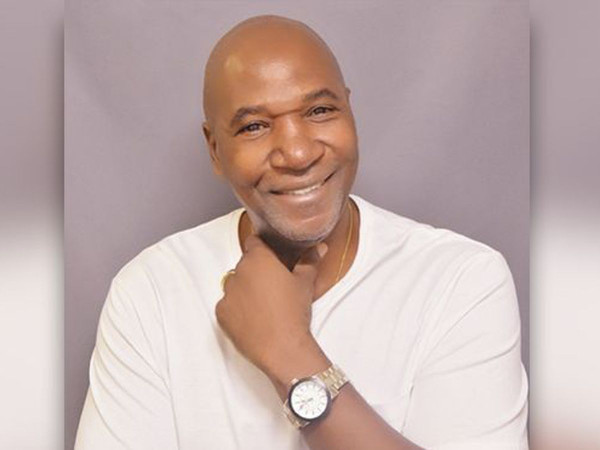
Jacky Rapon
On December 3, 2004, in Bamako, Mali, a Martinican singer took the stage to receive the Tamani d’Or trophy, award for best artist of the Antillean diaspora. Before an audience won over by years of African tours, Jacky Rapon seized this moment not as an arrival, but as the culmination of a musical journey begun long before: that of a musician who knew how to transform his Caribbean roots into a bridge between continents.
In brief
| Full name | Jacques Rapon (stage name: Jacky Rapon) |
| Birthplace | Martinique (date not provided in consulted sources) |
| Genre | Zouk, zouk love, Afro-Caribbean |
| Signature works | “Si sé lov”, “Mwen Lov li”, “Juste un regard” |
| Awards | African Music Awards (Nelson Mandela, 2001), Kunde d’Or Burkina Faso (2002), Tamani d’Or Mali (2004) |
Key dates
| Year | Event |
|---|---|
| 1986 | Arrival in Paris, piano-bars and Conservatoire de Cergy-Pontoise |
| 1987 | Joins the group Zetwal, first album “Aïe Doudou” with Jocelyne Béroard on backing vocals |
| 1987-1995 | European tours with Zetwal |
| 1997 | Leaves Zetwal, first solo album “Tout Simplement” (“Si sé lov”), beginning of tours in Africa |
| 1998 | First African concert at Stade de l’Amitié in Cotonou (Benin), 10,000 spectators |
| 1999 | Album “Double Effet” as a duo with Jean-Luc Rosier |
| 2001 | African Music Awards trophy, sponsored by Nelson Mandela; jury for Miss Malaika at Sun City with Miriam Makeba |
| 2002 | Kunde d’Or in Burkina Faso, album “Juste un regard” with Meiway and Monique Séka |
| 2004 | Tamani d’Or in Mali; album “Kou-Douss” with Phil Control |
| 2009 | Return of the duo Double Effet with “Hot Class” |
| 2012 | Album “Authentique”, presented as a poet of music |
Origins and training: from church choir to conservatory
Born in Martinique under the name Jacques Rapon, Jacky Rapon developed a visceral connection to music very early on. From his adolescence, he sang in a local choir and participated in numerous competitions, gradually building the stage confidence that would become one of the defining traits of his career. Adolescence marked a turning point: music ceased to be a hobby and became a defining passion.
In 1986, he made the leap to Paris. The French capital first offered him the humble stages of piano-bars, a field school that refined his stage presence and versatility. Simultaneously, he joined the Conservatoire de Cergy-Pontoise to pursue structured musical training. This dual apprenticeship—field and institution—shaped an artist capable of brilliant stadium concerts as well as more delicate intimate performances.
Revelation and consecration: Zetwal, then conquering Africa
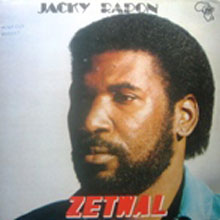
In 1987, Jacky Rapon joined the group Zetwal and participated in the release of the album “Aïe Doudou”, his first true hit. The album stands out for the presence of an exceptional backing vocalist who added a satin touch to the recordings: Jocelyne Béroard, one of the iconic voices of the legendary Kassav’. From 1987 to 1995, Zetwal multiplied tours across Europe, consolidating Jacky Rapon’s reputation on the Caribbean and international stages.
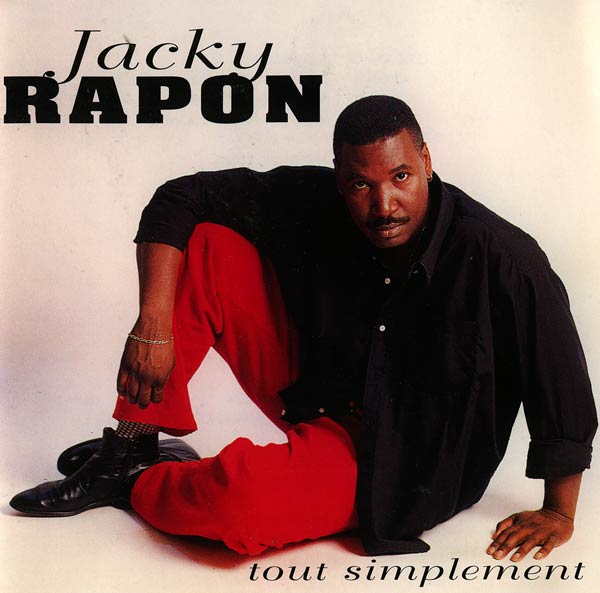
In 1997, he left Zetwal to embark on a solo career with the album “Tout Simplement”, driven by the medley “Si sé lov”—French songs revisited in a zouk version. The album features the participation of Jacob Desvarieux on guitar and a composition by Jean-Philippe Marthély, both from the mythical Kassav’. “Si sé lov” became a hit that exceeded all expectations and triggered an unexpected invitation: Africa.
That same year, Jacky Rapon set foot in Benin and discovered an audience eager for Antillean sounds. His first African concert took place at the Stade de l’Amitié in Cotonou, before more than 10,000 spectators. The reception was so warm that the artist subsequently became a regular on continental stages: Togo, Gabon, Côte d’Ivoire, Cameroon, Niger, Burkina Faso, and Mali successively opened their stadiums and concert halls to him.
Evolutions and collaborations: an Afro-Caribbean bridge
Between 1999 and 2002, Jacky Rapon multiplied projects that testified to a desire for musical blending. In 1999, he formed the duo Double Effet with Jean-Luc Rosier, releasing the albums “Mwen Lov li” and “One More Time”, two signature tracks of late-90s zouk. The album again featured Jacob Desvarieux on guitar, as well as Édith Lefel and Marie-Céline Dion on backing vocals. Tours followed across Africa, Europe, Haiti, Florida, and French Guiana.
In 2001, official recognition arrived at the highest level: in Sun City, South Africa, Nelson Mandela presented him with the trophy for best Caribbean artist at the African Music Awards. The same month, he was part of the jury for the Miss Malaika election alongside Miriam Makeba. In March 2002, he won the Kunde d’Or in Burkina Faso.
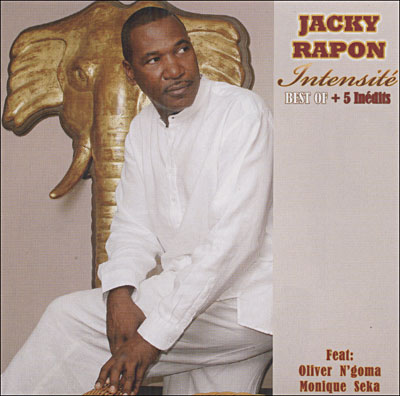
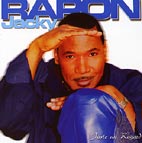
His album “Juste un regard” (2002) concretized his vision of a zouk in dialogue with the continent: three new duets with Meiway, Monique Séka, and Oliver N’Goma, blending salsa, ballads, mazurkas, compas, afro-zouk, and zouk love. In 2004, the Tamani d’Or in Mali crowned his success on the African continent. The same year, he released “Kou-Douss” with Phil Control.
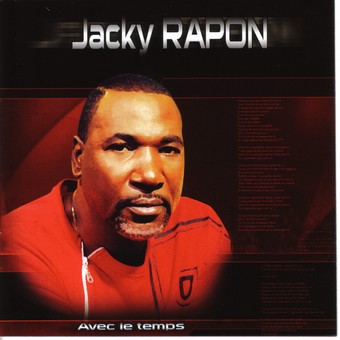
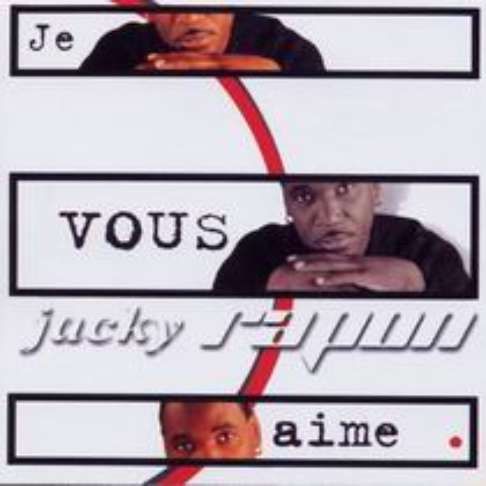
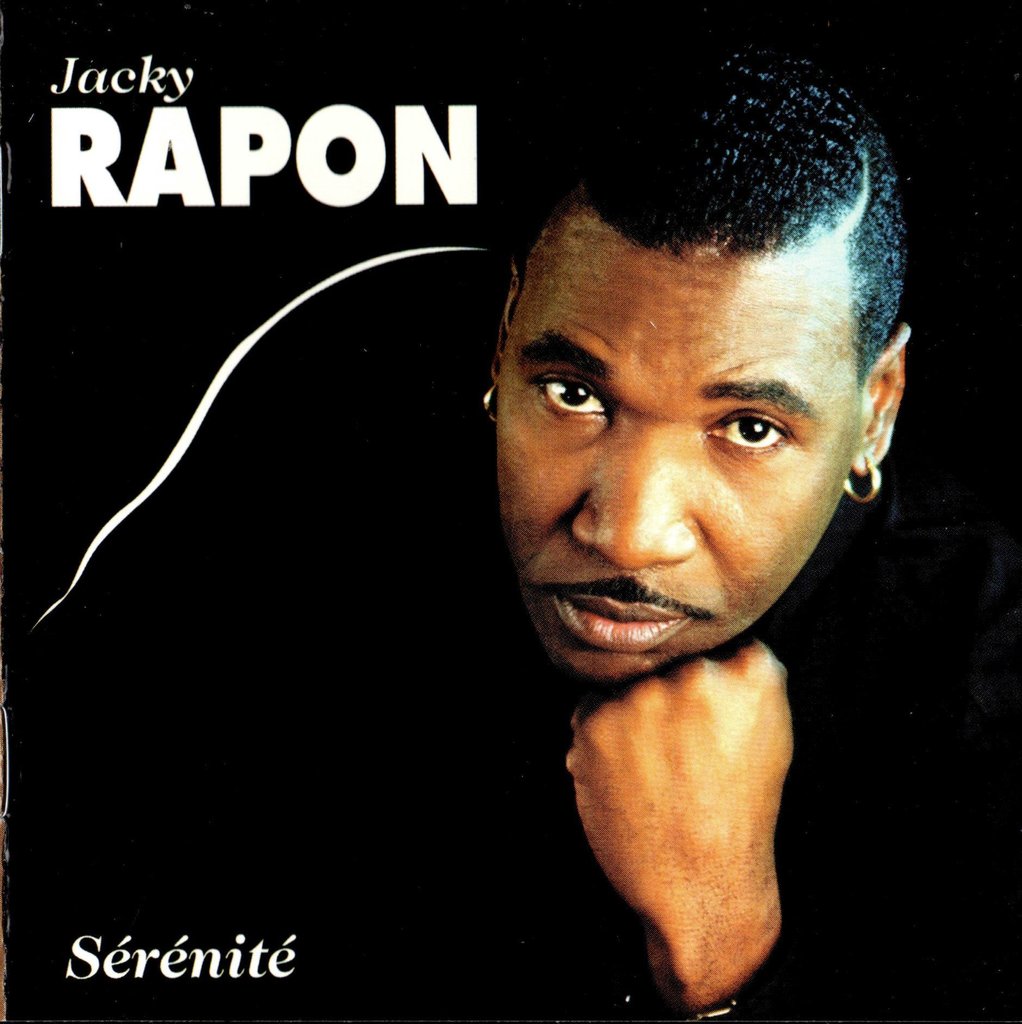
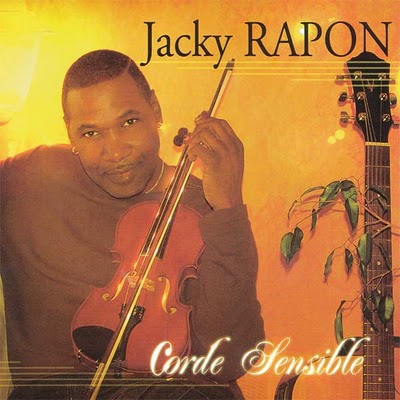
His successive solo albums—“Sérénité” (2000), “Je vous aime” (2003), “Avec le temps” (2005), “Corde sensible” (2008)—show an artist in constant evolution, increasingly concerned with messages of exchange and tolerance. His album “Authentique” (2012) explicitly presents him as a poet of music.
Major Works
| Work | Year | Why It’s Essential |
|---|---|---|
| “Si sé lov” (Tout Simplement) | 1997 | First solo hit, a zouk medley of French songs, featuring Jacob Desvarieux on guitar |
| “Double Effet” (with Jean-Luc Rosier) | 1999 | Key duo, albums and Afro-Caribbean tours |
| “Juste un regard” | 2002 | Afro-Caribbean fusion: salsa, compas, zouk love with Meiway and Monique Séka |
| “Je vous aime” | 2003 | Tribute album to the African audience, concert “Nou la Epi zot” in Guinea |
Legacy and Influence
Jacky Rapon remains one of the few Antillean artists to have built such a dense career in Francophone Africa. His journey—from Martinican church singing to the stadiums of Cotonou and Bamako—illustrates the ability of zouk to build bridges between continents. Artists like Meiway and Monique Séka shared his stages; entire audiences from Central and West Africa discovered the Antilles through his concerts.
After more than three decades of career, he remains a reference in authentic zouk, the one who prioritizes human exchange over pure commercial production. His legacy does not rest on a single hit, but on artistic coherence: the conviction that music is above all a language of tolerance, in his own words.
Sources and References
- “Biography”, Transf972, http://transf972.free.fr/Bio.htm, accessed November 19, 2026.
- “Jacky Rapon — Martinican Artist”, Martinique A Nu, https://martiniqueannu.com/artiste-martiniquais/chanteurs-martiniquais/jacky-rapon, accessed November 19, 2026.
- “Jacky Rapon”, L’Or des Îles, https://ordesiles.com/culture-et-traditions/la-scene-musicale-antillaise/jacky-rapon/, accessed November 19, 2026.
- Claudy Siar, “Le couleurs tropicales show (2nd part)”, RFI, October 16, 2009, http://www1.rfi.fr/radiofr/editions/106/edition_453_20091016.asp, accessed November 19, 2026.
- “Jacky Rapon”, Caribbean Music Artists, https://caribbeanmusicartists.com/artist/jacky-rapon/, accessed November 19, 2026.
- “Jacky Rapon”, Discogs, https://www.discogs.com/artist/4087688-Jacky-Rapon, accessed November 19, 2026.