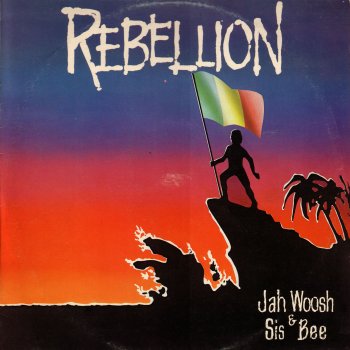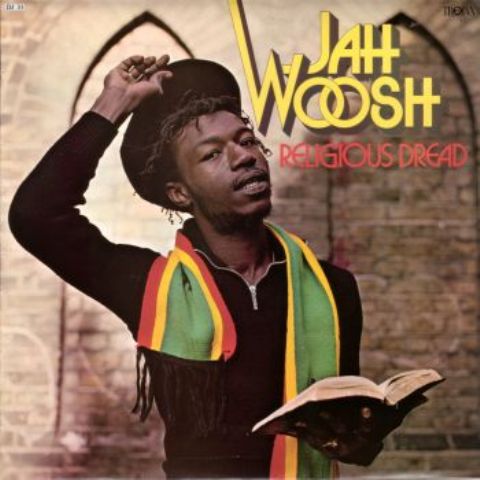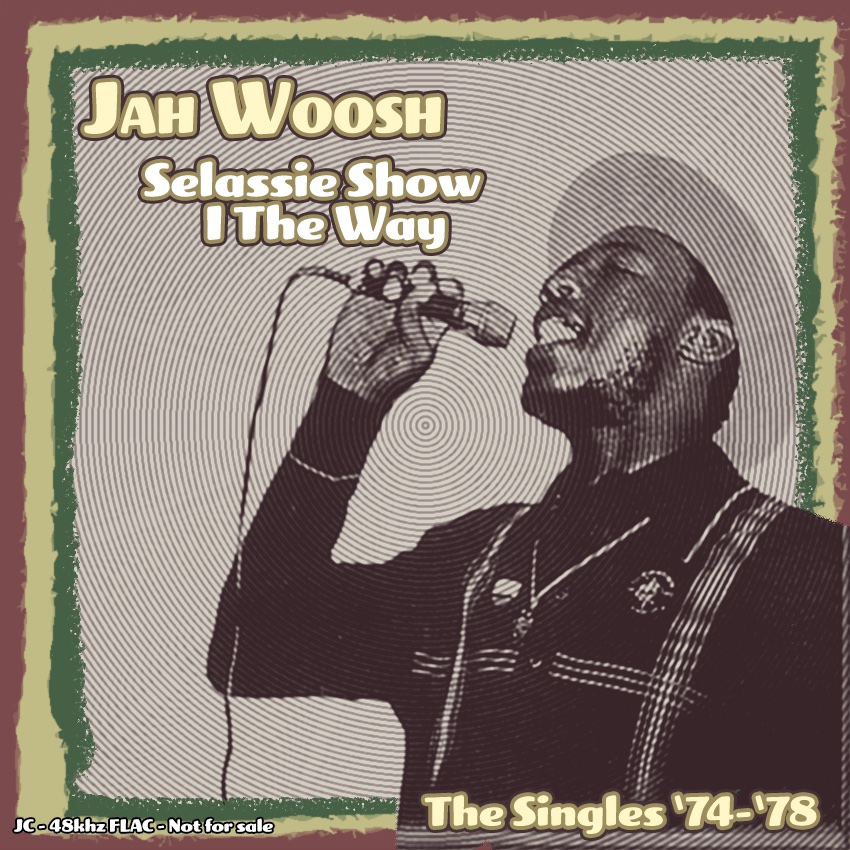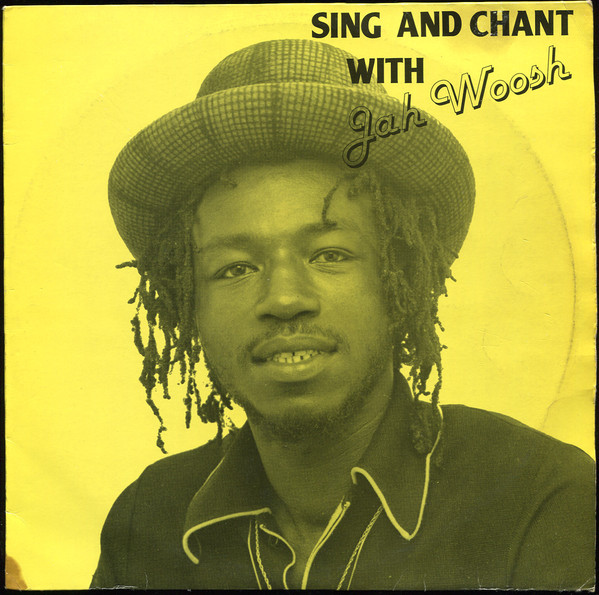
Biography
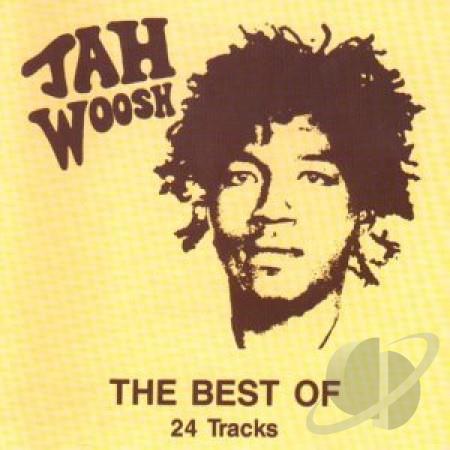
Jah Woosh
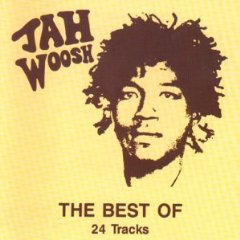
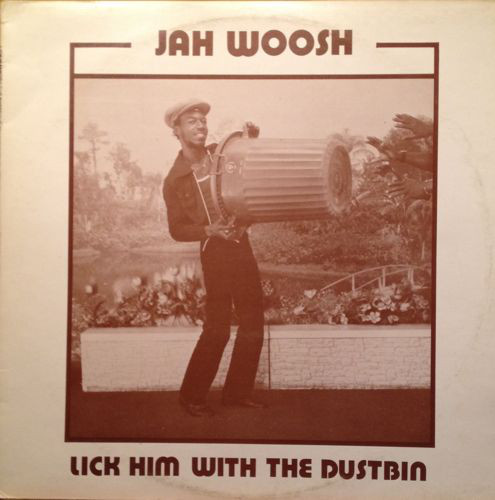
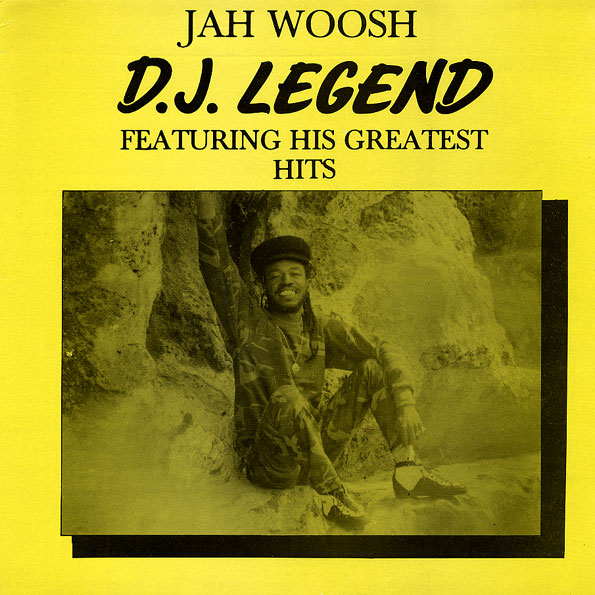
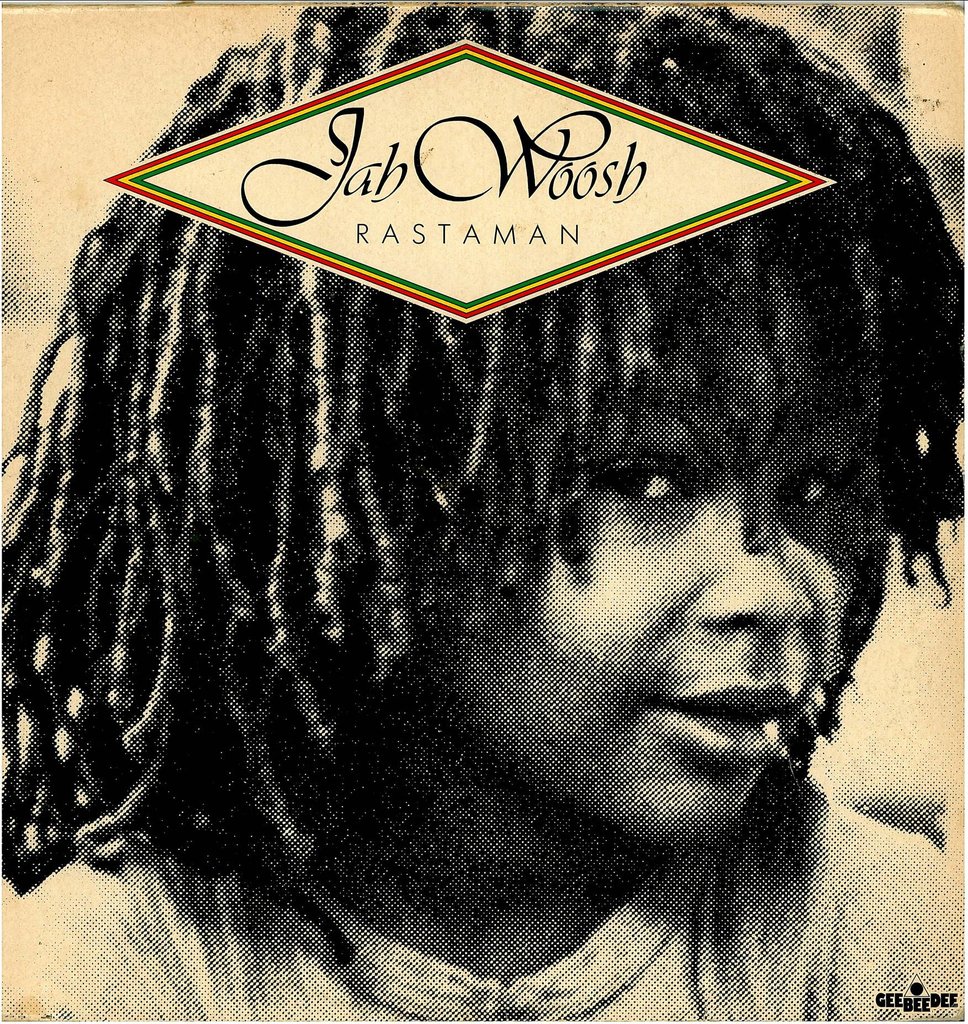
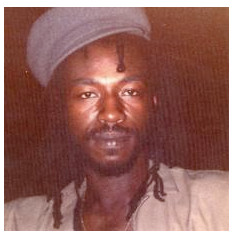
Kingston, early 1970s. Inside the packed Tivoli Garden, Prince Lloyd’s sound system shakes the walls. On the microphone, a young man with a rasta look delivers a recitation half-sung, half-spoken that will mark reggae: it is Neville Beckford, alias Jah Woosh.
In brief
| Full name | Neville Beckford |
| Birth | 16 September 1952, Kingston, Jamaica (Prince Lane) |
| Death | 20 February 2011, London (bone cancer) |
| Field | Reggae — deejay / vocalist, record producer |
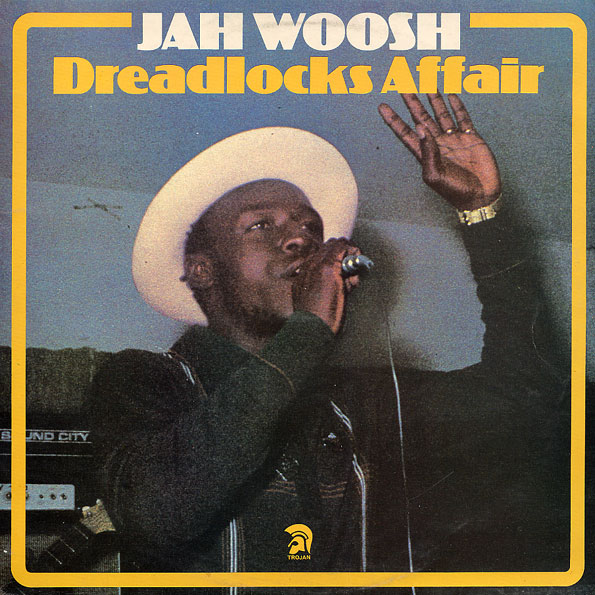
| Notable works | Jah Woosh (1974), Dreadlocks Affair (1976), Chalice Blaze (1976) |
| Major labels | Cactus, Trojan, Original Music (founded by Woosh) |
Key dates
| Year | Event |
|---|---|
| 1952 | Birth of Neville Beckford in Kingston (Prince Lane) |
| 1969 | Adoption of Rastafarianism; departure from family home after training as a mechanic |
| 1972 | First recordings under the name Jah Woosh with producer George Bell |
| 1973 | Release of single “Angela Davis”, noticed by producer Rupie Edwards |
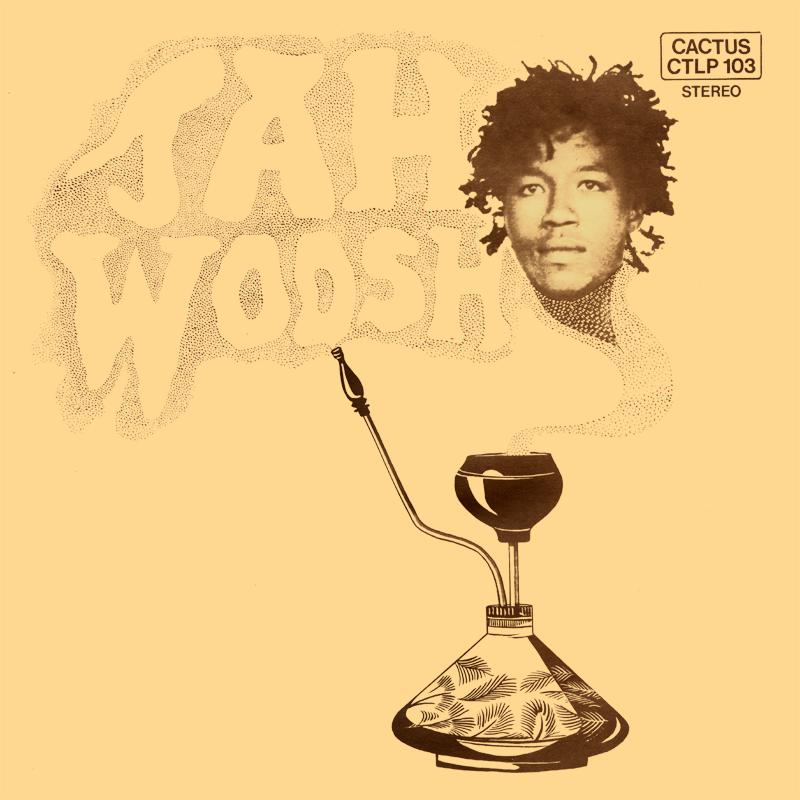
| 1974 | Jah Woosh on Cactus Records: n° 1 in Jamaican reggae charts and success in the UK |
| 1976 | Triple production: Chalice Blaze, Psalm of Wisdom and Dreadlocks Affair (Trojan) |
| 1979 | Move to London; collaboration with Adrian Sherwood and the collective Singers & Players |
| 1985 | Some Sign (Sky Juice), last album as an active deejay |
| 1990s-2000s | Emigration to Ghana; reissues via the Original Music label |
| 2011 | Death in London, at age 58 |
Career: from garage to London sound system
Born on 16 September 1952 in the Prince Lane neighborhood of Kingston, Neville Beckford grew up in an intense musical culture. After school, he became a car mechanic apprentice — a profession he practiced all his life. Rastafarian faith, embraced in the early 1970s, transformed his trajectory: he left the family home and plunged into the world of sound systems. His entry point was the duo Neville & George with his friend Reggae George, who failed auditions for Coxsone Dodd and Duke Reid. The duo dissolved, but Neville turned to deejaying and joined in 1972 Prince Lloyd’s sound system at the Tivoli Garden.
His performance captivated producer George Bell (alias Blue), who sent him to the studio. The first tracks under the name Jah Woosh circulated — notably “Angela Davis”, dedicated to the American activist — and attracted the attention of producer Rupie Edwards, who urgently produced a full album. The first Jah Woosh, released on the British label Cactus in 1974, was a bomb: it climbed to n° 1 on Jamaican reggae charts and stayed at the top for several weeks. According to contemporary critics, its strength came from being an artist built on a coherent and raw album rather than a series of singles.
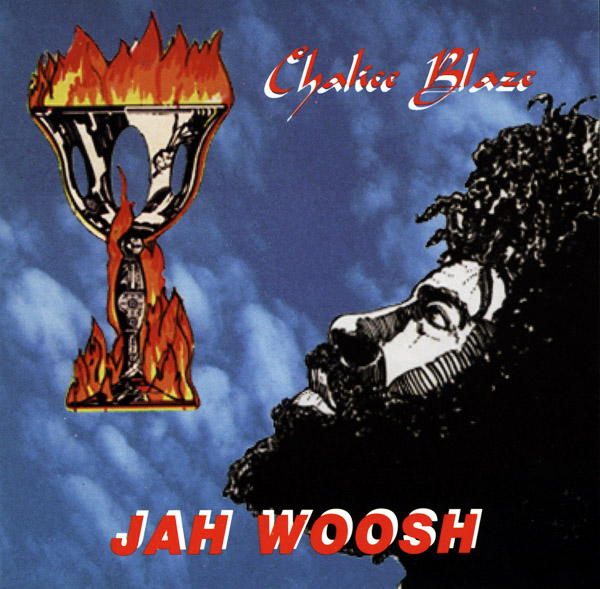
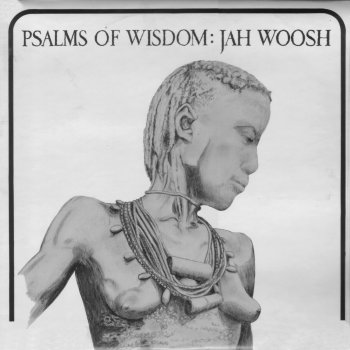
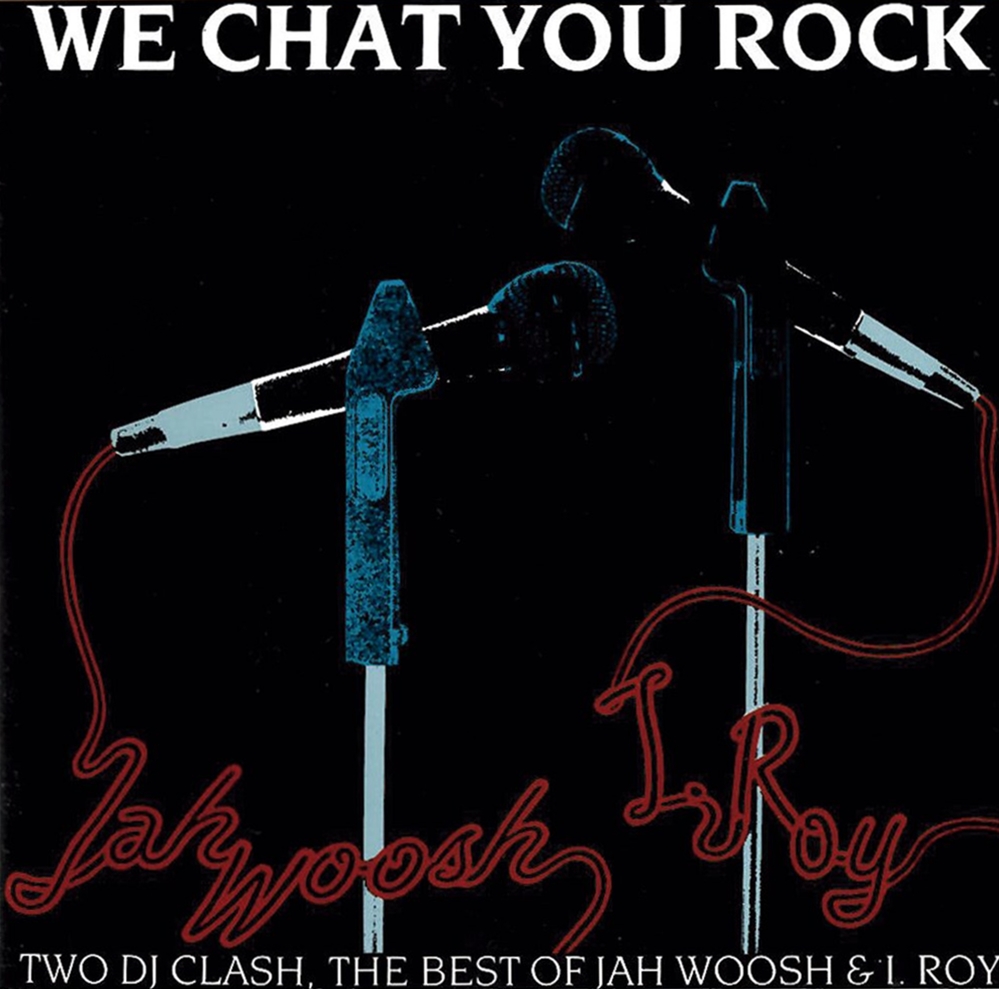
This success triggered a rush of producers: Woosh recorded Chalice Blaze with Leonard Chin (Santic), Psalm of Wisdom produced by Lloyd Campbell, then the self-produced Dreadlocks Affair at Trojan Records. Three n° 1 albums in two years, and an international reputation firmly established. Woosh multiplied collaborations — Keith Hudson, Lee Perry — and joined Adrian Sherwood’s collective Singers & Players in London. His style, half-declamatory half-melodic which he called “chanting”, stood out in a landscape dominated by great toasters. As he told Small Axe in 1979:
“I don’t consider myself just a toaster. When you sing African culture, it’s chanting… People do racing everywhere, but they don’t think about the future of the business.”
From this statement made in London in June 1979 emerged a visionary who refused to follow the trend.
From 1976, Woosh produced his own work and settled in the UK, becoming a central figure of the London roots scene. The 1980s were more difficult: digital reggae disrupted the landscape, and Woosh, attached to raw roots sound, felt abandoned. He then launched his own label, Original Music, which reissued his own tracks and those of artists like Bim Sherman, Horace Andy and Freddie McKay. His most surprising decision came at the end of the 1980s: he left London for Ghana, where he plunged into West African music. He occasionally returned to the microphone (album Some Sign in 1985), but the 1970s roots reggae remains his great period. Neville Beckford died on 20 February 2011 in London, from complications of bone cancer.
Major works
| Work | Year | Why it’s essential |
|---|---|---|
| Jah Woosh | 1974 | First album, n° 1 in Jamaica on Cactus Records — foundational work |
| Dreadlocks Affair | 1976 | Self-production at Trojan, one of the greatest Western reggae labels |
| Chalice Blaze | 1976 | Roots masterpiece produced by Leonard Chin, genre reference |
| Psalm of Wisdom | 1976 | Production by Lloyd Campbell, spiritual text emblematic of musical Rastafarianism |
| Religious Dread | 1978 | Self-production marking Woosh’s artistic maturity as vocalist and producer |
Heritage and influence
Although Jah Woosh never crossed the mainstream barrier like U-Roy, Dillinger or Big Youth, he remains an essential reference for lovers of roots reggae and classic toasting. His unique style, half-sung half-recited, called “chanting,” has influenced generations of deejays and is being rediscovered by young music lovers thanks to reissues on Original Music and streaming platforms. His production of artists like Horace Andy, Bim Sherman and Reggae George also secures his place in reggae history as a visionary producer. Woosh’s epic journey — from the garage in Kingston to London sound systems, then to Ghana — illustrates the universality of reggae and its ability to connect continents.
Sources and references
- « Jah Woosh », English Wikipedia, https://en.wikipedia.org/wiki/Jah_Woosh, accessed 9 November 2026.
- « Jah Woosh — Biography, Discography », AllMusic, https://www.allmusic.com/artist/jah-woosh-mn0000782162, accessed 9 November 2026.
- « Jah Woosh », The Reggae Museum, https://thereggaemuseum.com/musician/jah-woosh/, accessed 9 November 2026.
- « Jah Woosh Discography », Discogs, https://www.discogs.com/artist/134030-Jah-Woosh, accessed 9 November 2026.
- Angus Taylor, « Remembering Jah Woosh », United Reggae, 26 February 2011, https://unitedreggae.com/news/n843/022611/remembering-jah-woosh, accessed 9 November 2026.
- Ray Hurford, « Interview with Jah Woosh — DJ/Chanter, Singer, and Producer », Reggae Vibes / Small Axe #8, June 1979, https://www.reggae-vibes.com/articles/2019/03/jah-woosh-interview/, accessed 9 November 2026.
- « Jah Woosh », Reggae Archives, https://www.reggaelparchives.com/artistes/jah-woosh, accessed 9 November 2026.
- « Jah Woosh », Deezer, https://www.deezer.com/en/artist/1192013, accessed 9 November 2026.