Biography
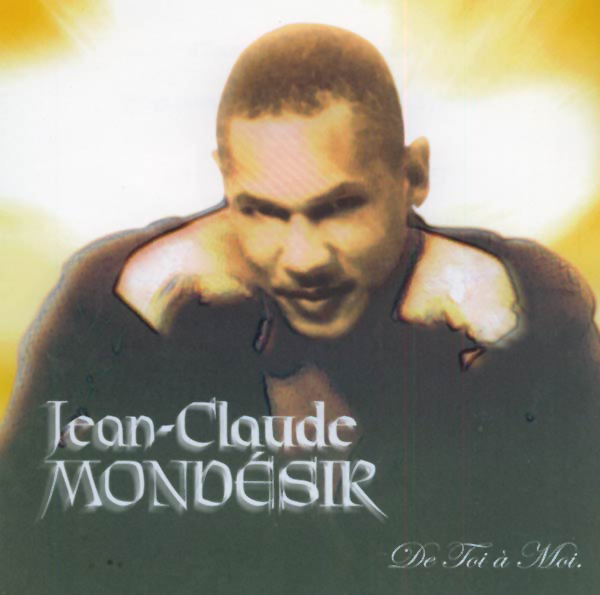
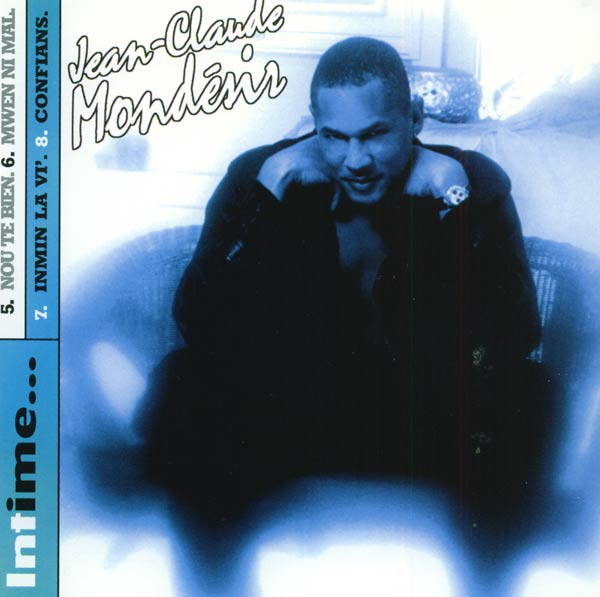
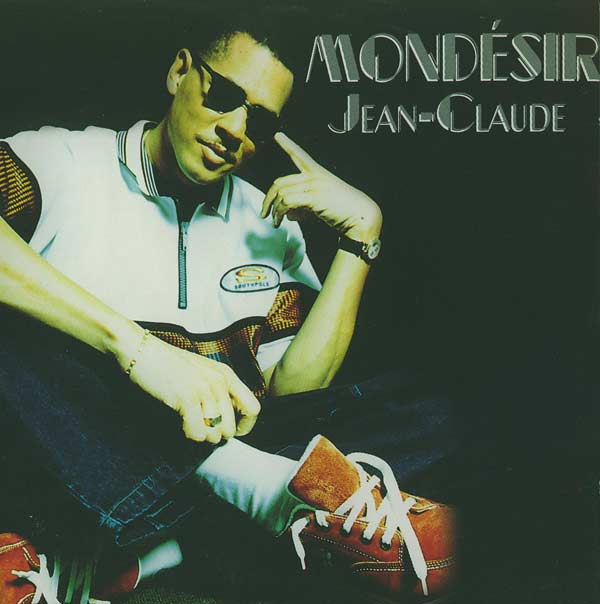
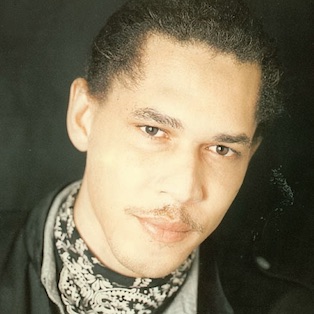
Jean-Claude Mondésir
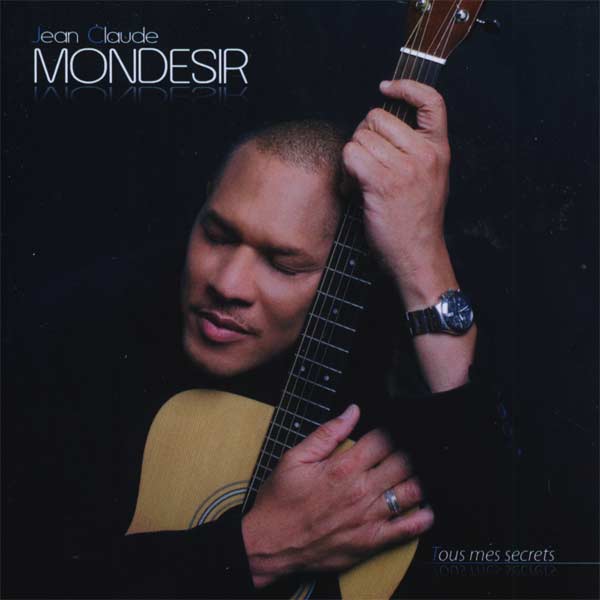
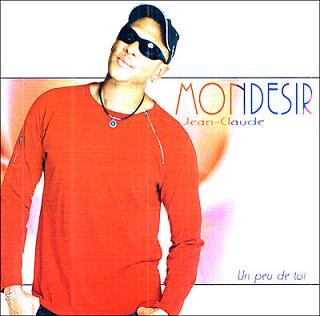
In 1987, a song titled “Lanmou a bèl épé” — love at a beautiful destination — made radio stations in the Antilles and mainland France tremble. The voice carrying these words belongs to a thirty-something Martinican with a warm and delicate timbre, singing the love of the Islands with the same truth as a confession. This man is Jean-Claude Mondésir, a major figure in zouk and francophone Caribbean music, whose journey traversed rock, reggae, salsa, and compas before finding his characteristic voice.
In brief
| Full name | Jean-Claude Mondésir |
| Origin | Martinique, French Antilles |
| Field | Caribbean music — zouk, compas/kadans |
| Instruments | Vocals, guitar |
| Groups | Grammacks (youth), Exile One / Roots of Exile, Souskay (co-founder) |
| Signature works | “Lanmou a bèl épé”, “Tika”, Sexy téléphon' |
Key dates
| Year | Event |
|---|---|
| Youth, Martinique | Beginning of singing in neighborhood groups; meeting with the Grammacks |
| 1979 | Move to Paris; entry into the conservatory to study guitar |
| Early 1980s | Move to England; seduction by reggae, return to Paris |
| 1981 | Collaboration with Exile One (later Roots of Exile); recording of a rock/reggae/salsa 45 rpm single |
| 1986 | Co-founding of the group Souskay with Jean Pierre Zabulon; discovery of zouk |
| 1987 | First Souskay album; success with “Lanmou a bèl épé” (feat. Patsy Gérémy) and “Paré pou love” |
| 1987-1994 | Souskay period marked by seven years of continuous success and an international scene |
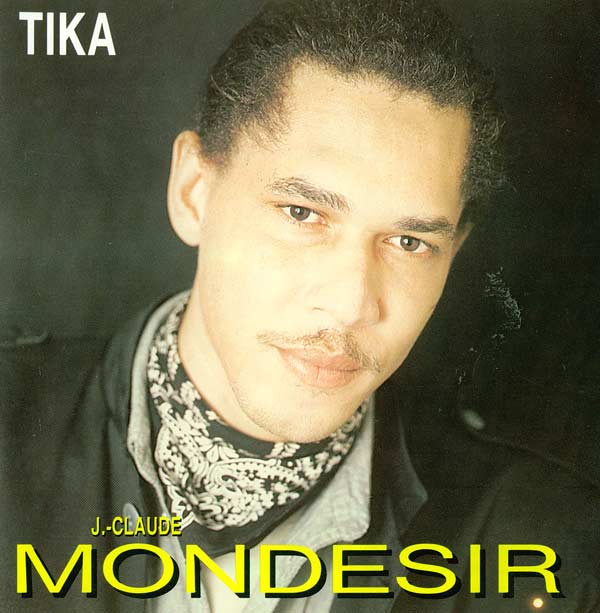
| 1990 | Launch of a solo career with the hit “Tika” |
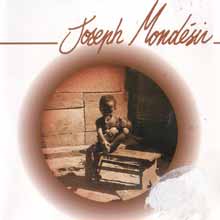
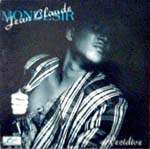
| 1992 | Release of the solo album Sexy téléphon' |
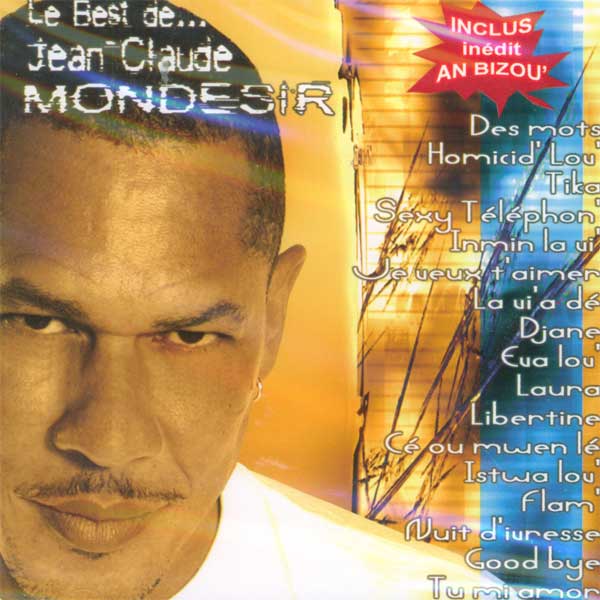
| 2004 | Best-of compilation; retrospective of the work |
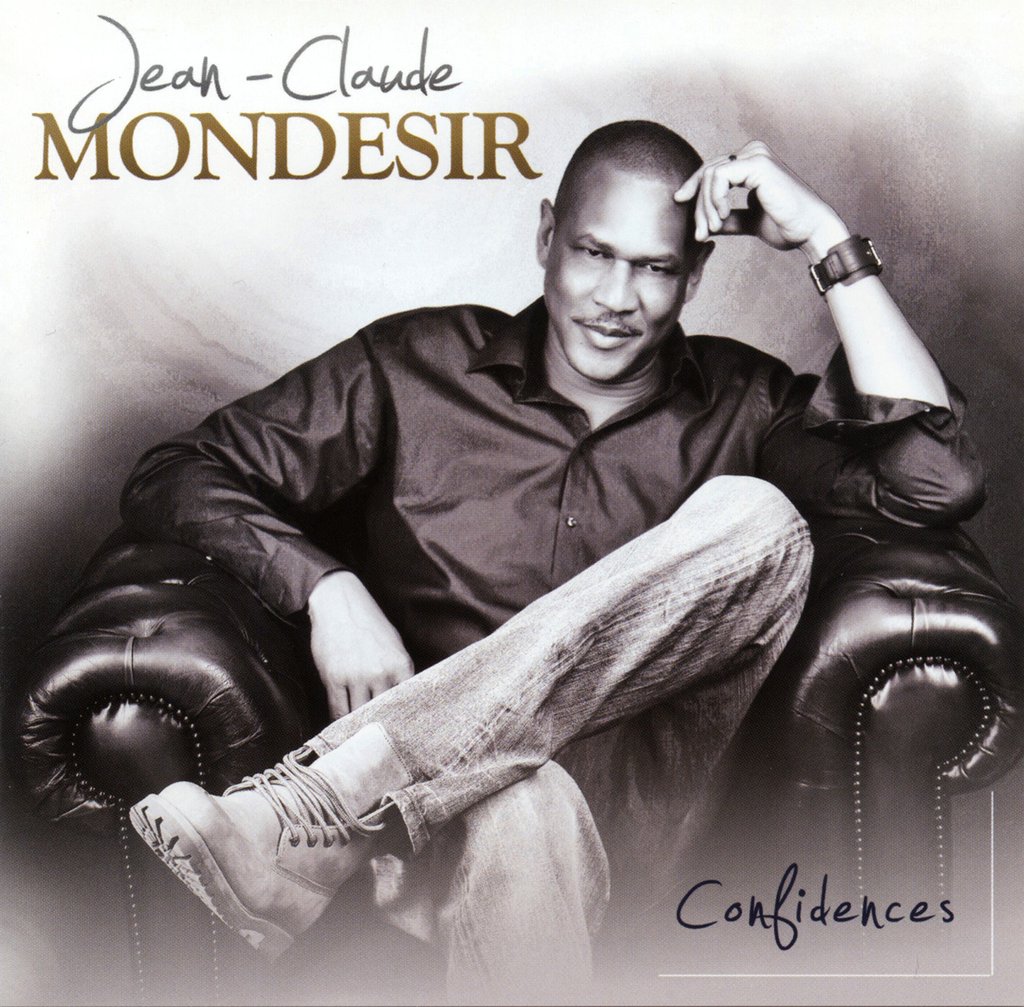
| 2013 | Release of Confidences, an introspective and multicultural album |
| 2023-2025 | Publication of singles “Ba yo lov’” and other titles on digital platforms |
From Martinican rock to Antillean zouk
Born in Martinique, Jean-Claude Mondésir was immersed very early in the sounds that cross the islands. From a young age, he sang in neighborhood groups, forging a passion that followed him like a shadow. This popular period offered him a first school: learning to capture an audience’s attention with whatever means were available, plus conviction. It was also here that he met the Grammacks musicians, a group that transmitted the rudiments of the trade — chords, stage, discipline — and laid the foundations of an art that would cross him from extreme to extreme.
In 1979, he took the road to Paris and enrolled in the music conservatory. There, he studied guitar rigorously and let himself be swept away by rock, a genre that shaped his ear. His thirst for discovery then took him to England, where he fell under the charm of reggae. Upon returning to Paris, he rediscovered the contours of the French Antillean scene and made the decisive meeting: the members of Exile One, who became Roots of Exile. The collaboration was realized in the studio and on stage as early as 1981, with the recording of a 45 rpm single mixing rock, reggae, and salsa — a condensation of everything Mondésir had digested in a few years of his journey.
Souskay and the rise of zouk love
In 1986, Jean-Claude Mondésir made a founding move: he co-founded the group Souskay with Jean Pierre Zabulon. The meeting was pivotal, as it was within this formation that the musician discovered zouk — this genre born at the end of the 1980s that marries Antillean rhythms, electronic instruments, and francophone melodies. Souskay’s first album saw the light of day in 1987 and sounded like a declaration of intent. Two titles marked this era: “Lanmou a bèl épé”, a tender duet with Patsy Gérémy where Mondésir’s voice caresses the melody for more than five minutes, and “Paré pou love”, a hit with dance accents that crossed the islands’ borders. The group stringed together successes for seven consecutive years, forging a sonic identity that made Souskay one of the faces of zouk love, a romantic and floating sub-genre that would dominate the Antillean music scene until the mid-1990s. “Mr show” and other titles confirmed that the two companions, Mondésir and Zabulon, had found a formula that spoke as much to the Islands as to mainland France.
Post-Souskay: solo career and longevity
From 1990, Jean-Claude Mondésir launched a solo career. His first single as an independent artist, “Tika”, became a hit and displayed his new identity: a more assumed voice, songs that navigate between zouk and compas — the Haitian ramping cadence that crosses the Caribbean by intertwining with Antillean sounds. The album Sexy téléphon’ (1992) preserves this melodic vein while exploring more varied arrangements, between frenetic rhythms and ballads intended for the continental francophone public.
The rest of his career is that of a constant artist, who published a total of eight albums — a rare number for a musician of his genre — and never wavered. In 2004, a best-of compilation gathered his hits and confirmed his anchoring in collective memory. In 2013, Confidences marked a more introspective turning point: the opus is described as filled with sincerity and creative intelligence, a multicultural journey where the Caribbean touch meets other influences. Later, singles like “Ba yo lov’” on YouTube show that he continues to create and publish, even though his active career now belongs to the past.
His discography remains available on digital platforms and his work continues to find a young audience, reminding us that a well-written and well-interpreted song crosses trends.
Heritage and influence
Jean-Claude Mondésir is a figure of Antillean zouk who, without seeking the artifices of the star system, managed to touch generations of listeners through his sincerity and his ability to transform raw emotions into memorable songs. His legacy is measured less by the number of records sold than by the trace left in memories and the influence he continues to inspire among contemporary artists on the Caribbean scene. His soft yet powerful voice, both romantic and rooted, remains a reference for those who love songs that tell something true.
Sources and references
- “Jean-Claude Mondésir — Confidences 2013”, Le Blog du Zouk, https://leblogduzouk.over-blog.org/article-zouk-jean-claude-mondesir-confidences-2013-117999335.html, accessed 13 November 2026.
- “Jean Claude Mondésir — biographie”, M40 Radio, https://m40radio.fr/artistes/jean-claude-mondesir, accessed 13 November 2026.
- Jean Claude Mondésir, Apple Music, https://music.apple.com/ci/artist/jean-claude-mond%C3%A9sir/306691025, accessed 13 November 2026.
- Jean-Claude Mondésir, Discogs, https://www.discogs.com/artist/Jean-Claude-Mondésir, accessed 13 November 2026.
- Jean Claude MONDESIR Officiel, YouTube, https://www.youtube.com/c/JeanClaudeMONDESIROfficiel, accessed 13 November 2026.
- Jean Claude Mondésir, Instagram, https://www.instagram.com/jeanclaude_mondesir/, accessed 13 November 2026.
- Jean Claude Mondésir, Facebook, https://www.facebook.com/mondesir.claude/, accessed 13 November 2026.
- “Music of Martinique”, Wikipedia, https://en.wikipedia.org/wiki/Music_of_Martinique, accessed 13 November 2026.