Biography
Jean-Claude Naimro
On February 21, 2026, at the Cabaret Sauvage in Paris, Jean-Claude Naimro celebrates fifty years of his career before an intimate audience. This discreet man shaped the sound of the Antilles without ever seeking the spotlight: from his Martinican childhood and classical piano to the planets of global zouk, passing through the studios of Los Angeles and world tours.
In Brief
| Full Name | Jean-Claude Naimro |
| Birth | August 4, 1951, Saint-Pierre, Martinique (France) |
| Nationality | French |
| Field | Caribbean music, zouk, jazz-rock |
| Instruments | Piano, keyboard, synthesizer |
| Emblematic Group | Kassav’ (member since 1981) |
Key Dates
| Year | Event |
|---|---|
| 1951 | Birth in Saint-Pierre. Classical piano training (Ms. Danel, Mrs. Eda Pierre) |
| 1969 | Move to Paris. Joins the Coconuts and then the musical Hair |
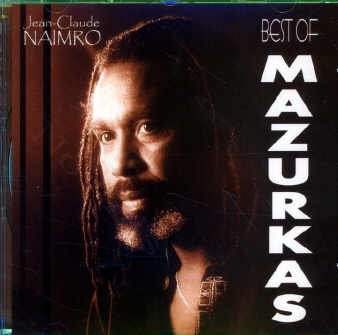
| 1975 | Co-founds the jazz-rock group Mozaïc with Bob Brault (ex-Martin Circus) |
| 1976-1980 | Tours with Michel Fugain, Eddy Mitchell; 3 years with Manu Dibango |
| 1978-1982 | Stay in Los Angeles with Gene Page (arranger for Barry White); accompanies Miriam Makeba |
| 1981 | Joins Kassav’ as official pianist |
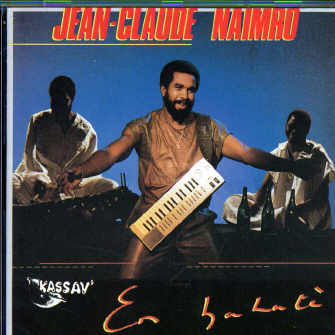
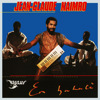
| 1985 | First solo album En Balaté |
| 1993-1994 | World tour with Peter Gabriel; Live ‘86-‘92 (gold record) |
| 1995 | Music for the film Un Indien dans la ville with Manu Katché |
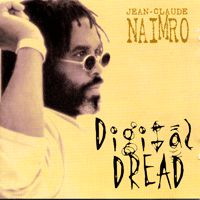
| 1996 | Release of Digital Dread |
| 2020 | Knight of Arts and Letters |
| 2026 | 50 years of career at Cabaret Sauvage and La Cigale, Paris |
From classical piano to zouk: a journey of a passer and a sound craftsman
Born on August 4, 1951, in Saint-Pierre, the historic capital of Martinique, Jean-Claude Naimro grew up in a rich musical environment where the biguine resonated in the streets and the bèlè — traditional Antillean dance accompanied by drums and ravannes — animated the ceremonies. A studious boy learned classical piano from Ms. Danel, then from Mrs. Eda Pierre. This academic training gave him a solid technique and a rare harmonic reading for an Antillean musician of the time. At eighteen, he joined the group les Coconuts of the Alpha brothers; in 1969, he settled in Paris. The musical Hair discovered the great stages and rock energy. He collaborated with figures of international jazz like Nancy Holloway, then met Eddy Constantine. In 1975, Bob Brault integrated him into Mozaïc, a jazz-rock formation. At twenty-two, Naimro already established himself as a sought-after musician: Michel Fugain, Eddy Mitchell (1976), Stone and Charden (1977), then Manu Dibango for three years. In Los Angeles, he worked for nearly a year with Gene Page, the mythical arranger for Barry White. Upon his return: Celine Dion at the Olympia, then Miriam Makeba for two years.
In 1981, his meeting with Jacob Desvarieux marked a decisive turning point. The latter proposed that he join Kassav’, the group he had just founded with Georges Décimus. Naimro became the official pianist and his role went beyond that of a simple keyboardist: he was a composer and arranger. He shaped the harmonic aesthetic of zouk — a genre born at the end of the 1970s that fuses Antillean rhythms (biguine, gwoka) with modern synthesizers — imposing broad pads and a melodic sophistication immediately recognizable. His playing mixes jazz harmonies, classical rigor, and Creole lyricism. He composed and performed duets with Jocelyne Béroard that became emblematic: “Avè’w doudou”, “En Mouvman” and especially “Kolé séré” on the album Siwo (1986), which became an international standard of zouk love.
A good half of the nearly 350 albums Naimro participated in are those of artists from the African continent. His most striking collaboration is with Cameroon: he worked with practically all the major names of makossa — Sam Fan Thomas, Ben Decca, André-Marie Tala, Moni Bile, Dina Bell, Lapiro de Mbanga — and became a member of the famous national makossa team alongside Aladji Touré and Toto Guillaume. “The Cameroonians think I am one of them,” he jokes. This immersion transformed his music: Cameroonian music is based on guitars, with four or six tracks spinning. He had to invent a personal style to exist alongside them, and this way of playing, he transcribed it to Kassav’.
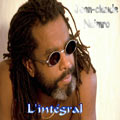
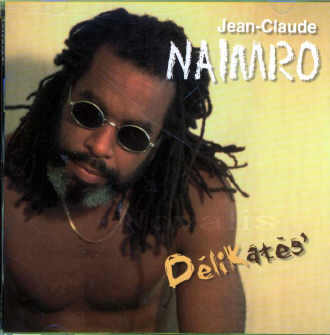
At the beginning of the 1990s, Naimro temporarily left Kassav’ to ensure Peter Gabriel’s world tour and participated in the album Live ‘86-‘92 certified gold record; he also collaborated with Sinéad O’Connor. Back in Paris, he composed the music for the film Un Indien dans la ville (1995) with Manu Katché. His solo discography remains discreet but rich: En Balaté (1985), an intimate blend of electronics and Caribbean groove; Digital Dread (1996), a avant-garde coup de cœur with twelve different voices that he produced without really believing in its success. He had no album, until the day Georges Décimus told him he had to make one. “That is why, after 40 years of career, I have fewer albums than others. I don’t like to put myself too much in the spotlight,” he explains. The album resurfaced in the 2020s thanks to his daughter who pushed him to re-expose his work, with remixes from the new generation. He published Délikatès’ in 2024.
Heritage and Influence
Jean-Claude Naimro is one of the silent architects of zouk. His keyboard work permeates most of Kassav’s classics — Zin, Jack Pot, Iris, Midi partie — while building a unique musical bridge between the Antilles and Africa. He honed his craft on strict Martinican classical foundations, refined in Los Angeles studios, and transformed by years alongside the giants of Cameroonian makossa. His legacy is evident wherever the synthesizer keyboard crosses styles and oceans. In 2026, at seventy-five years old, he still takes the stage and emphasizes: “An artist who does not go on stage or who does not perform live is not an artist.” “It is a real profession,” he concludes.
Sources and References
- Jean-Claude Naimro, Wikipédia FR, https://fr.wikipedia.org/wiki/Jean-Claude_Naimro, accessed November 13, 2026.
- Bertrand Lavaine, Jean-Claude Naimro, fifty years of career between Antilles and Africa, RFI Musique, https://www.rfi.fr/fr/musique/20260219-jean-claude-naimro-cinquante-ans-de-carri%C3%A8re-entre-antilles-et-afrique, accessed November 13, 2026.
- Interview with Jean-Claude Naimro, Jean-Claude Naimro, a discreet icon, Couleur Café, https://couleurcafe.info/jean-claude-naimro-une-icone-discrete/, accessed November 13, 2026.
- Chantal Charles-Alfred, Jean-Claude Naimro (1951), OutreMer Memory, https://outremermemory.com/jean-claude-naimro/, accessed November 13, 2026.
- Craig Harris, Jean-Claude Naimro — Biography, AllMusic, https://www.allmusic.com/artist/jean-claude-naimro-mn0001214452, accessed November 13, 2026.
- Jean-Claude Naimro Discography, Discogs, https://www.discogs.com/artist/591566-Jean-Claude-Naimro, accessed November 13, 2026.
- Kassav’ (Wikipedia EN page), https://en.wikipedia.org/wiki/Kassav', accessed November 13, 2026.
- Jean-Claude Naimro at the Cigale, France TV & Vous, https://www.francetelevisions.fr/et-vous/notre-tele/les-programmes-a-ne-pas-rater/jean-claude-naimro-a-la-cigale-59068, accessed November 13, 2026.