
Biography
Jean-Jacques Gaston
It was enough to listen to one track by the Guadeloupean Jean-Jacques Gaston to understand that zouk, this genre born in the late 1980s in the French Antilles and blending Creole rhythms, European synthesizers, and touches of Afro-American funk, could become music of the highest order. From 1987 to 1990, he made an entire generation vibrate with zouk love — the style of love in zouk, carried by the Antillean scene from the 80s — particularly refined.
In brief
| Full name | Jean-Jacques Gaston (alias J and J) |
| Birth | Not documented in the consulted sources |
| Field | Music — zouk, neo-soul, new beat (Guadeloupe) |
| Signature works | Jessika, Mister J, Itinéraire (EP) |
| Awards | No major award documented in the consulted sources |
Key dates
| Year | Event |
|---|---|
| 1982 | Album Koumbit (Disques Debs International) |
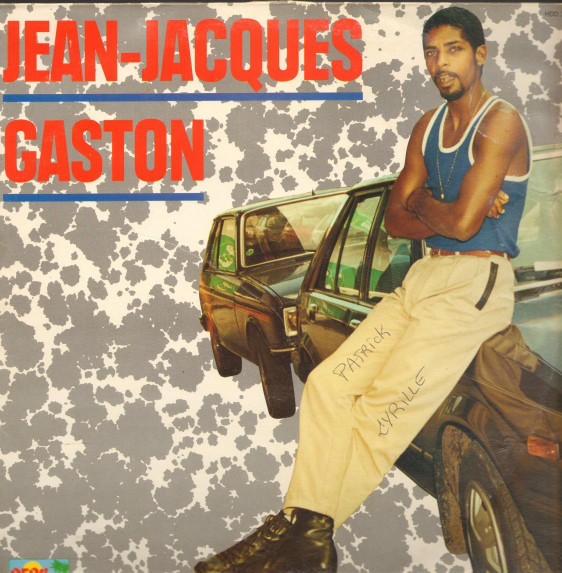
| 1987 | EP Jean-Jacques Gaston (Debs / Liso); pivotal period 1987–1990 cited by Sonodisc |
| 1988 | Album Jean-Jacques Gaston (Liso Musique Production), sung by Jacques D’Arbaud and Jean-Jacques Gaston |
| 1990 | Jessika, under the alias J and J (Akatoto) — vocals by Bruno Cornely and José Caraibe |
| 1992 | Mister J (Sonodisc) — vocals by Bruno Cornely, Patricio Piper and Steeve Marty |
| 1998–2003 | Appearances on Strictly Zouk Vol.2 (1998) and Les tubes du zouk vol.1 (2003, Debs International) |
| 2016 | EP Itinéraire (JDD), three tracks in collaboration with Jacques D’Arbaud, Patrice Coyo and Jean-Michel Rotin |
A discreet pioneer of Guadeloupean zouk
Jean-Jacques Gaston emerged on the Antillean scene at the dawn of the 1990s, alongside producers and guitarists such as Frédérick Caracas, Jacob Desvarieux or Jean-Michel Rotin. He worked within the lineage of the pioneers of love zouk, this current that translates emotions and nostalgia rather than pure groove energy. His 1987 EP sets the scene: the voice of Jacques D’Arbaud, nicknamed the man with the golden voice, is already present there. The 1988 album Jean-Jacques Gaston — recorded in studio, credited to Liso Musique Production and featuring local teams — illustrates this demand: rock guitar accordion, flashes of salsa piano and light Latin brass without ever losing the fundamental groove.
Jessika and Mister J: consecration
The work that crystallizes his style is Jessika (1990), released under the name J and J with Akatoto. The title track is a balmy and sweaty weave that takes almost a minute to settle before even becoming a piece in itself. The musicians of the project — notably guitarist and bassist, then singer Patrice Piper for Mister J — surround a product conceived as an object of goldsmithery rather than a simple dancehall song. The same year, Mister J (Sonodisc, 1992) goes further in experimentation: the guitarist there knits without a net, producing improbable tracks like the eponymous “Mister J” or “Psycho-Zouk” which hesitates between new beat and zouk. AllMusic notes that Gaston remains one of the major names in love zouk, his recordings being « greatly enlivened by his (or his arrangers’) Catholic taste ».
Itinéraire: the discreet return in 2016
Twenty-five years later, Itinéraire — a three-track EP released in 2016 with JDD — was the last official release documented. Jacques D’Arbaud sings on “Stanley”, Patrice Coyo on “On Momen Love” and Jean-Michel Rotin on “Marijan”, a song that blends zouk and new jack with touches of neo-soul. Loïc Ponceau sees in it proof of « love zouk at its paroxysm, an emo-zouk for which Patrick Saint Eloi is among the chanters ». The approach remains confidential, but it confirms that Jean-Jacques Gaston remains one of the discreet and inventive authors of the Antillean scene — a zoukeur that Musique Journal describes as « very inventive zoukeur of his state unfortunately somewhat remained in the shadows ».
Major works
| Work | Year | Why it is essential |
|---|---|---|
| Jean-Jacques Gaston (EP) | 1987 | Starting point of the journey: Jacques D’Arbaud’s golden voice sets the tone |
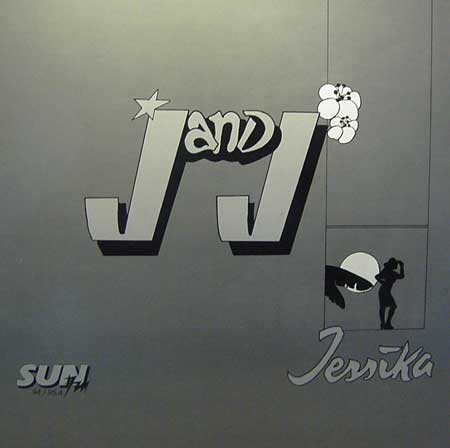
| Jessika (J and J) | 1990 | Manifesto of ornamental zouk: sweaty weaves and jazzed syntheses |
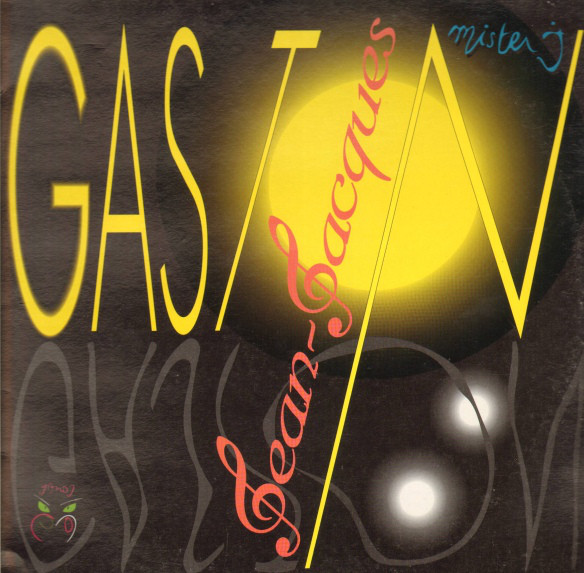
| Mister J | 1992 | Maximum experimentation: guitarists and arrangements without a net, improbable sounds |
| Itinéraire (EP) | 2016 | The return: three different voices on a collaborative EP, emo zouk and neo-soul |
Legacy and influence
Jean-Jacques Gaston is not a major figure of global pop culture, but he occupies a singular place in the history of Antillean zouk: that of a producer and composer who managed to give this genre — born in the 80s in the French Antilles — a lyrical and synthetic dimension. His work influenced producers of the following generation (notably via his collaborations with Frédérick Caracas and Jean-Michel Rotin), and his 2016 EP Itinéraire shows that he remains an active voice in the lineage. The compilations Les tubes du zouk vol.1 (2003) and Strictly Zouk Vol.2 (1998) gave him wider resonance among lovers of nostalgic zouk.
Sources and references
-
Loïc Ponceau, « Le sophisti-zouk et les preuves de son existence, données par Jean-Jacques Gaston », Musique Journal, June 19, 2025. https://musique-journal.fr/2025/06/19/le-sophisti-zouk-et-les-preuves-de-son-existence-donnees-par-jean-jacques-gaston
-
Loïc Ponceau, « Ce que sampler veut dire : zouk uchronie (2) », Musique Journal, May 29, 2025. https://musique-journal.fr/2025/05/29/ce-que-sampler-veut-dire-zouk-uchronie-2
-
Karakos Productions – Sonodisc, artist page Jean-Jacques Gaston (reissue label). https://karakosproductions.com/sonodisc/artist/jean-jacques-gaston/en
-
AllMusic, « Abee — Jean-Jacques Gaston » (album review). https://allmusic.com/album/abee-mw0001882837
-
Discogs, « Jean-Jacques Gaston – Mister J » (credits and tracklist). https://www.discogs.com/release/1683636-Jean-Jacques-Gaston-Mister-J
-
Bibliothèque nationale de France, notice « Les tubes du zouk. Vol. 1 » / JJ Gaston. https://catalogue.bnf.fr/ark:/12148/cb38991001g