Biography
Jocelyn Deloumeaux
In Paris, whether in a packed hall in Batignolles or on the Reggae Sunsplash podiums, Jocelyn Deloumeaux seizes the microphone and the audience transforms. A sinuous zouk rhythm, a warm voice that glides from French to Guadeloupean Creole, and this chorus that seems written for every couple of the night. “JDX” — as he is called on playlists — has dedicated his life to this simple idea: to make people dance with the heart.
In Brief
| Full Name | Jocelyn Deloumeaux |
| Birth | May 6 — Guadeloupe (year unpublished) |
| Genre | Zouk, zouk love |
| Stage Name | JDX |
| Signature Works | “Tchè soudé”, Tendres Accords, “Dériv”, “Avec Toi” |
| Main Label | Section Zouk Records |
Key Dates
| Year | Event |
|---|---|
| 1980s-90s | Early beginnings in singing competitions in the Antilles |
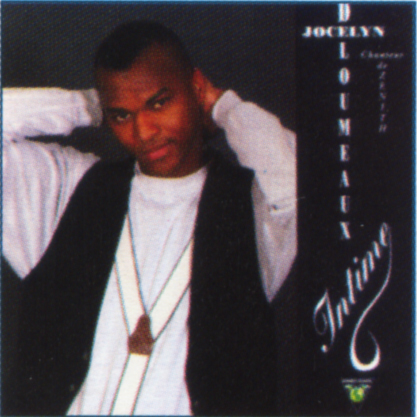
| 1994-1998 | Revelation with the group Zénit’ and “Tchè soudé” |
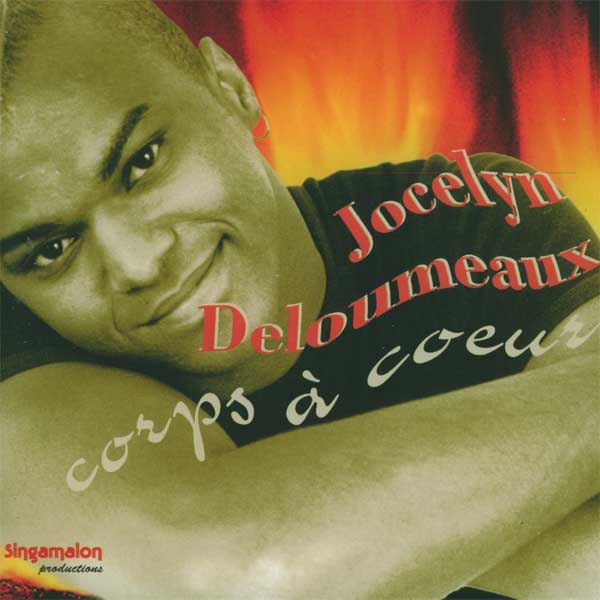
| 1996 | First solo album, Corps À Coeur, with Singamalon Productions |
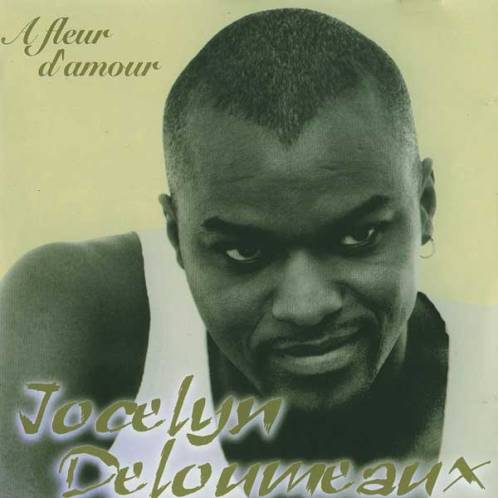
| 1999 | À fleur d’amour, with Section Zouk Records: affirmation as songwriter-composer |
| 2000 | Regal Zouk in duo with Hermann Fleret |
| 2003 | Tendres Accords: hit “Dériv”, collaborations with Kaysha and Princess Lover |
| 2007 | Le Temps d’un Rêve, last studio album of the first era |
| 2017-2026 | Return to streaming platforms, concerts in Paris |
Origins, Revelation and Career: From a Small Singing Contest to Parisian Stages
Jocelyn Deloumeaux grew up in Guadeloupe, amidst the Creole rhythms that cross the streets of Petit-Bourg and the bars in Pointe-à-Pitre. Very young, he threw himself into local singing competitions — these popular stepping stones in the Antilles where young talents learn to tame a microphone before an amateur audience. His entry into the professional world came through the group Zénit’, a zouk formation active in the mid-1990s. Deloumeaux was its main songwriter-composer, and it is he who wrote “Tchè soudé”, a piece that would mark an entire generation. The title, with its driving rhythm and sensual lyrics in Creole, became a classic of zouk melodie — this romantic style born at the end of the 1980s that prefers soft melodies to aggressive beats.
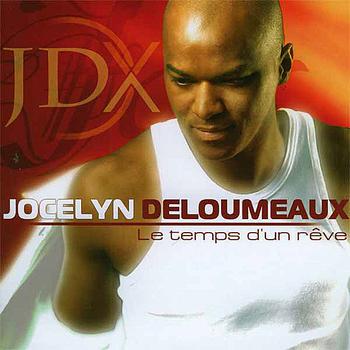
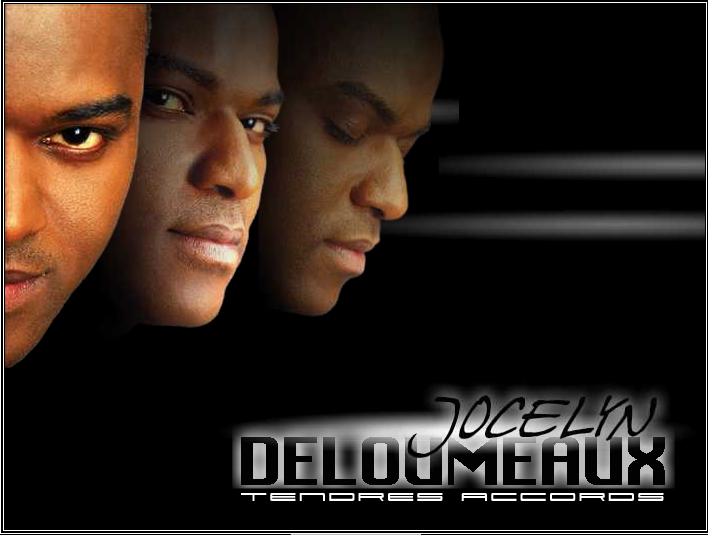
In 1996, he took the step toward a solo career with Corps À Coeur, released by Singamalon Productions. The album, discreet but marked by assured writing, laid the foundations for a style where zouk serves as a base for sincere love songs. Section Zouk Records, a house specialized in the genre, subsequently signed the two major discs of his first period: À fleur d’amour (1999) and Tendres Accords (2003), both largely self-produced. On À fleur d’amour, Deloumeaux assumed the role of producer; it is also here that his first Creole tracks appear, “An nou navigué” and “Mwen pati”. Tendres Accords is without a doubt the masterpiece of this era: “Dériv” — his most widely distributed title — establishes itself as a hymn of Antillean romance. With Le Temps d’un Rêve in 2007, Deloumeaux closed a prolific period. The album aims to be more intimate — the tracks “On Manman” and “Un Pas de +” testify to an artist in full maturation.
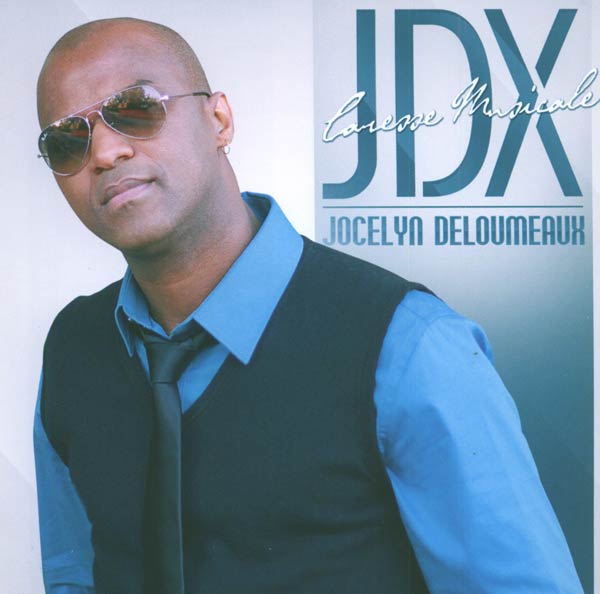
After 2010, silence settled in. No new album, no interviews: Deloumeaux gradually withdrew from the front of the stage. But he never ceased to exist. On stage, he remains one of the most sought-after hosts of zouk nights in Île-de-France. It is this persistence in the clubs that allows him to survive the collapse of the physical zouk market in the 2010s. Starting from 2017, he returned to streaming platforms with a series of singles and the album Tout Jdx, signed under his nickname — the one that younger generations recognize. “Mes rêves”, “Konté si mwen” and “Passion” reactivated this fund of Creole romance that makes his mark. In 2026, he released “Yenki vou é mwen” again, confirming that his pen has never ceased to produce.
Major Works
| Work | Year | Why It Is Essential |
|---|---|---|
| Corps À Coeur | 1996 | First solo album: foundation of a style between romance and Creole rhythms |
| “Tchè soudé” (with Zénit') | ~1994-1998 | Revealing hit, Creole signature in zouk melodie |
| À fleur d’amour | 1999 | First self-produced album: affirmation of the songwriter-composer-performer |
| Tendres Accords | 2003 | Masterpiece: “Dériv” and collaborations with Kaysha, Princess Lover |
| Le Temps d’un Rêve | 2007 | Last album of the first era, more intimate and mature tone |
Legacy and Influence
Jocelyn Deloumeaux never sought public fame: his legacy lives in every zouk night where a DJ plays “Dériv” or “Avec Toi”, in every couple dancing with their eyes closed. He is part of those Creole artists whose career was never measured in sales, but in nights spent on dance floors — from the Salle Jacques Brel in Belleville to dances in Guadeloupe and Parisian festivals. The zouk love he embodies, this style where romance prevails over the beat, remains an indispensable pillar of French Antillean nights. By blending French and Creole, he opened a furrow followed by many singers of the “zoukance” current who punctuate contemporary stages.
Sources and References
- Discogs — Complete discography of Jocelyn Deloumeaux, https://www.discogs.com/artist/2952889-Jocelyn-Deloumeaux, accessed November 4, 2026.
- AllMusic — Jocelyn Deloumeaux (biography and discography), https://www.allmusic.com/artist/jocelyn-deloumeaux-mn0001639814, accessed November 4, 2026.
- Shazam — Artist profile Jocelyn Deloumeaux (top songs, streaming), https://www.shazam.com/en-us/artist/jocelyn-deloumeaux/167702188, accessed November 4, 2026.
- Music of Our Desire — Concerts and tour dates 2025-26 in Paris, https://events.musicofourdesire.com/artist/jocelyn-deloumeaux, accessed November 4, 2026.
- YouTube — ZENIT’ « Tchè soudé » (official video), https://www.youtube.com/watch?v=s9CKTQBV5zk, accessed on 4 November 2026.
- Spotify — Discography « Caresse musicale » and « Tout Jdx », https://open.spotify.com/intl-fr/artist/jocelyn-deloumeaux, accessed on 4 November 2026.
- TikTok — « Do you know Jocelyn Deloumeaux? » (community portrait), https://www.tiktok.com/@creolevibes6/video/7556566052721757462, accessed on 4 November 2026.