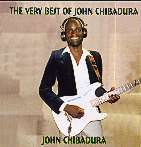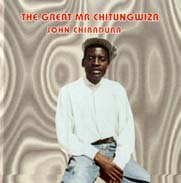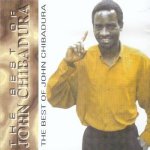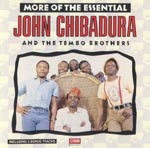
Biography
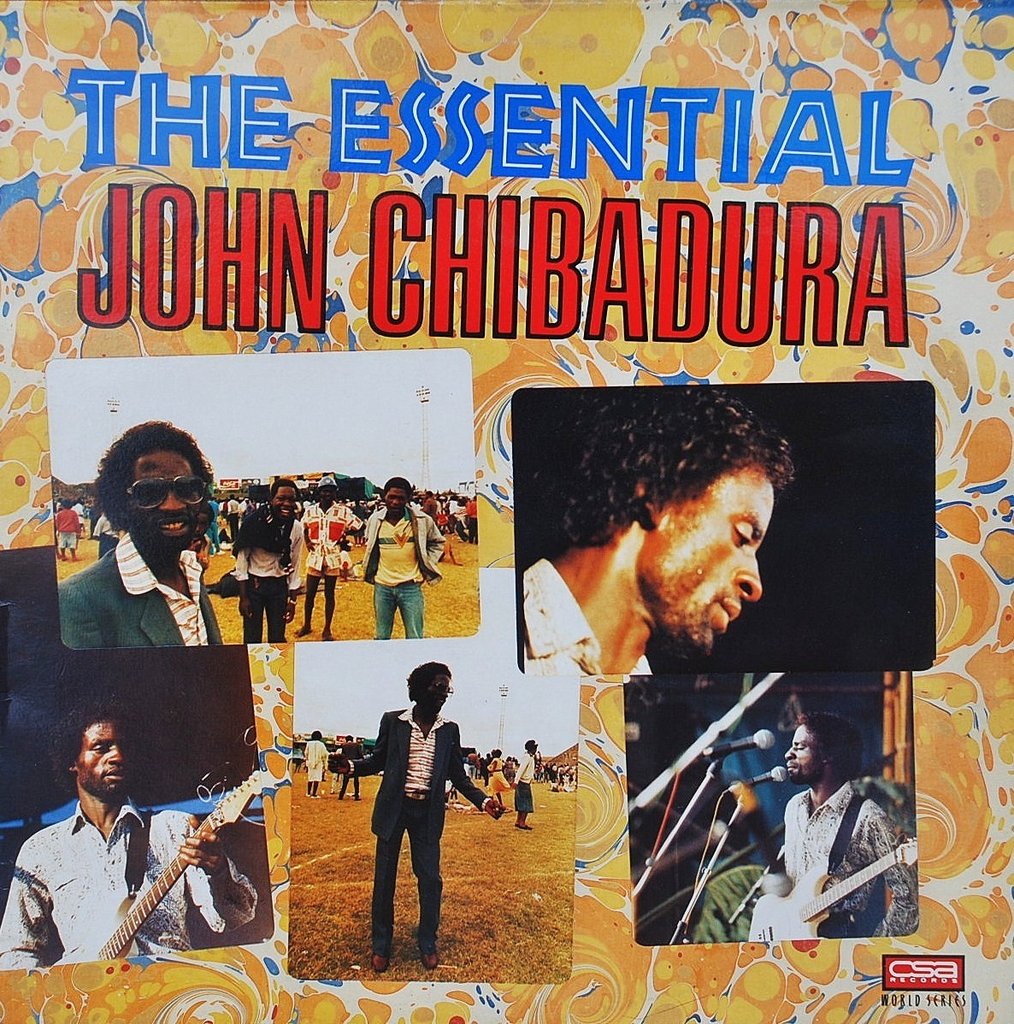
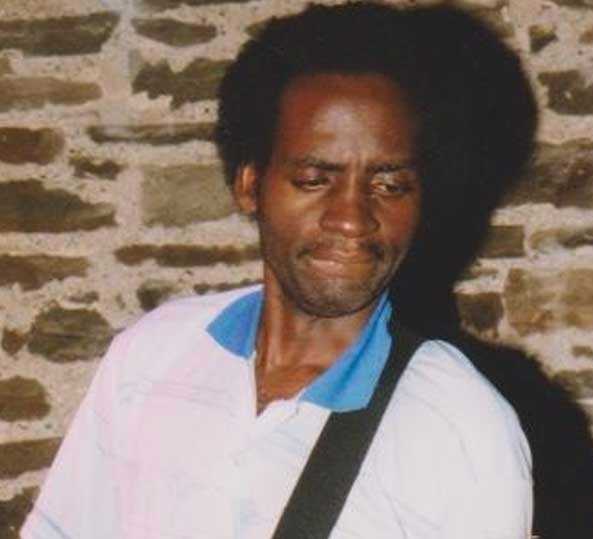
John Chibadura
In August 1999, in Harare, a man dies alone and in debt in a city he made vibrate. No one organizes the funeral; two years later, collectors pay for a tombstone for Mr Chitungwiza. A goat herder who became the voice of Zimbabwean unrest.
In brief
| Full name | John Nyamukokoko, known as “Chibadura” (the banjo drummer) |
| Nickname | Mr Chitungwiza |
| Birth | 17 February 1957, Bindura District (Southern Rhodesia) |
| Death | 4 August 1999 (at 42), Harare, Zimbabwe |
| Genre | sungura, Congolese rumba, museve, reggae |
| Instruments | Guitar (banjo), vocals |
| Notable works | “Zuva Rekufa Kwangu”, “$5 000 Kuroora”, “Nhamo Yatakawona” |
| Awards | ZMC Gold Disc (1985, 1986, 1987) |
Key dates
| Year | Event |
|---|---|
| 1957 | Birth in Bindura District, son of Mozambican agricultural workers |
| 1962 | Death of his mother; placed with his mbira-playing grandfather |
| 1968 | Start of banjo at Centenary (Zimbabwean artisanal guitar) |
| 1980 | Move to Harare; joins Ephraim Joe’s Sungura Boys |
| 1984 | First album, John and The Sungura Boys (Gramma Records) |
| 1985-1987 | Three consecutive ZMC Gold Discs, creation of The Tembo Brothers |
| 1988 | Release of “Zuva Rekufa Kwangu”, a generational anthem |
| 1988-1989 | First tours in the United Kingdom and Mozambique (40,000 spectators) |
| 1996-1999 | Financial decline, illness, and death; modest funeral |
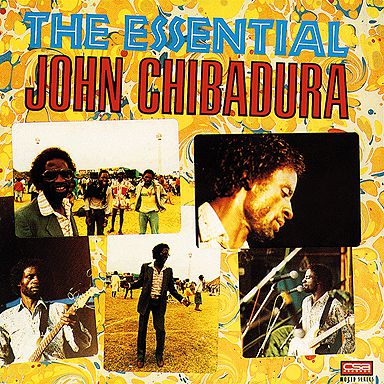
| 2004 | Posthumous compilation The Greatest Reggae Hits |
A goat herder who became the voice of Zimbabwean unrest
Born John Nyamukokoko on 17 February 1957 in Bindura, then in Southern Rhodesia, John is the son of migrant Mozambican agricultural workers. His mother dies in 1962 when he is five years old; he is placed with his grandfather, a mbira player. “Chibadura” — the banjo drummer — becomes his nickname because he played so well that the elders baptized him with it.
Young, he grazed goats in Darwendale and worked as a truck driver. In Harare in 1980, he discovered the local music scene, fascinated by Tinei Chikupo at the Mverechena Night Club and then by Oliver Mtukudzi.
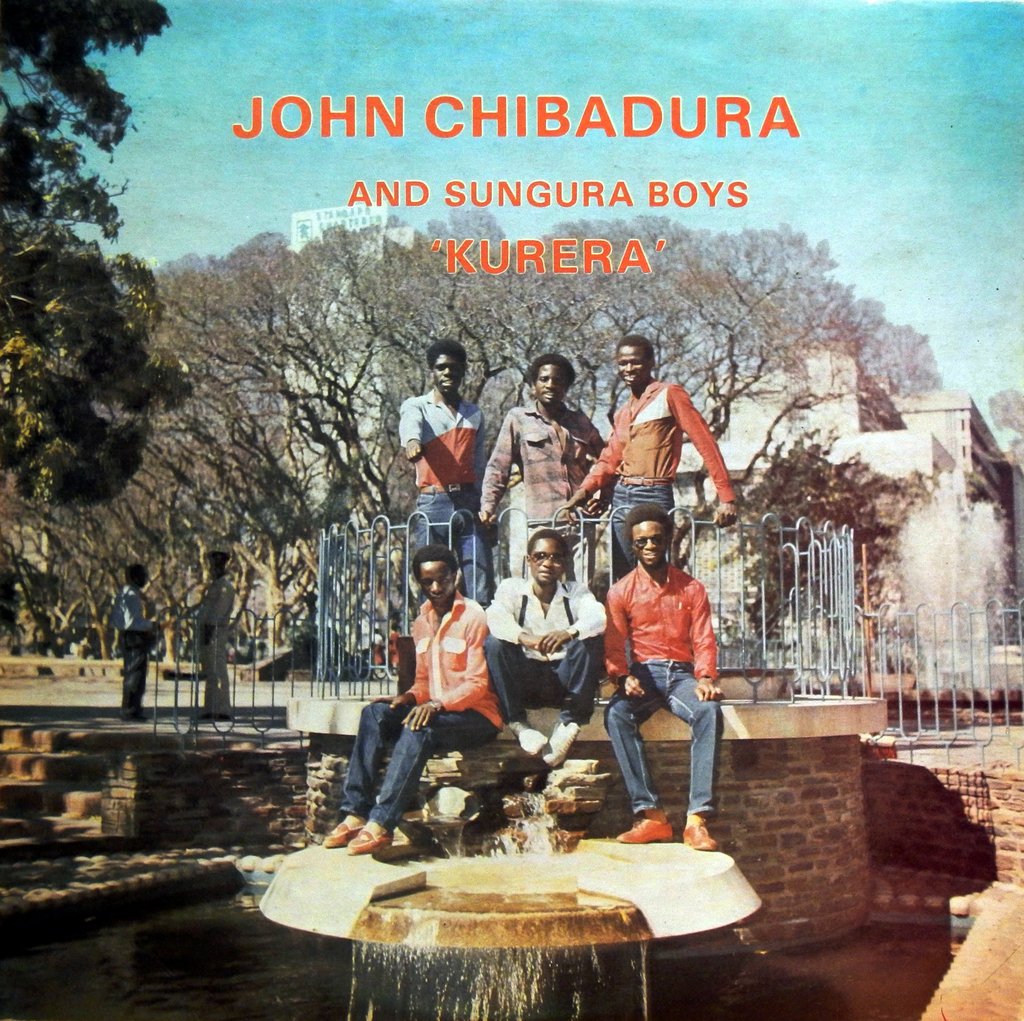
In 1980, John joined Ephraim Joe’s Sungura Boys as leader. The Sungura Boys “are generally considered the first institution of sungura” which formed future stars. John and The Sungura Boys (1984, Gramma Records) revealed him to the public.
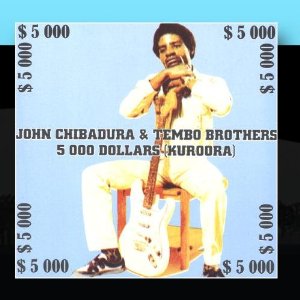
The following year, he founded The Tembo Brothers with Ronnie Gatakata and Bata Sintirawo. In four years, John stringed together Gold Discs: Mudzimu Wangu (1985), $5 000 Kuroora (1986, on exorbitant dowries), Sara Ugarike (1987).
Rumba, destiny, and debt — consecration then fall
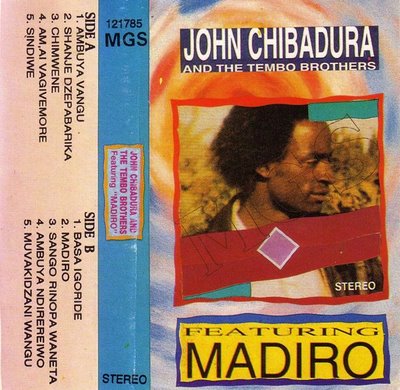
With The Tembo Brothers, Chibadura explores an unexpected mix. The sungura — the fast groove born in Harare in the 1960s, a mix of Congolese rumba and Shona rhythms — forms its base. He also adds Congolese rumba, traditional Shona music (drums and mbira on “Baya WaBaya” and “Nhamo Yatakawona”), museve (Shona ceremonial), and even reggae.
In 1988, “Zuva Rekufa Kwangu” explodes. The track, both reggae and sungura, poses a question no one dares to speak: “My God, I want to know the day of my death.” The entire nation sings this title. His tour in Mozambique attracts 40,000 spectators and The Tembo Brothers meet President Joaquim Chissano.
But international success becomes his financial poison. After the Mozambican tour, John goes into debt with a truck rental company. Landmine Madongonda, close to his family, recounts: “Chibadura sank into depression. The truck owner seized his belongings and his house, leaving him only the shelter of his bedroom.”
In the 1990s, Chibadura sinks into isolation and illness. On 4 August 1999, he passes away at 42. Members of his group disappear — Charles (bass), Bata Sintirawo (rhythm guitar). His son abandons music.
Major works
| Work | Year | Why it is essential |
|---|---|---|
| Mudzimu Wangu (album) | 1985 | First ZMC Gold Disc; asserts the sungura-rumba style |
| “$5 000 Kuroora” (album) | 1986 | Second Gold Disc; biting critique of exorbitant dowries |
| Sara Ugarike (album) | 1987 | Third Gold Disc; popular anthem |
| “Zuva Rekufa Kwangu” (track) | 1988 | Generational anthem; the question of destiny sung by an entire nation |
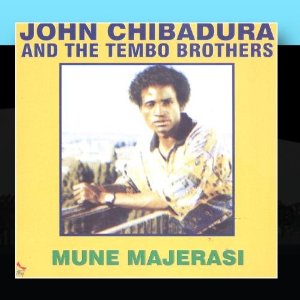
| Mune Majerasi (album) | 1990 | Last noted album, witness to the artist’s financial troubles |
Legacy and influence
Recognized as one of the founding figures of sungura, a genre that defined the Zimbabwean urban sound of the 1980s, John Chibadura is rediscovered thanks to reissues and the documentary Sungura: The Story of John Chibadura and Zimbabwean Music (Tuck Magazine). His sons, one of whom sings “Zuva Rekufa Kwangu” on banjo in Chiweshe, perpetuate his music. Musicologist Moses Chikowero notes that his work embodies the contradictions of a music industry incapable of protecting its talents. Chibadura’s music, with its unfiltered distress, remains the most authentic expression of the unrest of his time.
Sources and references
- “John Chibadura”, Wikipedia, https://en.wikipedia.org/wiki/John_Chibadura, accessed 3 November 2026.
- Steve Huey, “John Chibadura — Biography”, AllMusic, https://www.allmusic.com/artist/john-chibadura-mn0000175405, accessed 3 November 2026.
- “What happened to Chibadura’s songs?”, The Herald, https://www.heraldonline.co.zw/what-happened-to-chibaduras-songs, accessed 3 November 2026.
- Constance van Niekerk, “Sungura: The Story of John Chibadura and Zimbabwean Music”, Tuck Magazine, https://tuckmagazine.com/2017/06/28/sungura-story-john-chibadura-zimbabwean-music/, accessed 3 November 2026.
- Moses Chikowero (2007), « The state and music policy in post-colonial Zimbabwe, 1980–2000 », Muziki, vol. 4, n°1, Routledge, doi: 10.1080/18125980701754637.
- The Best Of John Chibadura, Zimbabwe Music Corporation, 1986 (compilation).
- Reggae Hits, posthumous compilation, 2004.