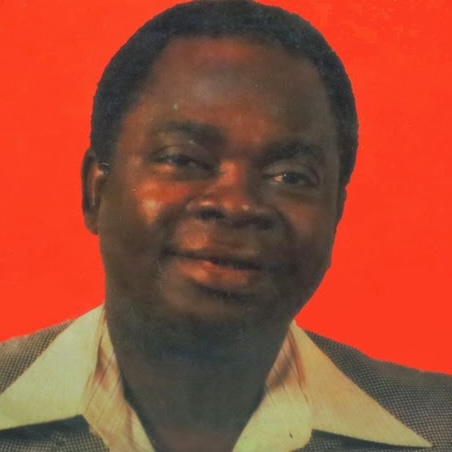
Biography
Johnny Bokelo: The Guitarist Who Challenged Franco
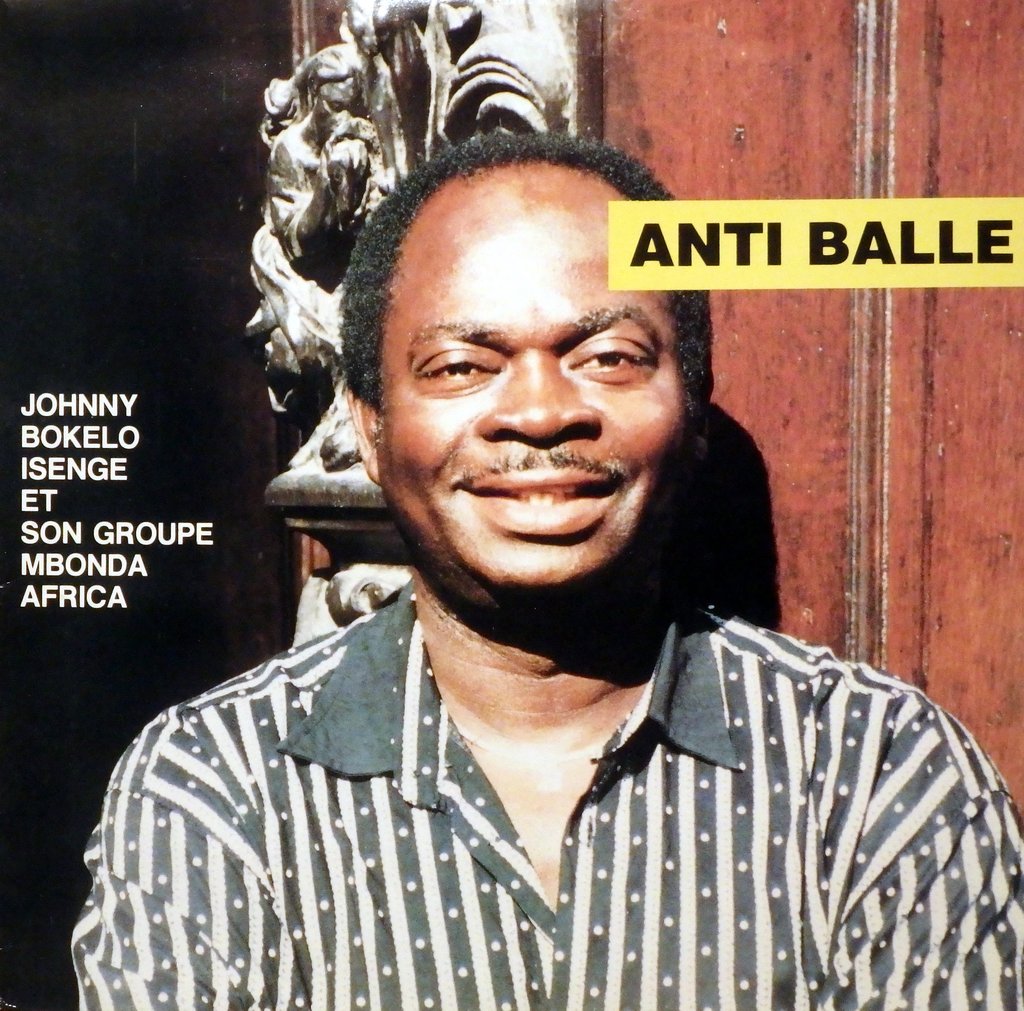
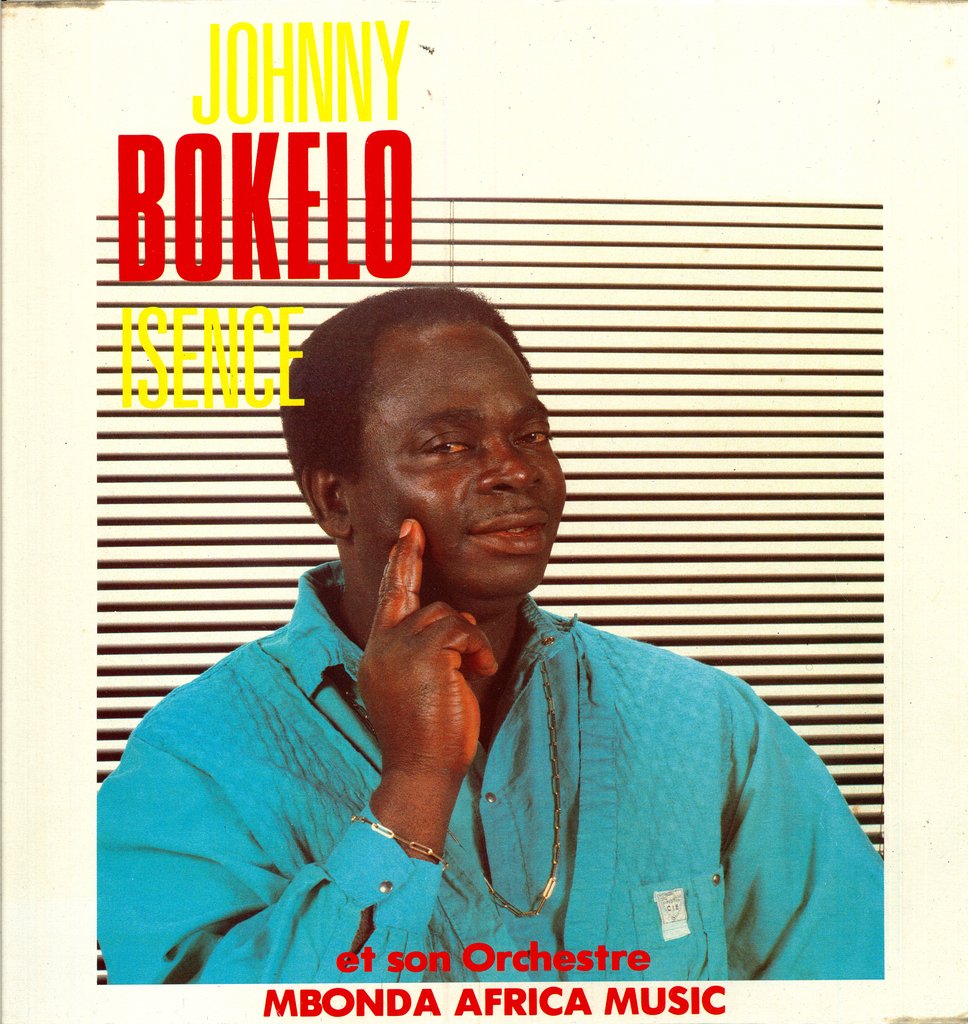
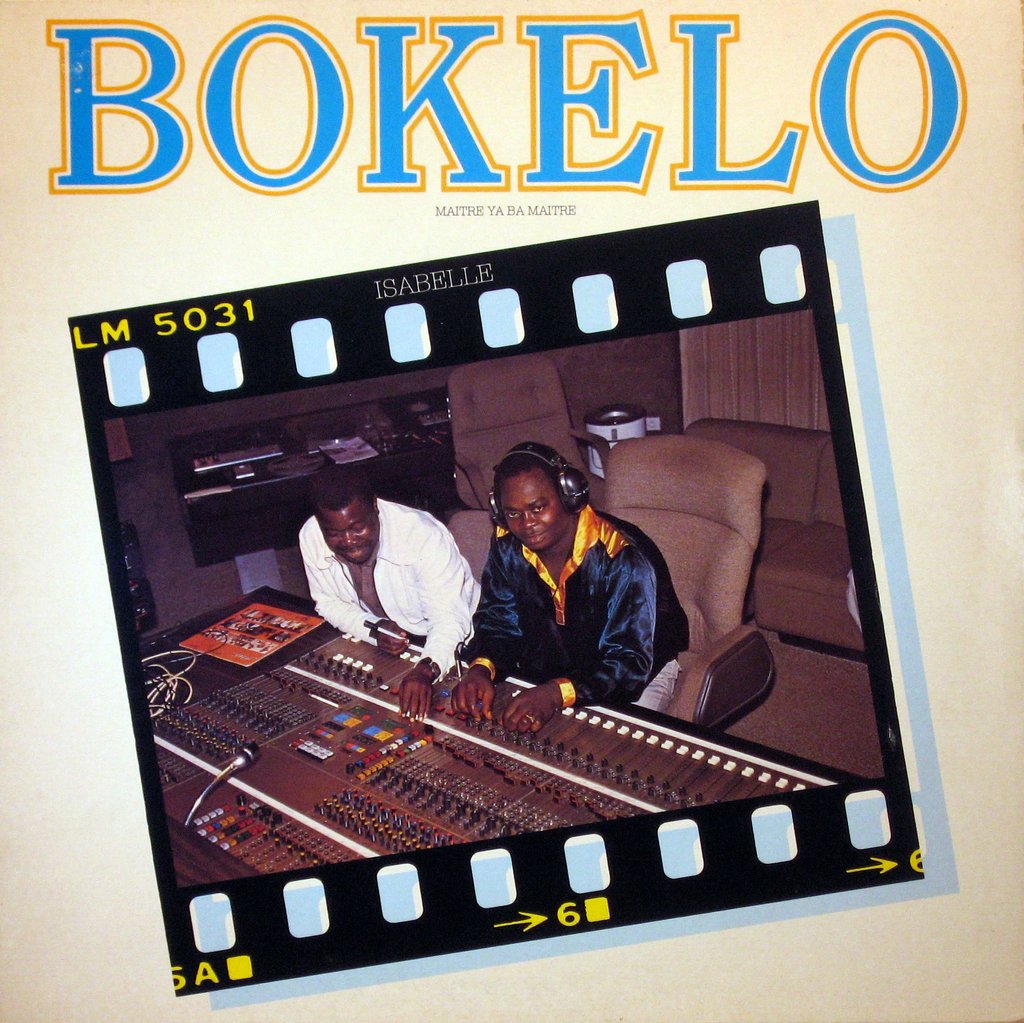
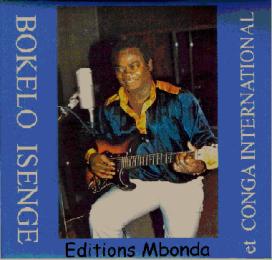
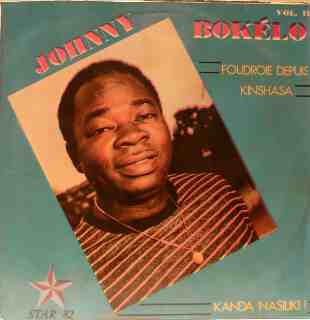
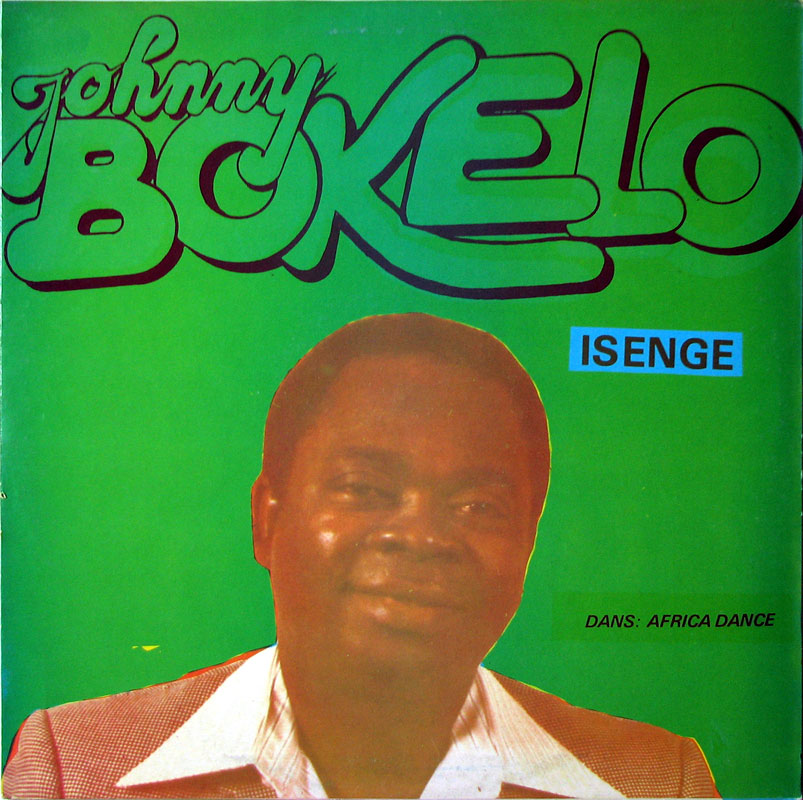
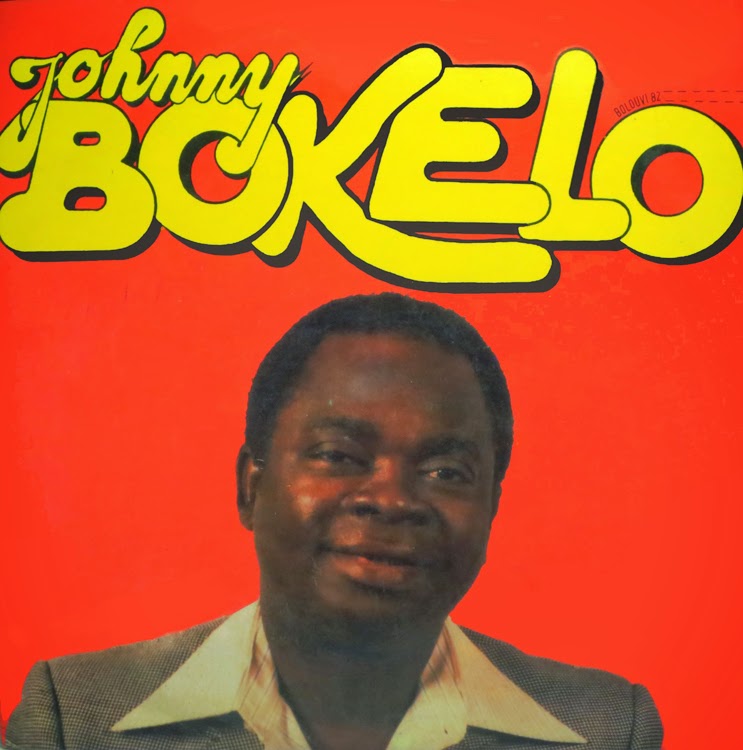
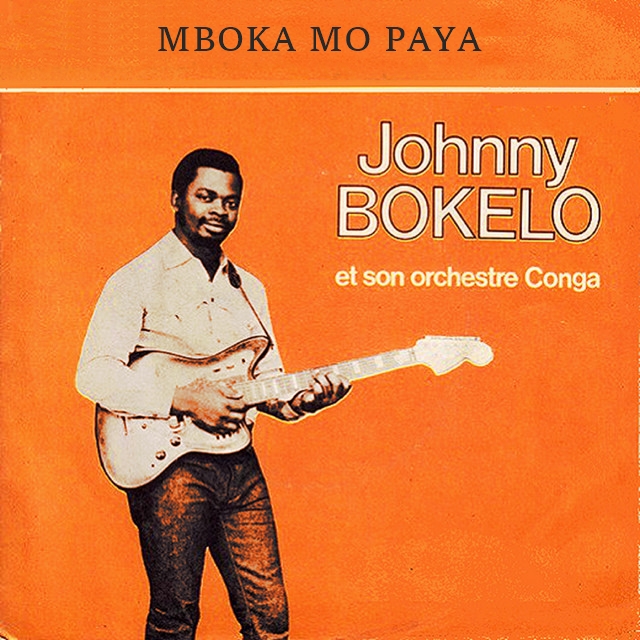
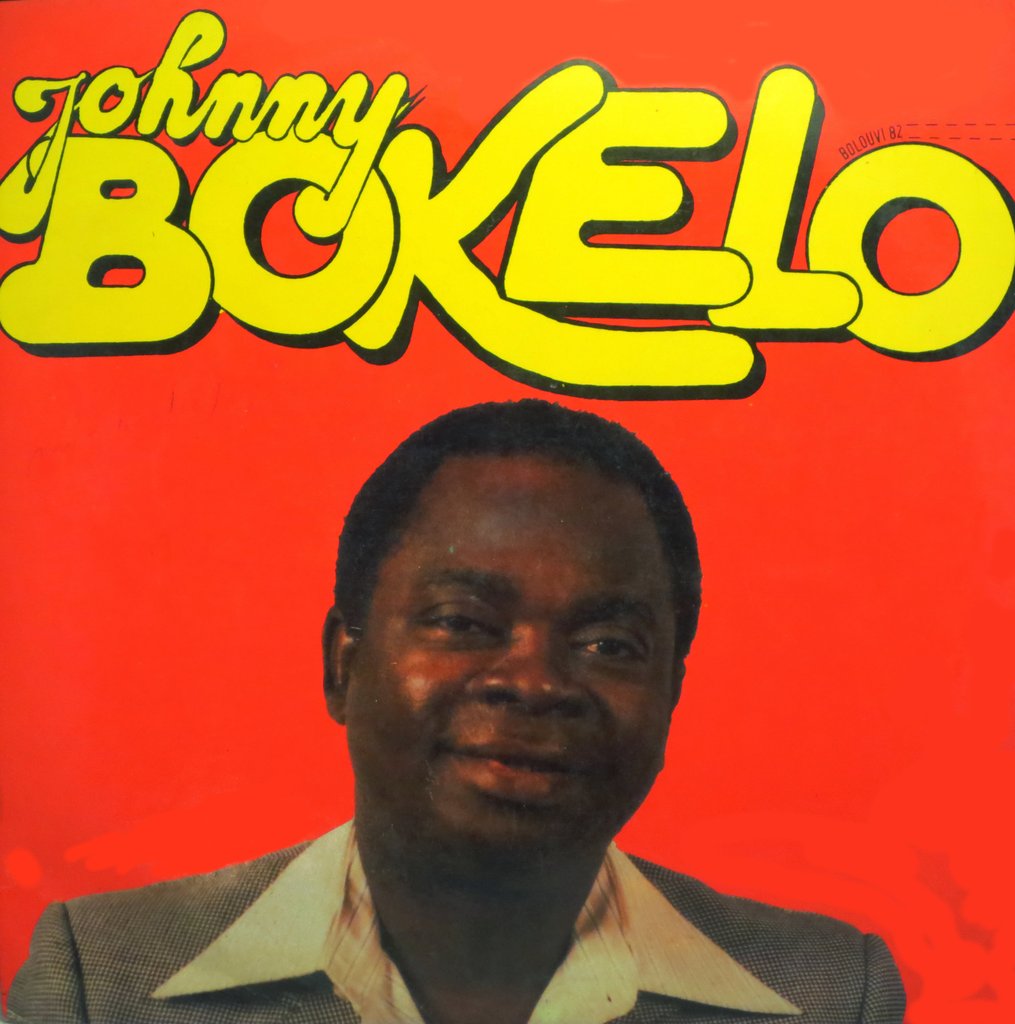
In the mid-1960s, in Kinshasa, two guitars dialogued on the same streets: Franco’s, star of OK Jazz, and Johnny Bokelo’s, who had just founded Orchestre Conga Succès. Their styles, forged in the same mold—Dewayon’s, their older brother’s—constantly reflected one another. Bokelo often positioned himself as the spiritual elder of Congolese rumba, a musician with a fast style and tight arrangements whose music warranted constant comparison to that of his rival. Jean “Johnny” Bokelo Isenge, 1939-1995.
In Brief
| Full Name | Jean Bokelo Isenge |
| Birth | 1939, Boyamba, Bandundu Province, Belgian Congo |
| Death | January 15, 1995, Kinshasa, Zaire |
| Field | Congolese rumba, soukous; guitarist, singer, bandleader |
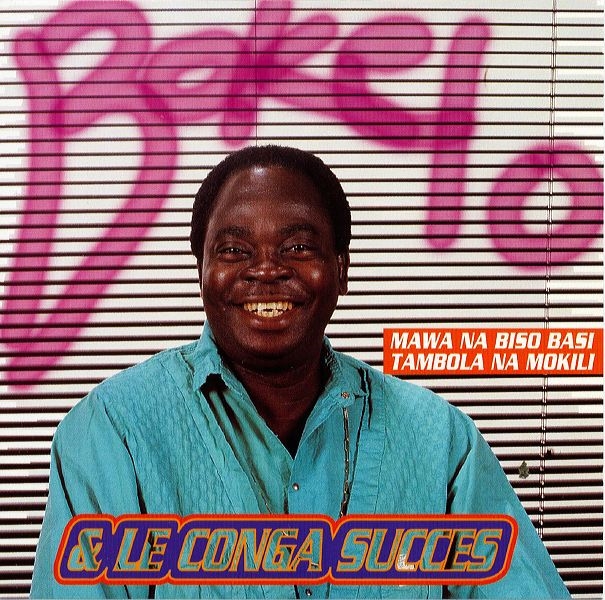
| Notable Works | Tambola na Mokili, Mwambe, Super Sandoka, Tout Ça c’est la vie |
| Awards | No major documented distinctions |
Key Dates
| Year | Event |
|---|---|
| 1939 | Birth in Boyamba, Belgian Congo |
| 1950 | Debut at age 12 in his brother Dewayon’s group Watam, alongside young Franco |
| 1958 | Founding of Orchestre Conga Succès |
| 1960 | Integration of José Lohota and Don Pierrot |
| 1962 | Friendly separation from Dewayon; Bokelo retains leadership |
| 1964 | Peak of Conga Succès in Kinshasa |
| 1968 | Renaming to “Conga 68” and creation of the label Éditions Landa Bango |
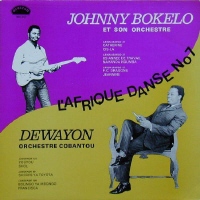
| 1969 | Participation in L’Afrique Danse n° 1 (with Franco) and n° 7 (as leader) |
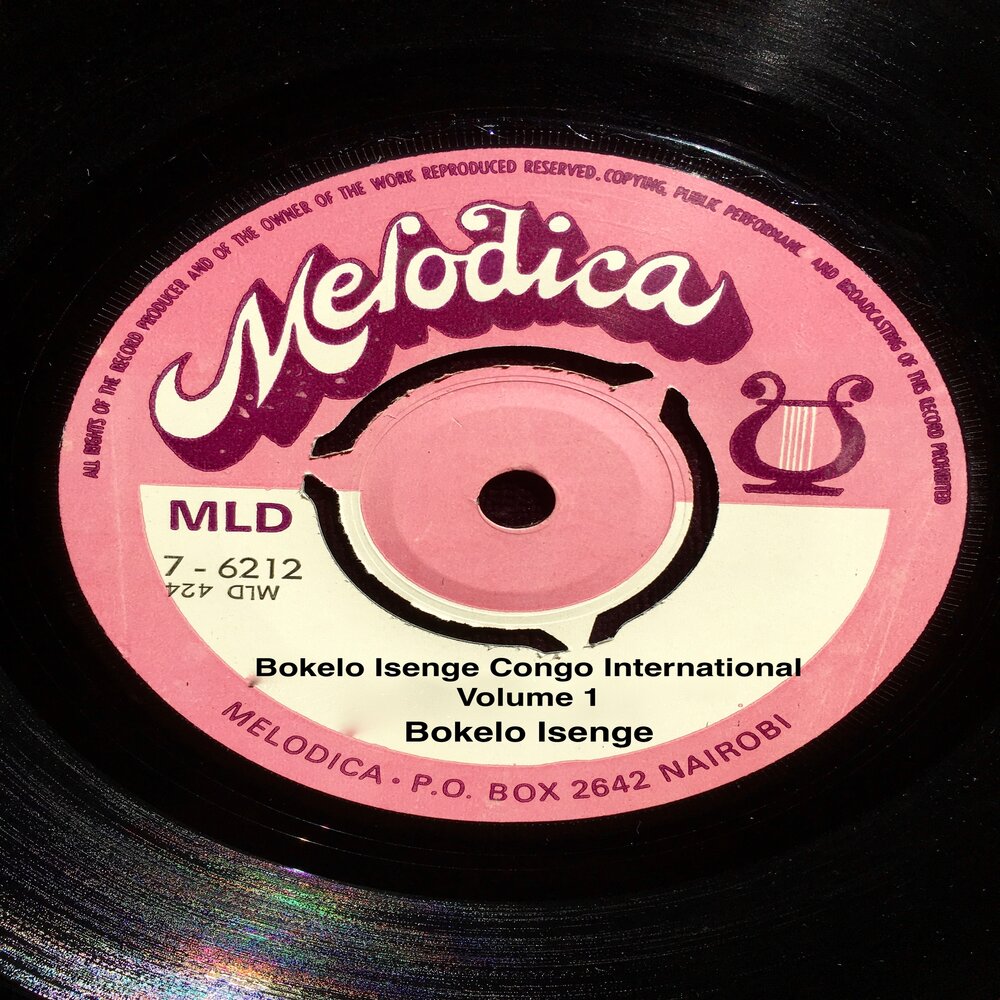
| 1970s | Recording studio and production in Nairobi to bypass Zairian presses |
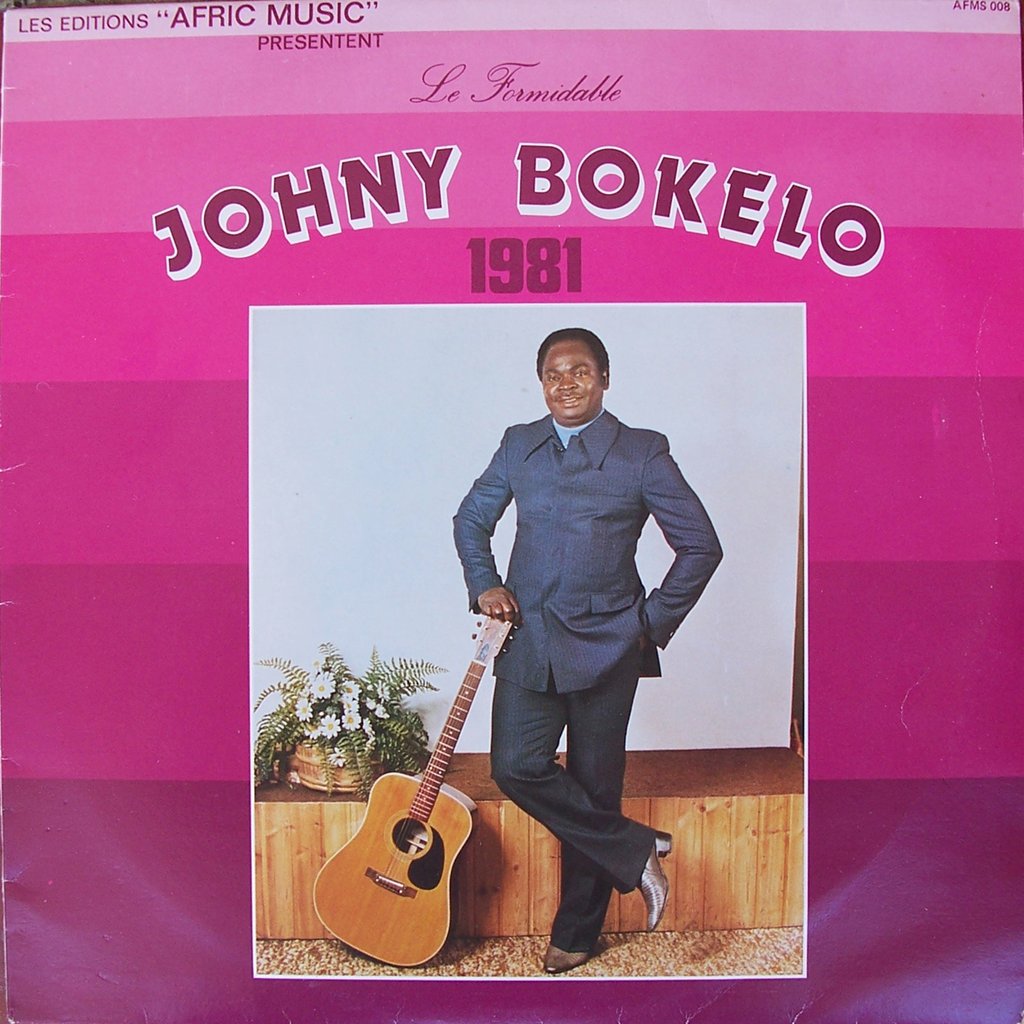
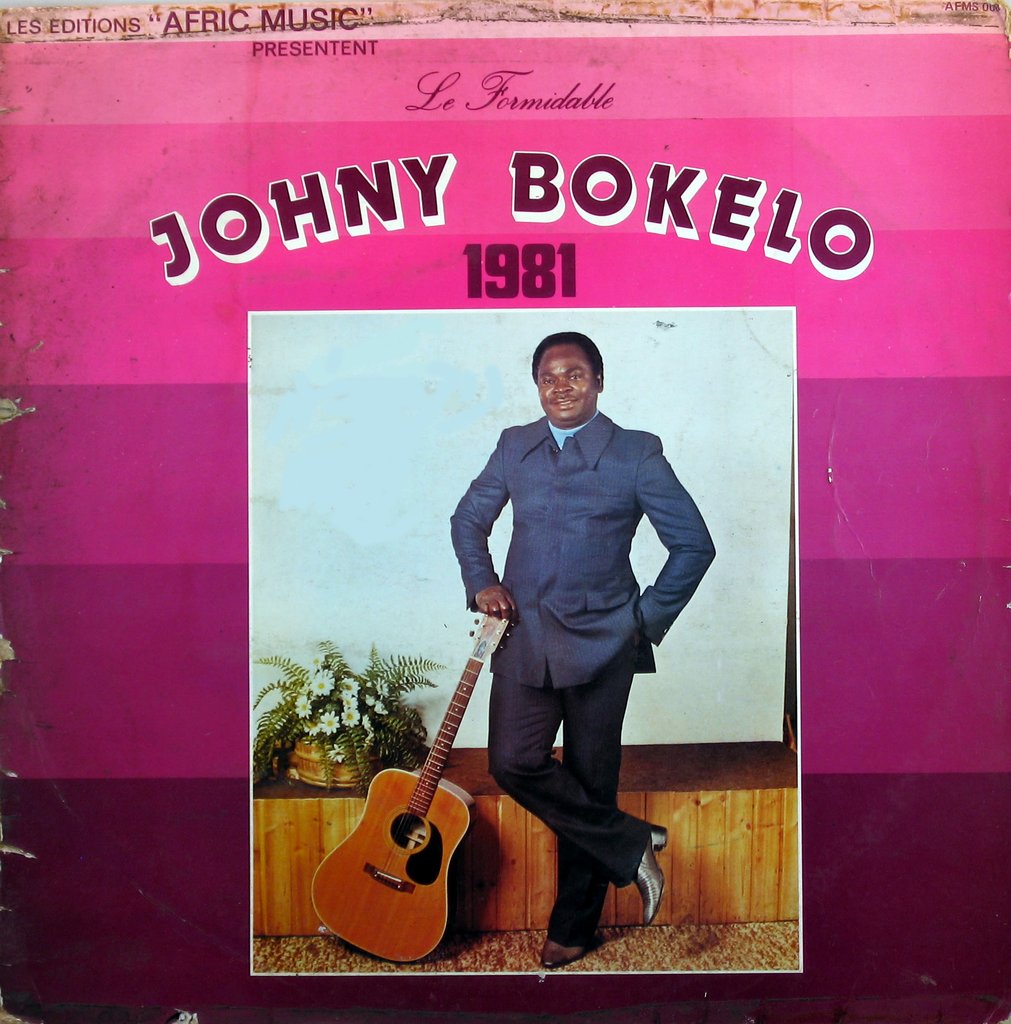
| 1981-1982 | Major albums: Au revoir 81, Tout Ça c’est la vie, Sakina |
| 1995 | Death on January 15 in Kinshasa |
From Watam Strings to Sharp Arrangements
Bokelo came from a deeply musical family. His brother, Paul “Dewayon” Ebengo, guitarist and arranger, recruited an adolescent named Franco Luambo into the group Watam in 1950. Johnny, the younger brother, shared this initiation. Graeme Ewens notes in Congo Colossus that Bokelo and Franco had learned from the same master, resulting in very similar styles[^3]. After a few years in Dewayon’s formations, Conga Jazz and Orchestre Cobantou, Johnny founded in 1958 Orchestre Conga Succès[^3]. The group, which soon included José Lohota and Don Pierrot, developed a harder, more raucous sound focused on precise guitar playing and rapid arrangements[^4]. The separation from Dewayon in 1962 did not break musical ties: several of Bokelo’s compositions strangely imitated Franco’s style, and he often covered his themes[^6].
Studio, Label, and Social Consciousness
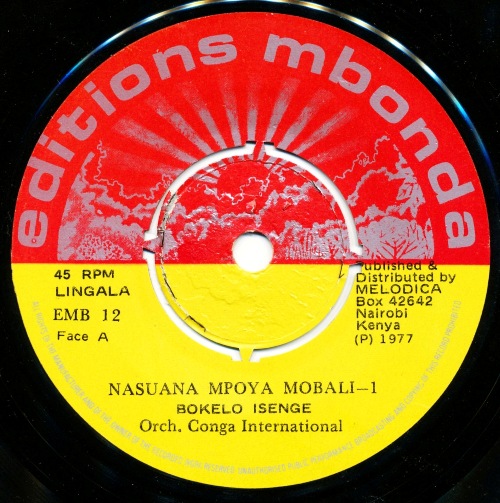
In 1968, Bokelo renamed his orchestra “Conga 68” and founded Éditions Landa Bango[^6]. A rare move toward autonomy in the Zairian musical landscape. In the early 1970s, he dedicated his time to directing his studio. When Kinshasa’s presses collapsed, he joined Nairobi like other producers to press his records in Kenya before re-importing them[^8]. This period marked his commitment to artists’ rights.
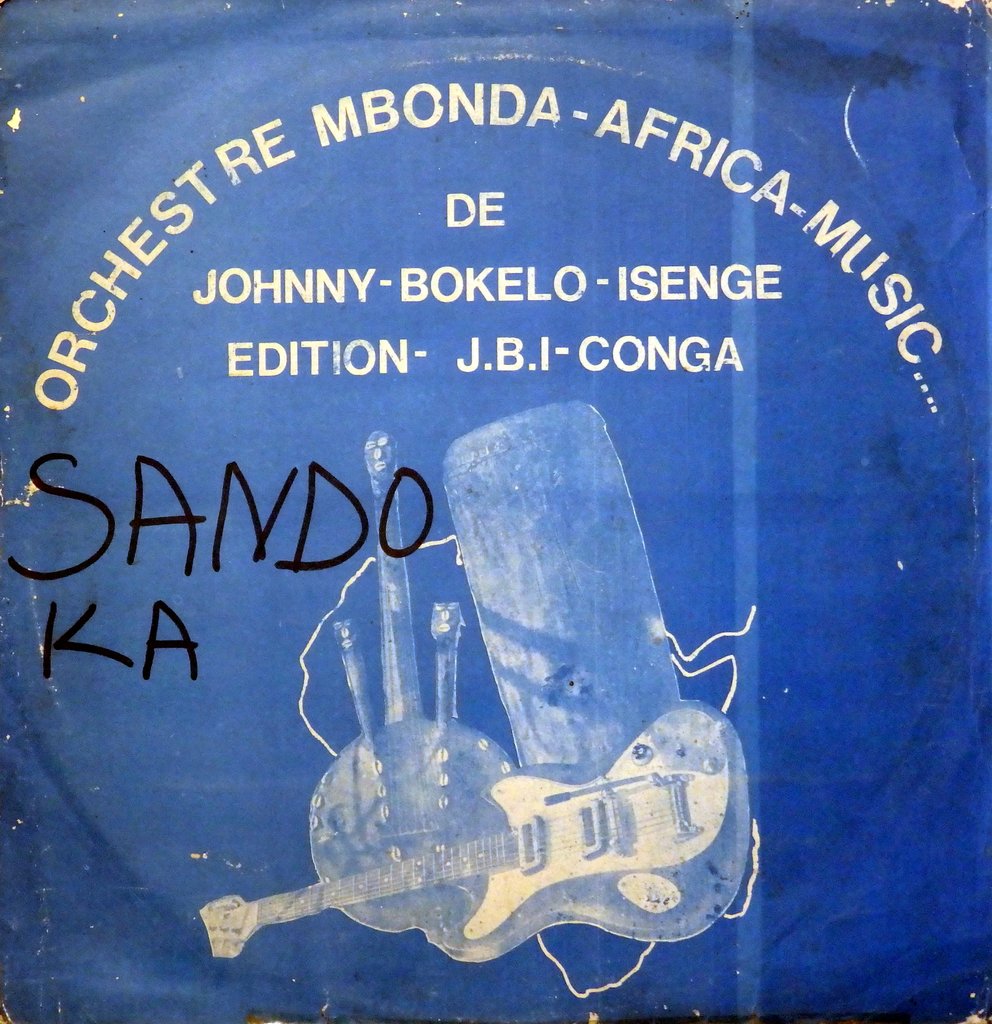
His series Mwambe (n° 1, n° 2, etc.) vocalized his concerns about the direction of Congolese society[^5]. The Agence Congolaise de Presse highlighted that he “did not wish for his children to enter music, considering it a very difficult life”[^5]. The series Mwambe, along with titles like Tambola na Mokili and Super Sandoka, remain references for rumberos rediscovering the African Archives reconditioned by Ricorodriguez[^10]. In 1997, Super Sandoka was released as a posthumous album under the Sonodisc label[^13]. His son Blito did not join the scene until after his father’s death in the 1990s.
A Style Compared to the Master
The press and musicologists regularly compared Bokelo’s music to Franco’s. Critic Robert Christgau, writing in 2026 about the reissue of L’Afrique Danse n° 1, noted that Bokelo was “somewhat more lyrical” and “somewhat more captivating” than Franco, describing the album as “superb and irresistible if you like this kind of Congolese pop”[^12]. His fast guitar playing and tight arrangements make him one of the most distinctive guitarists of the generation that forged soukous[^9].
Major Works
| Work | Year | Why It’s Essential |
|---|---|---|
| Tambola na Mokili (single) | ~1968 | The timeless classic that defines the Conga Succès groove |
| L’Afrique Danse n° 1 | 1969 | Collaboration with Franco on the African compilation |
| L’Afrique Danse n° 7 | 1969 | Bokelo’s first session as leader |
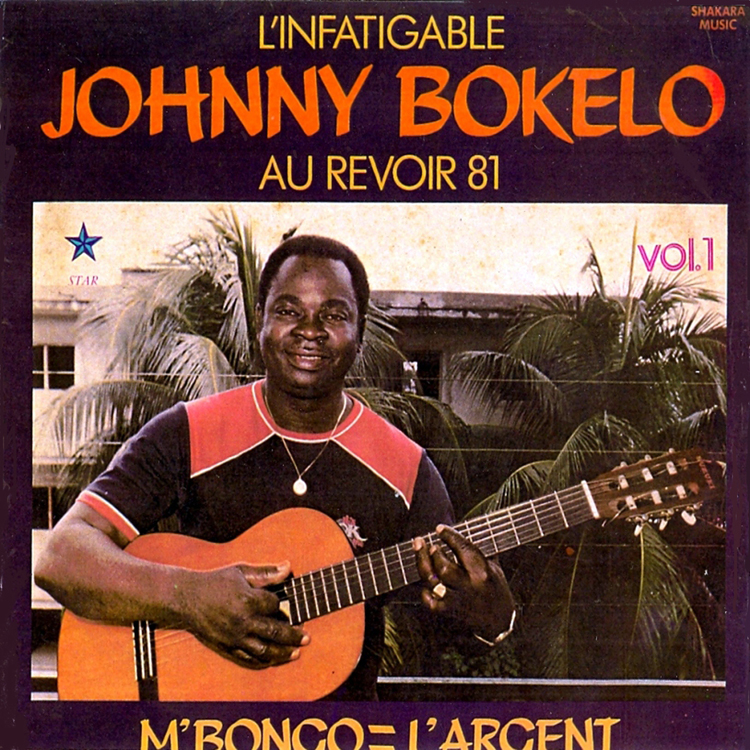
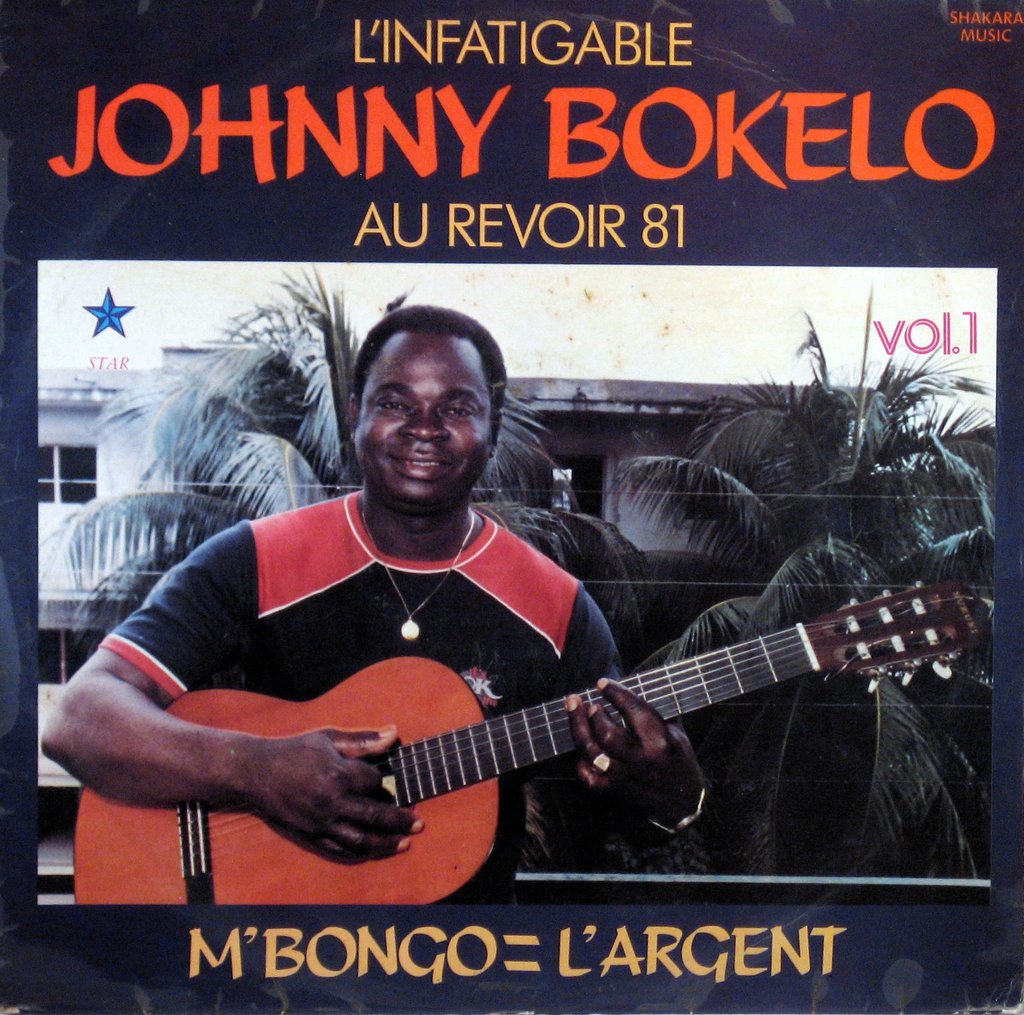
| Au revoir 81 | 1981 | Album where social reflection takes precedence over dance |
Legacy and Influence
Johnny Bokelo’s music still resonates: his sharp guitar playing, rapid arrangements, and committed lyrics shaped one of the liveliest currents in Congolese rumba. Critic Robert Christgau judged his music “irresistible” upon its rediscovery by modern compilations[^12]. In 1997, a posthumous album, Super Sandoka, was released[^13]. His son Blito Bokelo joined the music scene only after his father’s death in the 1990s, carrying on the Bokelo-Isenge family flame[^1]. The series Mwambe, along with titles like Tambola na Mokili and Super Sandoka, remain references for contemporary rumberos rediscovering the African Archives[^10].
Sources and References
-
“Johnny Bokelo”, Afrisson, https://www.afrisson.com/johnny-bokelo-7730/, accessed September 1, 2026.
-
“Biography of Jonny Bokelo/Isenge”, Kin Kiesse, https://kinkiese.com/2021/09/10/biographie-de-jonny-bokelo-isenge/, accessed September 1, 2026.
-
Ewens, Graeme, Congo Colossus: The Life and Legacy of Franco & OK Jazz, Buku Press, 1994, p. 59.
-
Stewart, Gary, Rumba on the River: A History of the Popular Music of the Two Congos, Verso, 2000, p. 123.
-
« Guitarist-singer Johnny Bokelo a model for promoting Congolese customs via music », Agence Congolaise de Presse, https://acp.cd/genre/le-chanteur-guitariste-johnny-bokelo-un-modele-de-promotion-des-moeurs-congolaises-via-la-musique/, accessed 1 September 2026.
-
Ewens, Graeme (2002). « Guitar Sorcery », fRoots, no. 229, p. 33-35.
-
Stewart, Gary, Rumba on the River, Verso, 2000, p. 210.
-
Stewart, Gary, Rumba on the River, Verso, 2000, p. 241.
-
Ewens, Graeme, Congo Colossus, Buku Press, 1994, p. 93.
-
« L’Afrique Danse No. 1 », Discogs, https://www.discogs.com/release/1969631, accessed 1 September 2026.
-
« L’Afrique Danse No. 7 », Discogs, https://www.discogs.com/release/2785538, accessed 1 September 2026.
-
Christgau, Robert, « Consumer Guide: July, 2026 », robertchristgau.substack.com, 9 July 2026.
-
« Super Sandoka », AllMusic, https://www.allmusic.com/album/super-sandoka-mw0000232919, accessed 1 September 2026.