Biography
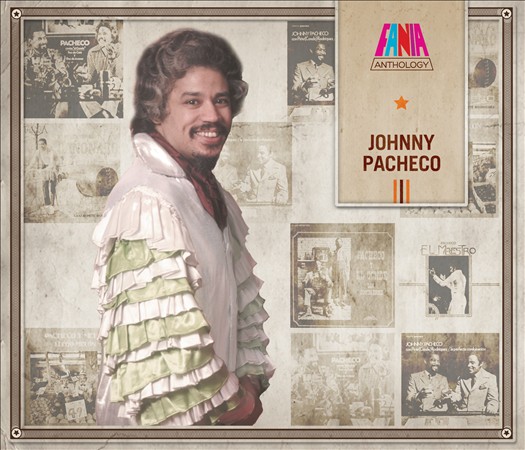
Johnny Pacheco: the man who baptized salsa
On August 23, 1973, forty thousand people stormed the Yankee Stadium in New York. On stage, the Fania All-Stars — a gathering of the greatest salsa talents — performed under the direction of Johnny Pacheco, be-flute, sequined shirt already drenched in sweat. That night, the Dominican musician carried on his shoulders not an orchestra, but an entire cultural movement. Salsa, a term he himself had popularized, had just conquered a baseball stadium.
In brief
| Full name | Juan Pacheco Knipping |
| Birth | March 25, 1935, Santiago de los Caballeros, Dominican Republic |
| Death | February 15, 2021, Teaneck (New Jersey) |
| Field | Salsa, charanga, pachanga — New York Latin music |
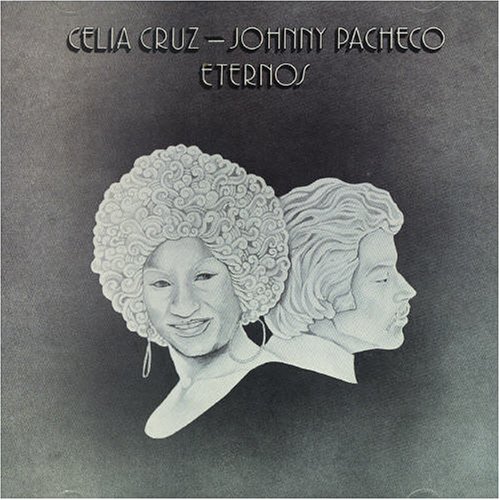
| Notable works | Celia & Johnny, El Maestro, Live at Yankee Stadium |
| Awards | Nine Grammy nominations, Grammy Latino lifetime achievement (2005), International Latin Music Hall of Fame (1998) |
Key dates
| Year | Event |
|---|---|
| 1935 | Born in Santiago de los Caballeros, Dominican Republic, to a musician father (clarinetist) |
| 1946 | Family leaves Dominican Republic for New York, as the dictatorship of Rafael Trujillo takes hold |
| 1954 | Co-founding of Chuchulucos Boys with Eddie Palmieri; first gigs in New York |
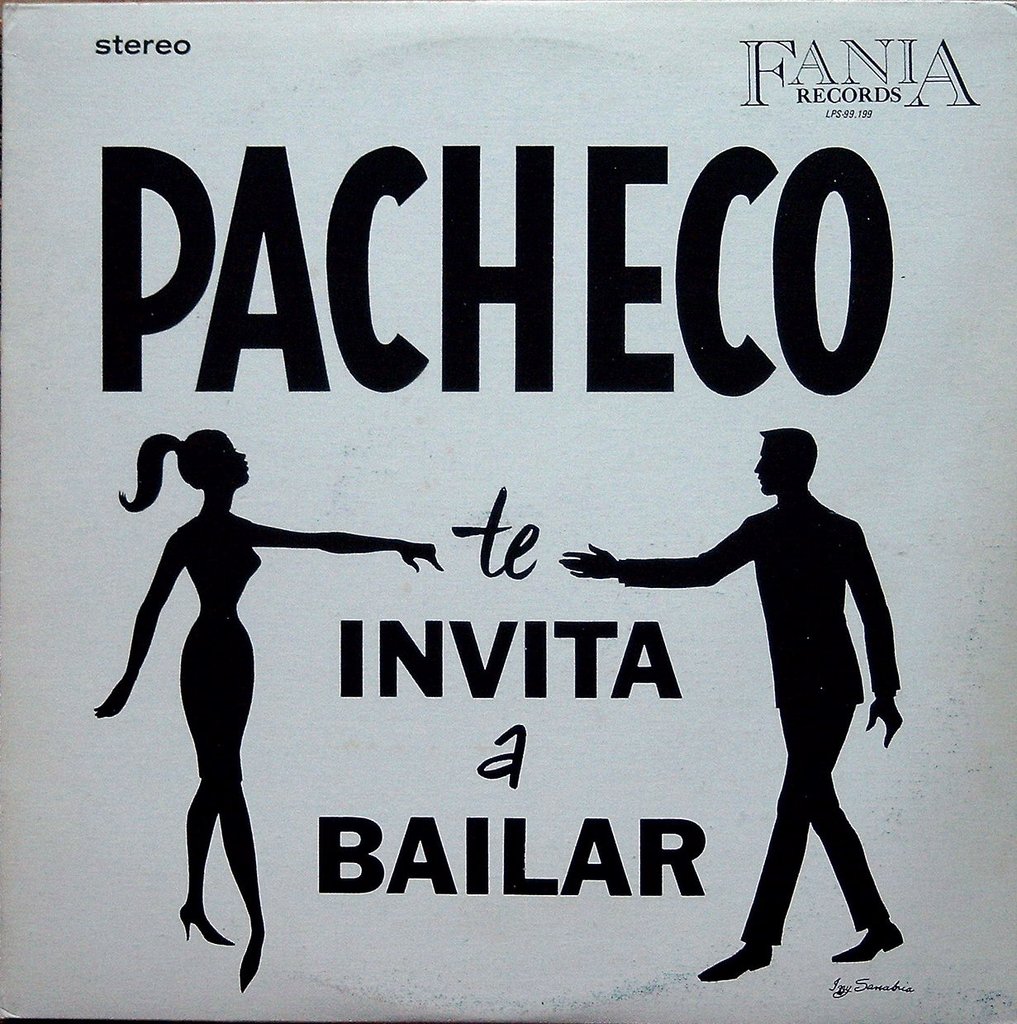
| 1960 | Creation of Pacheco y Su Charanga; first album sells over 100,000 copies in one year |
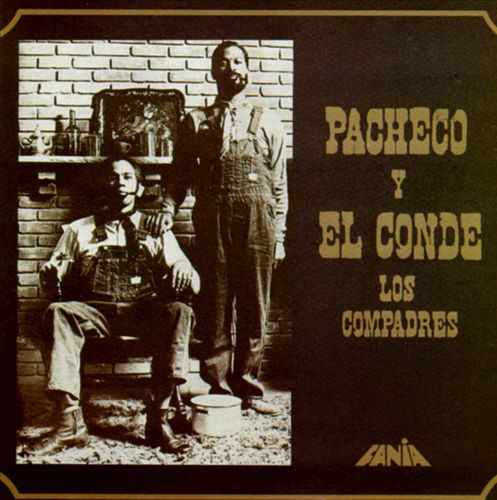
| 1963 | Meeting with Jerry Masucci; co-founding of Fania Records |
| 1968 | Creation of the Fania All-Stars; release of Live at the Red Garter |
| 1973 | Legendary concert at Yankee Stadium before 40,000 fans |
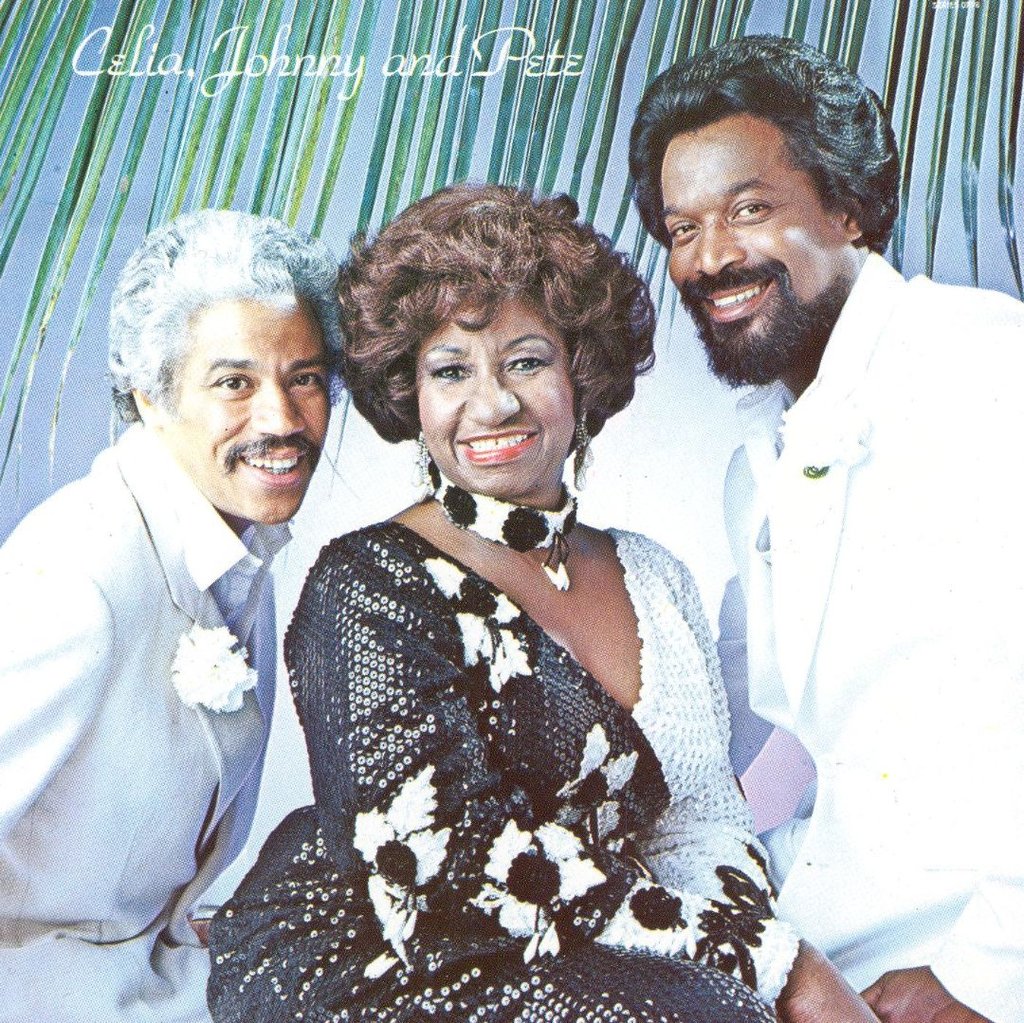
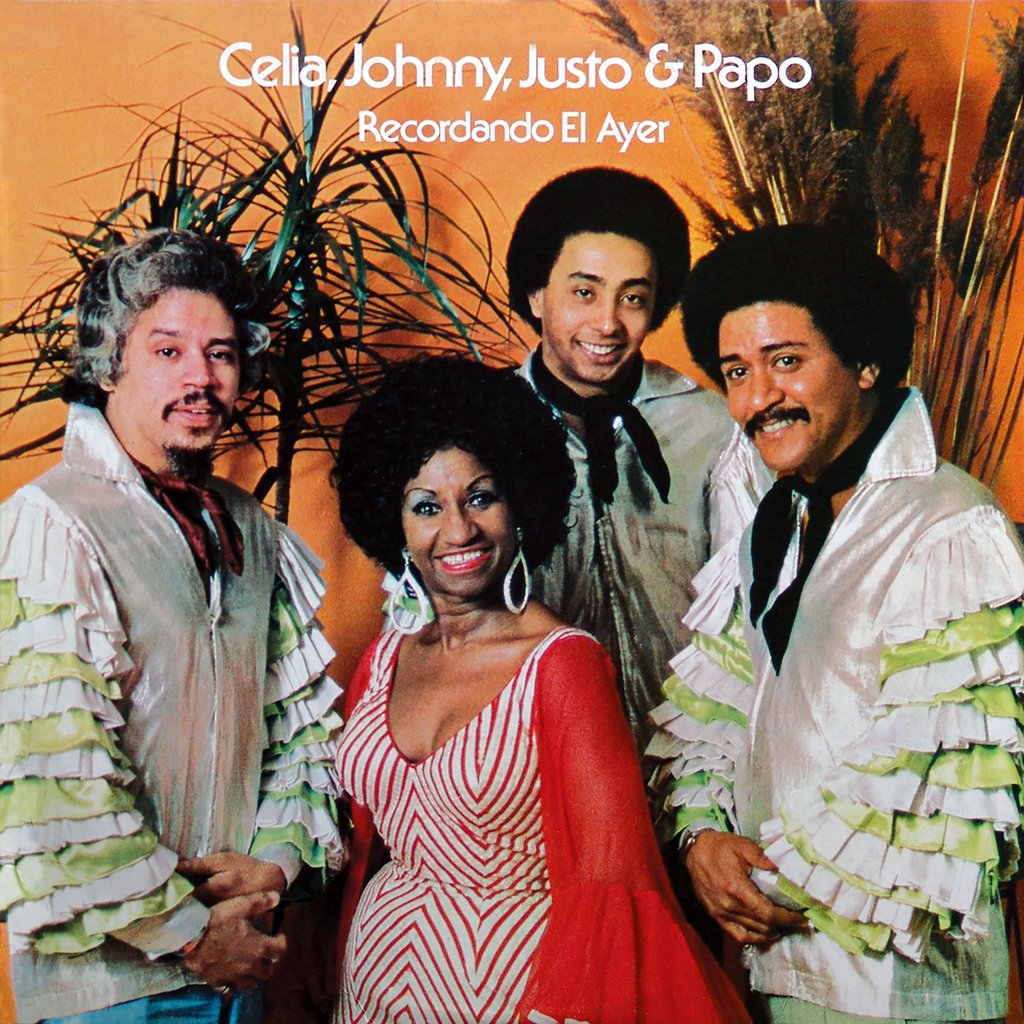
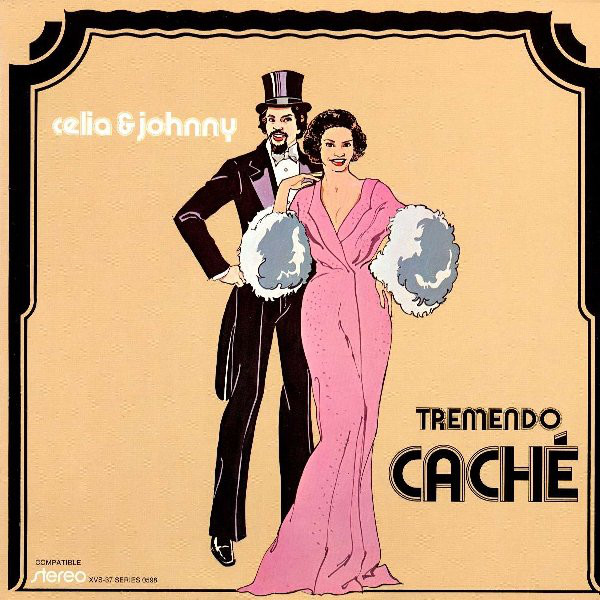
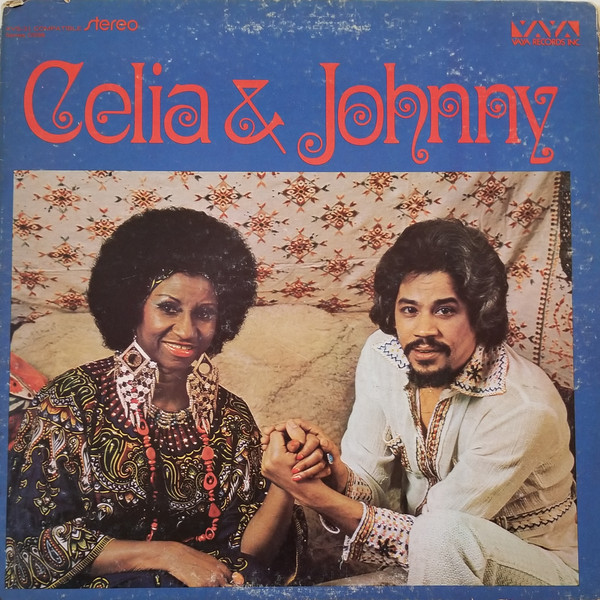
| 1974 | Release of Celia & Johnny, platinum album with Celia Cruz |
| 1975 | Album El Maestro; first Grammy nomination for the Fania All-Stars |
| 1998 | Induction into International Latin Music Hall of Fame |
| 2005 | Grammy Latino lifetime achievement award |
| 2021 | Death at age 85 due to pulmonary complications |
From Santiago to the Bronx: the rise of a visionary
Juan Pacheco Knipping was born on March 25, 1935, in Santiago de los Caballeros, Dominican Republic. His father, Rafael Azarías Pacheco, directed the Orquesta Santa Cecilia. This family music permeated young Juan, who learned accordion, violin, flute, saxophone, and clarinet. In 1946, the family emigrated to New York to escape the dictatorship of Rafael Trujillo. Johnny studied percussion at Juilliard School and became a versatile instrumentalist — flute, saxophone, accordion, congas, bongos. In the 1950s, he picked up New York studio sessions, rubbing shoulders with Tito Puente and Xavier Cugat. In 1954, he co-founded the Chuchulucos Boys with Eddie Palmieri and Barry Rogers, future pillars of New York salsa.
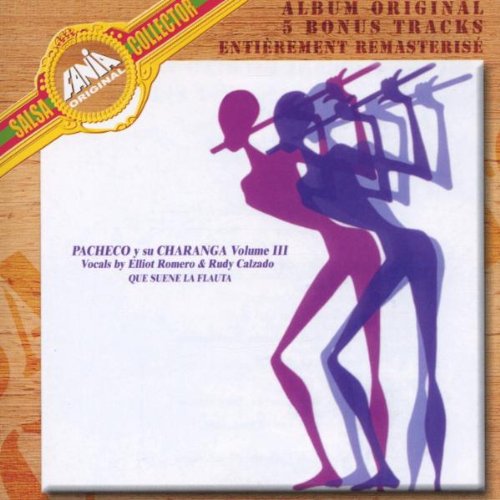
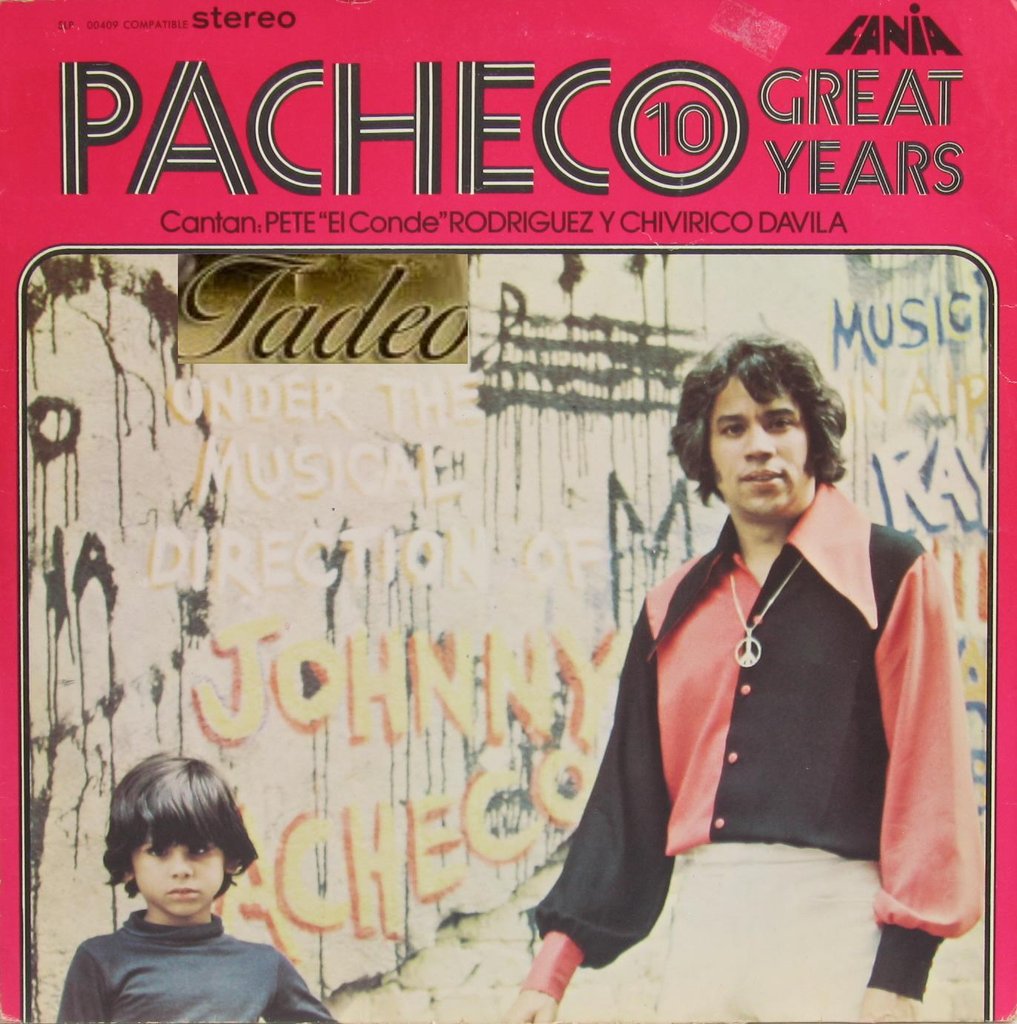
In 1960, Pacheco formed his own charanga. His first album, Pacheco y Su Charanga, was released on Alegre Records and sold over 100,000 copies in one year, triggering a dance phenomenon — the pachanga, contraction of Pacheco and charanga — which established him on the international stage. The group made a splash at the Apollo Theater in Harlem in 1962 and 1963. Financial troubles at Alegre pushed Pacheco to look elsewhere. Late in 1963, he met Jerry Masucci, lawyer and former police officer mad for Latin music. Together, they created Fania Records. Pacheco became its artistic director, head of the new musical generation, and producer. He gave the label his name in homage to the song “Fanía” by Reinaldo Bolaños, popularized in 1960 by the Estrellas de Chocolate in Cuba. Under his direction, Fania signed the greatest salsa talents: Celia Cruz, Héctor Lavoe, Willie Colón, Rubén Blades, Ray Barretto. Pacheco assembled the Fania All-Stars, a touring supergroup that traveled across the United States, Latin America, and Africa. On August 23, 1973, forty thousand people crowded into Yankee Stadium. The concert, immortalized by the film Our Latin Thing, launched salsa on the world stage. The double album Live at Yankee Stadium would later be inscribed in the National Recording Registry of the Library of Congress. After Fania’s breakup in the mid-1980s, Pacheco formed the Johnny Pacheco Latin Music and Jazz Festival at Lehman College in the Bronx, an annual platform for young musicians of the metropolis.
Major works
| Work | Year | Why it’s essential |
|---|---|---|
| Pacheco y Su Charanga | 1960 | Foundational first album; launched the pachanga style and propelled Pacheco onto the international stage |
| Live at the Red Garter | 1968 | First recording of the Fania All-Stars; laid the groundwork for the salsa supergroup concept |
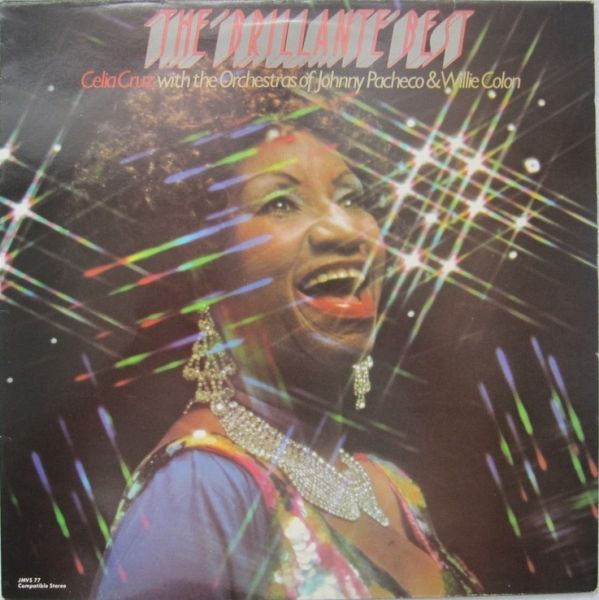
| Celia & Johnny | 1974 | Platinum duo with Celia Cruz; the single “Quimbara” became an anthem and forged Cruz’s status as queen of salsa |
| El Maestro | 1975 | First solo album nominated for a Grammy; the nickname “El Maestro” was definitively adopted |
| Live at Yankee Stadium | 1976 | Monumental concert before 40,000 spectators; inscribed in the National Recording Registry of the Library of Congress |
Legacy and influence
Johnny Pacheco was not just a musician. He popularized the word salsa to designate a musical movement that blended his Cuban, bolero, and Puerto Rican rhythms. By inventing this label, he offered New York’s Latin Caribbean music a unifying name sold worldwide.
Over 150 songs composed, over 180 albums recorded. DJs draw from the Fania catalog to fuel house music, reggaeton, and global dance. For Rubén Blades, a lifelong disciple, “he literally influenced millions of salseros.” The 1973 Yankee Stadium remains the symbol of an era when Latin music moved from the neighborhood to a planetary scale.
Sources and references
- « Johnny Pacheco », Wikipedia, https://en.wikipedia.org/wiki/Johnny_Pacheco, accessed 21 October 2026.
- « Johnny Pacheco », AllMusic, https://www.allmusic.com/artist/pacheco-mn0000248452, accessed 21 October 2026.
- « Fania Records Co-Founder Johnny Pacheco Dies At 85 », NPR, https://www.npr.org/2021/02/15/846741771/fania-records-co-founder-johnny-pacheco-dies-at-85, accessed 21 October 2026.
- « Johnny Pacheco, the ‘Godfather of Salsa,’ dies at 85 », Los Angeles Times, https://www.latimes.com/entertainment-arts/music/story/2021-02-15/johnny-pacheco-the-godfather-of-salsa-and-the-soul-of-fania-records-dies-at-85, accessed 21 October 2026.
- « Johnny Pacheco, Who Helped Bring Salsa to the World, Dies at 85 », The New York Times, https://www.nytimes.com/2021/02/15/arts/music/johnny-pacheco-dead.html, accessed 21 October 2026.
- « Live at Yankee Stadium »–The Fania All-Stars (1975), Library of Congress — National Recording Registry, https://www.loc.gov/static/programs/national-recording-preservation-board/documents/FaniaAllStars.pdf, accessed 21 October 2026.
- Marc Anthony, Milly Quezada, Rubén Blades & More Remember Johnny Pacheco, Billboard, https://billboard.com/articles/columns/latin/9526498/johnny-pacheco-dead-musicians-pay-tribute, accessed 21 October 2026.
- « Classes — Johnny Pacheco: The Godfather of Salsa », Fania Records, https://www.johnnypacheco.com/discog, accessed 21 October 2026.