Biography
Kalahari Surfers
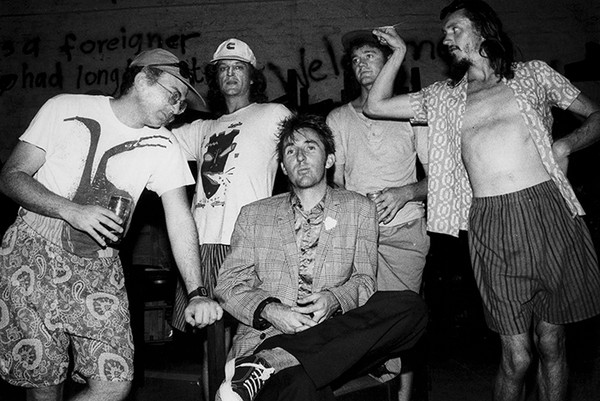
In 1982, in his home, a young South African composer released a cassette recorded at home: sound collages, rhythmic jive and political speeches. The name on the cover was not his own: Kalahari Surfers, an imaginary group created to protect himself from the police. Three decades later, this electronic pseudonym remains one of the most radical voices in South African music.
In brief
| Full name | Kalahari Surfers (group); Warrick Sony, sole permanent member |
| Birth | Warrick Swinney (12 September 1958, Port Elizabeth, Eastern Cape) |
| Field | Music — electronic, political experimental, punk and dub |
| Notable works | Gross National Products (1982), Own Affairs (1984), Sleep Armed (1986), One Party State (2010) |
| Honours | Judicial ban lifted after appeal; first anti-apartheid white pop in South Africa |
Key dates
| Year | Event |
|---|---|
| 1958 | Birth of Warrick Swinney in Port Elizabeth |
| 1970s | Study of tabla at Surat High School (Durban); conscription into the South African army |
| 1982 | Cassette Gross National Products; creation of the pseudonym Kalahari Surfers |
| 1984 | Own Affairs rejected by EMI; pressing by Recommended Records (London) |
| 1986–1987 | Sleep Armed; European and Eastern tours (Moscow, East Berlin) |
| 1989 | Bigger Than Jesus (Beachbomb in SA); banned, then authorized after appeal |
| 1994 | End of apartheid; aesthetic turning point towards electronic music |
| 2001–2010 | Akasic Record, One Party State; new electronic identity |
| 2010–2012 | Africa tour; concerts at Unyasi and CTEMF |
| 2019–2024 | MFA (Michaelis, Cape Town) then PhD at the Western Cape University |
Origins: a boy from Durban listening to other worlds
Warrick Swinney was born on 12 September 1958 in Port Elizabeth (Eastern Cape), within a largely apolitical white family. He grew up in Cowies Hill, near Durban, where he discovered experimental music. He covered Jimi Hendrix and the Who, discovered Frank Zappa and Captain Beefheart, collected Indian music from the Roopanand Brothers and studied tabla at the Surat school in Durban. He describes this period: « They came out of the post-war obey-your-leaders generation who didn’t like to rock a comfortable boat », and was impressed by the German group Can: « played a European music which was as close to African music as one could get without being in any way obvious ».
After conscription into the South African army, Sony declared himself a pacifist Hindu; he moved to medical services and then to the military group. He changed his name to become Warrick Sony, in order to escape military camps. It was at the end of the 1970s that he began, in a punk atmosphere, to compose his own pieces; the army released him in 1979. He then moved to Cape Town, where he met Hamish Davidson and Brian Rath — the two founding members of the group.
The birth of the group: a cassette as manifesto
In 1982, Sony released Gross National Products: a cassette recorded at home on portastudio, packaged in a metal box. The name Kalahari Surfers is a fictional pseudonym, created to protect himself from the authorities. The South African Sunday Times saw in it « a daring home-mixed collection of subliminal jive rhythms, sad-sweet jazz sounds, tabla burps, church bells, bird shrieks, political speeches and… other… found sounds » and classified it among the three tapes of the Terrific Tapes of 1983. In this work, official anti-apartheid speeches are sampled and cut into soundscapes: « Are you still scared of the police » is relentlessly repeated, a question that transforms into a threat.
Facing oppression: « We were censored a few times at concerts, with police throwing teargas into a theater once, and at parties, as well as general scare tactics ». Burning Tractors Keep Us Warm was released by Pure Freude (Germany), under the influence of CAN. In 1984, Own Affairs was released by Recommended Records: EMI refused to press it due to its too sensitive politicization, and the radical British label took up the torch. The record mixes dubs, social punk and avant-garde aesthetics.
The 1980s: bans, tours and silences
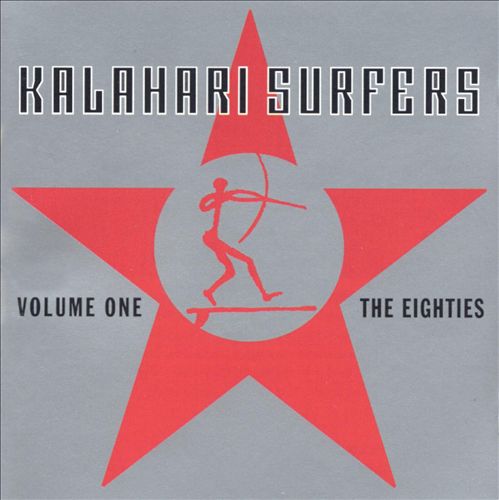
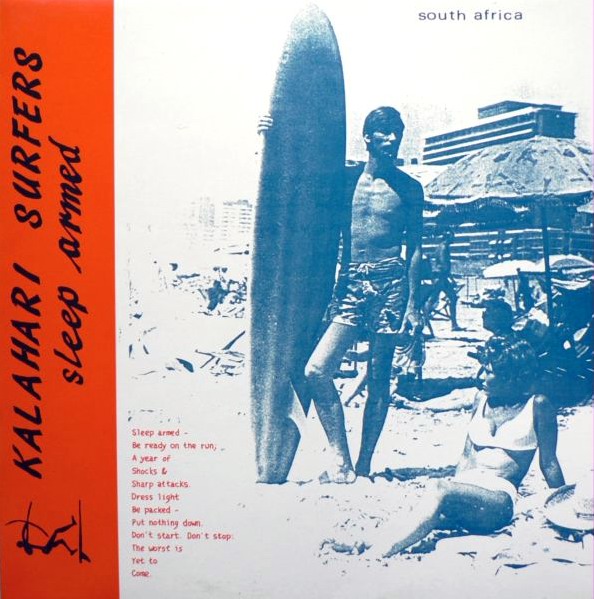
Sleep Armed (1986) was released during the European tours — Holland, Germany, Switzerland, France, Luxembourg, Moscow, Leningrad, Riga and East Berlin. This album includes “A Healthy Way of Life”, pieces inspired by Marxism, where the voice announces: « Standing here like a tree / Waiting to work in a factory / Sweeping floors and making tea / What a healthy life for me ». The same year, Sony settled in London to promote the albums with Chris Cutler.
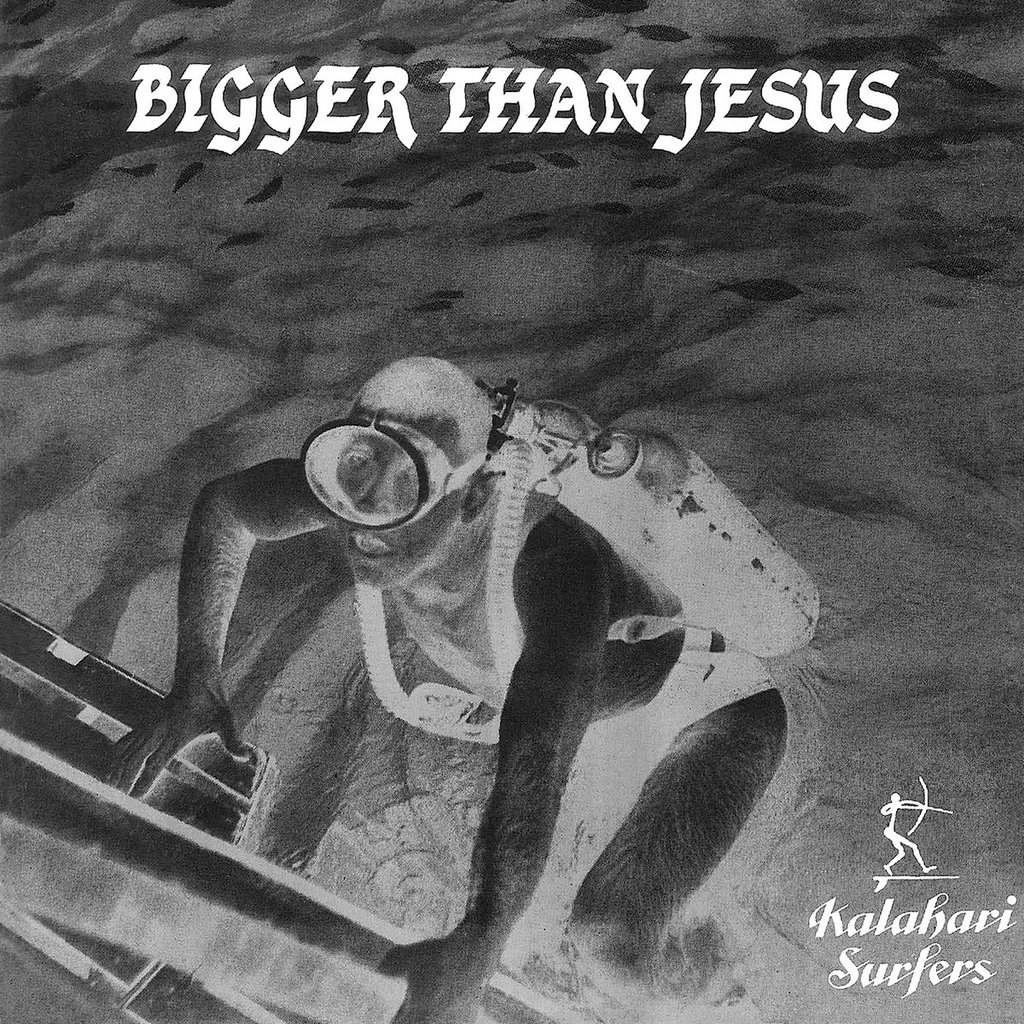
In 1989, Bigger Than Jesus (title taken from John Lennon) was banned locally; an appeal to the Publications Control Board lifted it and set a precedent. The same period saw interracial collaboration with poet Sowetan Lesego Rampolokeng (End Beginnings), rare in the industry but common in theatre.
After 1994: towards electronic music
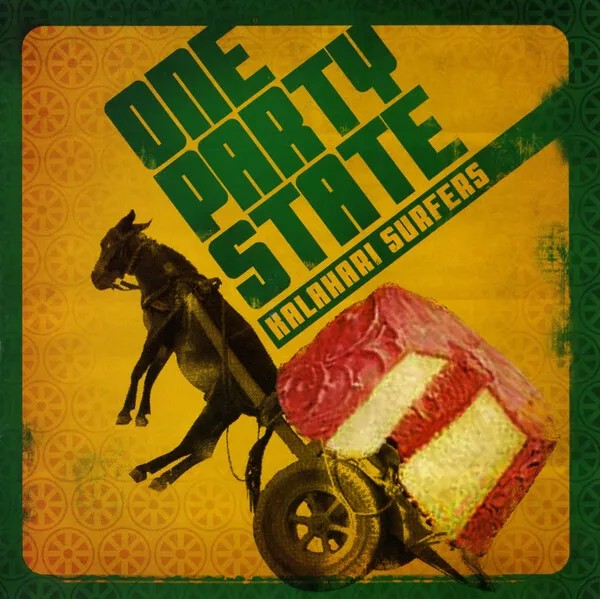
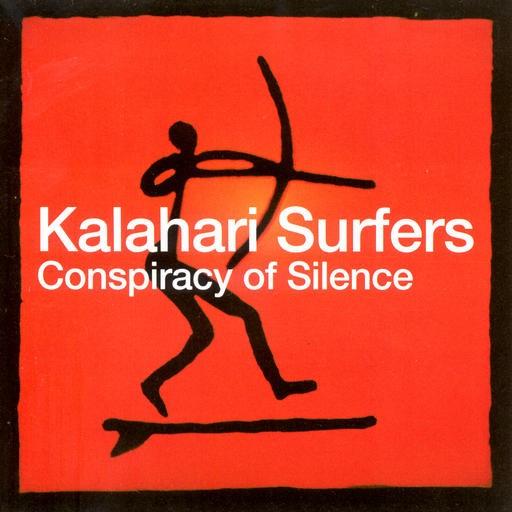
At the end of apartheid, Sony claimed to have been able to « relax my content and concentrate on the form [instead of the message] ». Akasic Record (2001), influenced by drum & bass, Portishead and Massive Attack, explores electronic sounds. In parallel, he produced albums for Shifty/BMG — Salif Keïta among others. The albums Muti Media (2003) and Conspiracy of Silence (2004), Panga Management (2006) and finally One Party State (2010) gave the group a political voice again: « The ruling party see their majority as permission to carry on looting the coffers and, worse, to try to cement their positions into power ». The record includes “A New Kind of Leader”, an absurd piece.
Major Works
| Work | Year | Why It’s Essential |
|---|---|---|
| Gross National Products (cassette) | 1982 | First anti-apartheid manifesto; emergence of “first radical white anti-apartheid pop” music |
| Own Affairs (Recommended Records) | 1984 | First pressed album; EMI refuses, radical London label steps in |
| Sleep Armed (Recommended Records) | 1986–87 | Commercial success and European tours; parodies propaganda with cruelty |
| Bigger Than Jesus (Beachbomb) | 1989 | Banned and legally broken; precedent for press laws |
| Akasic Record (African Dope) | 2001 | New electronic identity; influences drum & bass and dub |
| One Party State (microDot) | 2010 | Return to post-apartheid politics; critiques current authoritarianism |
Legacy and Influence
The Kalahari Surfers paved the way for anti-apartheid, punk, and electronic music in South Africa ahead of their time. Sony continues his work: sound design, film score (including SMS Sugarman), MFA at the Michaelis School of Art (Cape Town, 2020), and a PhD in musical composition at the University of Western Cape (2024). The band, now represented by this single active member, continues to explore music as a route toward political education.
Sources and References
- “Warrick Sony”, Wikipedia (en), https://en.wikipedia.org/wiki/Kalahari_Surfers, accessed 23 November 2026.
- “The Political Prog of Kalahari Surfers”, Bandcamp Daily, 17 June 2019, https://daily.bandcamp.com/features/kalahari-surfers-discography-interview, accessed 23 November 2026.
- “Mlungu Muti”, Mail & Guardian, 6 February 2004, https://mg.co.za/friday/2004-02-06-mlungu-muti, accessed 23 November 2026.
- “Kalahari Surfers”, Shifty Records (official), https://shifty.co.za/records/kalahari-surfers, accessed 23 November 2026.
- “Kalahari Surfers”, Discogs (discography), https://www.discogs.com/artist/78812-Kalahari-Surfers, accessed 23 November 2026.