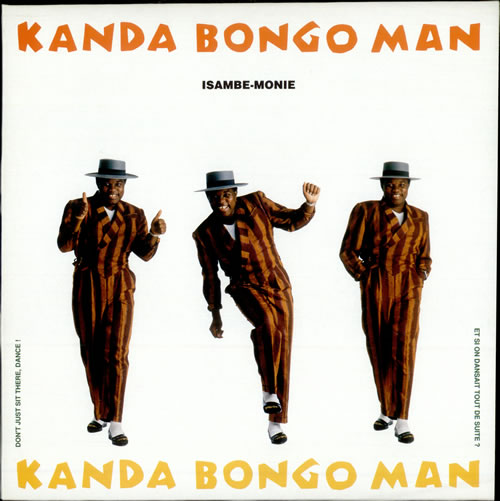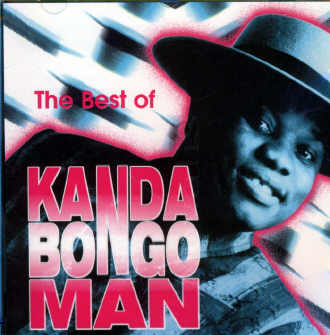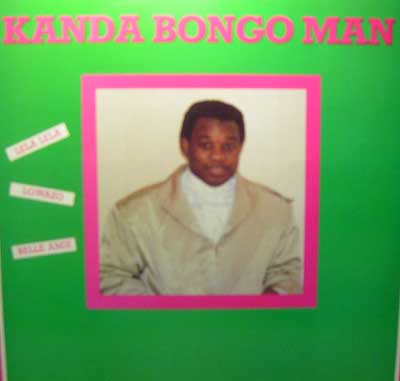
Biography
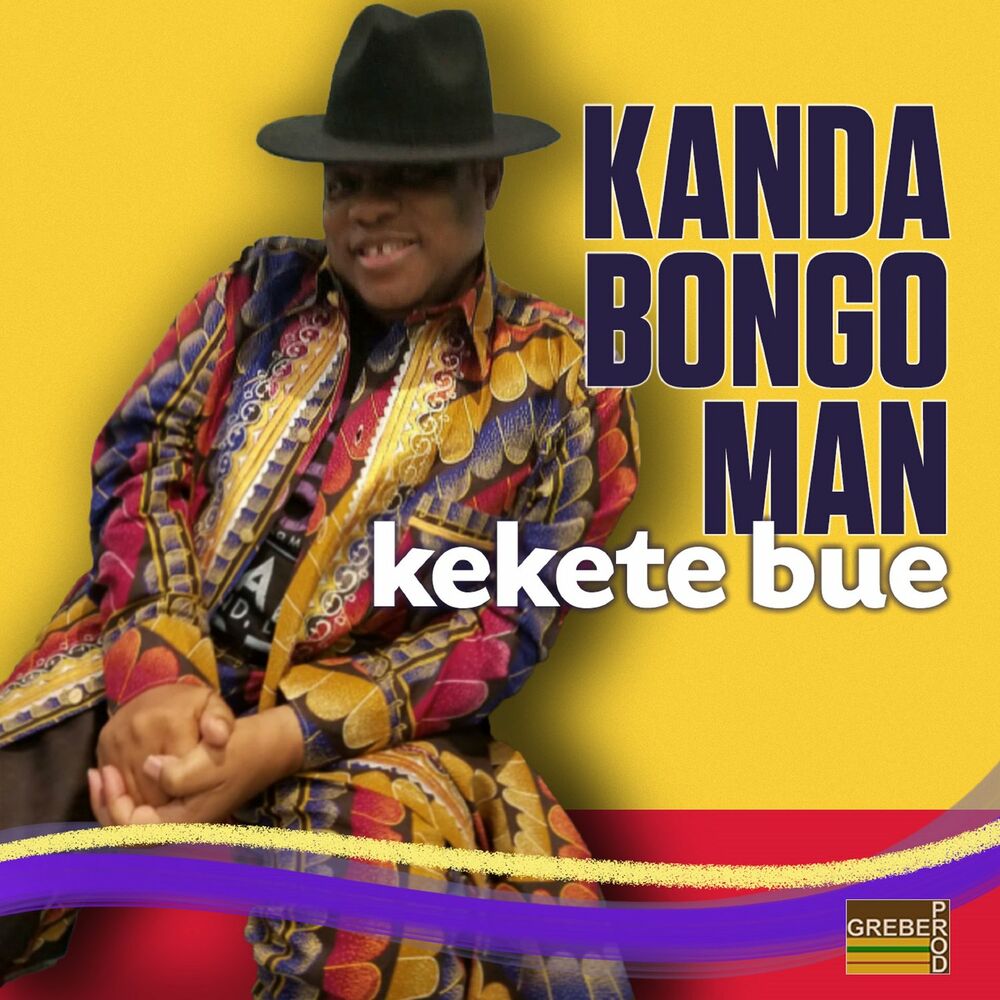
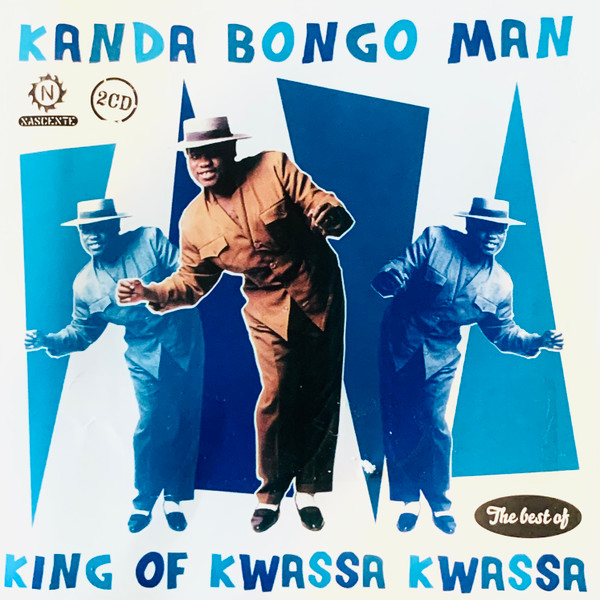
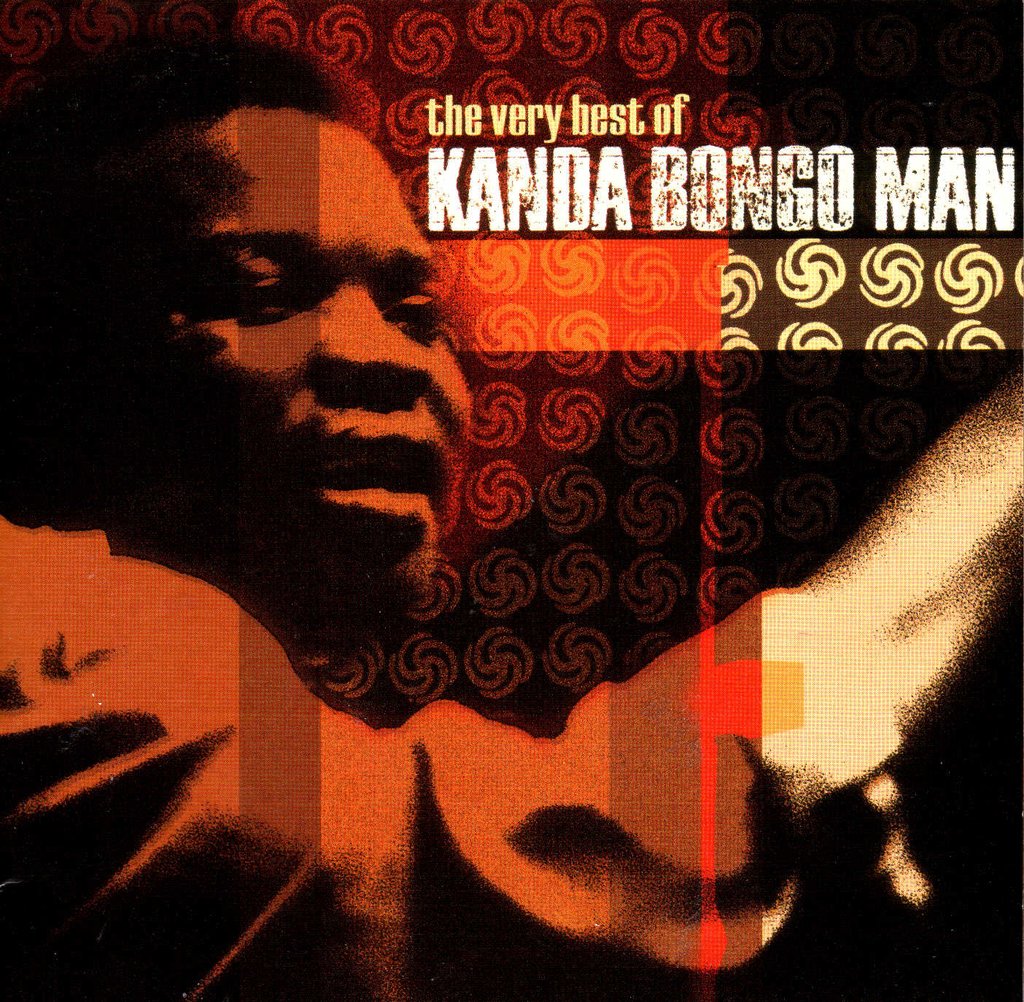
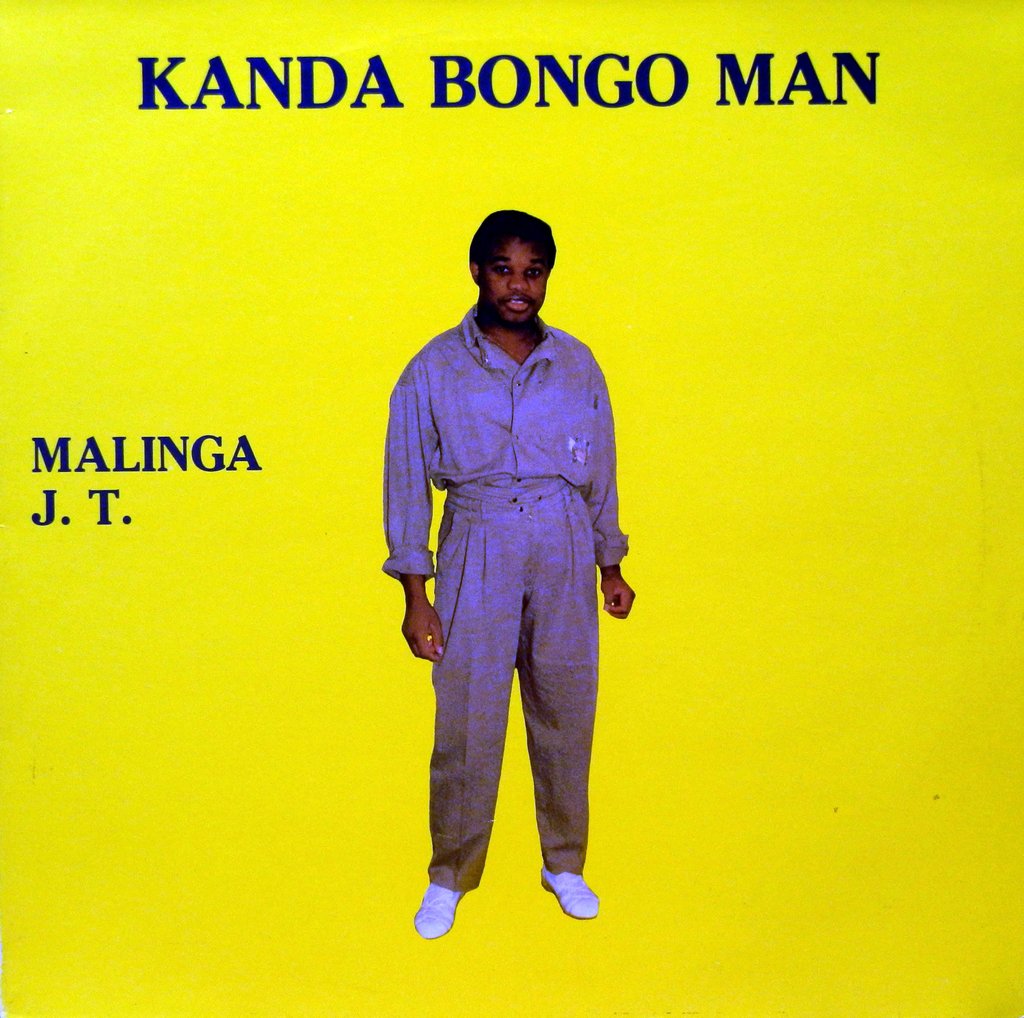
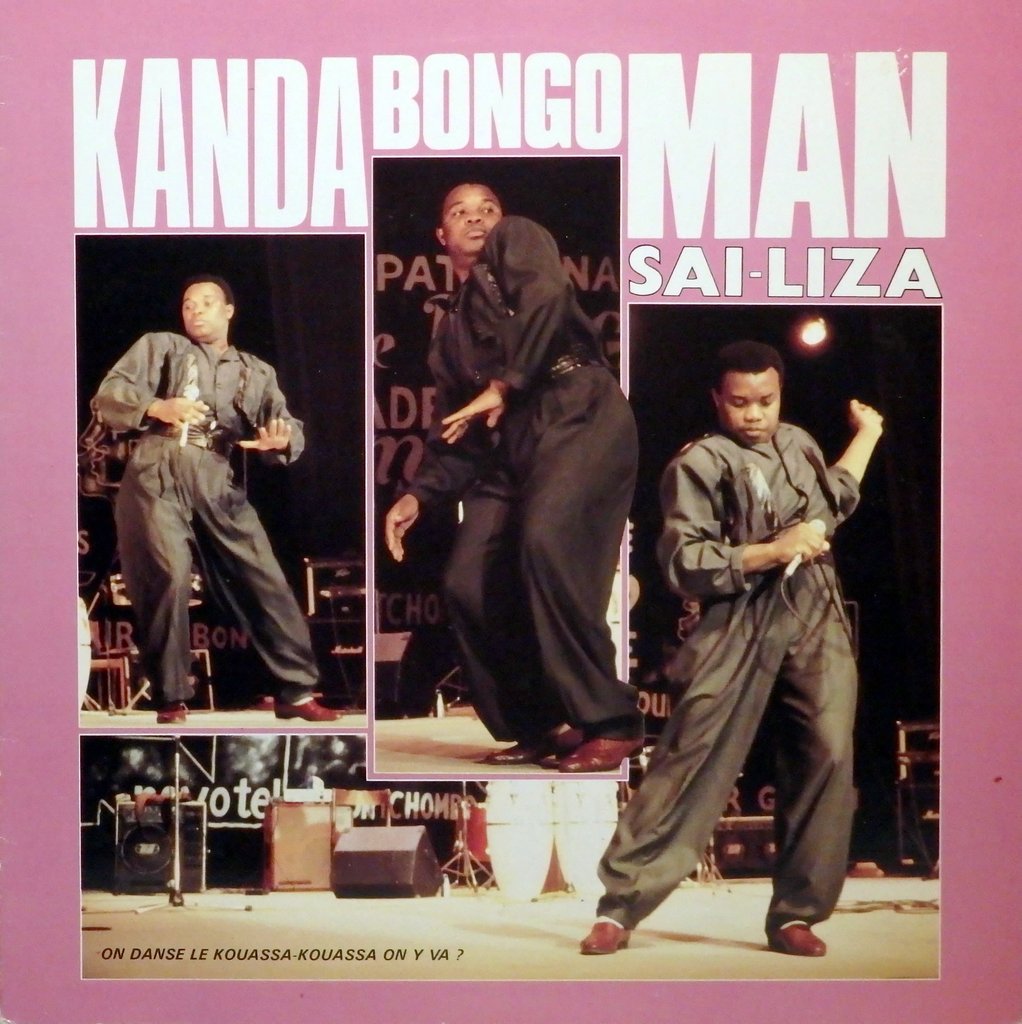
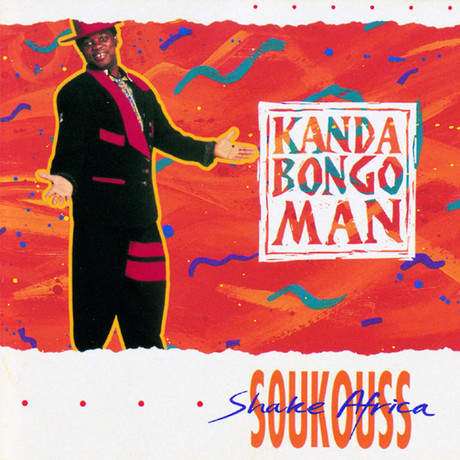
Kanda Bongo Man: the inventor of kwassa kwassa
In brief
| Full name | Bongo Kanda |
| Birth | 1st January 1955, Inongo, Belgian Congo (current DRC) |
| Genre | Soukous, kwassa kwassa |
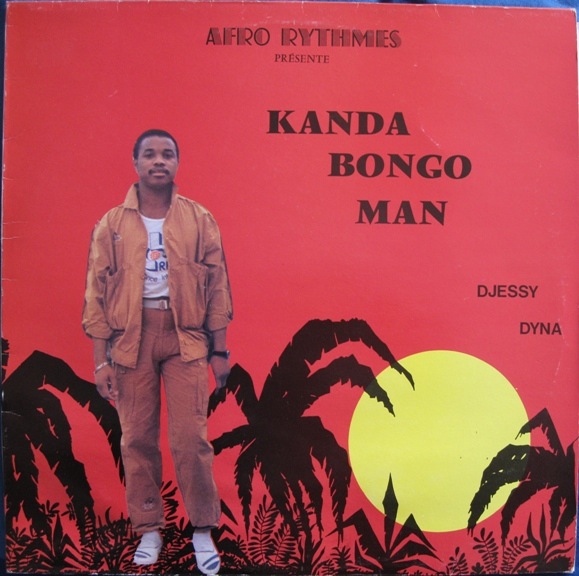
| Signature works | Iyole, Djessy, Zing Zong |
Key dates
| Year | Event |
|---|---|
| 1955 | Born in Inongo, on the shores of Lake Mai-Ndombe, into a family of drummers |
| 1973 | Leaves school at 18, joins Orchestra Belle Mambo in Kinshasa |
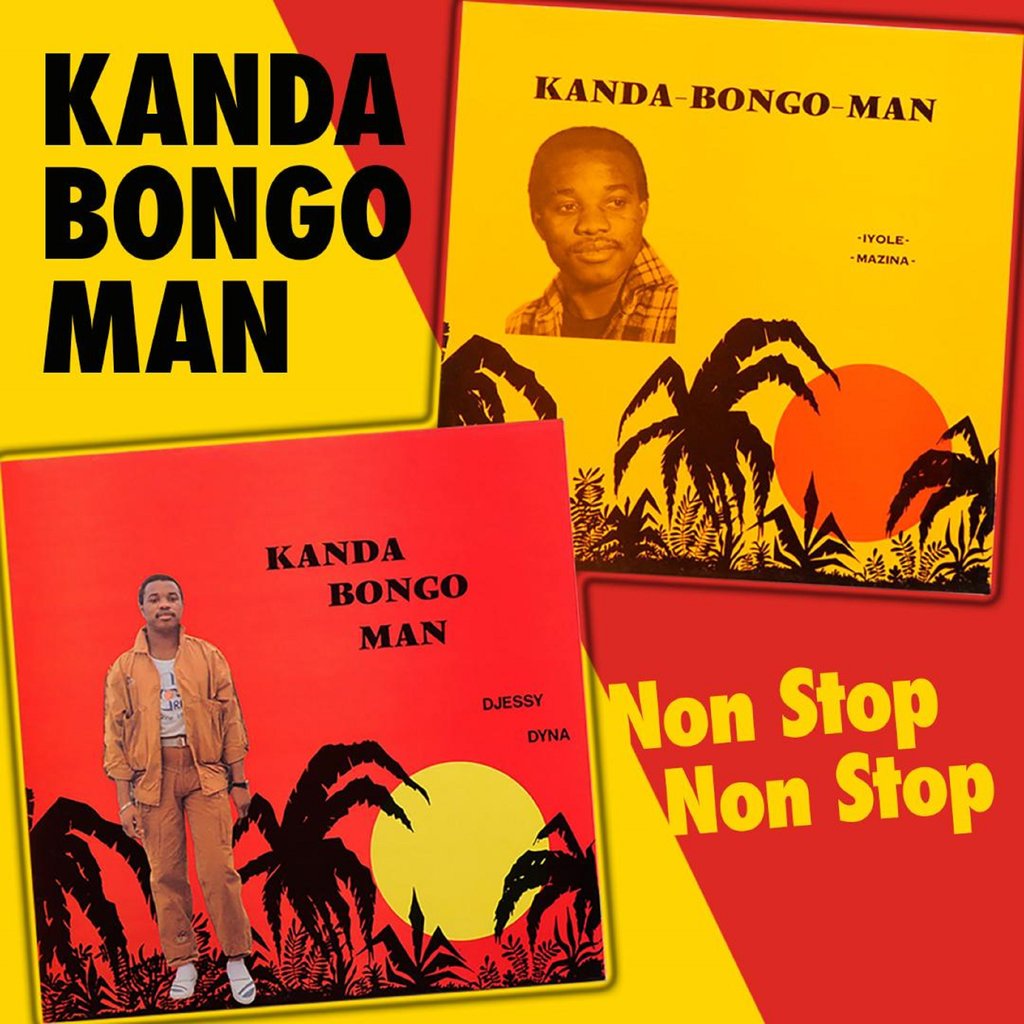
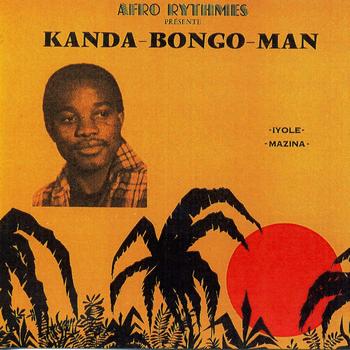
| 1981 | Release of Iyole, first international hit with guitarist Diblo Dibala |
| 1983 | First appearance at WOMAD, the British world music festival |
| 1984 | Creation of his own label, Bongo Man |
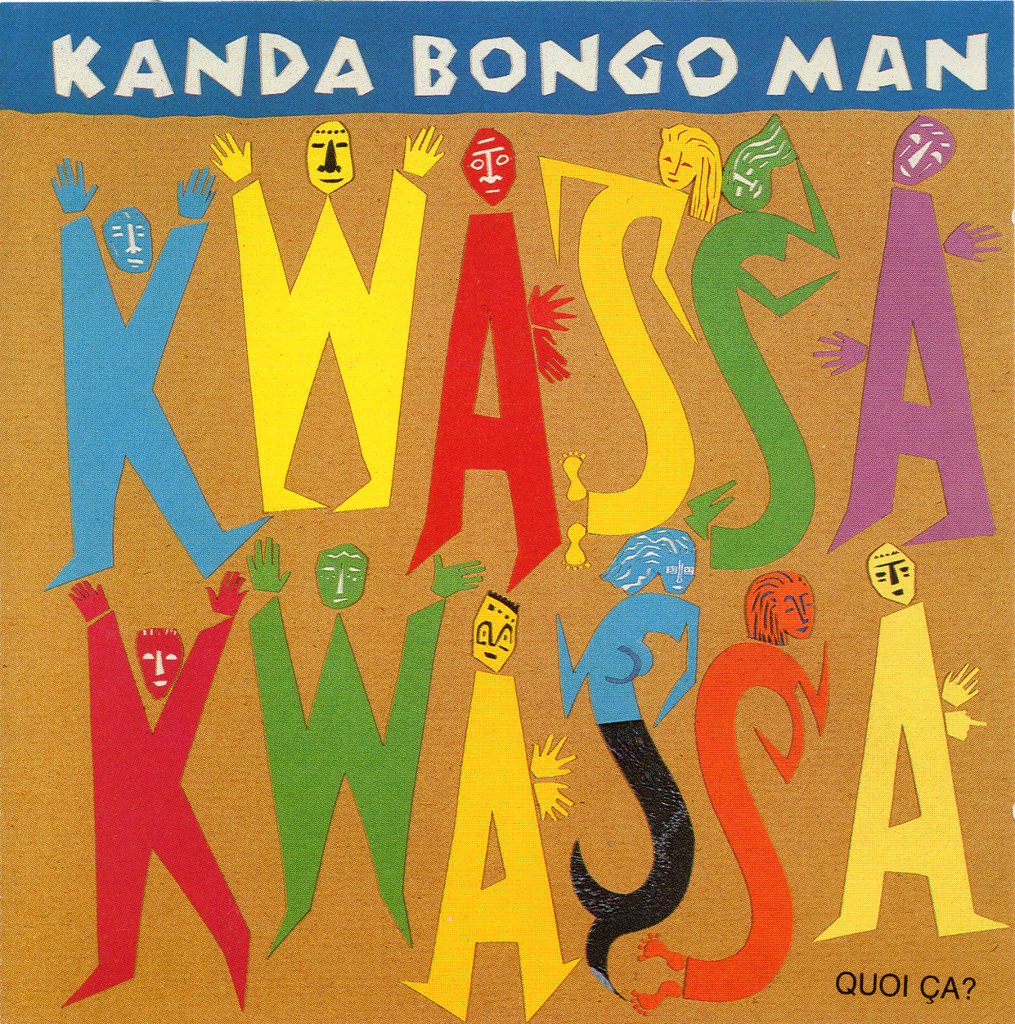
| 1989 | Album Kwassa Kwassa, first distributed in the United States |
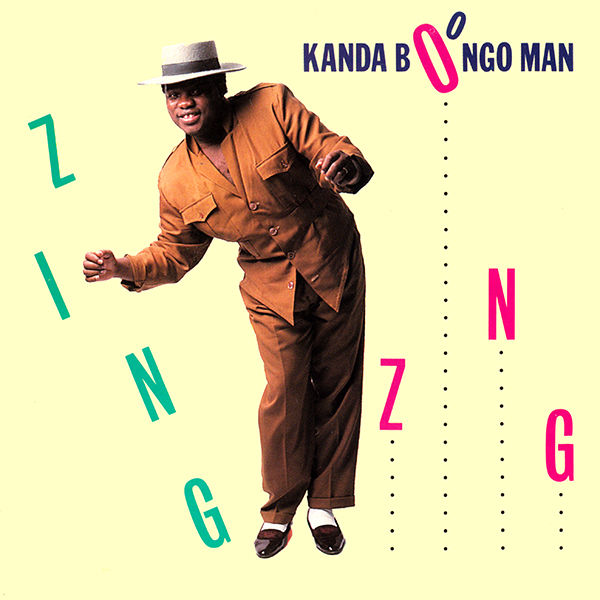
| 1991 | Zing Zong, tribute to Soki Vangu and Soki Diazenza of Bella Bella |
| 2005 | Live 8 concert: Africa Calling in Cornwall |
From Kinshasa to Paris: reinventing soukous
Born Bongo Kanda on 1st January 1955 in Inongo, on the shores of Lake Mai-Ndombe in Belgian Congo, Kanda Bongo Man grew up immersed in African rhythms: his father and grandfather played the drum. At eighteen, he left school to join Orchestra Belle Mambo in Kinshasa, one of the most popular bands in Zaire. Influenced by Tabu Ley Rochereau, a tutelary figure of Congolese rumba, he developed a high and crystalline voice in Lingala and French.
When he settled in Paris in 1979, he found a job in a glazier shop during the day — “when I arrived in Paris, African music wasn’t popular in France; all record labels rejected me” — while playing in clubs at night. His breakthrough came in 1981 with Iyole, recorded with guitarist Diblo Dibala, nicknamed Machine Gun for the speed of his fingers. The track became a transcontinental hit. At WOMAD in 1983, he finally reached the audience he had been waiting for.
Kanda Bongo Man is the man who transformed the structure of soukous. Congolese rumba at the time followed a classic pattern: several verses, then a solo at the end. Kanda introduced a solo after each verse. “I was too complicated for people because the music started slowly, and then the rhythm changed at the peak,” he recalls. “I sat down with some of my friends and we said: ‘we must do something.’ " This structural gesture gave birth to kwassa kwassa, this dance rhythm where the hips move forward and back, with hands following the movement of the hips, a global phenomenon launched from Paris.
Legacy and influence
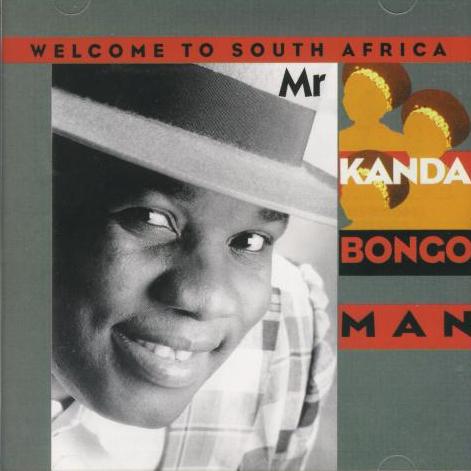
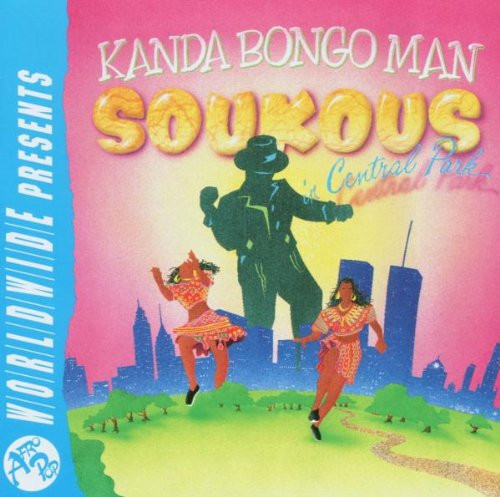
Over the decades, Kanda Bongo Man has managed to capture sounds from all over the world. “I am a musician who listens to all styles of music from around the world, then I develop my own melody,” he confesses. Zing Zong (1991), Soukous in Central Park (1993) and Welcome to South Africa (1998) bear witness to this blending. In 2005, he performed at Live 8; in 2022, back at the Africa Oyé festival in Liverpool, forty years after his first WOMAD. His legacy lies in this ability to make soukous accessible without betraying it. “I found rumba, I played it, and the next generation will perform it after my departure,” he says. African music is everywhere today as Kanda never ceased to dream.
Major works
| Work | Year | Why it’s essential |
|---|---|---|
| Iyole | 1981 | First international hit, signed with Diblo Dibala |
| Kwassa Kwassa | 1989 | The album that gave its name to the global phenomenon |
| Zing Zong | 1991 | Touching tribute to the memory of the Soki |
Sources and references
- “Kanda Bongo Man: The Place Of African Music”, BDLife / APIE News, https://appsaf.apieproject.com/news/2022/09/26/kanda-bongo-man-the-place-of-african-music/, accessed 19 October 2026.
- “Kanda Bongo Man”, Wikipedia (EN), https://en.wikipedia.org/wiki/Kanda_Bongo_Man, accessed 19 October 2026.
- “Kanda Bongo Man — Biography”, AllMusic (Craig Harris), https://www.allmusic.com/artist/kanda-bongo-man-mn0000303409, accessed 19 October 2026.
- “Artist Profiles: Kanda Bongo Man”, World Music Central (Angel Romero), https://worldmusiccentral.org/artist-profiles-kanda-bongo-man/, accessed 19 October 2026.
- “Kanda Bongo Man”, Official Site, http://www.kandabongoman.com/, accessed 19 October 2026.
- “Kanda Bongo Man et son Kwasa Kwasa!”, BBC Afrique, https://www.bbc.com/afrique/nos_emissions/2014/09/140930_kwasa_kwasa, accessed 19 October 2026.
- “Kanda Bongo Man”, Discogs, https://www.discogs.com/artist/496075-Kanda-Bongo-Man, accessed 19 October 2026.