Biography
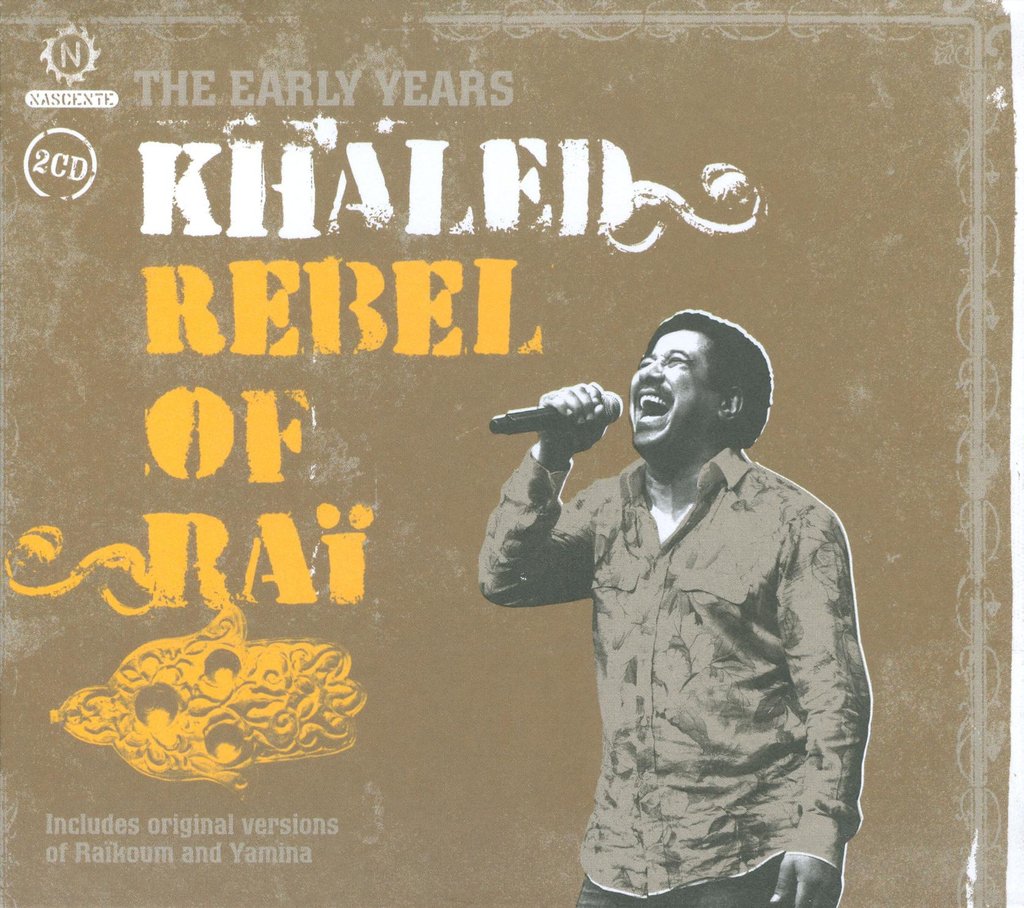
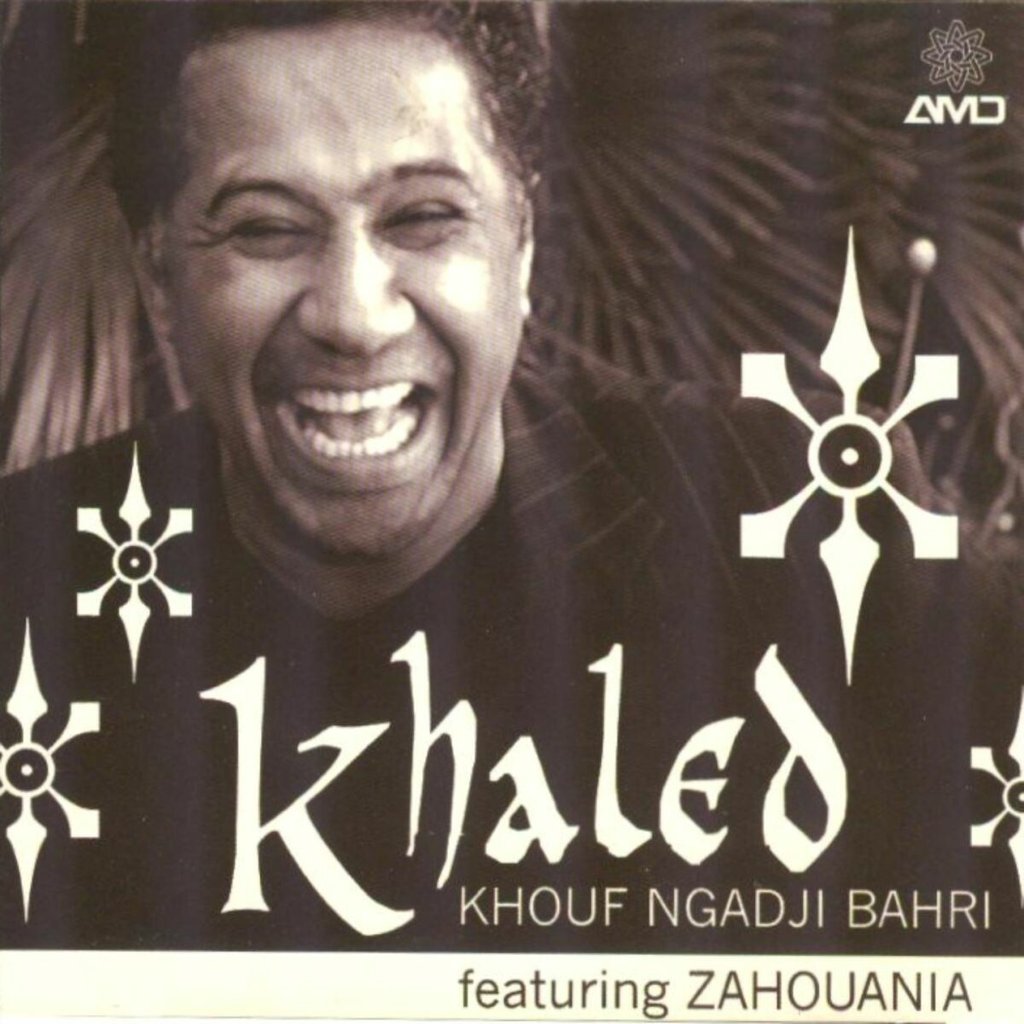
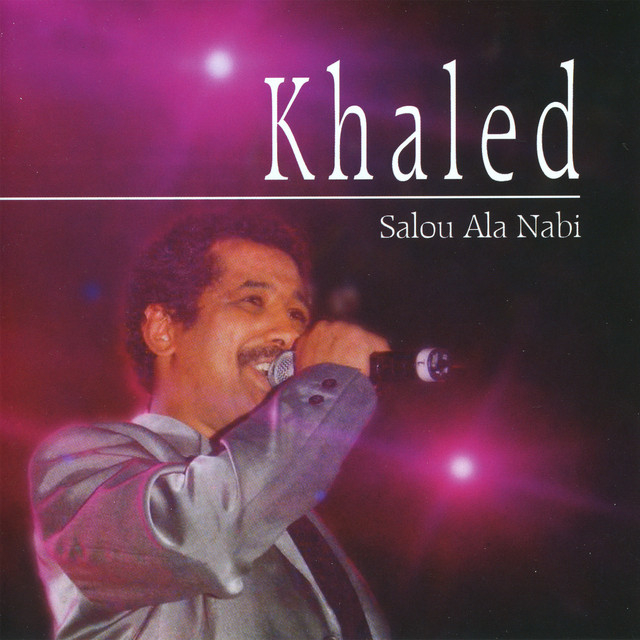
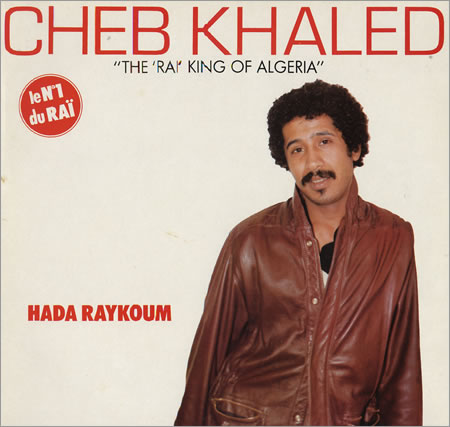
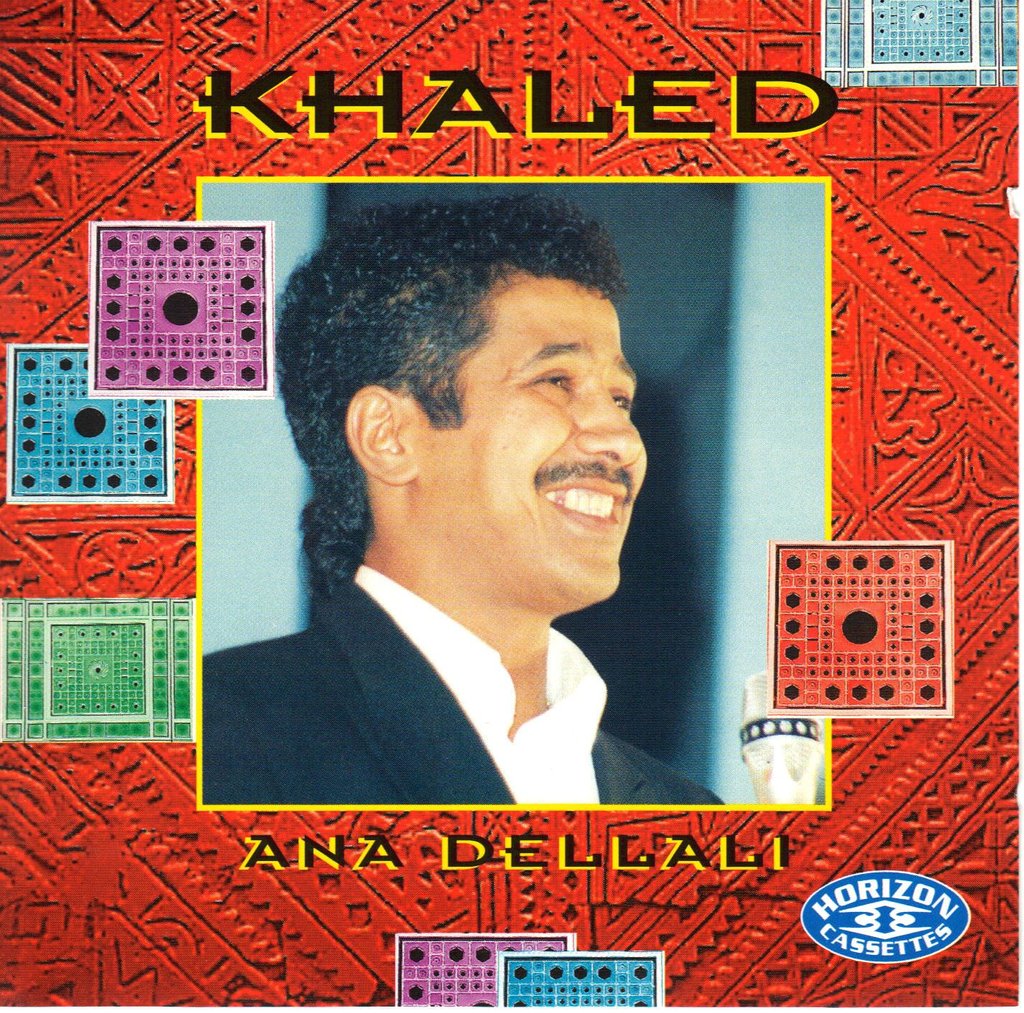
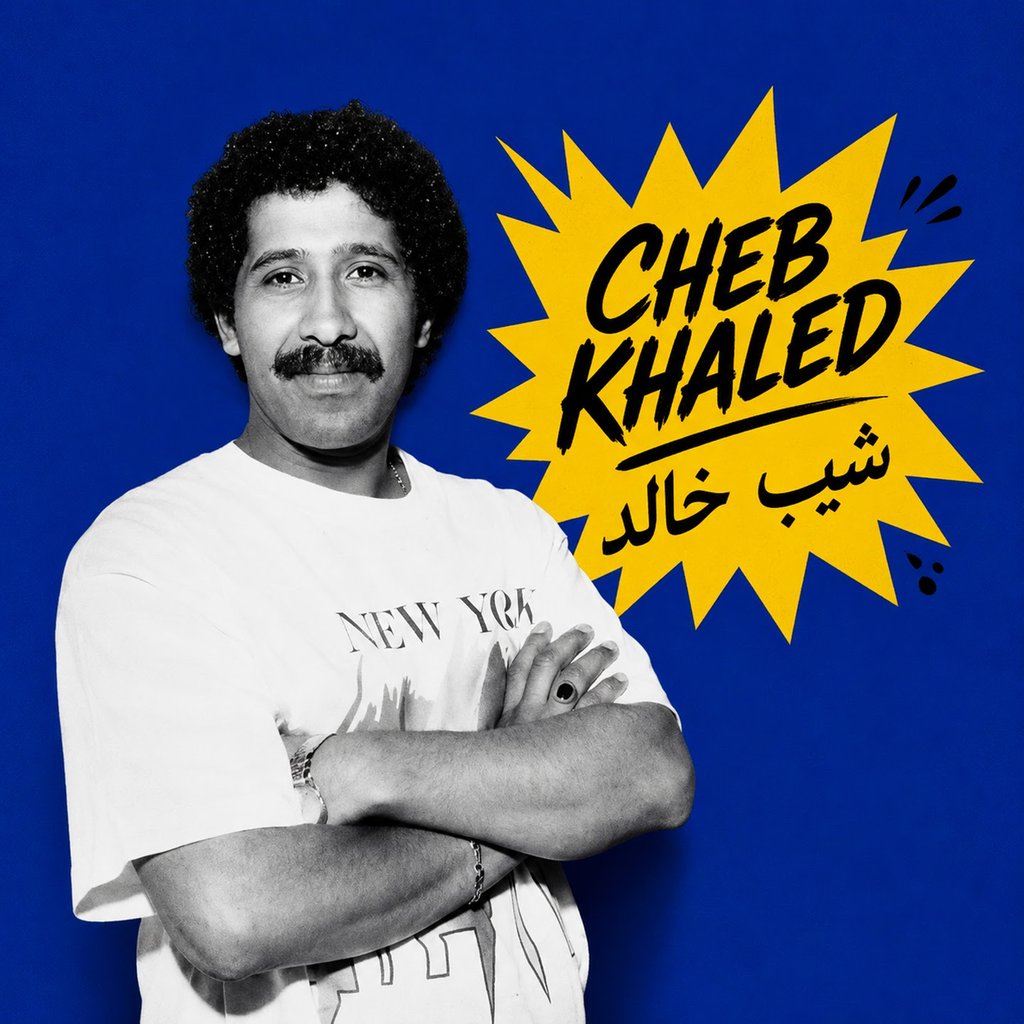
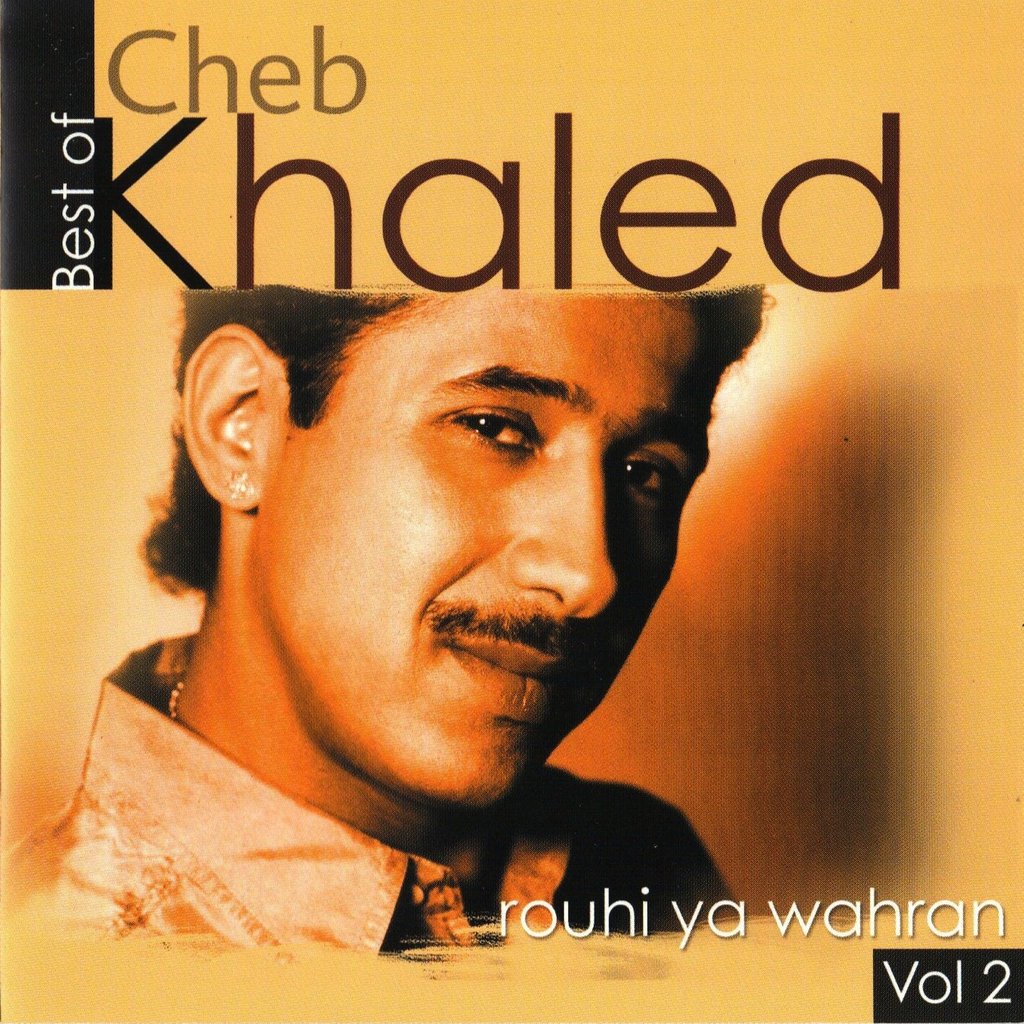
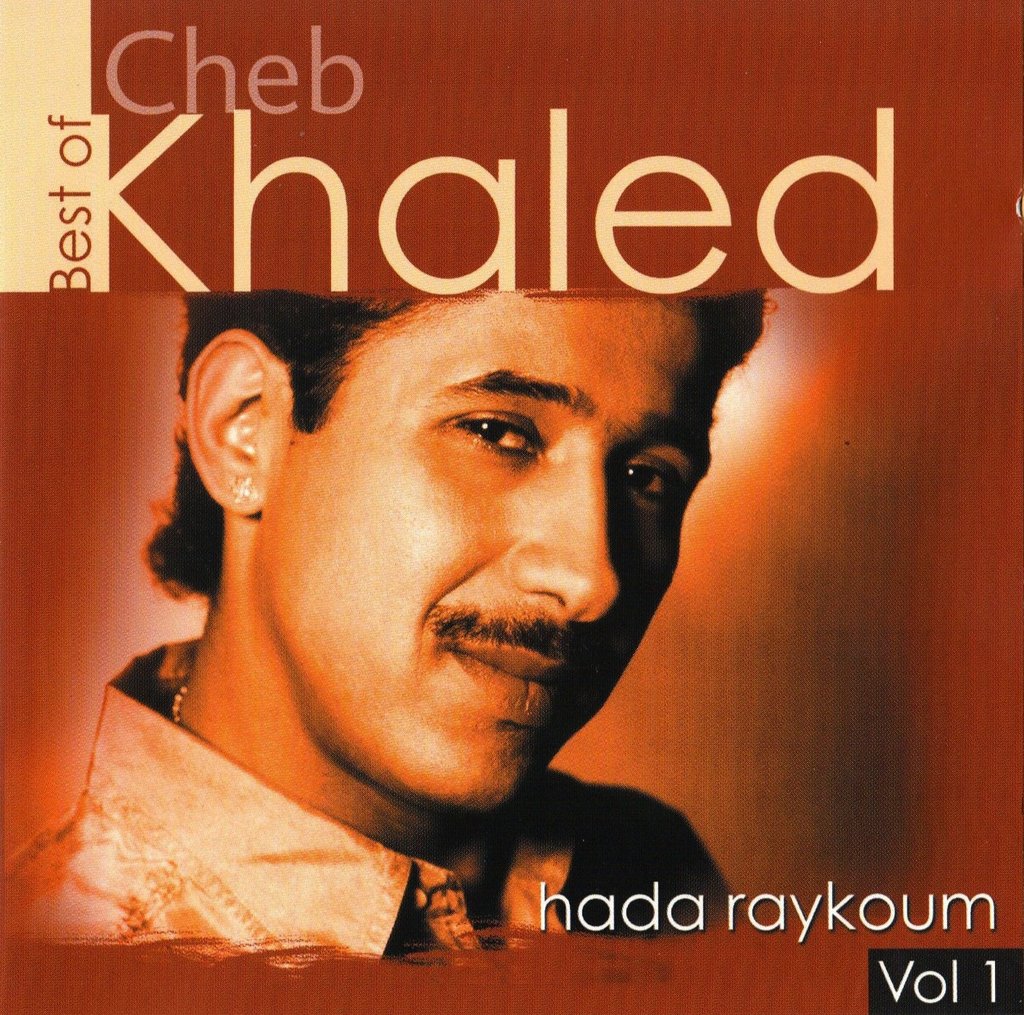
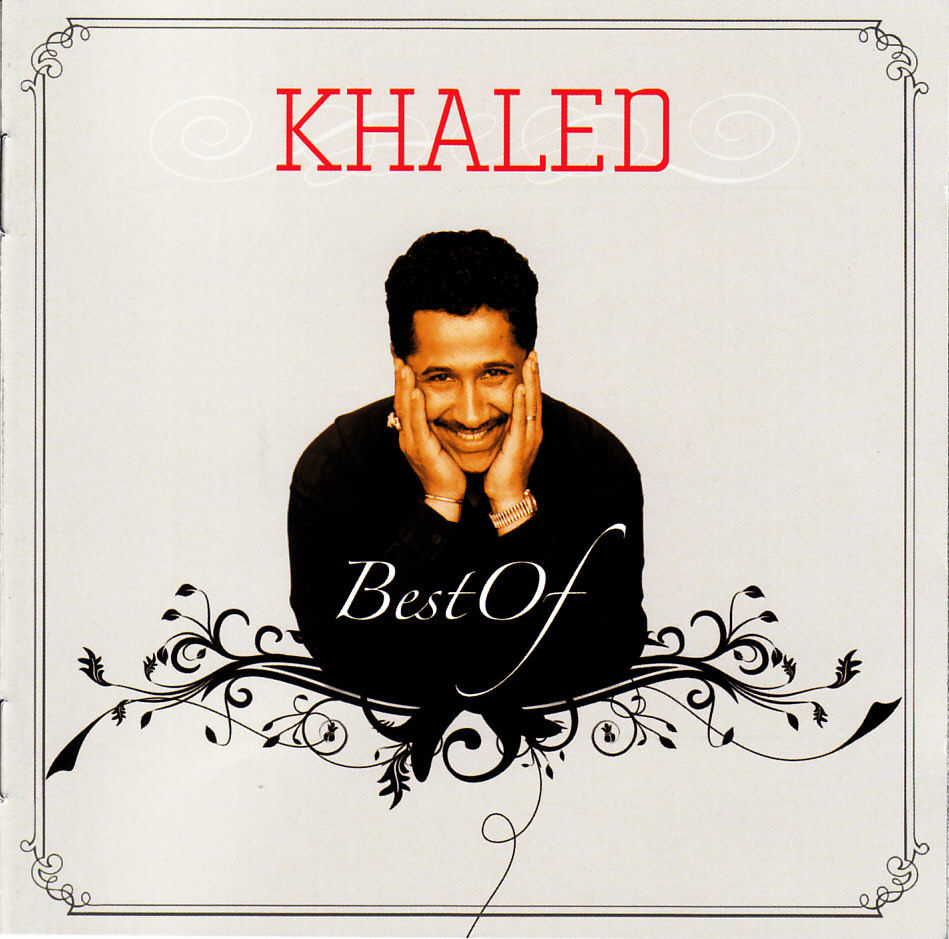
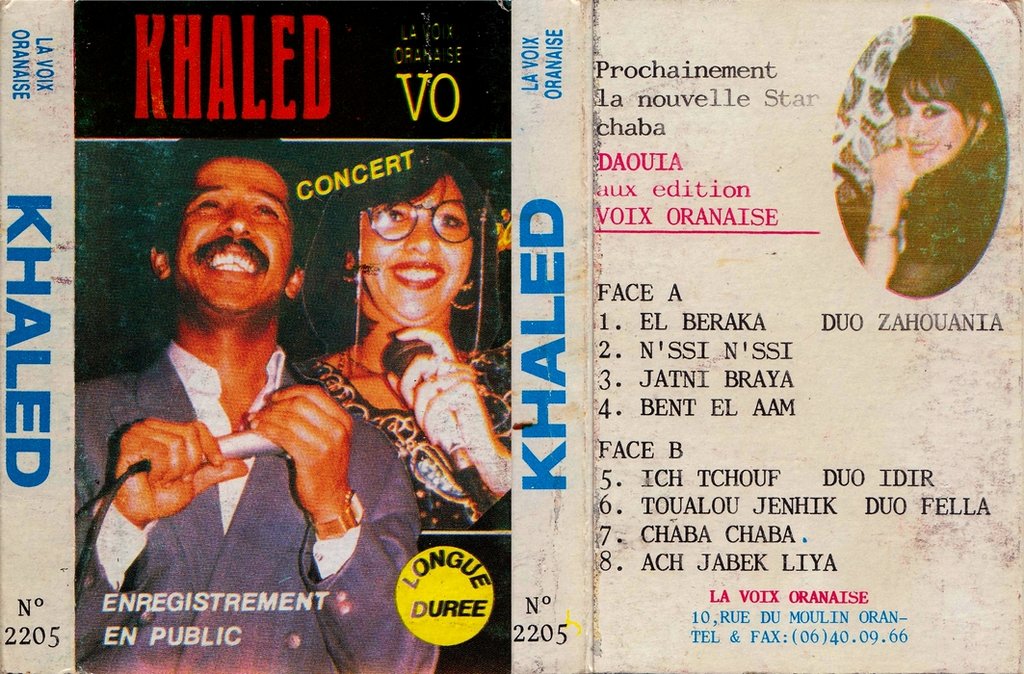
Khaled: the king of raï who conquered the world
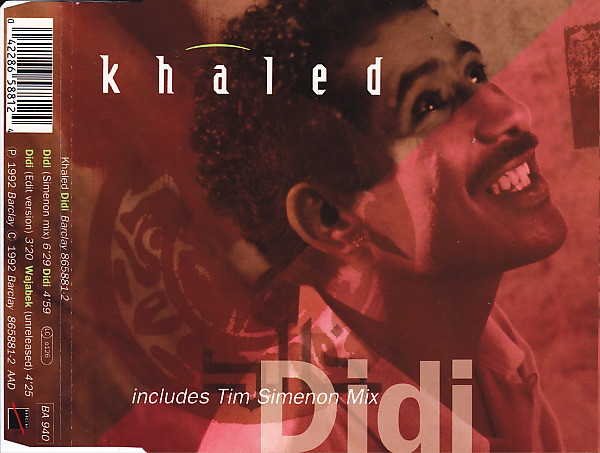
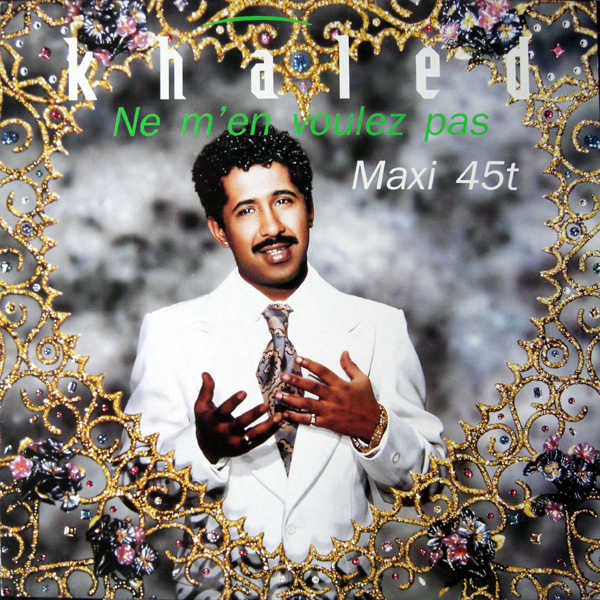
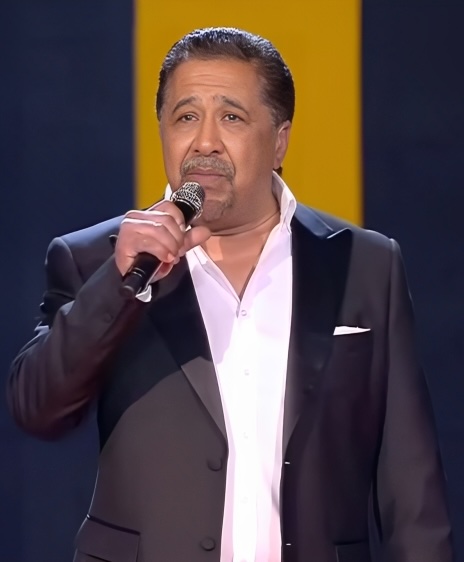
In 1992, a deep and soulful voice burst onto the scene: “Didi” by Cheb Khaled. An Arabic Algerian song driven by triumphant brass, sounding like a manifesto. No one yet knew that this single would make Khaled a global phenomenon, opening the door of raï to Western audiences.
In brief
| Full name | Khaled Hadj Ibrahim |
| Birth | February 29, 1960, Oran, Algeria |
| Field | Raï — Algerian popular music born in Oran in the 1920s, blending North African traditions and Western influences |
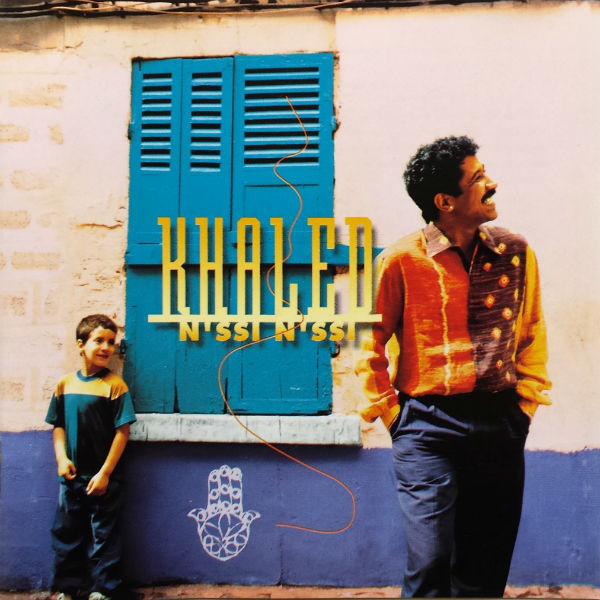
| Iconic works | “Didi”, “Aïcha”, “N’ssi N’ssi” |
| Awards | Guinness World Record (2000), Chevalier des Arts et des Lettres, 80.5 million albums sold |
Key dates
| Year | Event |
|---|---|
| 1960 | Born in Oran, in the Sidi-El-Houari neighborhood |
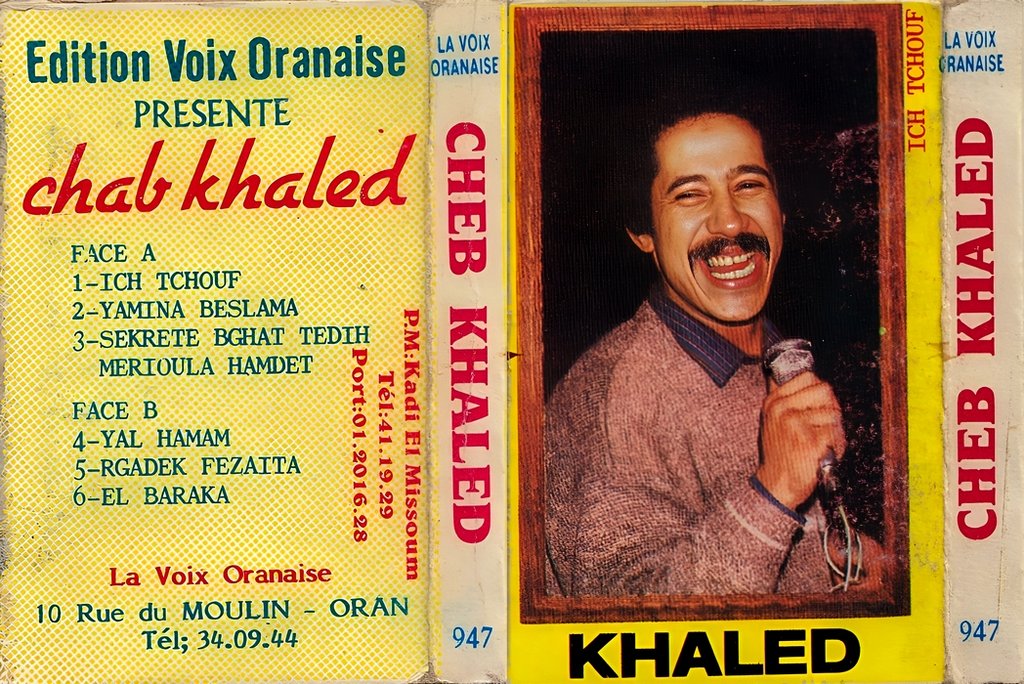
| 1974 | Records his first single, “La Route de lycée”, at age 14 |
| 1985 | Wins first prize at the Oran Raï Festival; becomes “Cheb Khaled” |
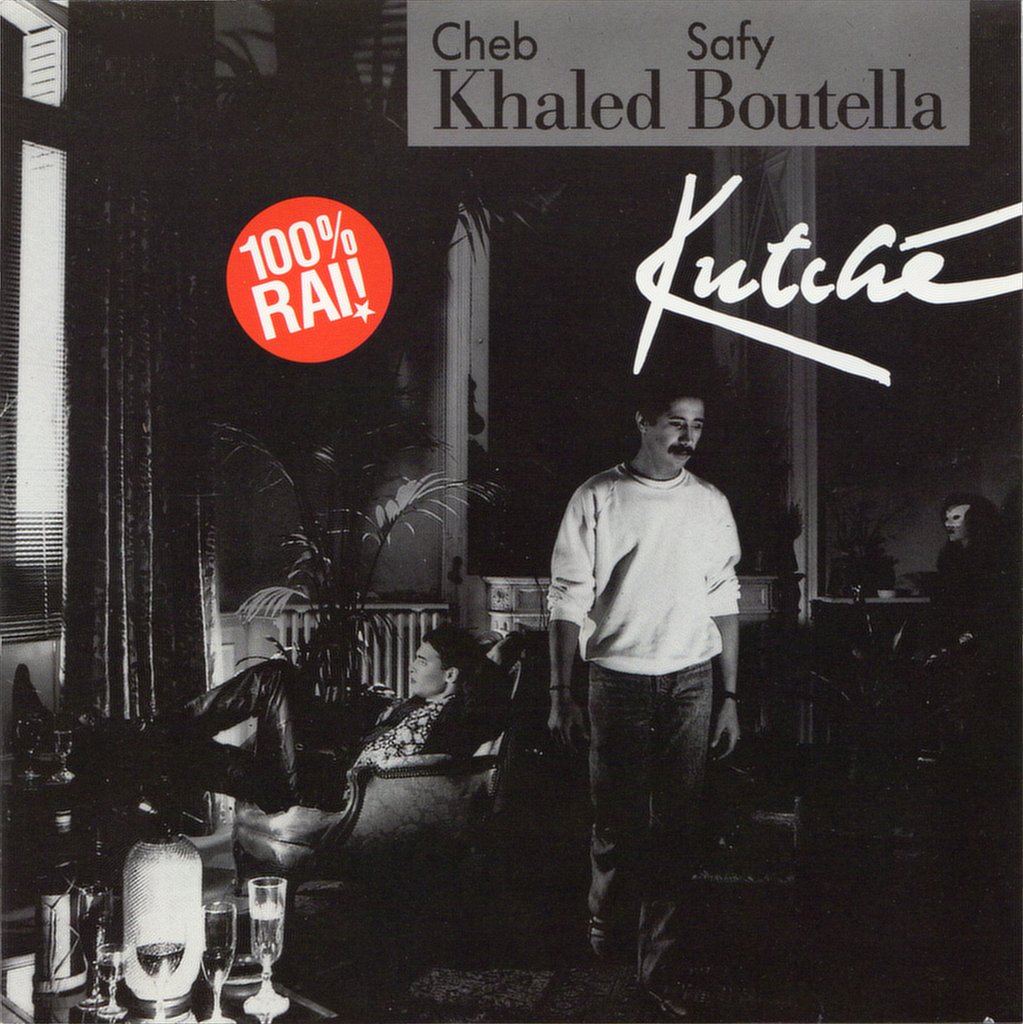
| 1988 | Moves to Paris; publishes Kutché with Safy Boutella |
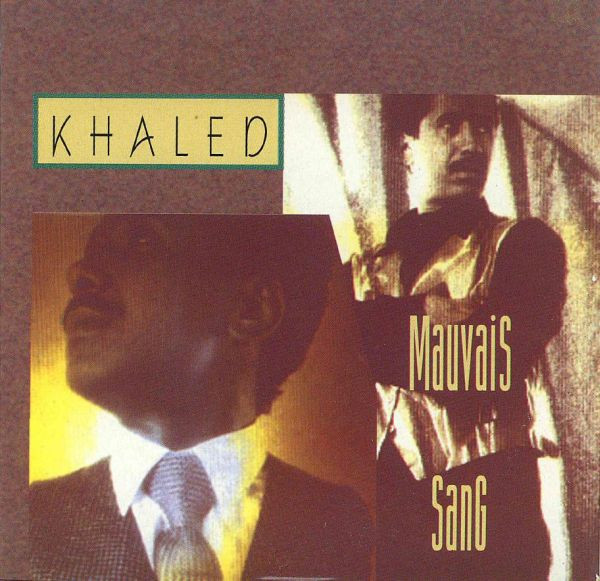
| 1992 | Release of the album Khaled, driven by the hit “Didi” |
| 1996 | “Aïcha” becomes a global hit (number 1 in France) |
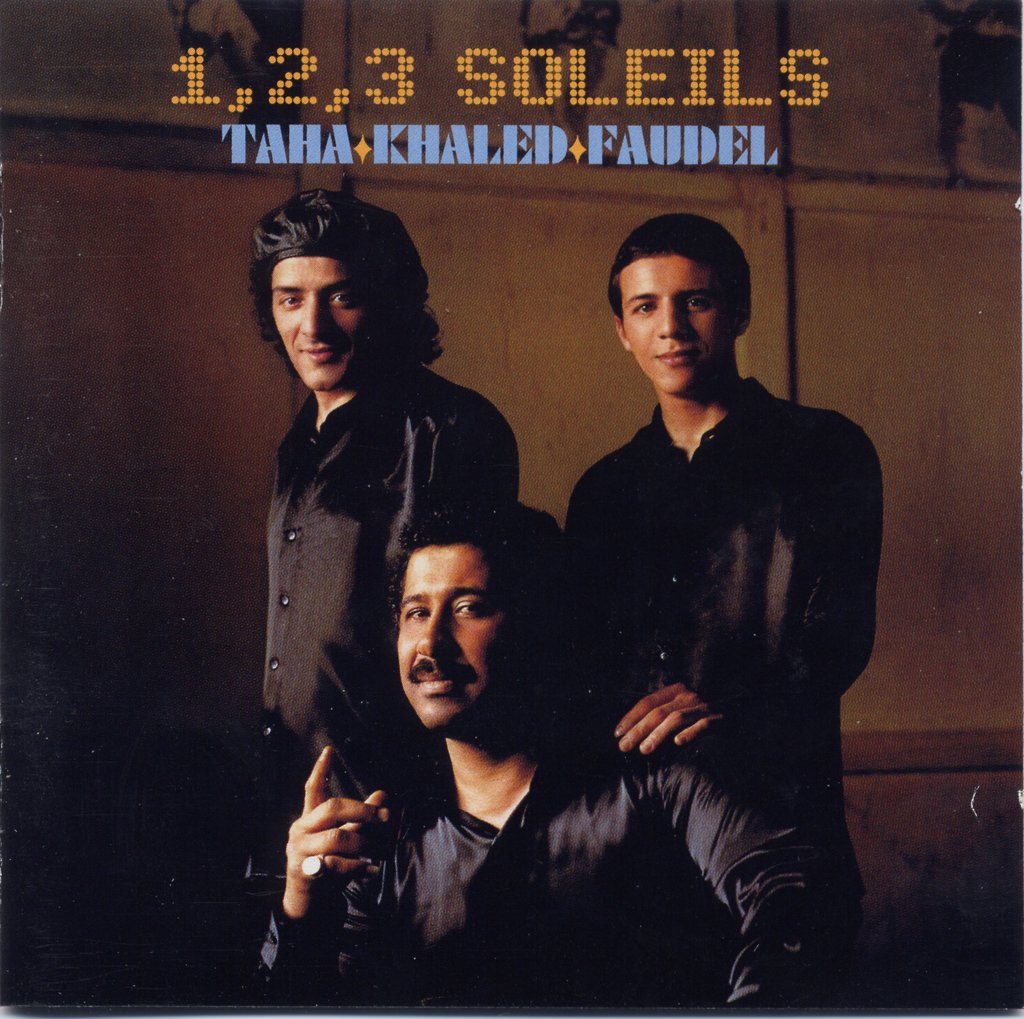
| 1999 | Live album 1, 2, 3 Soleils with Faudel and Rachid Taha (1 million sales) |
| 2000 | Guinness World Record for best-selling raï artist |
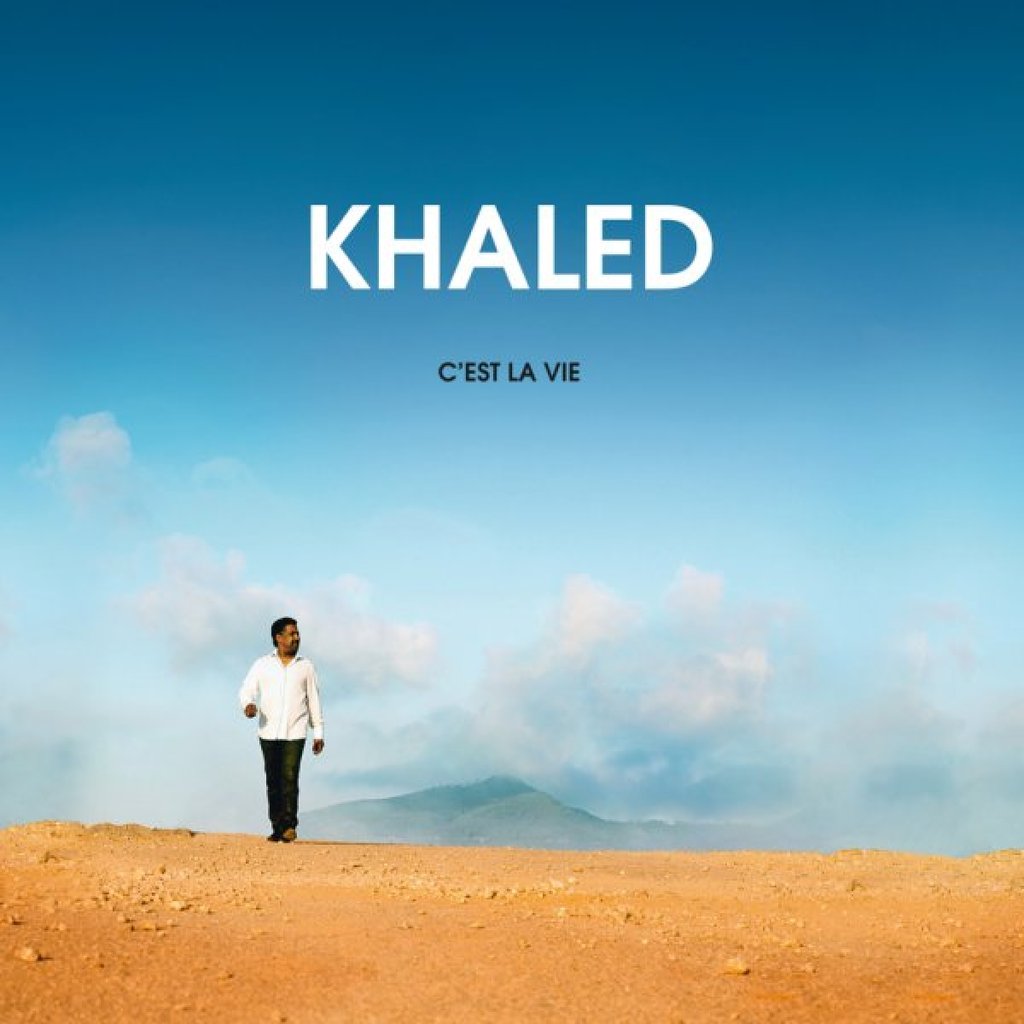
| 2012 | Return with C’est la vie |
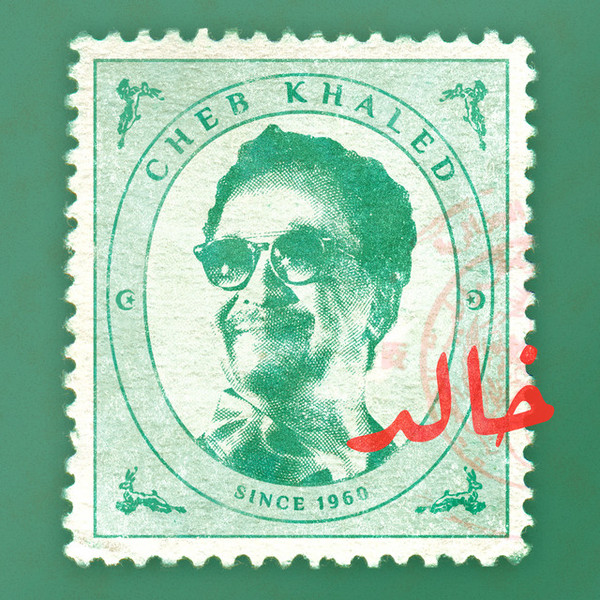
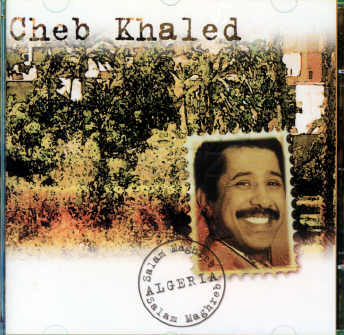
| 2022 | Last album Cheb Khaled |
From Oran to the world
Born Khaled Hadj Ibrahim in an Oran still under French colonial administration, Khaled grew up in the Eckmühl neighborhood, a cosmopolitan Mediterranean port. His family had no connection to music, but the child transformed: by ten, he mastered the accordion, guitar, and harmonica. Fascinated by raï — this raw urban music born from the cheikhats of Oran and adorned with Western sounds — he listened to records by Ahmed Wahby, Blaoui Houari, and Mostefa Ben Brahim. In 1974, at fourteen, he recorded “La Route de lycée”, a track about an adolescent dreaming of a music career. Little Cheb Khaled had just signed his first contract.
In 1985, at the first Oran Raï Festival, he won the grand prize and earned the nickname “Cheb”, meaning “young” in Arabic. But threats multiplied: his festive music and freedom of conduct provoked the fury of fundamentalists, who issued a fatwa against him. In 1988, Khaled settled in Paris and would not return to Algeria except with caution.
The international king of raï
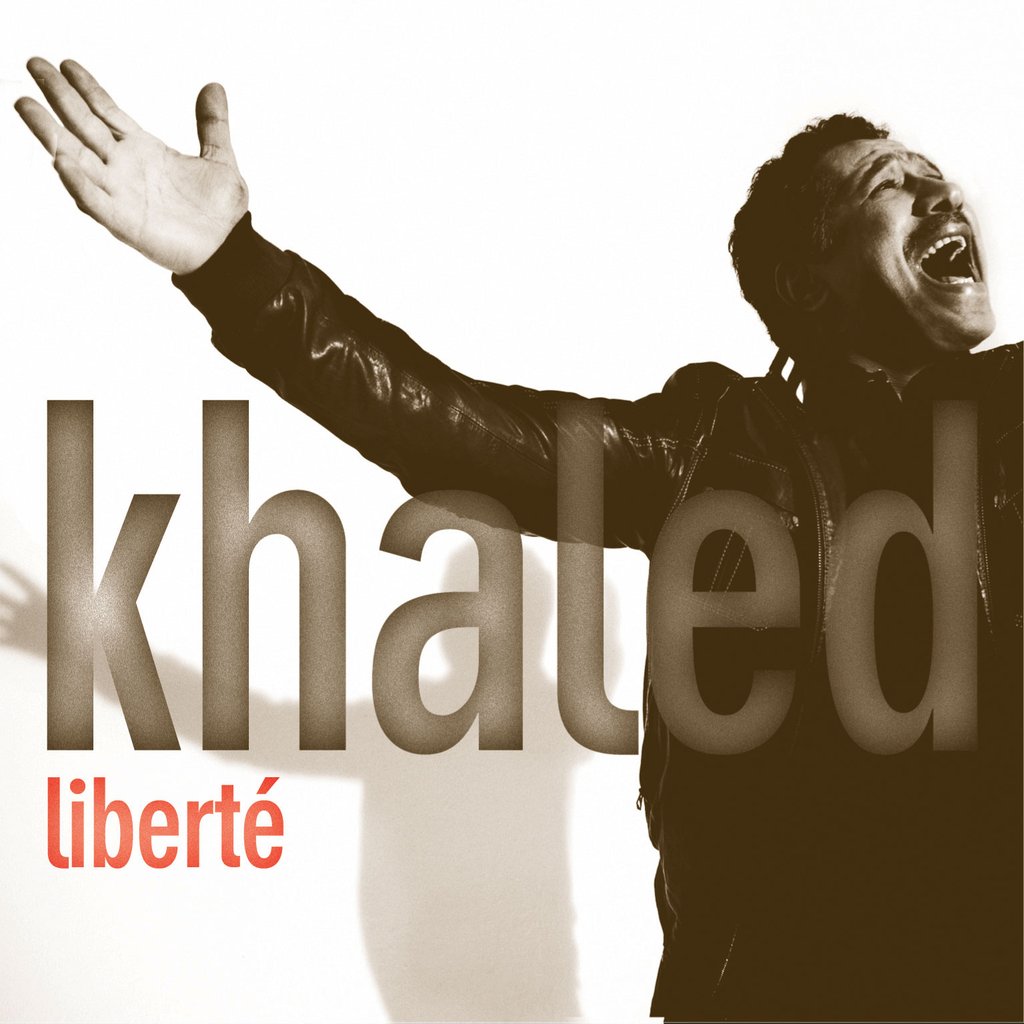
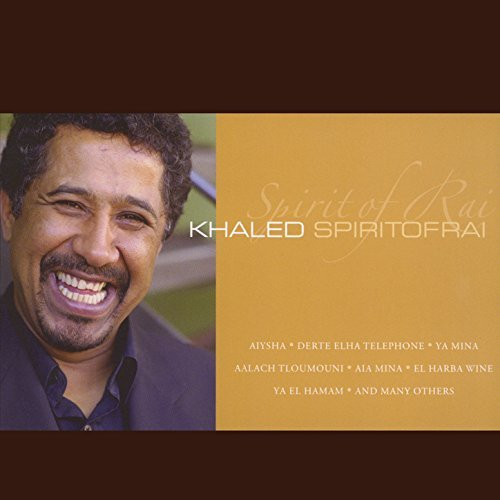
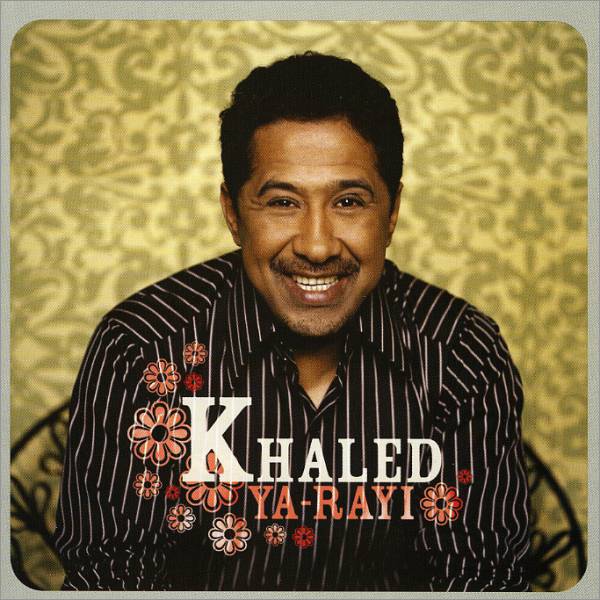
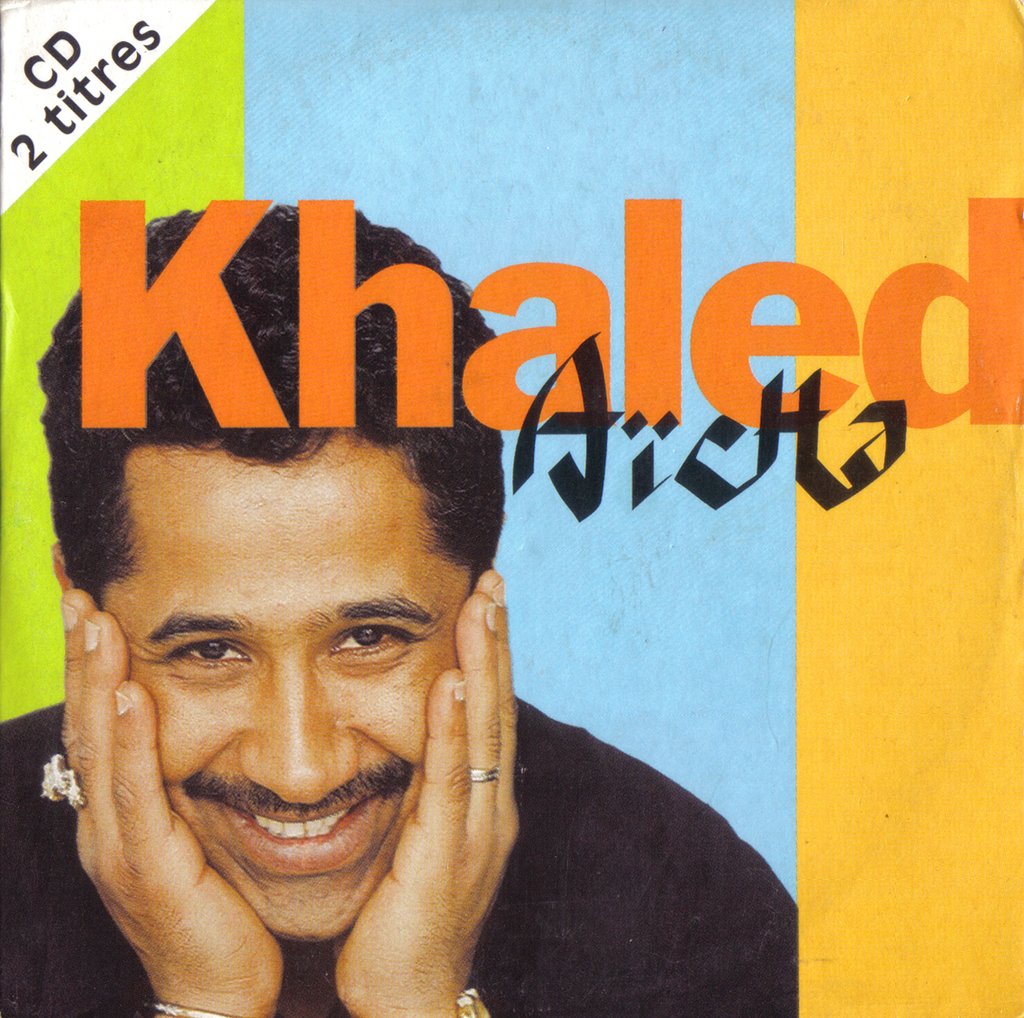
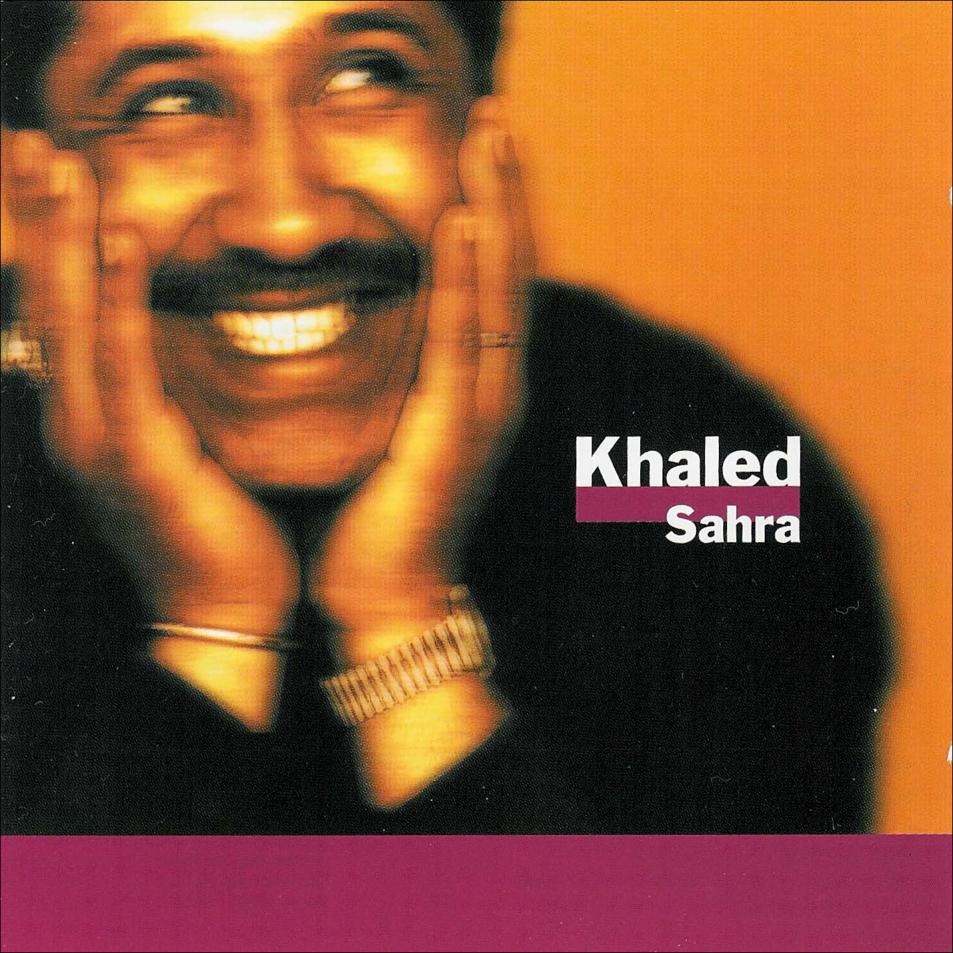
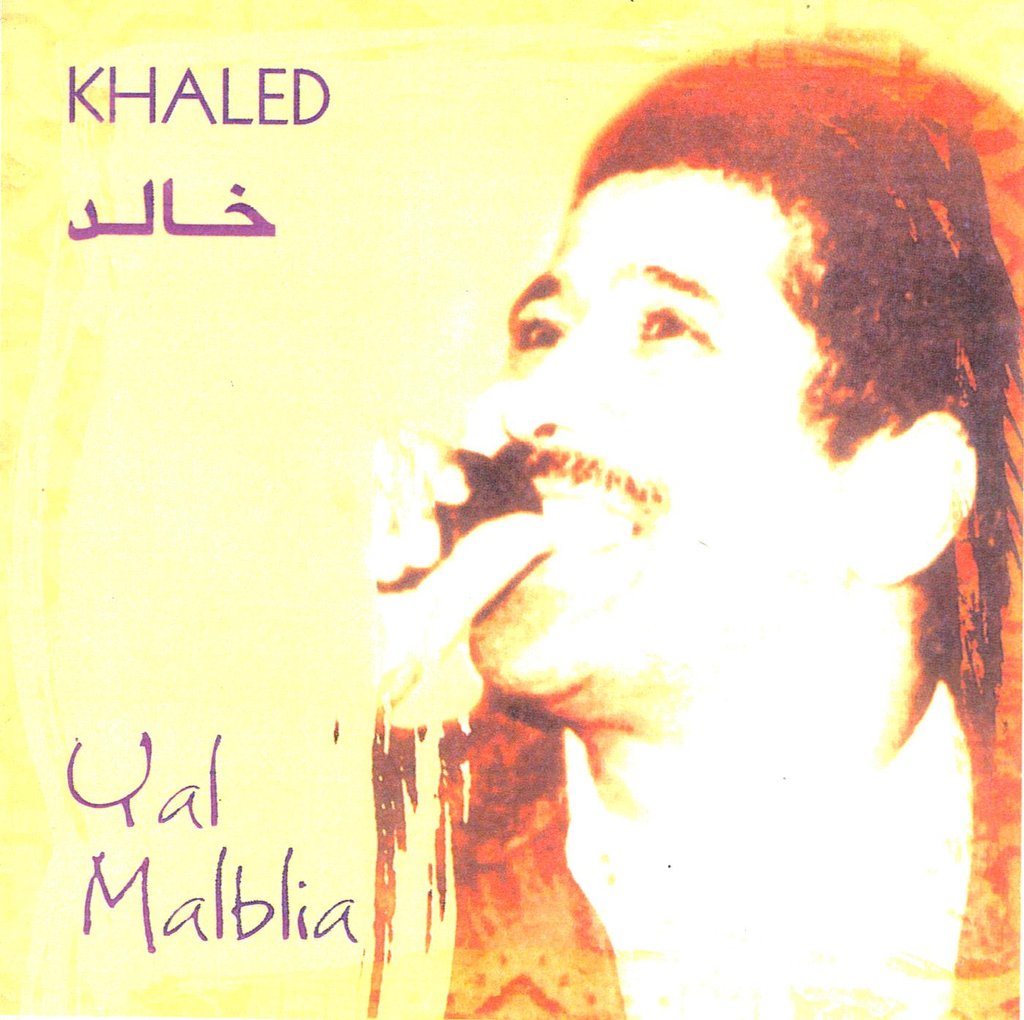
In Paris, his career took off. In 1988, with composer Safy Boutella, he released Kutché, an album that modernized raï with synthesizers and drum machines. But it was in 1992 that the world shifted: the album Khaled, produced by legendary Don Was, delivered “Didi”. The single climbed French, Belgian, and Swiss charts, surpassing two million copies. Khaled became the first Algerian singer signed to a major label. In 1996, “Aïcha”, a French ballad, reached number one on the hexagonal charts. In 1999, with Faudel and Rachid Taha, he recorded 1, 2, 3 Soleils, a live concert selling one million copies. After a decade of experimental albums (Sahra, Ya Rayi, Liberté), the singer returned in 2012 with C’est la vie, then signed a comeback in 2022 with Cheb Khaled.
Major works
| Work | Year | Why it’s essential |
|---|---|---|
| “Didi” | 1992 | First Arabic hit in France; opened raï to Western charts |
| Sahra | 1996 | Landmark album blending raï and reggae; “N’ssi N’ssi” fuses North African sounds with Asian instruments |
Legacy and influence
Khaled opened the door of raï to the world. His success legitimized an entire Algerian musical current. Artists like Faudel, Rachid Taha, or later El Maloum owe their place on international stages to the path traced by Khaled. In 2010, “Didi” rang out at the opening of the World Cup in South Africa: proof that his music, born in Oran’s alleyways, now crosses all continents.
Sources and references
- “Khaled”, Britannica, https://www.britannica.com/biography/Khaled, accessed October 20, 2026.
- “Khaled (musician)”, Wikipedia, https://en.wikipedia.org/wiki/Khaled_(musician), accessed October 20, 2026.
- “Khaled: The King Of Rai”, NPR, https://www.npr.org/2010/07/26/128723069/khaled-the-king-of-rai, accessed October 20, 2026.
- “Khaled”, The Guardian, https://www.theguardian.com/music/2004/aug/25/popandrock, accessed October 20, 2026.
- “Khaled”, AllMusic, https://www.allmusic.com/artist/khaled-mn0001604255, accessed October 20, 2026.
- “Khaled”, Discogs, https://discogs.com/fr/artist/62919-Khaled, accessed October 20, 2026.
- “Best-selling artist of raï music”, Guinness World Records, https://guinnessworldrecords.com/world-records/74489-best-selling-artist-of-rai-music, accessed October 20, 2026.
- “Khaled aka Cheb Khaled — Profile and Discography”, African Music Library, https://africanmusiclibrary.org/artist/Khaled%20aka%20Cheb%20Khaled, accessed October 20, 2026.