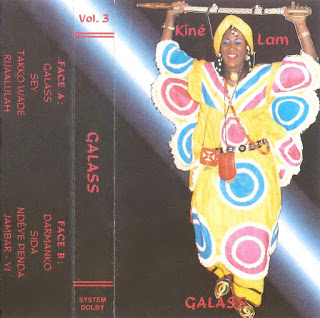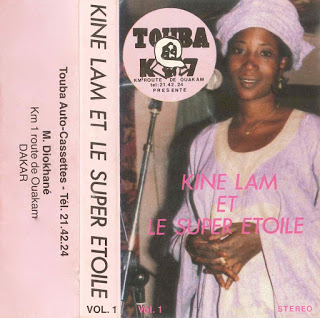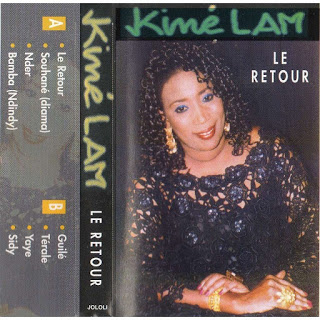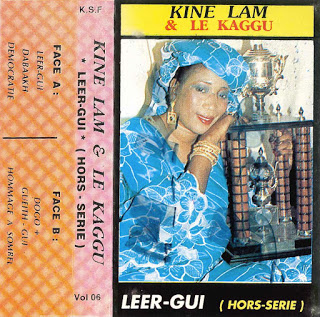
Biography
Kiné Lam
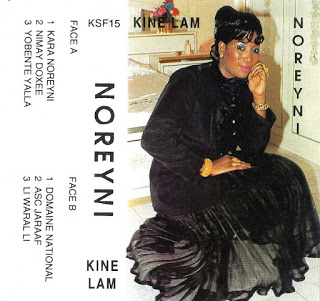
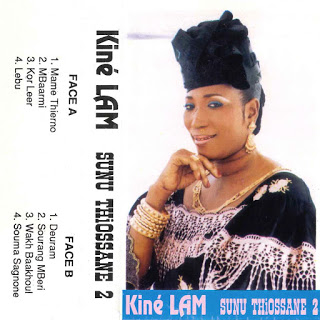
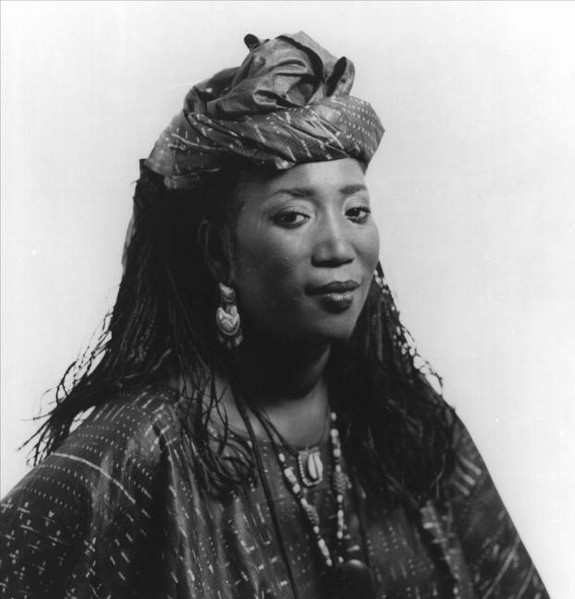
In 1975, on the outdoor stage of the Iba Mar Diop stadium in Dakar, a seventeen-year-old woman launched a piece with a clear and powerful voice. The audience then addressed her by a nickname that would become her stage name: Kiné Lam Mame Bamba. This marks the beginning of a half-century career that made her the first woman in Senegal to lead her own orchestra and one of the most distinctive voices of mbalax.
In Brief
| Birth name | Fatou Kiné Samb (known as Kiné Lam) |
| Birth | November 8, 1958, Grand-Dakar, Senegal |
| Field | Music — mbalax, tradi-moderne (fusion of Senegalese traditions and modern influences) |
| Notable works | “Mame Bamba”, Cheickh Anta Mbacké, “Dogo”, Praise, “Sey” |
| Awards | 3 × best female vocalist in Senegal; nicknamed the queen of mbalax |
Key Dates
| Year | Event |
|---|---|
| 1958 | Birth in Grand-Dakar, daughter of Mbaye Lam and Khady Samb from a griot lineage |
| 1972 | Creation of a traditional group that animates events and villages |
| 1975 | First steps at the Iba Mar Diop stadium; birth of the alias Kiné Lam Mame Bamba |
| 1978 | Entry into the Ensemble lyrique traditionnel of the Daniel Sorano theater (Dakar) |
| 1982 | First cassette recorded with the Super Étoile de Dakar |
| 1989 | Quartier libre du Sorano; creation of the group Kaggu and release of Cheickh Anta Mbacké (#1) |
| 1990-2003 | Most productive period: a dozen albums, tours Africa-Europe-America |
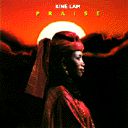
| 1996 | Release of Praise (Shanachie Records): first international album in the United States |
| 2019 | Death of her husband, Ndongo Malick Coumba Thiam (known as Dogo), after years of illness |
Origins, Revelation, and Consecration
Fatou Kiné Samb grew up in a popular neighborhood of Dakar, immersed in the Mouride values and griot tradition of her parents. School first inspired her: she followed its path at the Lycée Canada de Pikine, where the school theater troupe opened her way to art. She did not sing immediately, but it was through theater that she discovered a stage for herself. In 1972, she founded a traditional group that traveled through the cities and villages of Senegal. On November 8, 1975, her performance at the Iba Mar Diop stadium turned her destiny: the public and critics hailed her, and artist Abdoulaye Nar Samb bestowed upon her the alias Kiné Lam Mame Bamba.
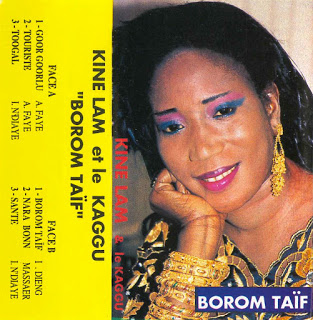
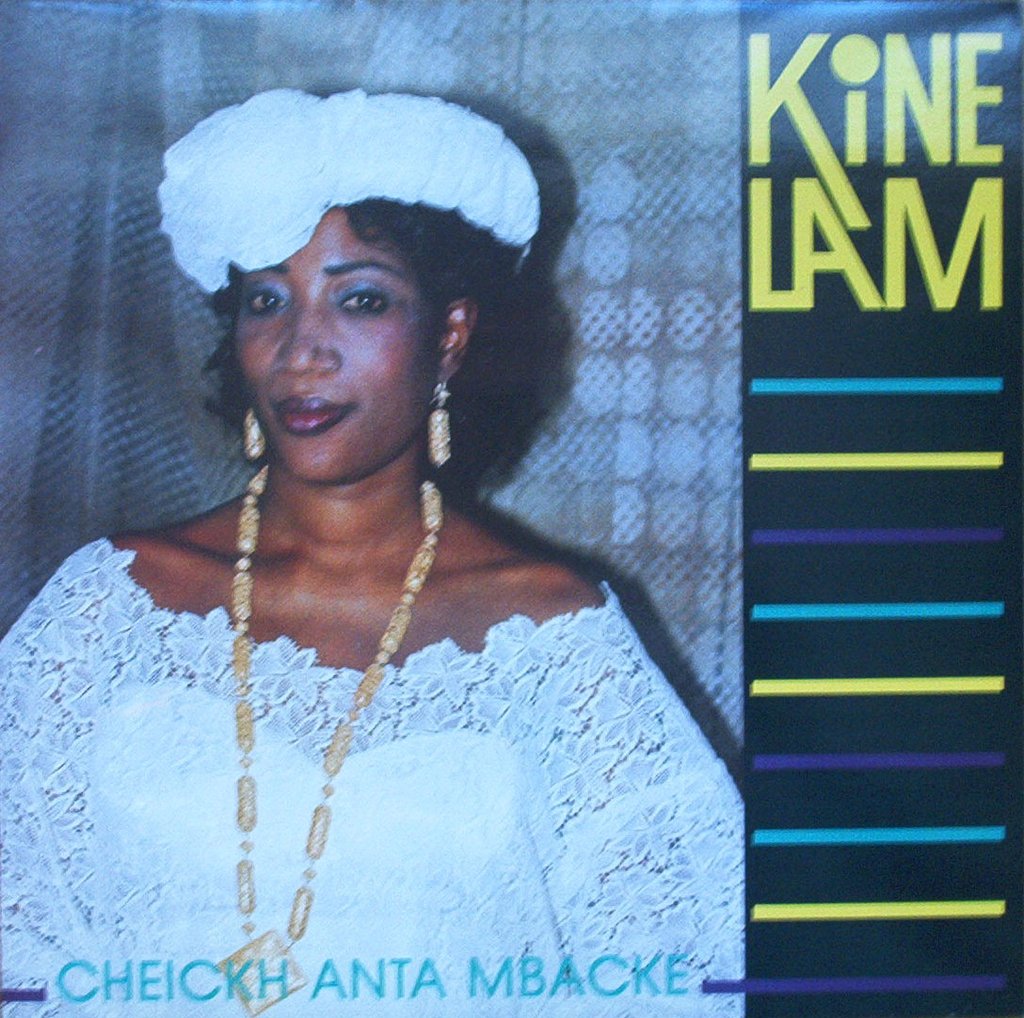
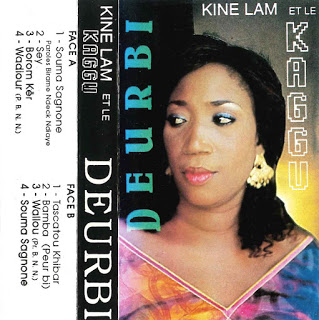
In 1978, she joined the Ensemble lyrique traditionnel of the Daniel Sorano theater in Dakar. For twelve years, she honed her stage expression on the sole national stage. Her style blends the ease of tradition with a modern assurance that attracts attention. After decades of collective work, she took off on her own in 1989. The album Cheickh Anta Mbacké, produced by Ibrahima Sylla at the Jbz studio in Abidjan, achieved a resounding success and launched the group Kaggu — “the library” in Wolof: Kiné Lam thus became the first woman in Senegal to form and lead her own orchestra.
Major Works
| Work | Year | Why it is essential |
|---|---|---|
| “Mame Bamba” | 1975 | First track that led to signing the alias Kiné Lam Mame Bamba |
| Cheickh Anta Mbacké | 1989 | First successful album, key title with “Dogo” dedicated to her husband |
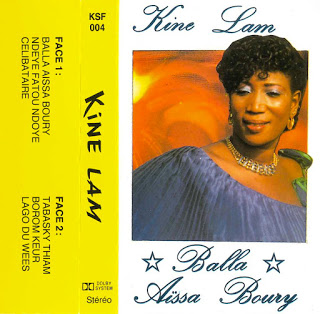
| “Balla Aïssa Boury” | 1990 | First album with Kaggu, affirmed tradi-moderne signature |
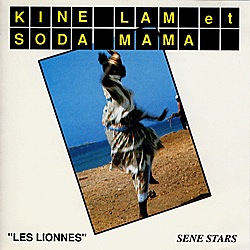
| Les Lionnes (with Soda Mama) | 1991 | First female collaboration album, produced by Syllart |
| Praise (Shanachie Records) | 1996 | International debut in the United States; The Beat qualifies her as a modern griot |
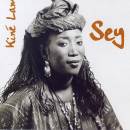
| “Sey” (CD World Connection) | 1998 | Strong social message, expanded international distribution |
Legacy and Influence
Kiné Lam paved the way for women in a musical field that was largely male-dominated. She embodies the possibility of deeply rooted Senegalese music without being confined to the past: her albums blend traditional rhythms with synthesizers, sabars and electric strings. Beyond her records, her voice carried messages — on love, collective memory, societal questions — through hundreds of concerts in Africa, Europe, Asia, and the United States. In 2025, a study day organized by Gre2C and Cheikh Anta Diop University in Dakar finally consecrated her work to academic research. Fifty years of songs, and the voice does not falter: Kiné Lam remains a reference for all singers who come after her.
Sources and References
- « Kiné Lam, a voice that transcends the eras (1/4) », Le Soleil (Dakar), accessed November 10, 2025.
- « Kiné Lam », Musiques d’Afrique (Frank Bessem), accessed November 10, 2025.
- « Kine Lam — Biography », AllMusic (Craig Harris), accessed November 10, 2025.
- « Kiné Lam », Afrisson, accessed November 10, 2025.
- « Kiné Lam », Discogs, accessed November 10, 2025.
- « Kiné Lam, Mame Bamba: The Golden Voice of Senegal », Warkha TV, September 2025.