Biography
King Mensah
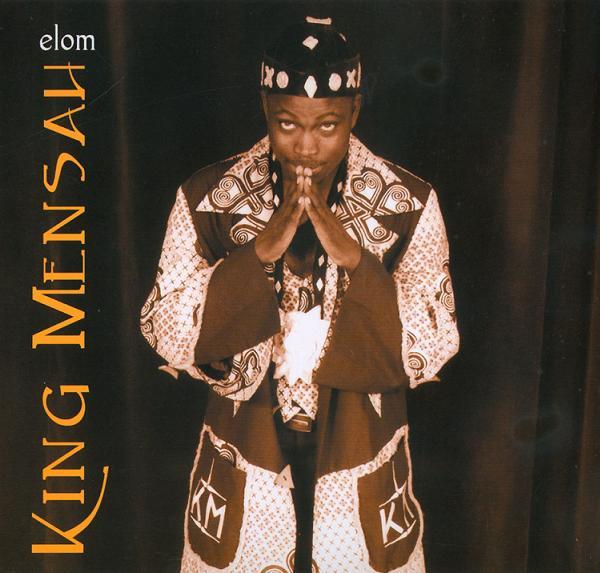
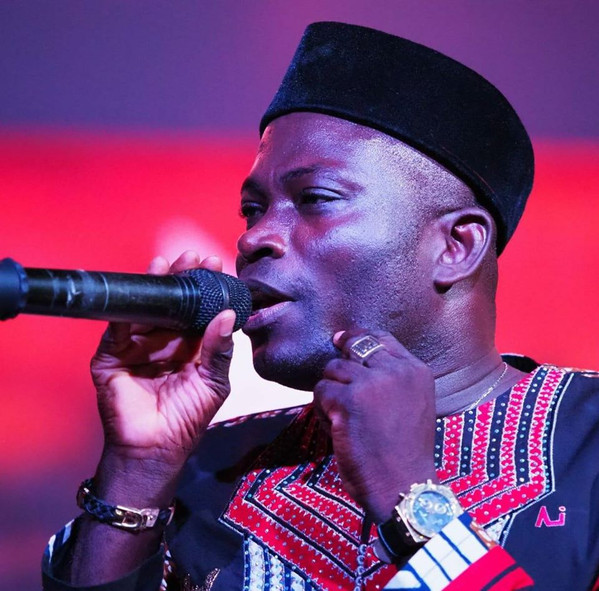
Lomé, 2015. On a stage at a pan-African festival, King Mensah hands over the microphone and lets the agbadza éwé percussion reverberate through the night, infused with funk and reggae. The nickname “golden voice of Togo” is not a compliment: it is a fact. This triple-hearted artist — musician, actor, philanthropist — has made his music a bridge between the traditions of his country and the sounds of the world.
In brief
| Full name | Ayaovi Papavi Mensah (King Mensah) |
| Birth | 12 August 1971, Lomé (Togo) |
| Genre | Afro-pop, funk, reggae ; traditional éwé and kabye music |
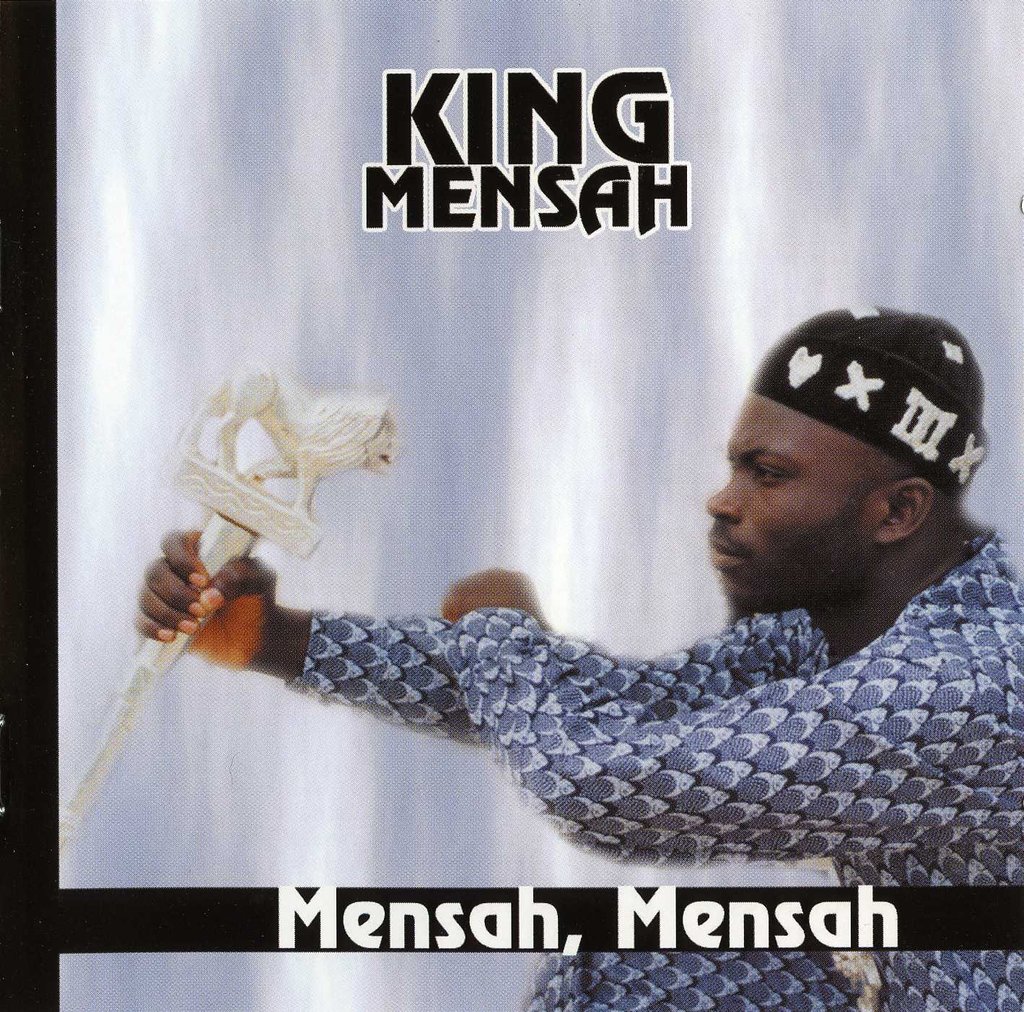
| Notable works | Madjo (1996), Mensah Mensah (2000), Yetonam (2008) |
| Awards | Kora Awards 2000 and 2004, Officer of the Order of the Mono |
Key dates
| Year | Event |
|---|---|
| 1971 | Birth in Lomé of a Togolese father and a Beninese mother |
| Around 1980 | Debut at nine years old in a traditional Togolese folk music ballet |
| 1980s-90s | Founding member of Les Dauphins de la Capitale |
| Early 1990s | First performances at the Ki-Yi M’Bock theatre in Abidjan (Côte d’Ivoire) |
| 1996 | Release of the first album Madjo, a pan-African success |
| 1997 | ACCP/UNESCO Best Togolese Artist Award in Paris |
| 2000 | Kora Award (South Africa) ; Togo Music Awards — best artist and best album (Mensah Mensah) |
| 2004 | Second Kora Award in the category of best traditional inspiration |
| 2005 | Creation of the King Mensah Foundation for orphans ; start of international tours |
| 2015-2020 | Albums Da (2011), Soke (2014), Togbui (2018), Denyigba (2020) ; interview with the BBC |
Genesis and consecration: a triple-hearted artist
Son of a Togolese father (Ayaovi Papavi Mensah) and a Beninese mother, King Mensah grew up at the crossroads of the cultures of the West African coast. From the age of nine, he sang and danced in Togolese folk music ballets — a training that would shape the rhythmic foundation on which he would build his entire career. In his youth, he joined the group Les Dauphins de la Capitale in Lomé. It was there that he refined his voice and discovered the art of stage performance.
In the early 1990s, King Mensah broadened his horizons: he joined the Ki-Yi M’Bock theatre troupe, founded by the Cameroonian artist Werewere Liking. In Abidjan and then in cities across West Africa, he blended dramatic acting with singing. This dual skill as actor and musician gave him a rare stage presence, which decades of world tours have only strengthened. He later performed in Europe, Japan, French Guiana, and Benin.
In 1996, King Mensah released his first solo album, Madjo, recorded in Paris. A massive pan-African success, Madjo established the codes of a sound that would become his signature: a bold fusion of traditional éwé rhythms (the agbadza and akpessé, ceremonial dances of the éwé people originating from Togo, Ghana, and Benin) with elements of funk, reggae, and afropop. King Mensah sings in éwé, mina, and French — three languages that testify to the natural multilingualism of his region.
His recognition came quickly: in 1997, UNESCO (via the ACCP in Paris) honored him as “best Togolese artist.” In 2000, he won the Kora Award in South Africa and three distinctions at the Togo Music Awards (best artist, best album for Mensah Mensah, excellence prize). In 2004, he won again at the Kora Award in the category of best traditional inspiration. These international awards made him one of the most publicized Togolese musicians of his generation.
Major works
| Work | Year | Why it is essential |
|---|---|---|
| Madjo | 1996 | First album and pan-African revelation, establishing the King’s signature: agbadza, funk, and reggae |
| Mensah Mensah | 2000 | Signature album, honored at the Togo Music Awards and a spokesperson for an assumed African sound |
| Yetonam | 2008 | Spiritual hope and artistic maturity; title taken from an éwé prayer |
| Denyigba | 2020 | Return to traditional percussion, twenty-five years after Madjo — the promise kept |
Legacy: humanitarianism and music
In 2005, King Mensah founded the King Mensah Foundation, a philanthropic organization dedicated to the protection and education of orphans in Togo. An orphanage was established in Agbodrafo, twenty-five kilometers east of Lomé. His lyrical themes — hope, faith, the dignity of orphans and the oppressed — carry a humanitarian message that the artist makes heard both on international stages and in the speeches of his foundation.
The BBC described King Mensah as the “golden voice of Togo”: an expression stuck to him by the public that the singer embodies, because he does not merely sing his country — he becomes its voice. His style, a marriage between African traditions and modern sounds, paved the way for generations of young Togolese musicians who claim this inspiration. From Madjo in 1996 to Denyigba in 2020, King Mensah remains one of the few Togolese artists to have successfully combined international artistic recognition, global stage presence, and sustained solidarity engagement.
Sources and references
- « King Mensah », Wikipedia (French version), https://fr.wikipedia.org/wiki/King_Mensah, accessed 5 November 2026.
- « King Mensah », Wikipedia (English), https://en.wikipedia.org/wiki/King_Mensah, accessed 5 November 2026.
- Frank Bessem, « King Mensah (Togo) — Musiques d’Afrique », Musiques d’Afrique (restofafrica.net), https://www.musiques-afrique.net/restofafrica/art-mensah-king.html, accessed 5 November 2026.
- « King Mensah — The golden voice of Togo », WakaTogo, https://wakatogo.com/en/artistes/king-mensah.html, accessed 5 November 2026.
- Laeila Adjovi, “Togo’s ‘Golden Voice’: ‘I want to sing the rhythms of my country’”, BBC News Africa, https://www.bbc.com/news/av/world-africa-33851763, 10 August 2015.