Togo — When the funk of Lomé reveals the African soul
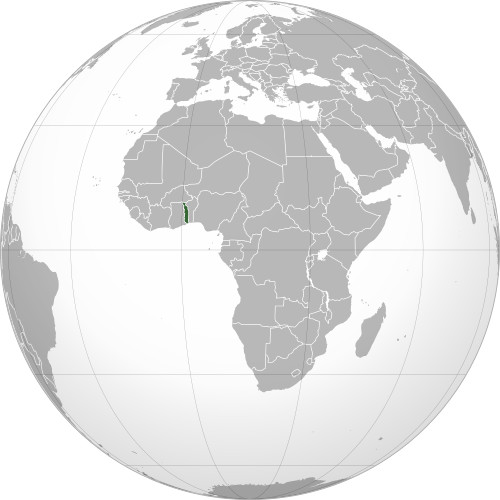
Togo, this narrow strip of land stretching from the Gulf of Guinea to the Sahel, is one of Africa’s smallest countries. It nonetheless shelters more than forty ethnic groups, dozens of languages, and a music scene that for decades remained in the shadow of its great neighbors — Ghanaian highlife, Nigerian afrobeat, Congolese rumba. Yet, each generation has produced artists who shaped modern African sound. Today, the new Togolese wave is conquering global platforms while drawing its roots from vodun rituals and Ewe rhythms.
From Ewe rhythms to the first urban scenes (1950-1970)
Togolese music is first and foremost the music of peoples. The Ewe, who are the majority in southern Togo, developed rich forms such as agbadja (a dance rhythm around the balafon and tam-tams) and borborbor, used during celebration ceremonies. The north, on the other hand, carries the heritage of the Kabyè, Moba and Kotokoli, whose musical traditions are based on the flute, drum and polyphonic singing. These traditional rituals are nothing like ‘museum’ music: they live, dance and accompany every major stage of community life1.
At the end of the 1950s, the wave of electrification reached Togo as it did the rest of West Africa. The guitarists, saxophonists and percussionists from Lomé took up traditional rhythms and integrated them into ensembles that blended modern instruments with local sounds. Producer Gérard Akueson, a former percussionist who became the first African to open a record label in France (1962), founded Disques Akue. His studio in Lomé and his Parisian studio became the laboratory of Togo’s first modern scene2.
Did you know? Gérard Akueson opened Disques Akue in France in 1962, making him the first African to run a record label on the Old Continent. His label also hosted Bella Bellow as well as GG Vikey, a Beninese star2.
Bella Bellow: the first international diva of Togo
Georgette Nafiatou Adjoavi Bellow, known as Bella Bellow, was born on January 1st, 1945 in Tsévié, thirty-five kilometers north of Lomé3. Her career, though brief, shone far beyond Togolese borders. In 1966, at only twenty-one years old, she represented her country at the first Festival mondial des arts nègres de Dakar, the greatest pan-African cultural event of the time4. In 1969, her album Rockia, produced by Gérard Akueson and arranged by the Cameroonian Manu Dibango — before he would explode with “Soul Makossa” — marked a turning point: it was the first pop album entirely sung in the Ewe language5.
Her deep, powerful voice, blended with funk and soul arrangements, made her an international star. She performed at the Olympia in Paris, the Maracanã in Rio, and toured Francophone Africa — Côte d’Ivoire, Congo, Zaïre — where her concerts gathered frenzied crowds3. Dressed in wax, singing in Mina (her mother tongue) and Ewe, Bella Bellow imposed a sound that was both deeply Togolese and resolutely modern. She died in a car accident on December 10, 1973, at twenty-eight years old, a few days before her birthday3.
After her death, Togo mourned her as an illustrious daughter. The BCEAO (Central Bank of West African States) printed her portrait on the 10,000 CFA franc bill; the Togolese postal office issued a series of stamps in her likeness; every year, on the eve of her death, commemorative concerts gathered her fans3. Artists like Angélique Kidjo, the Beninese, took up her titles Zelie and Blewu, performed on the stage of the Centenary of the Armistice in Paris in 20186.
The funk of the Golf Stars and Roger Damawuzan
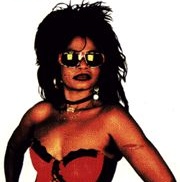
In the 1970s, Logo lived its golden period. Urban ensembles blended afrobeat, highlife and traditional rhythms. The As du Golf — among whom Roger Damawuzan, nicknamed the “James Brown of Lomé” — held top spot with a devilish funk sound, between James Brown-style screams and Ewe percussion7. Damawuzan, nicknamed the “King of Gazo” (gazo being a Togolese rhythm originally linked to war dance), bridged generations: he strung together concerts across West Africa and left a catalogue that would be dug up forty years later.
In 2016, the compilation Togo Soul 70, published by French label Hot Casa Records, rediscovered for the Western world these buried recordings — Yta Jourias, Akofa Akoussah, Sewavi Jacintho — and revealed to the planet a Togolese funk as lively as that of its Nigerian and Ghanaian neighbors8.
Transmission: from Julie Akofa Akoussah to Vaudou Game
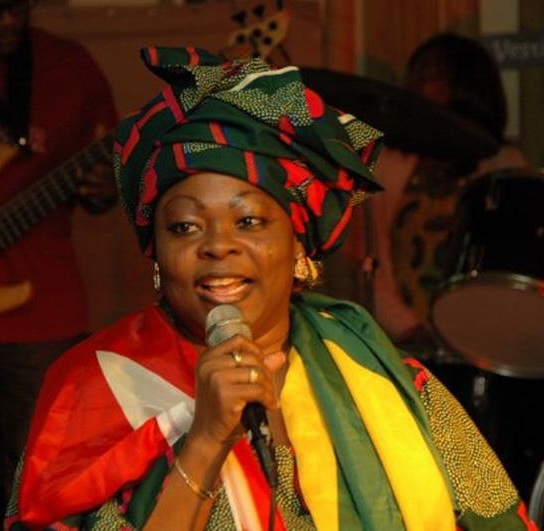
Following Bella Bellow, several artists continue to carry the torch. Julie Akofa Akoussah, born in Lomé, faced off against Bella Bellow in an artistic competition at the Centre culturel français in 1962; she developed a solid career and became an icon of Togolese modern song9. Afia Mala, also born in Lomé, won first prize at the Cotonou singing contest in 1980, toured Burkina Faso, Togo and Benin for three years, and published Lonlon Viye in 1984 — a classic of the continent10.
The contemporary renaissance began in the late 1990s with Vaudou Game, the group founded in Lyon by Peter Solo, born in Aného-Glidji — the native land of the guin people, a major center for vodun11. The group bridges the sacred songs of Togolese vodun and 1970s funk. On his first album Apiafo (2014, Hot Casa Records), Peter Solo, the only African member of the group, codified traditional vodun scales to transpose them onto modern instruments — saxophone, trombone, keyboards, drums. The result is hypnotic funk, with melodic lines that evoke both possession rituals and Parisian clubs12.
For the album Apiafo, Peter Solo invited his uncle Roger Damawuzan, a legend of the 1970s, who sings on the track Pas Contente. This meeting of generations — the spiritual grandson of a funk star and the funk star herself — is a perfect metaphor for Togolese music: rooted, yet turned toward the future12.
New faces: hip-hop, trap and afropop
The current Togolese scene is extraordinarily diverse. Since the 2010s, artists like Fofo Skarfo from La Source, Mic Flammez, Prince Mo and Toofan have popularized rap and hip-hop in ewé and French. Prince Mo, signed to Armel Production, won the best hip-hop artist award at the All Music Awards in 2015. Fuga Boy and Cyntish, also signed, are part of the new generation2.
On the afropop and trap side, Santrinos Raphaël breaks records with tracks like Fanta Diallo, which plays on loop on YouTube and TikTok. Kiko decapitates Togolese rap with an incisive flow on Bâtard (2023). Kevison blends pop-rap and kamou, traditional music from northern Togo13. The young female generation is also in full effervescence: Almok, propelled by the Fanga Music label, is the first Togolese female artist to conquer an international audience in afropop. Toto Patrick and Mirlinda, for their part, carry the zouk-dance sound. In 2022, Spotify recorded an 80% increase in streams of Togolese artists under twenty-five outside the country, a sign of an increasingly influential musical diaspora13.
Dogo du Togo (real name Massama Dogo) illustrates this trend. Born in Lomé in 1972, he has lived between Washington and Lomé since the year 2000. His project Dogo du Togo & The Alagaa Beat Band blends psychedelic rock and afrobeat, drawing on Togolese festive and ritual rhythms. In 2024, his album Avoudé, recorded in less than forty-eight hours with engineer Patrick Jauneaud (who has worked with Elton John and Queen), was praised by international critics as a musical identity card for Togo14.
A future in the making
Despite these successes, the Togolese music industry remains young. Piracy, limited distribution and a lack of professional recording structures are constant challenges2. Studios like Tubland Record, Poq Industrie and Armel Production work to structure a professional sector, but infrastructure struggles to keep up with demand2.
Nevertheless, signs of vitality are numerous. Lomé Creative Club and Dreamz Entertainment offer platforms to young artists. International festival organizers are no longer slow to discover the Togolese sound: Vaudou Game plays at Transmusicales de Rennes, Dogo du Togo records in France and performs in Europe and the United States. In 2022, Togolese Prime Minister Victoire Dogbe herself published a playlist of Togolese artists, praising the “quality work” of the new generation15.
Togo is not Nigeria, nor Ghana, nor the Democratic Republic of Congo. Its musical identity does not merge with those of its neighbors — it complements them. From ewé rhythms in the south to kabyè traditions in the north, from vodun songs to funk riffs, from ewé hip-hop to French trap, each Togolese generation adds a new layer to the country’s sound. The Togolese musical soul awaits only for the whole world to take the time to listen.
Sources
-
Global Voices, « Togolese music scene embraces globalization without abandoning its roots », 6 février 2023. https://globalvoices.org/2023/02/06/togolese-music-scene-embraces-globalization-without-abandoning-its-roots/ ↩︎
-
Music in Africa, « The recording industry in Togo », musicinafrica.net/magazine/recording-industry-togo/ ↩︎ ↩︎ ↩︎ ↩︎ ↩︎
-
Wikipedia, « Bella Bellow », en.wikipedia.org/wiki/Bella_Bellow ; GhanaWeb, « Remembering Bella Bellow – la blueswoman d’Afrique », ghanaweb.com ↩︎ ↩︎ ↩︎ ↩︎
-
FM4 / ORF, « Bella Bellow – The Lost Voice of Togo », fm4.orf.at/story/soul-togo-100/bella-bellow-the-lost-voice-of-togo ↩︎
-
Biography.guide, « Bella Bellow (1945–1973) Biography », biography.guide/bella-bellow ↩︎
-
BBC Media Centre, « Bella Bellow, songbird of Togo », bbc.com/mediacentre/proginfo/2018/02/bella-bellow-songbird-of-togo ↩︎
-
Hot Casa Records, « Apiafo » (notice produit), hotcasarecords.bandcamp.com/album/apiafo ↩︎
-
Discogs, « Various – Togo Soul 70 », discogs.com/master/1097049-Various-Togo-Soul-70 ↩︎
-
Wikipedia, « Julie Akofa Akoussah », fr.wikipedia.org/wiki/Julie_Akofa_Akoussah ↩︎
-
Stern’s Guide to Contemporary African Music, Ronnie Graham (1988), p. 153–154. Togo chapter. ↩︎
-
OkayAfrica, « Vaudou Game Are Bringing Togolese Vodun Funk to Hot Casa », okayafrica.com/vaudou-game-are-bringing-togolese-vodun-funk-to-hot-casa/259938 ↩︎
-
Farout Magazine, « Vaudou Game: the Togolese band keeping voodoo rhythms alive », faroutmagazine.co.uk/vaudou-game-keeping-voodoo-rhythms-alive/ ↩︎ ↩︎
-
Upradio, « Scènes musicales émergentes à suivre : Bénin, Togo, Côte d’Ivoire — la nouvelle vague d’Afrique de l’Ouest », upradio.fr ; Levisionnaire, « Les talents émergents de la scène musicale togolaise », levisionnaire.tg ↩︎ ↩︎
-
Afropop Worldwide, « Dogo du Togo Puts Togolese Music on the Map », interview de Banning Eyre, afropop.org/articles/dogo-du-togo-puts-togolese-music-on-the-map ; dogodutogo.com ↩︎
-
Twitter de Victoire Dogbe, 1er janvier 2022. twitter.com/DogbeVictoire?s=20&t=epqXXOXpCZDJ4rDSVbNeMg ↩︎