Biography
Agboti Yawo
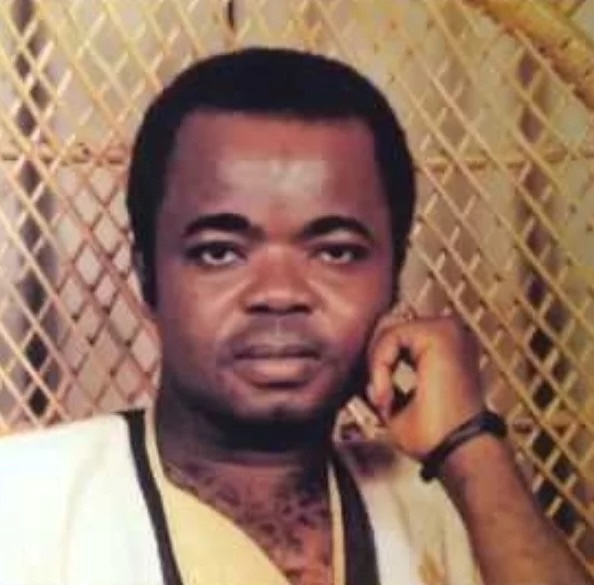
Born on the banks of the Zio River in 1959, Agboti Yawo spent forty years inventing the modern sound of Togo1. From his first disco hit to his exile over a political song, his journey traverses the upheavals of West Africa. Baptized “king of Sogo” by the press, this singer-songwriter never ceased to blend Ewe rhythms with Congolese soukous and jazz.
In brief
| Full name | Agboti Yawo Mawunam |
| Stage name | Agboti Yao |
| Birth | December 31, 1959, Ahavé (Zio prefecture, Togo) |
| Nationality | Togolese |
| Activities | Singer, composer, percussionist |
| Genres | Agbadja, Sogo, Soukous, African jazz |
| Notable works | “À toi ma mère”, “Ablodé gbadja”, Dome Gno-Gno |
| Honors | Officer of the Order of Mono (Togolese State) |
Key dates
| Year | Event |
|---|---|
| 1959 | Birth in Ahavé, Zio prefecture, to farming parents |
| 1974 | Childhood in Ghana; diploma equivalent to CEPE |
| 1977 | Second prize at the Interville contest of Radio Lomé |
| 1979 | First single, “Kudzéssu” (“Death”); 12,000 cassettes/month |
| 1980 | Togolese Song Star of the Golden Award; album Agbélenko |
| 1983 | “À toi ma mère”; tour in Côte d’Ivoire, France-Africa summit |
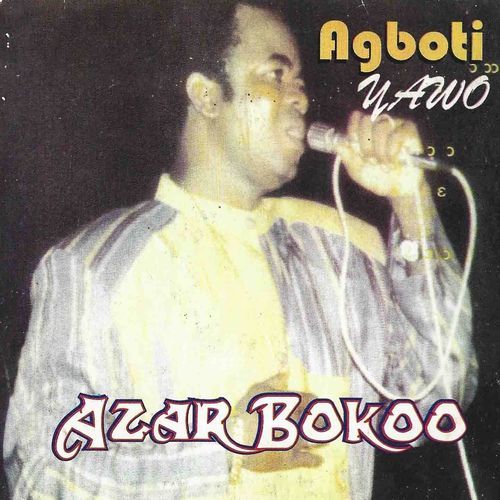
| 1987-1988 | Tours in Europe and Louisiana; recording of Medzago (Ele Boto) in Paris |
| ~1990 | Collaboration with Franco Luambo on Africa for Africa |
| ~2005 | Exile in Ghana, Germany, United States |
| 2010 | Return to Togo after twenty years of absence |
| 2018 | Jubilee concert celebrating 40 years of career at the Palais des congrès de Lomé |
Youth and breakthrough
Agboti Yawo Mawunam was born on December 31, 1959, in Ahavé, a small locality in the Zio prefecture2. His parents were farmers. Very young, he accompanied his family to Ghana where he spent part of his childhood, obtaining a diploma equivalent to CEPE. Contact with Ghanaian highlife and afrobeat already forged his ear. Upon returning to Togo, he continued his secondary studies at the Kouvé-Est college in Lomé, then at Tabligbo high school. At 15, he joined school groups and sang in public. A teacher spotted his talent and encouraged him to enter the Interville contest of Radio Lomé in 1977. He won second prize — a door that opened. This distinction allowed him to record his first single, “Kudzéssu” (“Death”), released in 1979. The title conquered Togolese discotheques and became a record for a Togolese artist of the time.
The ascent and exile
The following year, he won the Togolese Song Star of the Golden Award and released the album Agbélenko. The 1980s saw him string together tours and recordings in West Africa, Europe, and the United States3. In 1983, “À toi ma mère” became his first international hit, taking him to Abidjan for a promotion campaign that also saw him perform at the France-Africa summit. He recorded Medzago (Ele Boto) in Paris and participated in festivals in Louisiana.
It was at this time that Agboti developed his own style, blending agbadja — the traditional Ewe rhythm from southern Togo — with Congolese soukous and jazz4. He popularized Sogo, a modern rhythm of Togolese inspiration that became one of the country’s first forms of urban pop music. The cultural press adopted him and baptized him “king of Sogo”.
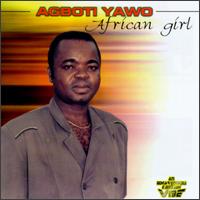
His themes anchored his music in reality: solidarity, family, love, peace5. “Ablodé gbadja” — “Total Freedom” — became a rallying cry for the Togolese opposition during the era of multipartyism. But this song, performed at the end of the 1980s, earned him threats. He fled. Exile took him to Ghana, Germany, and then the United States. He recorded African Girl (1998) and Evergreen from America, and toured Canada in 2006. In 2010, after almost twenty years, he returned to Togo. In 2012, he released Megavivinoumenamwo (“Don’t lie to me”). On August 31, 2018, a jubilee concert at the Palais des congrès de Lomé celebrated his forty years of career.
Major works
| Work | Year | Why it’s essential |
|---|---|---|
| “Kudzéssu” (single) | 1979 | First hit; 12,000 cassettes/month, first Togolese discotheque success |
| Agbélenko | 1980 | First album, crowned by the Star of Radio Lomé |
| “À toi ma mère” | 1983 | International hit; tour in Côte d’Ivoire and France-Africa summit |
| Africa for Africa | ~1990 | Collaboration with Franco Luambo; pan-African hymn about famine |
| “Ablodé gbadja” | ~1990 | “Total Freedom”; rallying cry, responsible for exile |
| Megavivinoumenamwo | 2012 | Post-exile return; “Don’t lie to me” |
Legacy
Agboti Yawo is a founding figure of modern Togolese music5. By inventing Sogo, this rhythm that makes Ewe traditions dialogue with urban sounds from Congo and the United States, he paved the way for an entire generation. His journey reflects that of his country: the hopes of independence, the trials of one-party rule, and the shift toward democracy. Exiled for a song that troubled power, he never gave up. His music, deeply Togolese yet open to the continent, continues to be broadcast from Lomé to Accra. The Togolese State named him an officer of the Order of Mono to honor his cultural contribution. With sixteen albums since 1979, he remains one of the most prolific Togolese artists.
Sources and references
-
Sylvie Clerfeuille, Afrisson, Agboti Yawo, 25 January 2013, accessed on 28 October 2026 ↩︎
-
Wikipedia FR, Agboti Yawo Mawunam, accessed on 28 October 2026 ↩︎
-
Music In Africa, Agboti Yao, 5 April 2016, accessed on 28 October 2026 ↩︎
-
Ahlin Accrobessi, Actuloupe, Agboti Yao: Portrait of the famous king of Sogo, 5 December 2015, accessed on 28 October 2026 ↩︎
-
Sylvie Clerfeuille, Afrisson, Agboti Yawo, 25 January 2013, accessed on 28 October 2026 ↩︎ ↩︎