Biography
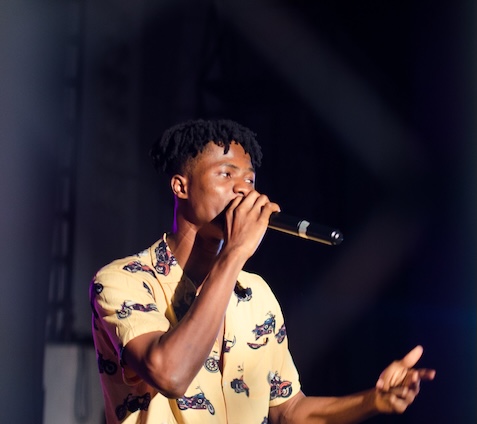
Kwesi Arthur
In the coastal city of Tema, on the outskirts of the Accra port area, in 2010 a young high school student listens to Drake’s album Thank Me Later and tells a friend: “yo, chale (dude)… I think I can do that too.” Fifteen years later, this same young man—Emmanuel Kwesi Danso Arthur Junior, known by the stage name Kwesi Arthur—is one of the most recognizable faces in Ghanaian hip-hop. His energy, his hits sung in Twi and Pidgin by generations of young people, and his BET Awards nomination make him a figure who transcends the country’s borders.
In brief
| Full name | Emmanuel Kwesi Danso Arthur Junior (stage name: Kwesi Arthur) |
| Birth | 18 December 1994, Tema (Ghana) |
| Field | Rapper, singer, songwriter and producer (hip-hop, afrobeats, hiplife) |
| Neighborhood of origin | Tema Community 9 |
| Iconic works | Live from Nkrumah Krom (2017), Son of Jacob (2022) |
| Awards | Hip Hop Song of the Year at the Ghana Music Awards (2018); Viewers Choice Best International Act nomination at the BET Awards (2018) |
Key dates
| Year | Event |
|---|---|
| 1994 | Emmanuel Kwesi Danso Arthur Junior is born in Tema, second of four children |
| 2010 | Listens to Drake’s Thank Me Later—the first artistic spark |
| 2013 | Completes high school (Temasco); university plans derailed by lack of funds |
| 2015 | Decisive meeting with the Ground Up Chale collective |
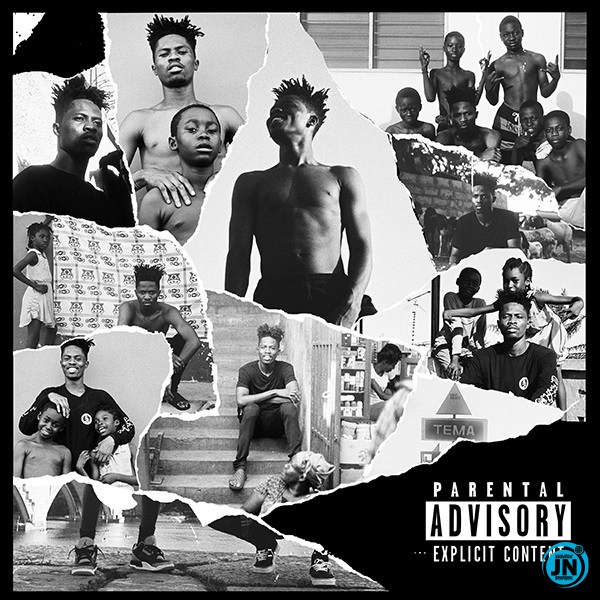
| 2017 | Release of the single “Grind Day” and the EP Live from Nkrumah Krom |
| 2018 | BET Awards nomination (June); Hip Hop Song of the Year at the Ghana Music Awards |
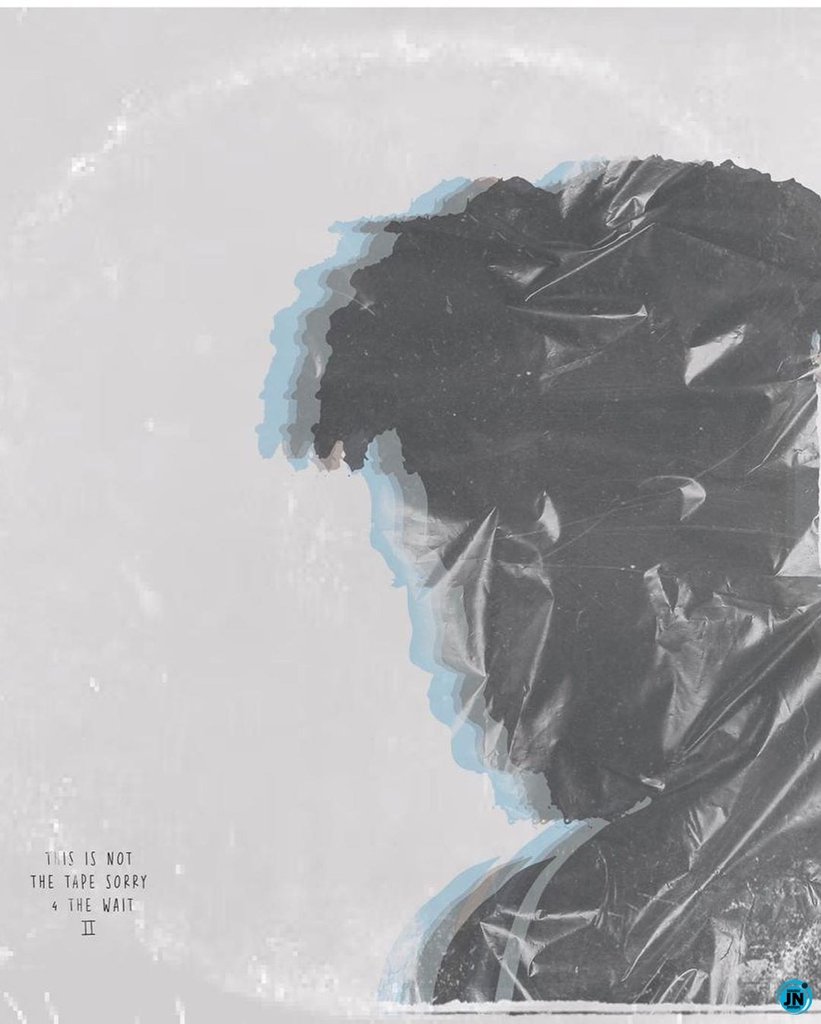
| 2019 | EP Live from Nkrumah Krom Vol II : Home Run; over 2 million streams in the first week |
| 2020 | “Live From The 233” among the most-streamed African songs on Apple Music |
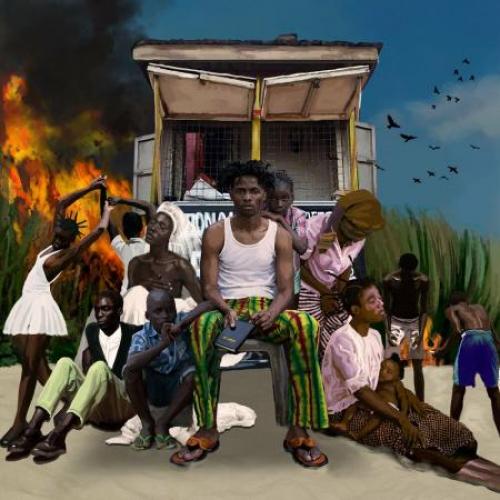
| 2022 | Release of the album Son of Jacob, with his brother Dayonthetrack and Adekunle Gold |
| 2026 | Release of the album Redemption |
From Community 9 to the whole world
Kwesi Arthur was born and raised in Tema, in Community 9—a neighborhood he readily cites as the driving force behind his art. His father repairs electrical appliances and radios, so the house is filled with Ghanaian music—Kojo Antwi, Amakye Dede—as well as DMX and 2Pac thanks to an uncle. As a child, he sang with his brothers and sisters in the face of hardship: “Things could have been better. Sometimes we struggled to eat, and it was hard to pay school fees.” Yet he also remembers playing in the sand and playing football, and he refuses to present himself as a victim: “Everything happens for a reason.”
After high school, his results were held back by unpaid school fees, and his plan to study at the University of Ghana came to an end. He could have become a security guard, but he decided to go to the studio in Community 9 and offer his services: “I would have liked to study, but there was no money! So I just used what I had.” There he learned to record artists and instrumentals before meeting Ground Up Chale in 2015—a collective he describes as a “Ghanaian platform that helps talented people become who they can be.” Together, they shared freestyles and content on social media—while radio remained the country’s main channel for gaining popularity.
In 2017, “Grind Day” was released on the collective’s YouTube channel. It was the big bang: six months later, a remix featuring rappers Sarkodie and Medikal turned it into a national hit. The EP Live from Nkrumah Krom followed, making an impact in the country and crossing borders. In June 2018, Kwesi became the youngest Ghanaian artist nominated for a BET Award—an experience he regards as memorable: “It was a great feeling. We went all the way over there, and it taught me a lot.” He also won Hip Hop Song of the Year at the Ghana Music Awards in 2018.
Major works
| Work | Year | Why it’s essential |
|---|---|---|
| Live from Nkrumah Krom | 2017 | Launch EP that revealed the young artist’s hybrid style and propelled “Grind Day” |
| Live from Nkrumah Krom Vol II : Home Run | 2019 | Consolidation of his public profile; over two million streams in one week, afrobeats tracks like “Nobody” with Mr Eazi |
| Son of Jacob | 2022 | First full-length album; highlights Adekunle Gold, Vic Mensa and Kwesi’s brother |
| Redemption | 2026 | Album marking a turning point, blending highlife and trap according to recent press coverage |
Legacy and influence
His style—a blend of melodic rap, afrobeats, dancehall and highlife—changed the game in Ghanaian rap. Young people sing his songs as anthems in Twi and Pidgin; in the face of his international popularity, he refuses to switch exclusively to English: “But that wouldn’t be me”—“It’s in Twi and Pidgin that I speak every day. And I know that if I don’t do it for my people, no one in America will do it for us.” He claims a music that comes from Tema and remains faithful to his neighborhood: “That’s who I am. If I wanted to wear chains, I’d wear them, but I like being free.” His political voice—the track “Revolution Sound” sharply critiques the Ghanaian political scene—confirms his role as a spokesperson, without any pretension of becoming a leader: “Not really,” he replies. His legacy lies as much in the energy of Community 9 as in the rediscovery of contemporary highlife driven by his generation.
Sources and references
- “Kwesi Arthur”, Wikipedia (English Wikipedia), https://en.wikipedia.org/wiki/Kwesi_Arthur, accessed 27 November 2026.
- “The dazzling rise of Ghana’s black star, Kwesi Arthur”, Pan-African Music, https://pan-african-music.com/en/kwesi-arthur-profile, accessed 27 November 2026.
- “Kwesi Arthur: The Meteoric Rise of a Black Star from Ghana”, Pan-African Music (French edition), https://pan-african-music.com/kwesi-arthur-portrait, accessed on 27 November 2026.
- “Kwesi Arthur — Biography, Discography”, AllMusic, https://www.allmusic.com/artist/kwesi-arthur-mn0001338982, accessed on 27 November 2026.
- “Kwesi Arthur”, The New Yorker (Chelsea Music Hall, 20 Nov.), https://www.newyorker.com/goings-on-about-town/night-life/kwesi-arthur, accessed on 27 November 2026.