Biography
Lakol
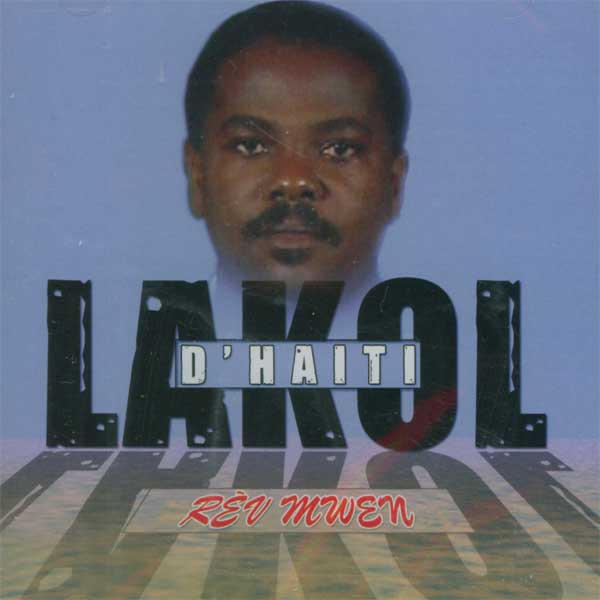
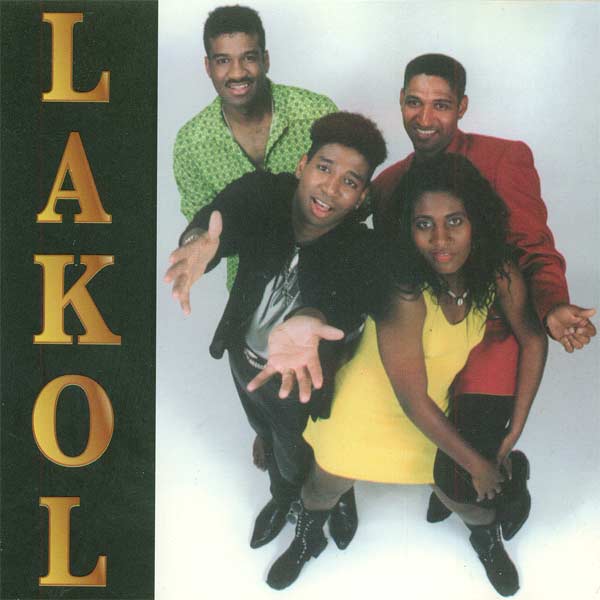
In 1992, Arly Larivière had just left Feeling, the group he had co-founded in Cap-Haïtien, and joined Lakol Mizik Majik, a band in traditional rivalry with his own group. The breakthrough was an acclaimed carnival title, followed by the group’s first international tour — the one that led several musicians to settle in the United States. Far from being a mere passing project, Lakol became one of the pillars of the northern Haitian compas scene, propelled by an armada of talents who crossed the greatest Haitian bands.
In Brief
| Group Name | Lakol Mizik Majik (or Lakol D’Haiti) |
| Genre | Compas (Konpa Direct), Haitian music |
| Active Period | 1990 – present (intermittent activity) |
| Founding Members | Stanley Toussaint (« Tantan Lakol »), Alphonse Patrick Duret, among others |
| Notable Musicians | Arly Larivière, Jean Max Valcourt, Perin Joseph, Shedly Abraham |
| Emblematic Works | Olé Olé, Compa Nan Twoua Yo, Kolem |
| Cultural Role | Pillars of the northern Haitian scene, Le Grand Nord festival |
Key Dates
| Year | Event |
|---|---|
| 1990 | Group founded, established in northern Haiti |
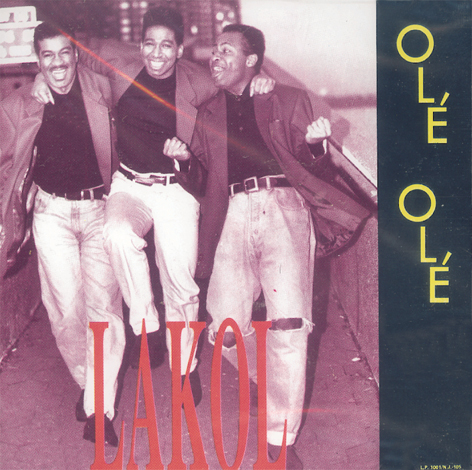
| 1992 | Arly Larivière joins the band; release of album Olé Olé |
| 1992 | First international tour; some musicians settle in the United States |
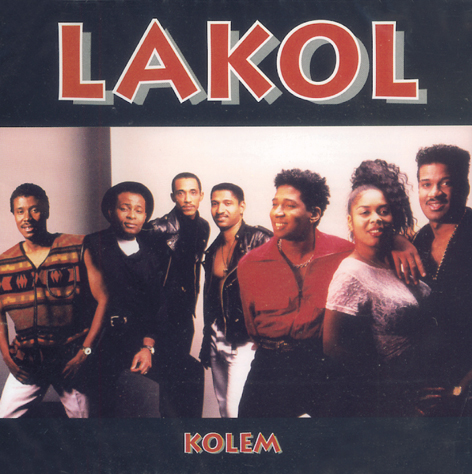
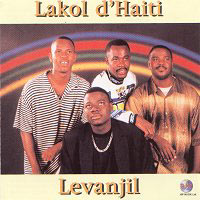
| 1994 | Release of Kolem under Mini Records |
| 1996 | Release of Compa Nan Twoua Yo under Island Music |
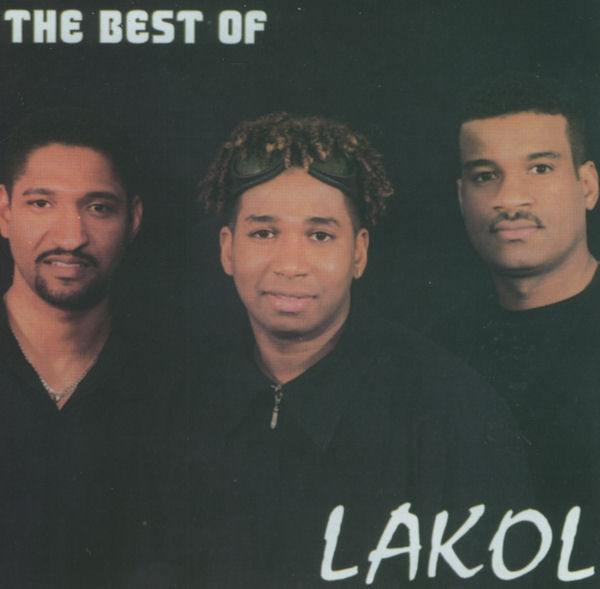
| 1998 | Compilation The Best of Lakol, Antilles Mizik |
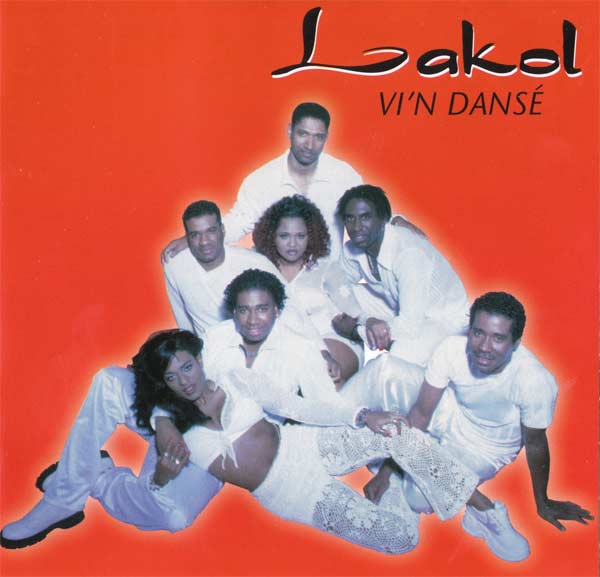
| 1999 | Release of Vi’n dansé, label Nouvel Jenerasyon Records |
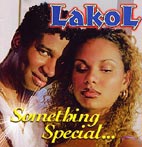
| 2001 | Something Special… on Lakol Production |
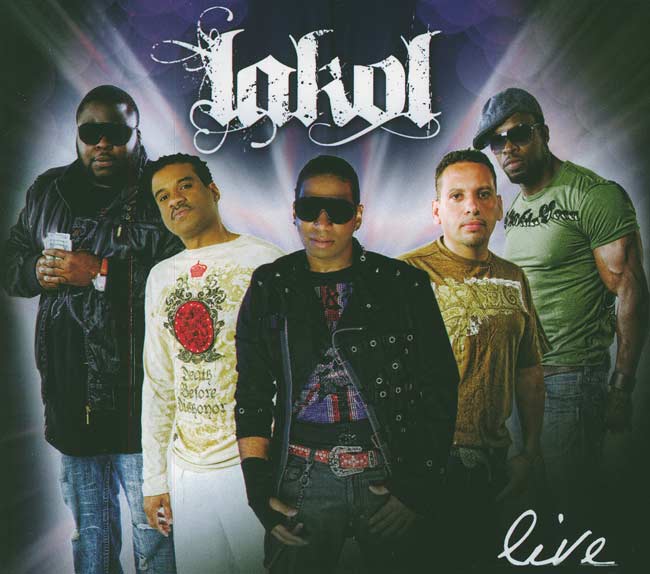
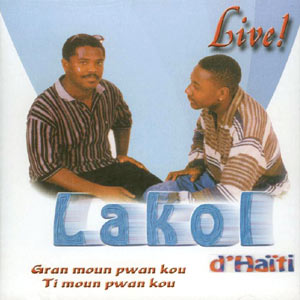
| 2009 | Live recording documenting the stage performance |
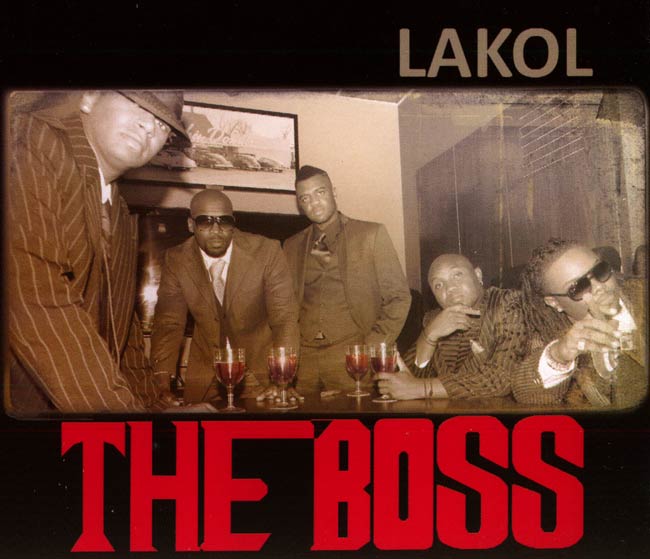
| 2011 | Last known studio album, The Boss, signed to Lakol Productions |
From Cap-Haïtien to the International Stage
Compas — also called konpa — is the quintessential popular genre of Haiti, born in the mid-1950s under the impetus of saxophonist Nemours Jean-Baptiste, who gave this rhythm its identity as refined dance music. Lakol fits fully into this tradition, carried by a band where every instrument dialogues: the rhythm section (drums, congas, gong) imposes the dancing pulse, the guitars weave melodic motifs curled upon themselves, and the keyboards sketch harmonic clouds that punctuate the whole.
The group formed around 1990 in northern Haiti, a region that since the 1970s has produced much of the Haitian musical elite. Stanley Toussaint, nicknamed « Tantan Lakol », was one of its central figures. Alphonse Patrick Duret, known as « Ti Fredo », long directed the band on guitar — a role that goes far beyond simple accompaniment, since the bandleader must manage the stage energy and guide arrangements in real time.
The turning point of 1992 gave the group an unprecedented dimension: Arly Larivière, then singer and keyboardist at Nu Look — a historical rival band to his previous group, Feeling — agreed to join Lakol Mizik Majik. Haitian press hailed the maneuver as a superband — so high-caliber were the musicians gathered under the same roof. The result was a carnival title praised by critics, and a first international tour that took the group beyond Haitian borders. The event had a lasting consequence: most members, including Herard Atticus and Ti Fredo, chose not to return and continued their careers in the United States. Larivière, for his part, settled in Florida and later founded Nu-Look.
A Living Band, a Sound That Crosses Stages
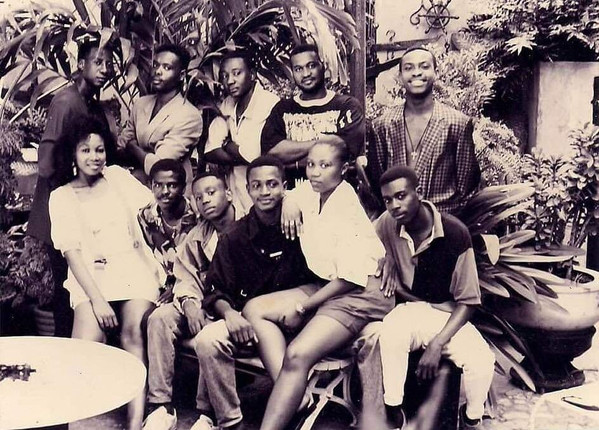
What distinguishes Lakol from an ordinary band is the quality and diversity of its musicians. Over the years, the lineup summoned already recognized figures: Jean Max Valcourt on keyboards (from Phantoms), Perin Joseph on bass (also from Phantoms), Shedly Abraham on drums (from Djaz La and Vayb), or Nuxon Mesidor, known as « Niki Bass », later famous for Klass. Percussion was handled by Evens Joachim on gong and Frantz Moncher on congas — instruments that, in compas, give the rhythm its color and movement.
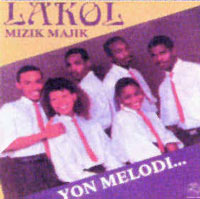
The voices carried the message: Delly Francois and Elliott « Prince Elo » Alouidor held the lead vocals, supported by Kettlye Adams on backing vocals. This duo of lead voices and harmonic support allowed the group to alternate between original titles — “Pil Ou Fas”, “Meditation”, “Yon Melodi” and “Soley Te Fin Kouche” — and covers that rekindled the hall, such as “Loving You” by Nu Look or classics from the north.
The live stage remained the beating heart of Lakol Mizik Majik, especially the editions of the Le Grand Nord festival, this annual gathering in northern Haiti where the diaspora reunites to celebrate its music and roots. The concert given at the festival appeared as a true reunion: musicians who had crossed the greatest Haitian bands met on the same stage, each bringing a piece of their story. The audience — sometimes aware of the context, sometimes discovering these pieces for the first time — instantly recognized the energy emanating from this collective.
Major Works
| Work | Year | Why It Is Essential |
|---|---|---|
| Olé Olé | 1992 | First album; lifts the curtain on a group destined to mark the northern Haitian compas scene |
| Kolem | 1994 | Confirmed by Mini Records; the sound refines, compositions show a distinct identity |
| Compa Nan Twoua Yo | 1996 | Under Island Music; cornerstone titles of the repertoire that anchor the group in the dance tradition |
| The Best of | 1998 | Compilation that reviews the first three years and introduces the group to a wide audience |
Heritage and influence
Lakol Mizik Majik is not the Haitian group that has sold the most albums, but it played a remarkable role as a human incubator. Almost all the musicians who passed through the formation have conquered their own stages: Jean Max Valcourt and Perin Joseph at Phantoms, Arly Larivière at Nu-Look and Nu Look, Shedly Abraham at Djaz La and Vayb, and Nuxon Mesidor at Klass. The Haitian music of the 1990s and 2000s bears in its subtext the imprint of these encounters.
Even today, Lakol remains a living presence in the festivals of northern Haiti. The group did not seek to follow the trends that transformed compas in the 21st century — it simply continued to play what its repertoire had of most authentic: rhythms for dancing, melodies that stay in the mind, and a collective of musicians who recognize themselves in the same tradition.
Sources and references
- « Arly Larivière », Wikipedia, https://en.wikipedia.org/wiki/Arly_Larivi%C3%A8re, accessed November 13, 2026.
- « Lakol — Biography & Discography », Archive Musique Haïtienne, https://achivmizikayisyen.com/Artist/L/lakol.php?lang=en, accessed November 13, 2026.
- « Lakol », HMI Music, https://hmimusic.com/hmi-band/lakol/, accessed November 13, 2026.
- « Lakol », Konpa.info, https://www.konpa.info/band/lakol, accessed November 13, 2026.
- « Lakol Mizik Majik Made Le Grand Nord Worth the Trip », Haitian Beatz, https://www.haitianbeatz.com/post/lakol-mizik-majik-made-le-grand-nord-worth-the-trip, accessed November 13, 2026.
- « Lakol », Discogs, https://www.discogs.com/artist/4418008-Lakol, accessed November 13, 2026.