Biography
Broken Hearts: When Soukous Embraced the Parisian Night
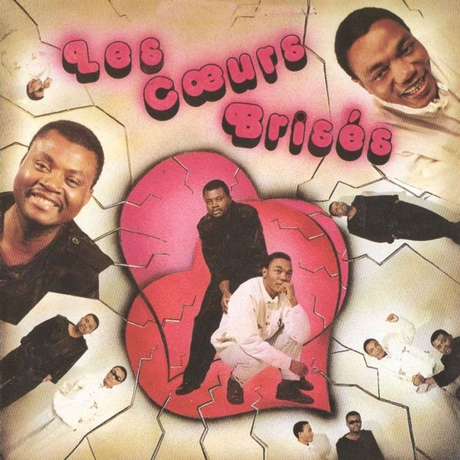
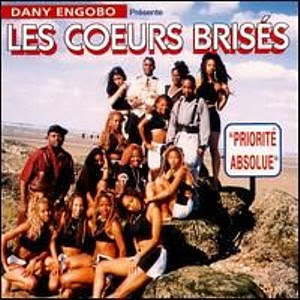
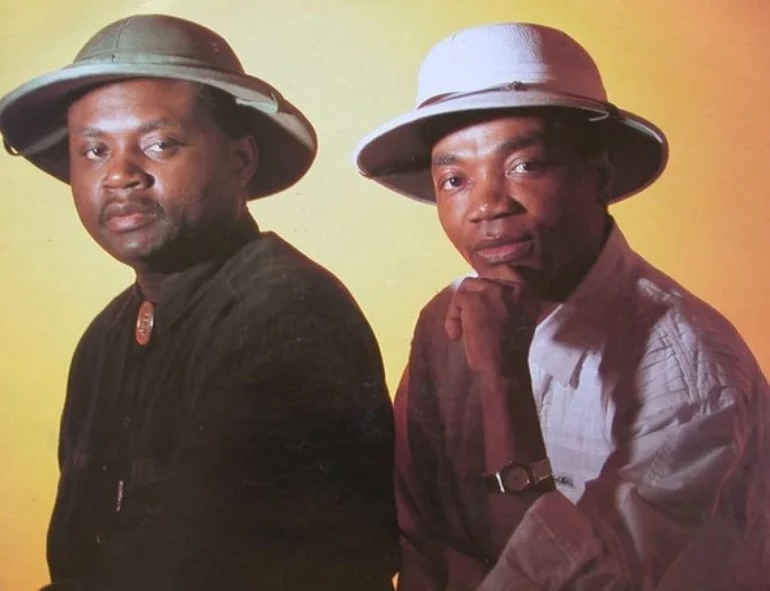
In 1976, Dany Engobo founded an orchestra in Paris that would reinvent soukous — this Congolese genre where the guitar carries the melody and the bass holds the tempo — for the Central African diaspora. War name: Les Coeurs Brisés, an acknowledged paradox: broken hearts that make you dance.
In Brief
| Group Name | Les Coeurs Brisés (sometimes written Les Coeurs Brises) |
| Origin | Brazzaville, Republic of the Congo → Paris, France (1976) |
| Leader | Dany Engobo (born 1955, Brazzaville) |
| Style | Soukous, Congolese rumba, Ndombolo |
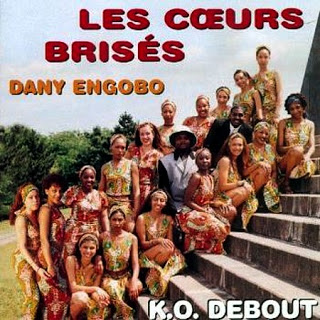
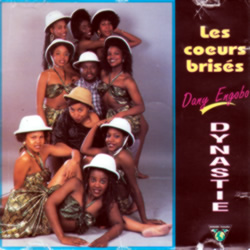
| Emblematic Works | Dynastie (1992), De Particulier À Particulier (1994), K.O. Debout (1999) |
| Status | Active (from the 1980s to today) |
Key Dates
| Year | Event |
|---|---|
| 1955 | Birth of Dany Engobo in Brazzaville, Republic of the Congo |
| 1976 | Engobo settles in Paris and founds Les Coeurs Brisés |
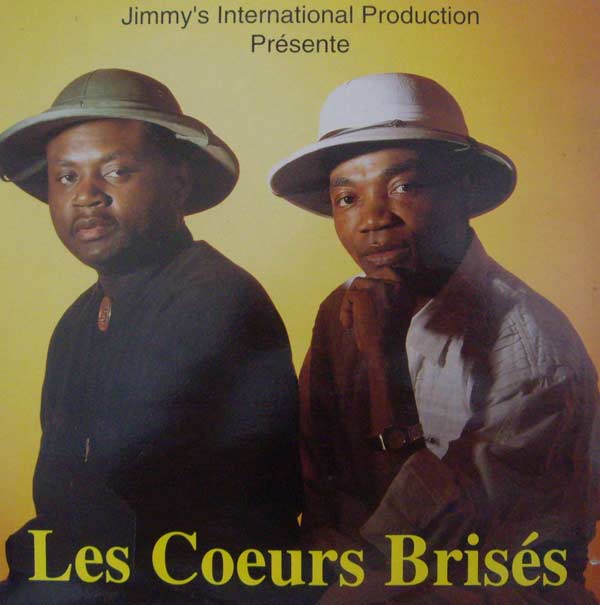
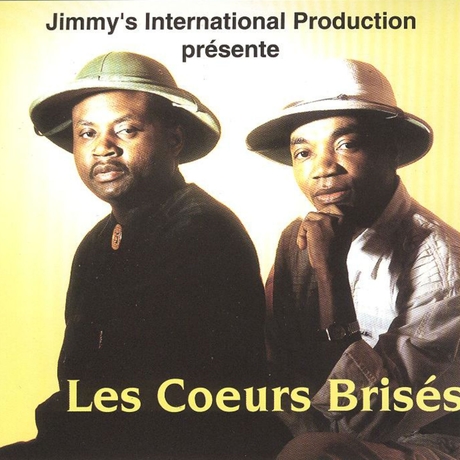
| 1988 | First self-titled album; Coeurs Brisés (Jimmy Production) |
| 1992 | Dynastie (Glenn Music), featuring guitarist Diblo Dibala |
| 1994 | De Particulier À Particulier (Afric Music) |
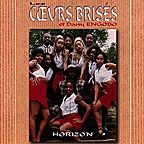
| 1995 | Horizon (Sun Records): integration of Ndombolo |
| 1996 | Priorité Absolue |
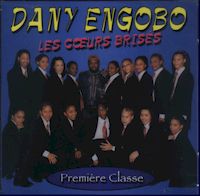
| 1999 | K.O. Debout and Première Classe |
| 2000 | International release; Jessy Matador joins the group |
| ~2001 | Departure of Marcellin Megot; Engobo with lead dancers |
| 2010s | The orchestra continues to tour and release music |
A Cosmopolitan Orchestra at the Heart of Paris
Dany Engobo discovered music within the panting urban landscape of Brazzaville, where Congolese rumba — this genre born in the 1940s in the Congo, a blend of Cuban bolero and local rhythms — was raging in cabarets. As a young guitarist, he rubbed shoulders with figures like the solo guitar virtuoso Diblo Dibala, whose fiery chords would mark his future compositions.
In 1976, Engobo decided to join the growing Congolese diaspora in Paris. The French capital already hosted a flourishing rumba scene — Tamba-Zaïre, African Fiesta, Wengui… — and the clubs in the Barbès district pulverized continental rhythms every night. There, he forged an orchestra unlike any other: French, Algerian, and Israeli musicians rubbed shoulders with Congolese dancers settled in the capital. This hybridity became the group’s signature, earning them a mixed sound that went far beyond traditional soukous.
Engobo learned French upon arrival and quickly adopted it as a writing language, while recording in Lingala for his African audience. This dual linguistic posture — French in the verses, Lingala in the dance choruses — would become a model for an entire generation of diaspora artists.
The group embarked on intense touring years across Europe — France, Belgium, Switzerland, Germany — then crossed the Atlantic for dates in the United States. Yet, a curious destiny: Les Coeurs Brisés never performed in their homeland, the Congo, thus maintaining a myth of absence among their African audience. The group became a diaspora legend, a bridge between the opposite shores of the Atlantic.
Revelation, Consecration, and the Ndombolo Wave
The 1990s marked the commercial and artistic apex of Les Coeurs Brisés. The albums Dynastie (1992, Glenn Music) and De Particulier À Particulier (1994, Afric Music) crystallized the group’s sound: dry and sharp guitar lines, piercing brass, rhythms that never let up. These records placed Engobo among the major figures of neon soukous, this fast and electric current that modernized Congolese rumba for urban dancers of the nineties.
Les Coeurs Brisés were then one of the most prominent orchestras on the Parisian soukous scene, alongside Bana Mbombei and Orchestre Rumba Mokoko. But it was their choreographic accompaniment that struck most: Engobo and his dancers popularized Ndombolo, this dance style centered on the rapid movement of the torso and hips, blending traditional gestures with burlesque elements. Ndombolo became a global phenomenon, and Les Coeurs Brisés were its pioneers — often cited in the press and academic essays as one of the formations that exported this dance well beyond Central Africa.
In 2001, a young dancer from Martinique, Jessy Matador, joined the orchestra. He stayed for a few years before building his own international career.
Today, Dany Engobo continues to lead Les Coeurs Brisés, between tours in France and club releases, keeping alive a flame that has burned for over four decades.
Major Works
| Work | Year | Why It’s Essential |
|---|---|---|
| Dynastie | 1992 | First major confirmed album; emblematic collaboration with guitarist Diblo Dibala |
| De Particulier À Particulier | 1994 | Peak of neon soukous; title track that embodies the group’s rhythmic formula |
| K.O. Debout | 1999 | Group’s last major record; perfected formula integrating zouk and soukous elements |
| Horizon | 1995 | Stylistic transition toward Ndombolo; bridge between eras |
Legacy
Les Coeurs Brisés made Paris the global crossroads of modern soukous. By blending European musicians and African dancers, Dany Engobo invented a model of musical cross-culturalism that paved the way for entire generations of African diaspora artists in Europe. Their role in the international popularization of Ndombolo is today documented in university dance studies and cultural sociology works, and their records continue to circulate on streaming platforms as witnesses of a golden era of soukous.
Sources and References
- « Dany Engobo », Wikipedia, https://en.wikipedia.org/wiki/Dany_Engobo, accessed 23 October 2026.
- « Dany Engobo and “Les coeurs brisés” », Music In Africa, https://www.musicinafrica.net/fr/directory/dany-engobo-et-%C2%AB-les-coeurs-bris%C3%A9s-%C2%BB, accessed 23 October 2026.
- « Les Coeurs Brisés », Afromix, https://www.afromix.org/html/musique/artistes/les-coeurs-brises/index.en.html, accessed 23 October 2026.
- « Notice de collectivité “Les Coeurs brisés” », BnF Catalogue général, https://catalogue.bnf.fr/ark:/12148/cb14248107h, accessed 23 October 2026.
- « Dany Engobo », African Music Library, https://africanmusiclibrary.org/artist/Dany%20Engobo, accessed 23 October 2026.
- « Dany Engobo », Notable People Project, https://notablepeopleproject.org/dany_engobo, accessed 23 October 2026.
- Susan Orlean, « The Congo Sound », The New Yorker, 6 October 2002, accessed 23 October 2026.
- Clare Parfitt, Cultural Memory and Popular Dance: Dancing to Remember, Dancing to Forget, Springer Nature, 2021, p. 265–266.
- « Dany Engobo Présente Les Cœurs Brisés — De Particulier À Particulier », Discogs, https://discogs.com/release/5139792, accessed 23 October 2026.
- « Dany Engobo, Les Coeurs Brises — Millésime », Discogs, https://discogs.com/release/31975133, accessed 23 October 2026.
- « De Particulier À Particulier », Muzilla, https://muzilla.ru/disco/artist/3569588, accessed 23 October 2026.
- « Jessy Matador », Wikipedia, https://fr.wikipedia.org/wiki/Jessy_Matador, accessed 23 October 2026.