Biography
Les Frères Déjean
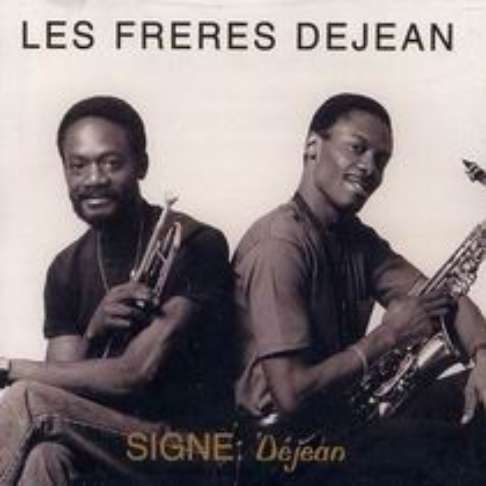
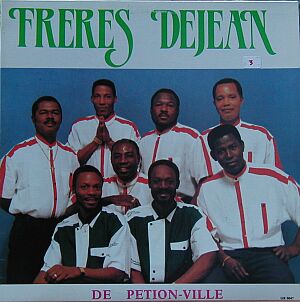
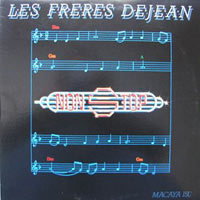
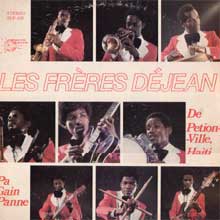
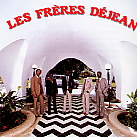
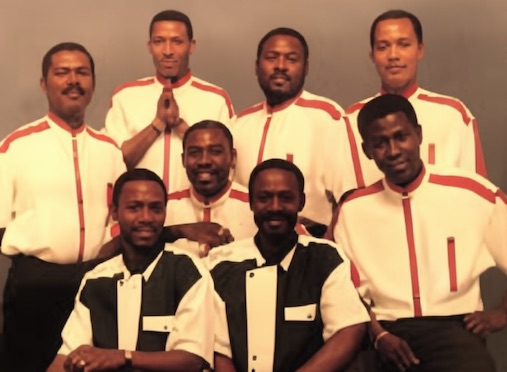
July 13, 1963. Pétion-Ville, north of Port-au-Prince, where the streets wind around the high school and studios. A maestro, Lyonel Déjean, gathered his family — Fred on saxophone, André on trumpet, Philippe on drum and Camille on gong — to found an as-yet-anonymous ensemble: Les Frères de Pétion-Ville. Twenty years later, this déjeanienne cell would give an entire island a generation of konpa classics.
In Brief
| Full Name | Les Frères Déjean (formed as Les Frères de Pétion-Ville) |
| Founded | July 13, 1963, Pétion-Ville (West, Haiti) |
| Genre | Konpa / Haitian mini-jazz |
| Instruments | Fred and André Déjean (saxophone, trumpet); Camille and Philippe Déjean (percussion) |
| Current Status | Active, perpetual family core; André Déjean deceased September 11, 2026 |
| Signature Works | Haïti (1974), Bouki ac Malice (1977), L’Univers (1979) |
| Honors | Konpa classics, recognized in French Antilles |
Key Dates
| Year | Event |
|---|---|
| 1963 | Founded in Pétion-Ville by Lyonel Déjean (July 13) |
| 1974 | First album Haïti, eleven years after group creation |
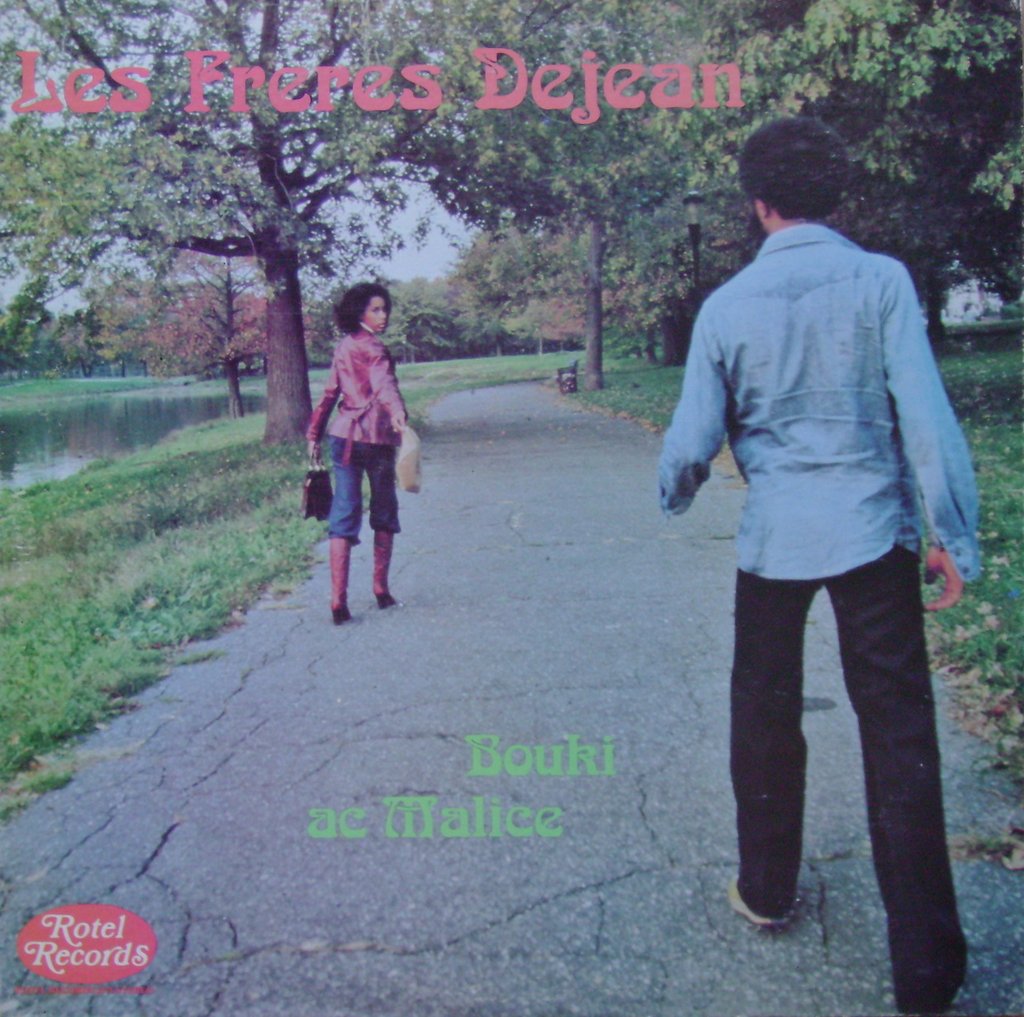
| 1977 | Bouki ac Malice (recorded at Studio Debs in Martinique) — major success |
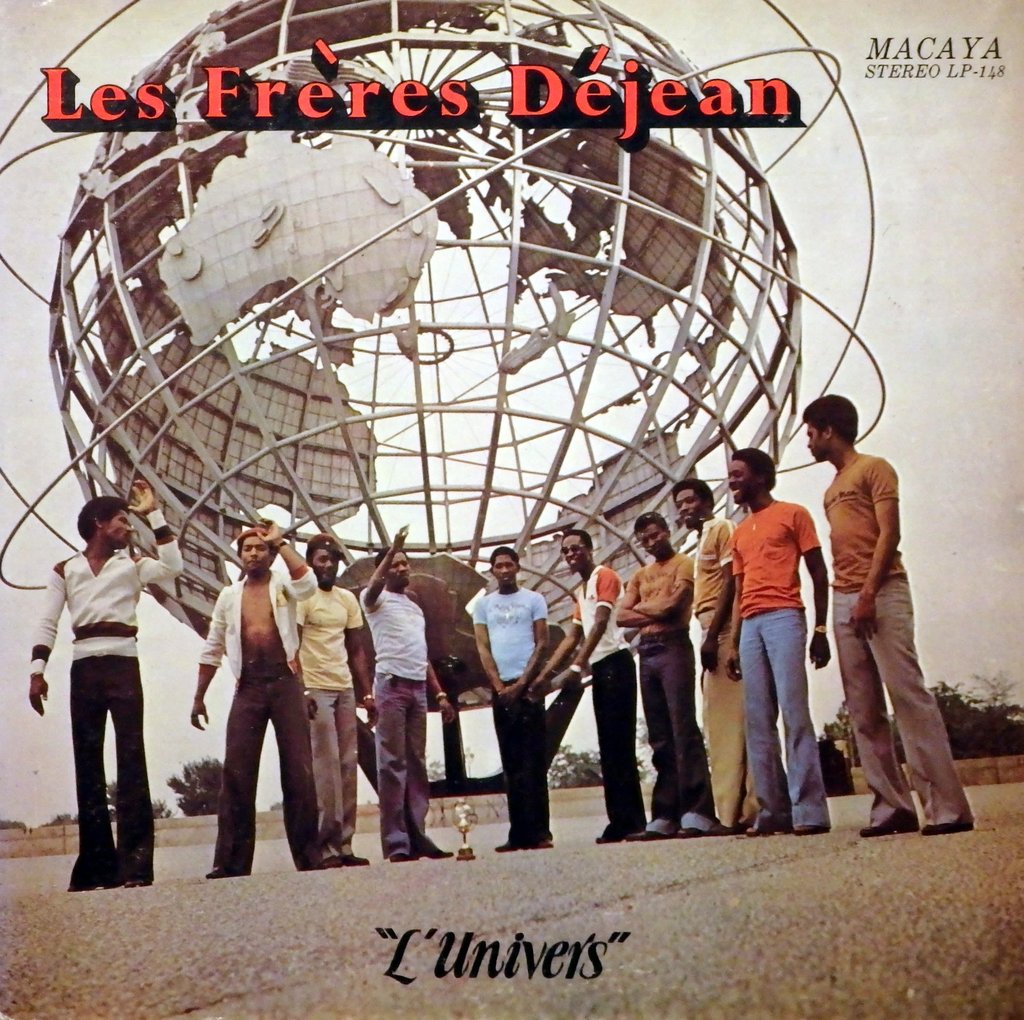
| 1979 | L’Univers — deep tracks, including “Naide” |
| 1980 | Departure of part of the group to form System Band |
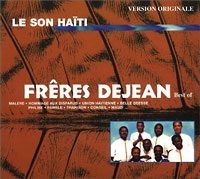
| 1982 | Provisional return of several members; Sans Rancune (“Belle Déesse”, “Malere”) |
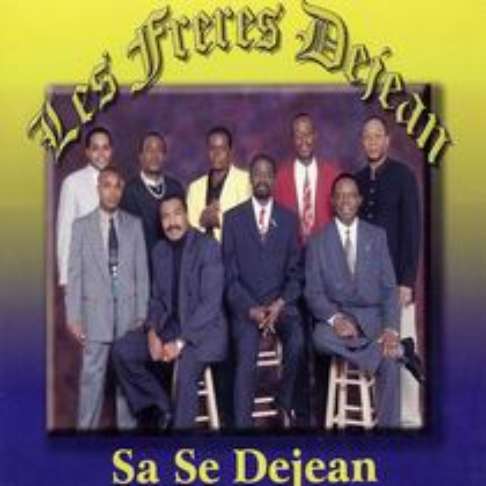
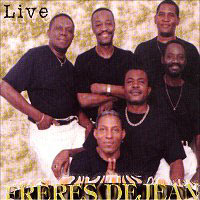
| 1990–2001 | Periods of resurgence (Sové peyi nou, Live) |
| 2026 | Death of André Déjean (September 11, at age 75) |
Birth of a Musical Family
Les Frères Déjean appear in the wake of Haitian mini-jazz — a generation that, after Ibo Combo and before Shleu Shleu, blended orchestral rigor with compas rhythms. André Déjean, fourth in a family where Fred already carried the saxophone, began playing in the school formation of Lycée de Pétion-Ville before joining the rapidly expanding group. Fred (saxophone) and André (trumpet) have long occupied the lead positions; Philippe, drummer, and Camille, gong player, complete the family core. The contrast is striking: while other mini-jazz groups of the era often relied on synthesis and electric guitars, the Dejeans built their identity around brass. Isnard Douby — singer and second trumpeter, future founder of System Band — long shared this sonic space.
Consecration and Lulls
The first album Haïti, released in 1974 after eleven years of waiting, contained tracks like “Packard”, “Vive la Musique” and “Illusion”. The turning point arrives with Bouki ac Malice (1977), recorded at Studio Debs in Martinique: “Débaké” and “Arrêté” become generational anthems. L’Univers (1979) confirms this dominance, with “Naide” — a song invoked in voodoo cult ceremonies, according to Haitian press — and deep tracks like “L’Humanité” or “Conviction”. Ralph Boncy and Georges « Georgio » Léon-Emile, in the 2019 article “Le monde Dejean”, describe this formula: « The Dejean brothers opted for a unique-in-its-kind formula: sax and trumpet. »
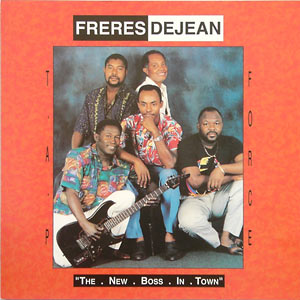
In the 1980s, the group experienced a moment of fragility: late 1980, part of the musicians left to found System Band. Two years later, several of them — Isnard Douby, Harold Joseph, Réginald Benjamin, Ernst Vincent and Ernst Ramponneau — made a provisional return. Sans Rancune (1982), which reunites “Belle Déesse” and “Malere”, marks this return. The group never definitively disappeared: the 1990s see it in a sawtooth pattern, with stage returns in New York, the Antilles or Haiti.
Major Works
| Work | Year | Why It’s Essential |
|---|---|---|
| Haïti | 1974 | First album, eleven years after founding — cornerstone of the brass repertoire |
| Bouki ac Malice | 1977 | “Débaké” and “Arrêté” become reference classics |
| L’Univers | 1979 | “Naide”, deep track invoked in cults — artistic acme of the group |
| Sans Rancune | 1982 | Return of System Band to mini-jazz — “Belle Déesse” and “Malere” |
Legacy and Influence
Les Frères Déjean gave Haitian music its nobility and paved the way for highly professional musical creation in the Caribbean. Jhonny Célicourt, Haitian music analyst, salutes the oeuvre: « The Dejean brothers’ music was very refined, calculated and well-cooked » — a brass phrasing that inspired generations of future Haitian trumpeters. André Déjean himself — « a trumpeter, trombonist, songwriter and arranger » according to his biographer — signed several repertoire tracks and arrangements. HMI Music, in its obituary, highlights that he left « a way of playing — technical, warm, and relentlessly forward-looking ». Despite the relative inactivity of the 1990s and the lack of recent discography, the Déjean name remains associated with the greatest konpa classics. On September 11, 2026, André Déjean died at age 75 — end of a central figure.
Sources and References
- « Les Frères Déjean », Wikipedia (fr), accessed November 23, 2026 — https://fr.wikipedia.org/wiki/Les_Frères_Déjean
- « Les Frères Déjean », Wikipedia (en), accessed November 23, 2026 — https://en.wikipedia.org/wiki/Les_Frères_Déjean
- « Konpa loses André Déjean, founding member of Les Frères Déjean », The Haitian Times (September 13, 2026) — https://haitiantimes.com/2026/09/13/konpa-loses-andre-dejean/
- « Les Frères Dejean, un groupe iconique au compas pur et succulent », Ayibopost — https://ayibopost.com/les-freres-dejean-un-groupe-iconique-au-compas-pur-et-succulent/
- « Tribute: André Déjean, the Legendary Trumpet of Les Frères Déjean », HMI Music — https://hmimusic.com/tribute-andre-dejean-the-legendary-trumpet-of-les-freres-dejean-has-passed-away
- « Les Frères Déjean », MusicBrainz — https://musicbrainz.org/artist/21f703fb-6e0b-4b83-8e08-37e702637a27