Biography
Les Garagistes
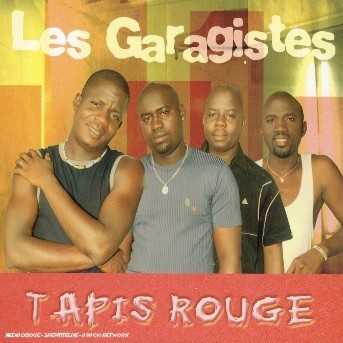
In 1998, in Yopougon-Marcory or almost anywhere on a Sunday evening in Abidjan, a group from the alleyways of Wassakara posed on the cover of their debut four-member album, which truly mattered. Bébé abandonné didn’t make the press scream, but amidst the dance chatter of the bars in the Ivorian capital, the record started to turn. Three years later, their second opus — Livre Blanc — sold nearly 92,000 copies. Les Garagistes are these neighborhood guys who refused to be defined by their failed beginnings.
In brief
| Group name | Les Garagistes |
| Musical genre | Zouglou, highlife |
| Origin | Wassakara, Yopougon, Abidjan, Côte d’Ivoire |
| Activity period | 1992 – present |
| Founding members (key lineup) | Popolaye, Célio, Feco, Salif La Joie (Soum Bill and De Bingue left to form « Les Salopards ») |
| Iconic albums | Livre Blanc, Tapis Rouge |
Key dates
| Year | Event |
|---|---|
| 1992 | Group formation in Wassakara (Yopougon); the future Garagists first animated funerals and ceremonies under the name Mini-Choc |
| 1998 | Release of Bébé abandonné, first four-member album; launch of the career |
| 1998 (June) | Release of Livre Blanc, sold to over 92,000 copies: the great leap forward |
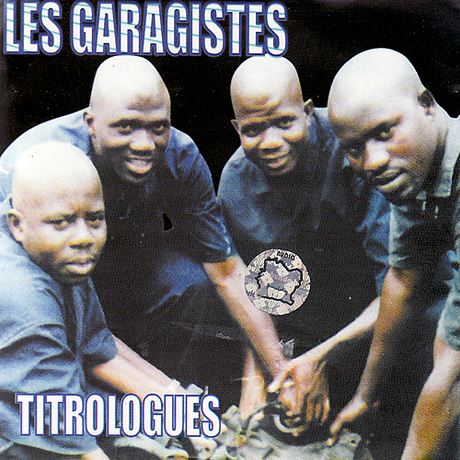
| 2000 | Release of Titrologues |
| 2004 | Publication of Tapis Rouge, a multilingual album (bété, dioula, gourounsi, French, Lingala) |
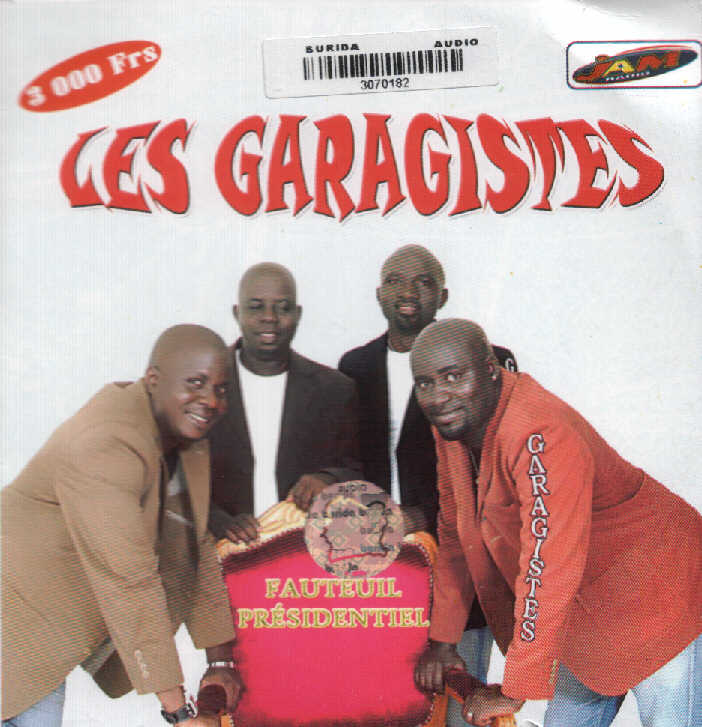
| 2008 | Release of Fauteuil Présidentiel; group’s commitment to tours during the Ivorian crisis |
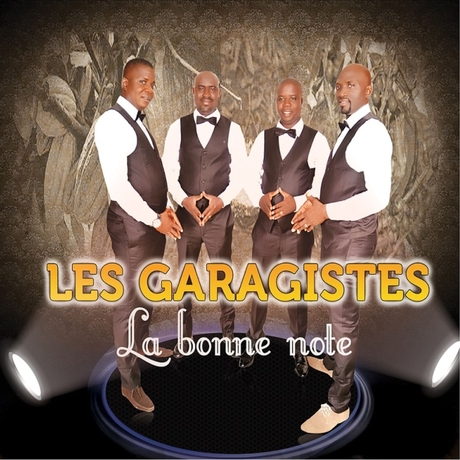
| 2015 | Release of La Bonne Note |
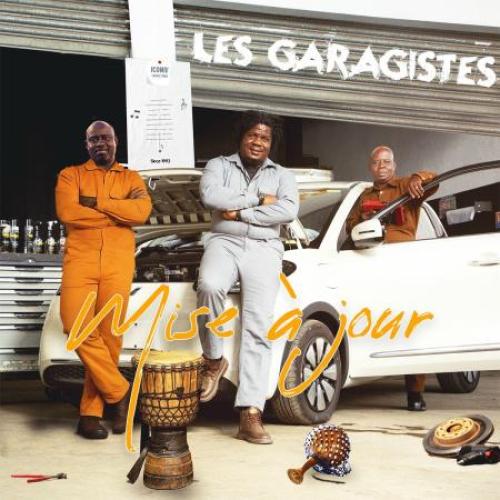
| 2025 | Update: the album Mise À Jour confirms the group’s longevity |
Birth and artistic metamorphosis
Wassakara, a popular neighborhood in Yopougon in Abidjan, could have gone unnoticed. Yet it was there that young boys crossed paths who would later become Les Garagistes. Before the official formation in 1992, they animated funerals and ceremonies under the name Mini-Choc. “We are friends, we meet in the neighborhood” summarizes Popolaye in a July 2026 interview. Music brought them together, but the police officer father (former driver at the Presidency) of one of them imagined a different destiny: “He didn’t even want us to devote ourselves to music. He wanted his children in an administration,” they recount later, before adding that this same father would have followed them, danced, and sung — and eventually accepted.
The discographic beginnings were rough. The first four-member album, Bébé abandonné, went unnoticed. “Everyone was mocking us in the neighborhood… We said: we must show them that we also have something inside,” the group confesses. Instead of lowering their arms, they bet on a breath of fresh air: zouglou meets Ghanaian highlife. “We will try this experiment, if it doesn’t work, we will take the machete to go to the field!” recounts Popolaye. The bet worked perfectly: Livre Blanc, released in June 1998, sold more than 92,000 copies and propelled Les Garagistes among the great names of zouglou.
Revelation: highlife that salts the zouglou
Livre Blanc lays the foundations of a hybrid style, at the crossroads of the easy-going ambiance of Ivorian zouglou and highlife guitar lines. Titrologues (2000) confirms the movement. Then comes Tapis Rouge, the maturity album, published in 2004. Les Garagists sing in bété, dioula, gourounsi, French, and Lingala — a multilingual feat that makes Tapis Rouge a classic of the genre. Fauteuil Présidentiel (2008) signs a new facet, more political.
During the Ivorian crises starting in 2002, the group toured the country. “In 2002, we were the first group to announce: us, we are going to Bouaké because those who are there are brothers,” recalls Popolaye. A move marked by a serious road accident and, according to the group, a political commitment they regret today: “We cannot sacrifice ourselves for politics. We do it for the people. We are the real voice of the people.”
Evolutions and fidelity to Wassakara
Thirty years after their first steps, Les Garagistes have not renounced evolution. “Zouglou is our base, but today you must try to broaden your listening field. We added reggae, coupé-décalé, mandingue,” explains Popolaye. “Don’t copy what others have done. We are faithful to our culture.” The album La Bonne Note (2015) and especially Mise À Jour (2025) attest to a group that kept its head on its shoulders — and its feet in the studio.
Among their most marked titles: “Kouyou,” considered a classic of Ivorian zouglou; “Bengué,” inspired by the true story of an Ivorian youth abandoned at Charles-de-Gaulle airport after being scammed on packages; and the title track of Tapis Rouge, now inscribed in the repertoire.
Major works
| Work | Year | Why it is essential |
|---|---|---|
| Livre Blanc | 1998 | The revealing record: zouglou-highlife fusion; more than 92,000 copies sold |
| Tapis Rouge | 2004 | Multilingual masterpiece; absolute reference of Ivorian zouglou |
| Titrologues | 2000 | Confirmation of the hybrid style; first broad scouting |
| Fauteuil Présidentiel | 2008 | Political and social commitments; thematic turning point |
Heritage and influence
Les Garagistes count among the pillars of zouglou, a genre born on Abidjan campuses in the early 1990s and which dominated the Ivorian scene for a decade. Their innovation — the zouglou-highlife marriage — showed that an Ivorian group could draw beyond its continent without betraying its roots. Thirty years later, Popolaye summarizes it with sobriety: « We retain what we provided as pleasure, joy to a nation, a generation ». The group continues to tour and publish — in August 2026, the concert at Sofitel Hôtel Ivoire served as a launch for their latest album — proof that a small group from a Yopougon alley can, after all these years, continue to make the tracks move.
Sources and references
- « Les Garagistes », Wikipédia, https://fr.wikipedia.org/wiki/Les_Garagistes, accessed 10 November 2026.
- « Zouglou », Wikipédia, https://fr.wikipedia.org/wiki/Zouglou, accessed 10 November 2026.
- « Les Garagistes », Discogs, https://discogs.com/artist/230532-Les-Garagistes, accessed 10 November 2026.
- Nago Seck, « Les Garagistes », Afrisson, https://www.afrisson.com/les-garagistes-8222, updated 24 May 2020.
- Benjamin NOAH, « Les Garagistes, trente ans de Zouglou et de fidélité à Wassakara », Laura Dave Media, 21 July 2026, https://lauradavemedia.com/les-garagistes-trente-ans-de-zouglou-et-de-fidelite-a-wassakara/.
- « Les Garagistes : plus de 30 ans au service du zouglou », Brut, https://www.brut.media/afrique/videos/les-garagistes-plus-de-30-ans-au-service-du-zouglou.
- « Les Garagistes », YouTube (official channel), https://www.youtube.com/channel/UCUXZ4rREgLQMxjrgpTZtxqw.
- « Les Garagistes », Spotify, https://open.spotify.com/intl-fr/artist/2D0ibNoUhA8CYiiFWckB4s.