Biography
Les Loups Noirs: kings of Haitian mini-jazz
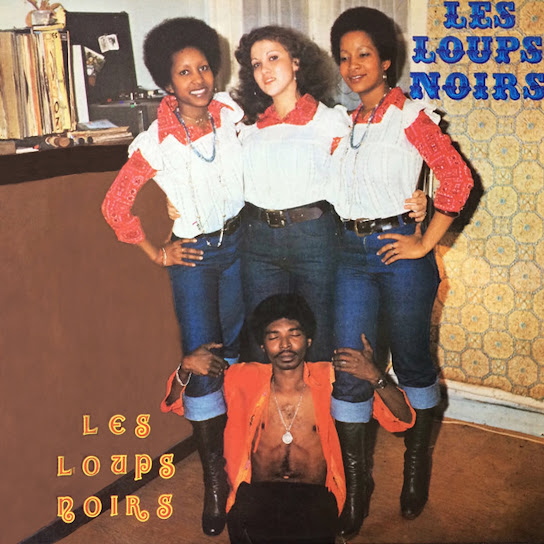
In the heart of the 1970s, the dance halls of Port-au-Prince vibrated with a new sound. The great orchestras gave way to mini-jazz, and Les Loups Noirs quickly became its masters. With Gardner Lalanne, a former player for the Racing Club Haïtien who became a charismatic singer, the band toured the Caribbean islands, recorded in New York and Paris, and left behind more than twenty albums—one of the cornerstones of classic Haitian compas.
In brief
| Band name | Les Loups Noirs |
| Formation | 1969, Port-au-Prince (Haiti) |
| Genre(s) | Mini-jazz, compas, merengue, Caribbean fusion |
| Founding members | Oge Longueforce, Gardner Lalanne, Joël Benoit, Bob Jasmin |
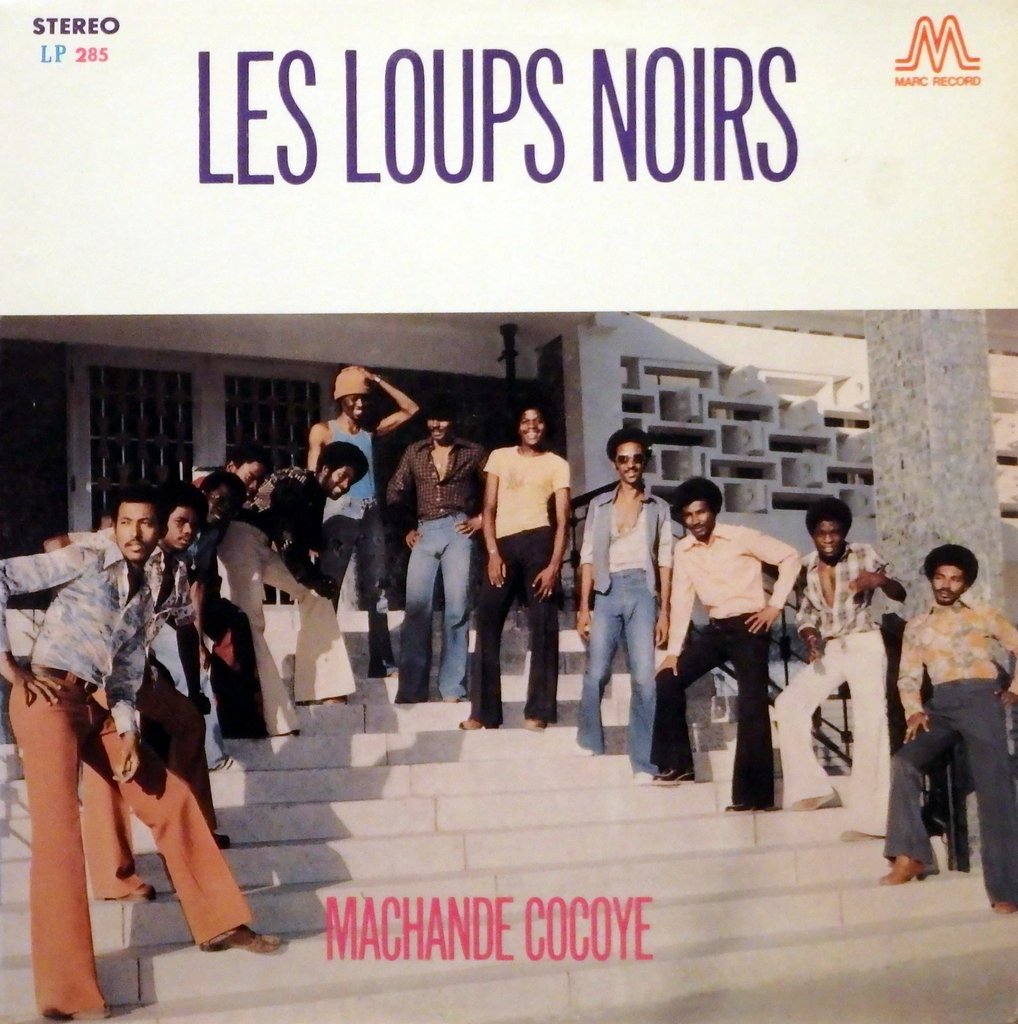
| Emblematic album | Machande Cocoye (1977) |
| Active period | 1969–1981 (22 studio albums) |
Key dates
| Year | Event |
|---|---|
| 1969 | Formation of the group in Port-au-Prince by Oge Longueforce, Gardner Lalanne, Joël Benoit, and Bob Jasmin |
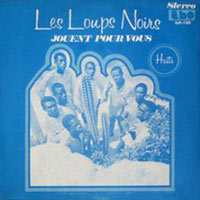
| 1970 | First album: Jouent pour vous; Gardner Lalanne establishes himself as the charismatic leader |
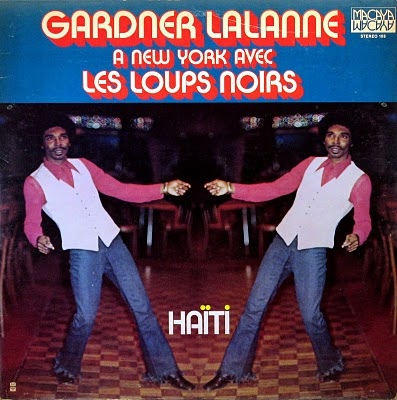
| 1972 | Album À New York recorded abroad; departure of Oge Longueforce, Réginald Roc takes over musical direction |
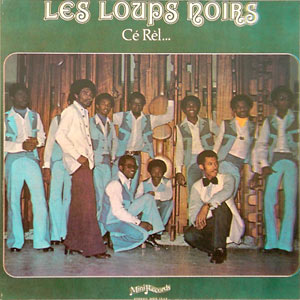
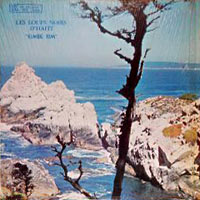
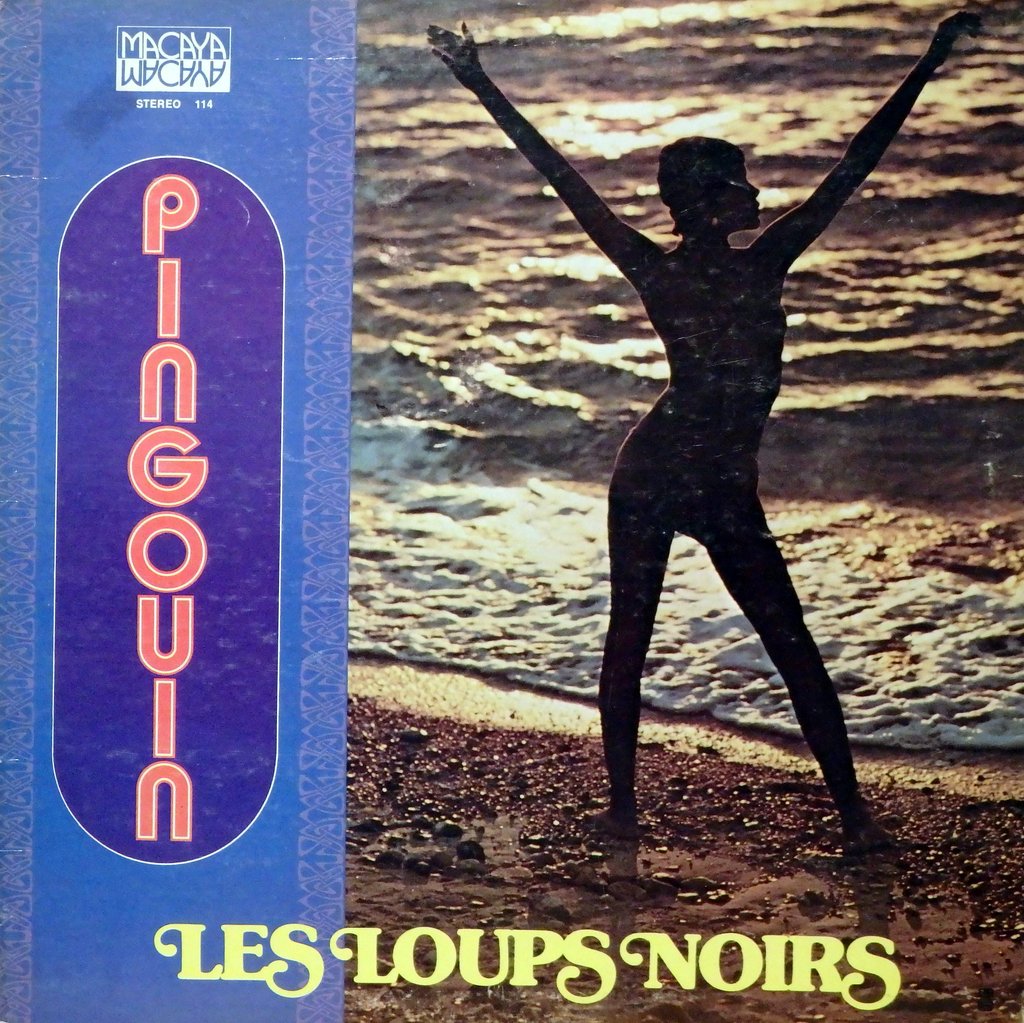
| 1973–1974 | Prolific period: Kimbe Rim, Pingouin, Cé Rèl…, Sont Partout! — the group’s sound diversifies |
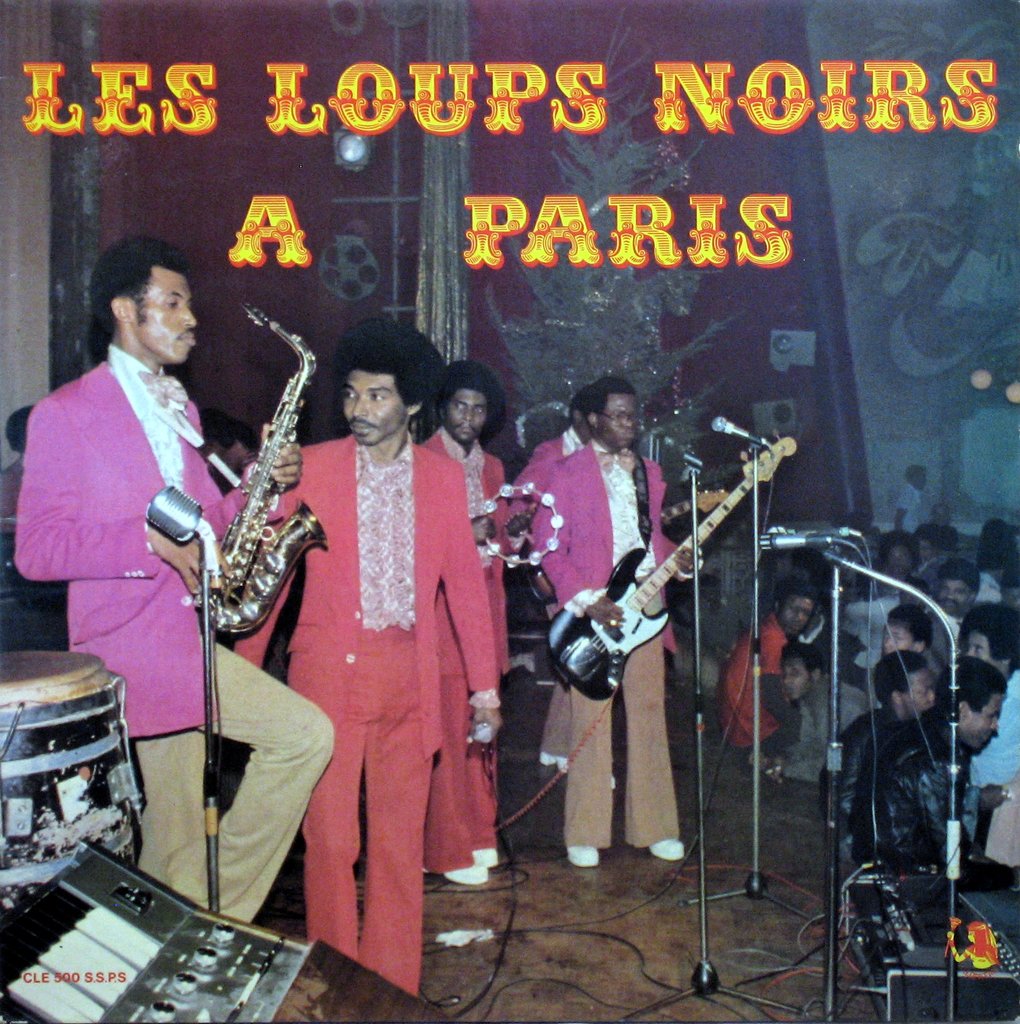
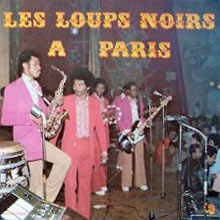
| 1976 | The album A Paris (Éditions Cléopâtre) marks a stylistic turning point |
| 1977 | Release of Machande Cocoye, often cited as the group’s culmination |
| 1978–1980 | Les Loups Noirs shift into the big band era; their sound becomes heavier |
| 1981 | Last documented studio album: Voyage Cosmique; the group dissolves |
| 2019 | Henri Pignat dit Ti Roi recreates Les Loups Noirs from Martinique on the original model |
Origins and foundation: from the ground to mini-jazz
In 1969, the Haitian music scene was in full effervescence. Compas, born in the 1950s with Nemours Jean-Baptiste and his Cadence Rampa, transformed. A new sound emerged, nicknamed mini-jazz: smaller formations, a saxophone or guitar leading the way, and a rhythm that pushes from behind. It was in this crucible that Les Loups Noirs were born, on rue Monseigneur Guilloux in Port-au-Prince.
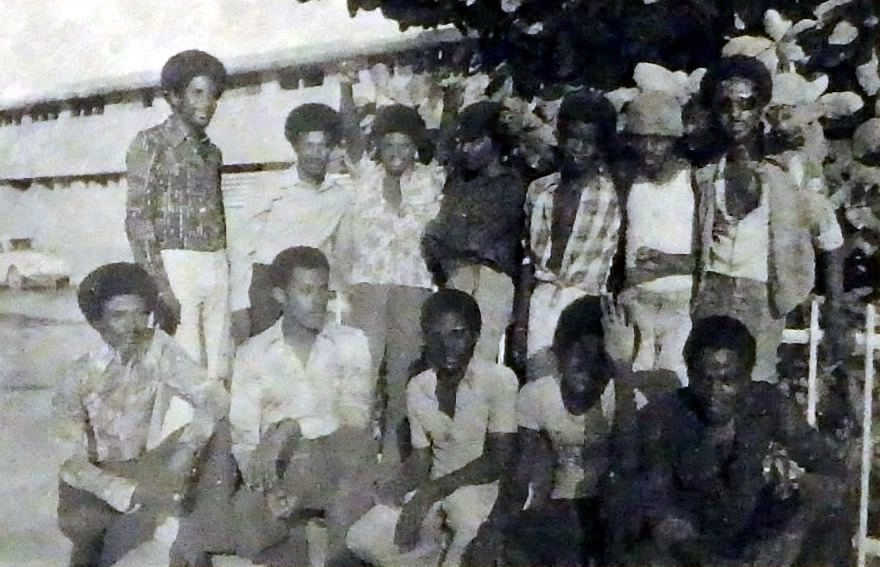
The founders were four passionate young men: Oge Longueforce, a maestro in the fullest sense of the term; Gardner Lalanne, former player for the Racing Club Haïtien who decided to change stadiums; Joël Benoit and Bob Jasmin. The orchestra settled near the former Police Headquarters, and very quickly, Lalanne became its natural leader. His stage presence, his charisma as a singer—he had the makings of an unforgettable face—imposed his voice as the group’s signature.
From 1970, Les Loups Noirs published their first album, Jouent pour vous, on the IBO Records label. The record immediately established itself as a reference in Port-au-Prince dance halls and radio stations. The sound of Les Loups Noirs was both dancing and refined, capable of sliding from pure compas to bolero via Cuban merengue.
Revelation: masters of mini-jazz and the conquest of the Caribbean islands
Between 1970 and 1976, Les Loups Noirs constituted one of the most fertile repertoires in Haitian mini-jazz. In just over five years, they published a dozen albums—À New York (1972), Kimbe Rim (1973), Pingouin, Cé Rèl…, Sont Partout! (1974), Extra Sensas and A Paris (1976). This production rate borders on the extraordinary for an era where recording represented a considerable investment, and testifies to a perfectly oiled machine.
The 1972 album À New York marks a decisive turning point. Recorded overseas, it signifies the transition under musical direction by Réginald Roc following Oge Longueforce’s departure. Roc’s alto and tenor saxophones take the helm, and his influence permeates the group until its dissolution in 1981. It is also this period where the group’s versatility asserts itself: compas, bolero, merengue, Antillean biguine—Les Loups Noirs adapt to all celebrations, from Port-au-Prince to the dance halls of Martinique and Guadeloupe.
The presence of organist Henri Pignat, known as “Ti Roi,” considerably enriched the sound. His electric organ wove melodic lines that dialogued with the brass and rhythm section, creating this unmistakable texture that characterizes the group’s best recordings.
Peak and final years: toward the big band
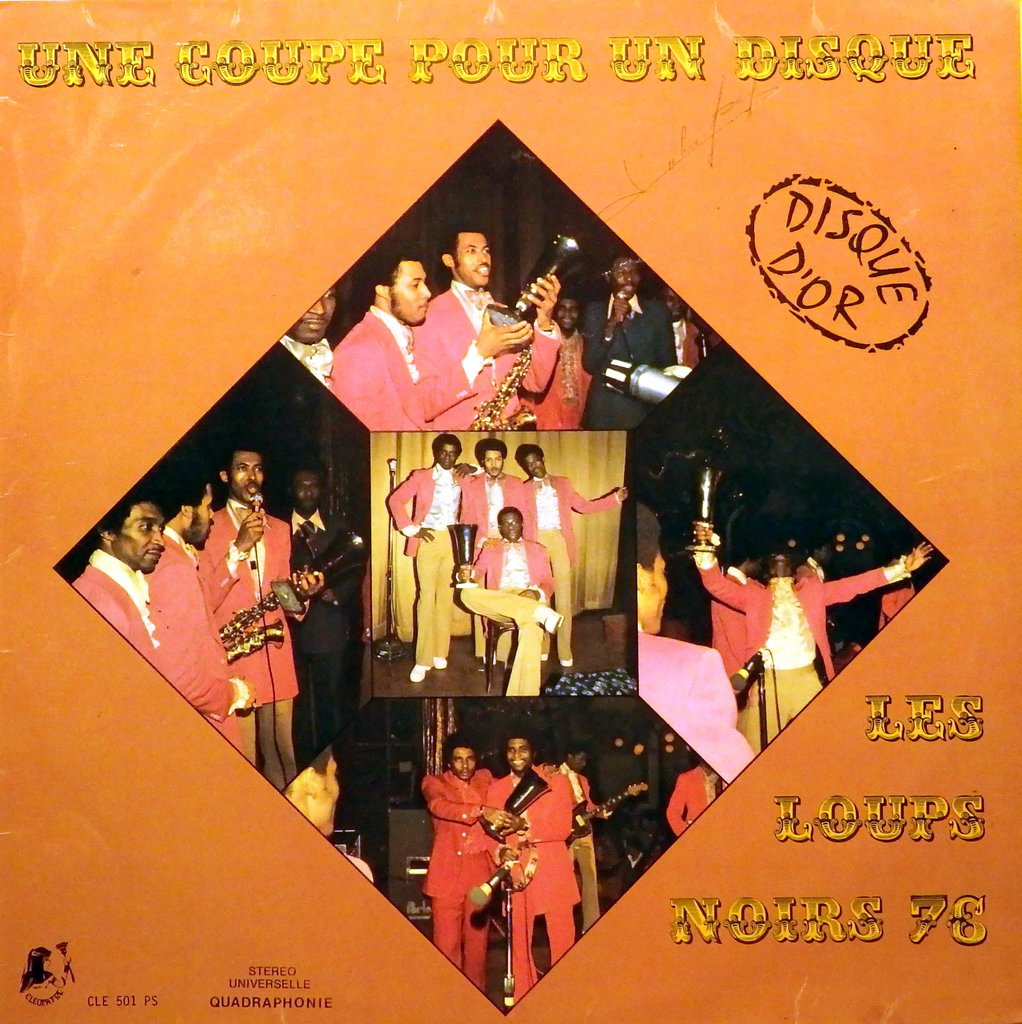
From 1976, with Extra Sensas and Une Coupe Pour Un Disque, Les Loups Noirs entered their big band period. Mini-jazz expanded: formations grew larger, the sound became more imposing. Machande Cocoye (1977) is often hailed as the group’s discographic summit: the brass dominates, the rhythm section becomes heavier. An artistic turning point that satisfied part of the audience but alienated some listeners attached to the fragility of the early recordings.
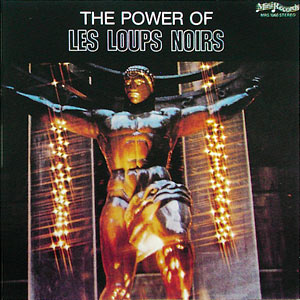
Between 1978 and 1980, albums multiplied further (The Power Of, Music Band For Lovers, Volume 21), but the essence of mini-jazz gave way to a more conventional compas—that of great dance halls and inter-Caribbean tours. In 1981, Voyage Cosmique (YMC) became the group’s last documented studio album. Les Loups Noirs dispersed, leaving behind a colossal legacy.
Major works
| Work | Year | Why it’s essential |
|---|---|---|
| Jouent pour vous | 1970 | First draft of Les Loups Noirs’ mini-jazz: raw energy and original signatures from each member |
| À New York | 1972 | International recording marking the Réginald Roc transition/new musical direction |
| A Paris | 1976 | Album recorded in France, most open sound, and the moment Haitian music crossed with biguine and bolero |
| Machande Cocoye | 1977 | Culmination of Les Loups Noirs’ big band era, where compas and merengue fuse into a massive sound |
Heritage and influence
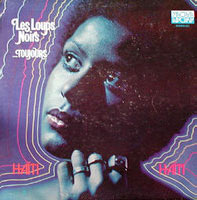
Les Loups Noirs have never disappeared — they have simply ceased to call themselves by that name. Their music, first preserved by collectors, was rediscovered thanks to compilations such as Haiti Direct (Strut Records, 2014) and the Soundway anthologies. The track “Jet Biguine” appeared on the compilation Tumbélé, bringing their sound to a European audience.
The band members each continued on their own paths: Oge Longueforce remains a figure of the Haitian scene; Henri “Ti Roi” Pignat recreated Les Loups Noirs in Martinique in 2019; Gardner Lalanne, now deceased, remains the image of the group.
Today, Les Loups Noirs count among the most reissued and listened-to Haitian groups on digital platforms. Their discography, which includes twenty-two studio albums catalogued by Discogs and Legalménbagay, is also active on Rate Your Music, Spotify, and Apple Music — proof that music that still dances after fifty years is music that will never die.
Sources and references
- “Les loups noirs, un groupe mythique”, Haiti Inter, https://www.haitiinter.com/les-loups-noirs-un-groupe-mythique/, accessed 9 November 2025.
- “Les Loups Noirs, l’appétit insatiable de la musique”, Le Nouvelliste, https://lenouvelliste.com/article/259293/, accessed 9 November 2025.
- “Les Loups Noirs biography”, Last.fm, https://www.last.fm/music/Les+Loups+Noirs/+wiki, accessed 9 November 2025.
- Discogs artist profile: Les Loups Noirs (2), https://discogs.com/artist/1832656-Les-Loups-Noirs-2, accessed 9 November 2025.
- “Listening: Les Loups Noirs”, Caribbean Review of Books, http://caribbeanreviewofbooks.com/2010/08/26/listening-les-loups-noirs/, accessed 9 November 2025.
- “Haiti Direct”, Afropop Worldwide, https://www.afropop.org/articles/haiti-direct, accessed 9 November 2025.
- Legalménbagay archives: Les Loups Noirs, https://legalmenbagay.com/archives/groupes/les-loups-noirs, accessed 9 November 2025.
- “Les Loups Noirs – A Paris Editions Cleopatre 1976”, Global Groove Independent, https://globalgroovers.com/2010/01/les-loups-noirs-paris-editions.html, accessed 9 November 2025.