Biography
Les Têtes Brûlées: the electric bikutsi that ignited Cameroon
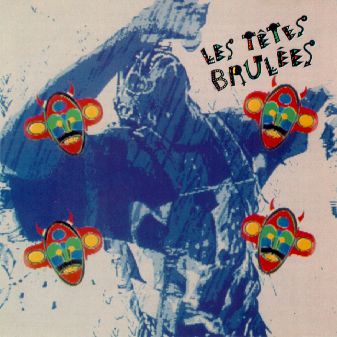
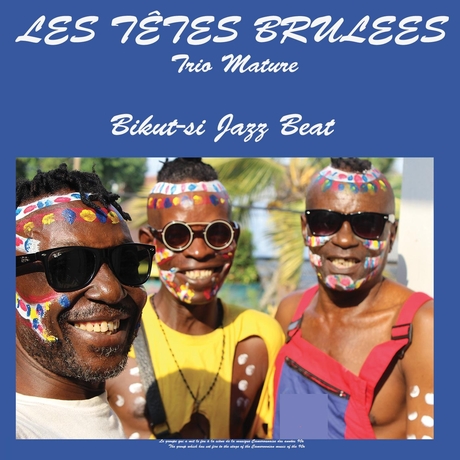
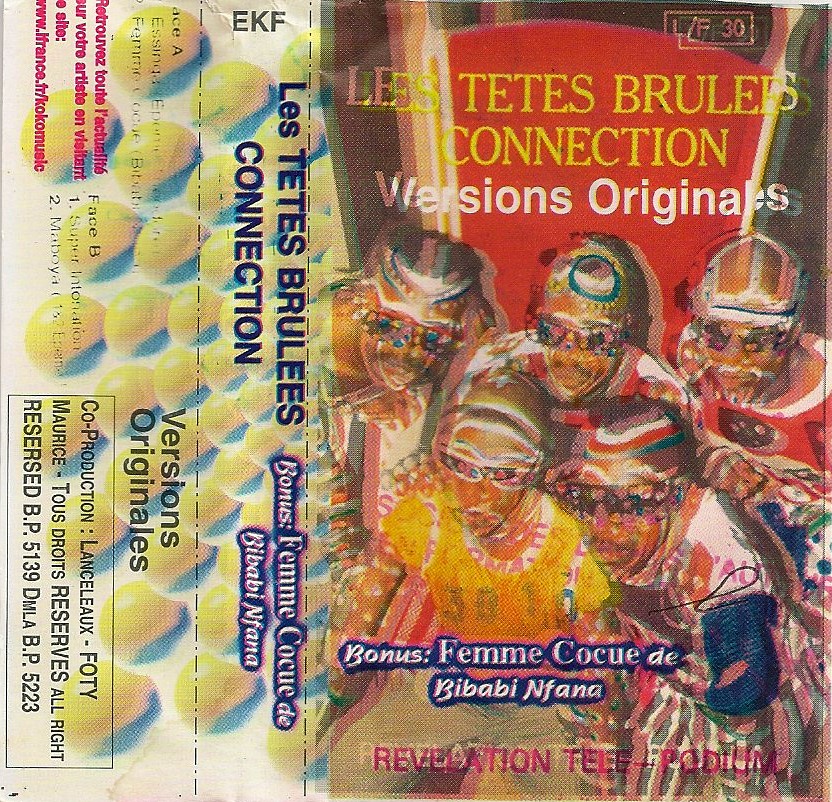
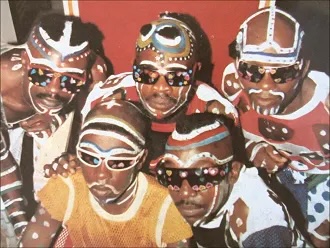
In 1987, on the screens of the very young Cameroonian television, five men landed like a thunderclap. Faces smeared with zebra stripes, half-shaved skulls, torn t-shirts, they played a bikutsi — this ritual dance of the Beti people from South Cameroon — electrified like never before. The audience jumped. Director Claire Denis filmed them. Guitarist Zanzibar would die almost immediately, transforming Les Têtes Brûlées into an immediate legend.
In brief
| Group name | Les Têtes brûlées |
| Origin | Yaoundé, Cameroon |
| Genre | Bikutsi, pop |
| Active period | 1986 – 2009 |
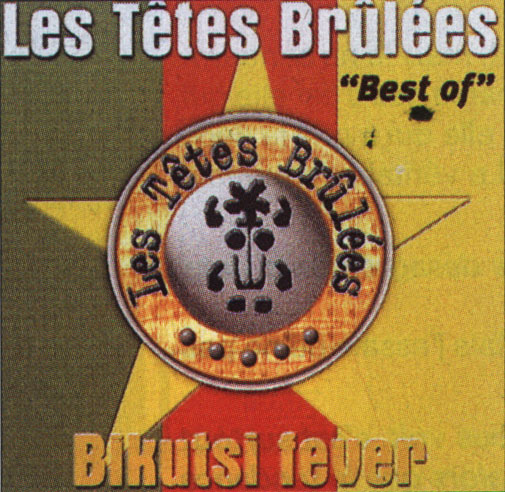
| Labels | Bleu Caraïbes, Shanachie, Dona Wana, Africa Fête |
| Founding members | Jean-Marie Ahanda (vocals, trumpet), Zanzibar (guitar, vocals), André Afata dit « Nylon » (drums), Roger Bekongo (guitar), Albert Ateba Mvondo dit « Atebass » (bass) |
| Emblematic works | Hot Heads, Bikutsi Rock, Man No Run |
Key dates
| Year | Event |
|---|---|
| 1986 | Formation in Yaoundé by journalist and trumpeter Jean-Marie Ahanda |
| 1987 | First sensational appearance on Cameroonian television (Télépodium) |
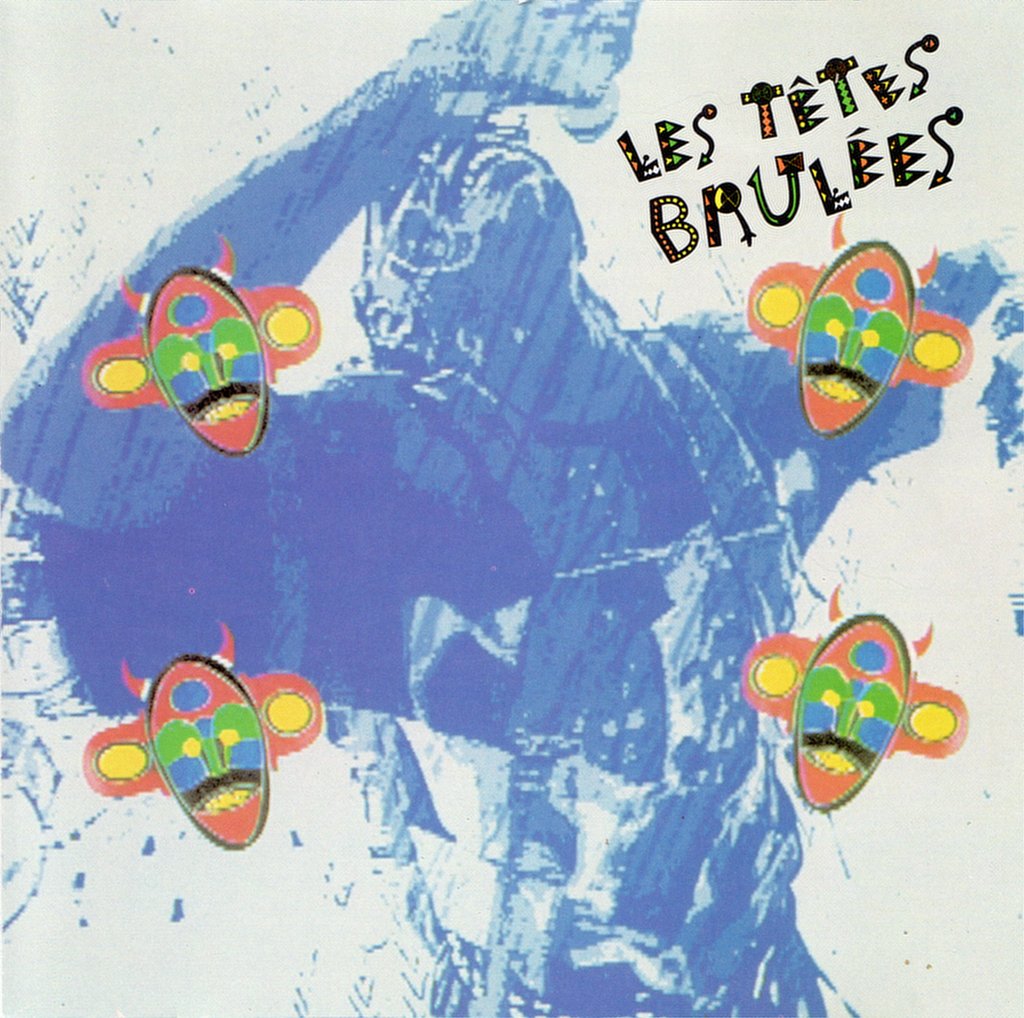
| 1988 | Album Les Têtes brûlées; start of the first European tour |
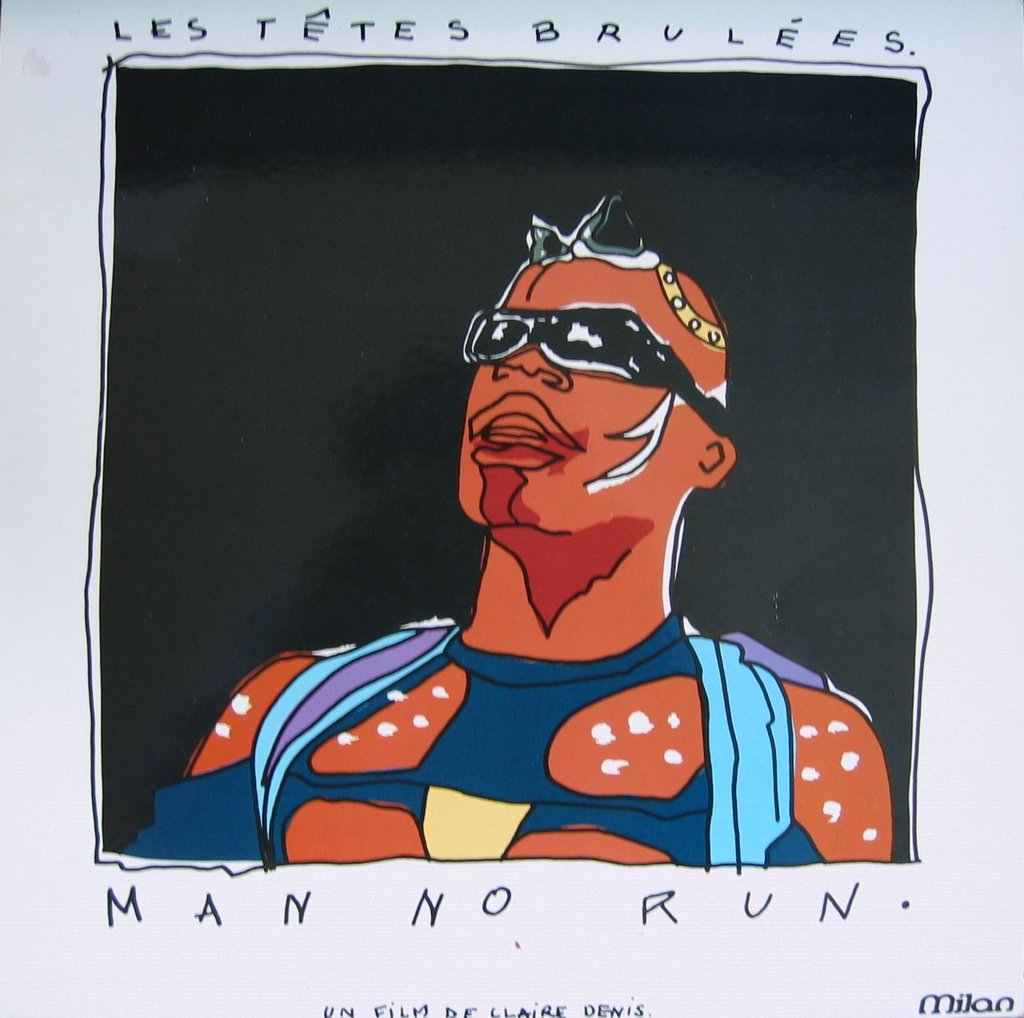
| 1989 | Documentary film Man No Run by Claire Denis; death of Zanzibar |
| 1990 | Ma Musique à Moi (Bleu Caraïbes) and Hot Heads (Shanachie) |
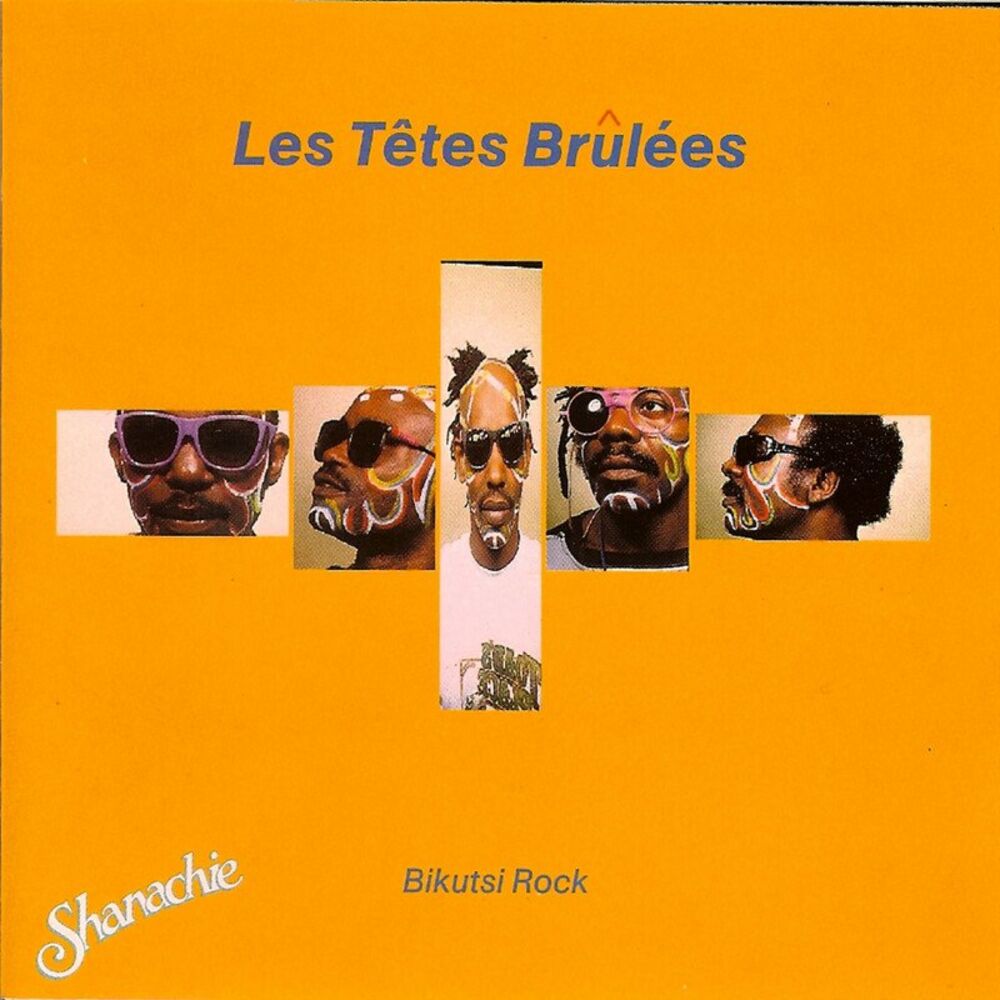
| 1992 | Bikutsi Rock (Shanachie), acclaimed by the American press |
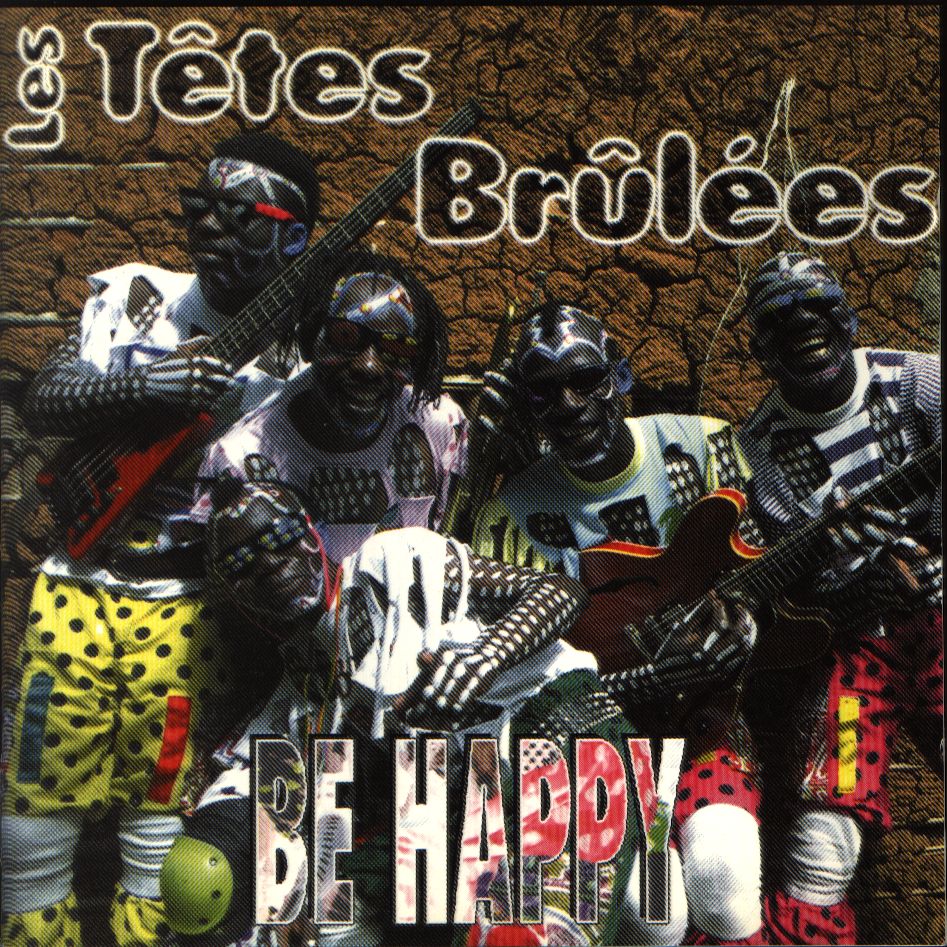
| 1995 | Last studio album: Be Happy (Dona Wana) |
| 2009 | Return with the single « Repentence »; Jean-Marie Ahanda, last surviving founder |
A musical revolution, a tragic destiny
Les Têtes Brûlées were born in Yaoundé in the mid-80s, propelled by trumpeter and journalist Jean-Marie Ahanda. During a stay in Paris, he convinced Zanzibar — star guitarist of the group Ozima Succès — to join him in a bold project: revisiting bikutsi with electric guitars and the energy of punk and rock. At the heart of this invention was Zanzibar (Théodore Epémé, 1962-1989), who had invented a unique method: attaching a piece of rubber foam to the bridge of his guitar to make the instrument sound like a balafon — this wooden African xylophone that rhythms traditional bikutsi. With their shaved skulls, bodies painted with zebra stripes evoking Beti ritual scars and outrageous costumes, Les Têtes Brûlées were visually as striking as they were musically.
The consecration arrived in a flash. In 1987, their appearance on Télépodium, the flagship show of CTV, triggered a national phenomenon. Their tour in France in 1988 revealed their talent to the world: Claire Denis followed them with a Nagra camera, filming concerts, meetings and outbursts. The result, Man No Run (1989), became a legendary documentary. In 1990, Les Têtes Brûlées accompanied the Cameroonian national football team to the World Cup in Italy, offering them additional exposure.
But destiny struck hard. At the end of 1988, Zanzibar died suddenly at 26 years old. The exact circumstances of his death were never clearly elucidated; suicide is often mentioned. The Cameroonian public quickly blamed the bandmates for his death. « The newspapers accused us of having killed him », Jean-Marie Ahanda recounted in a 2009 interview with RFI. « One of them even headlined: “If Jean Marie didn’t kill Zanzibar, he killed himself!” » This media shipwreck cut the group off from its audience, and radio banned their music. « We never could have lived from our music », he confessed. « We were the most celebrated group in Cameroon but also the one that had no work. » Despite despair, Les Têtes Brûlées recorded three additional albums — Ma Musique à Moi (1990), Bikutsi Rock (1992), Be Happy (1995) — before the 90s saw members drifting apart, each in their own way. A long silence followed.
Major works
| Work | Year | Why it is essential |
|---|---|---|
| Hot Heads | 1990 | First complete bikutsi pop album; engaged lyrics; international reissue by Shanachie |
| Bikutsi Rock | 1992 | Acclaimed in the United States; definitive fusion of punk, funk and soukous |
| Man No Run (Soundtrack) | 1989 | Soundtrack for Claire Denis’s documentary; captures the raw energy of the tour |
| Be Happy | 1995 | Last studio album; testimony of a group in transition |
Legacy and influence
Les Têtes Brûlées paved the way for a whole section of the Cameroonian music scene. Their success proved that African traditions could be grafted onto rock sounds without betraying themselves. Zanzibar became a mythical figure, honored in the book Zanzibar et les Têtes Brûlées du Cameroun : La Passion Bikutsi (Fumtim and Cillon Perri, 2013). In 2009, the single « Repentence » marked a resurgence of interest. Forty years after their first television appearance, Les Têtes Brûlées remain the embodiment of a moment when Cameroon suddenly saw its bikutsi conquer the world.
Sources and references
-
« Les Têtes Brulées », Wikipedia (en), https://en.wikipedia.org/wiki/Les_Tetes_Brulees, accessed October 21, 2026.
-
« Les Têtes brûlées (groupe) », Wikipedia (fr), https://fr.wikipedia.org/wiki/Les_T%C3%AAtes_br%C3%BBl%C3%A9es_(groupe), accessed October 21, 2026.
-
Frank Bessem, « Les Têtes Brûlées », Musiques d’Afrique, https://musiques-afrique.net/cameroon/art-tetes-brulees.html, accessed October 21, 2026.
-
Fanny Pigeaud, « Le nouveau visage des Têtes Brûlées », RFI Musique, https://musique.rfi.fr/musique/20090305-le-nouveau-visage-tetes-brulees.html, March 5, 2009, accessed October 21, 2026.
-
Alona Wartofsky, “LES TETES BRULEES”, The Washington Post, https://www.washingtonpost.com/archive/lifestyle/1992/06/29/les-tetes-brulees/80626150-17af-4d16-a824-ad86f2e1409f/, 29 June 1992, accessed on 21 October 2026.
-
“POP REVIEW : Cameroon Band Rallies in Second Half”, Los Angeles Times, https://www.latimes.com/archives/la-xpm-1992-08-03-ca-4506-story.html, 3 August 1992, accessed on 21 October 2026.
-
“BBC Radio 1 - Keep It Peel - 16/10/1990 Les Tetes Brulees”, BBC, https://www.bbc.co.uk/radio1/johnpeel/sessions/1990s/1990/Oct16lestetesbrulees/, accessed on 21 October 2026.
-
“Man No Run”, Courtisane, https://courtisane.be/en/film/man-no-run, accessed on 21 October 2026.
-
“Les Têtes Brulées, un groupe qui a révolutionné le Bikutsi”, Agenda Culturel du Cameroun, https://www.agendaculturelducameroun.com/les-tetes-brulees-un-groupe-qui-a-revolutionne-le-bikutsi/, accessed on 21 October 2026.
-
Joseph Fumtim and Anne Cillon Perri, Zanzibar et les Têtes Brûlées du Cameroun : La Passion Bikutsi, Yaoundé: Éditions Ifrikiya, 2013.