Biography
Lionel Loueke: A Musical Painter Between Jazz and African Traditions
In April 2001, in Los Angeles, a twenty-seven-year-old guitarist faced Herbie Hancock, Wayne Shorter, and Terence Blanchard. He slid a strip of paper between his strings, imitated the sound of an African kalimba, and made Xhosa clicks sing amidst his jazz phrases. The jury erupted in applause. Shorter stood up: “I told you I come from Africa, and here is my brother!” Hancock almost immediately invited him to tour with him. For Lionel Loueke, the validation was there—and it opened a door to a style never heard until then.
In Brief
| Full Name | Lionel Gilles Loueke |
| Birth | April 27, 1973, Cotonou (Benin) |
| Field | Jazz — soprano guitar, vocals, composition |
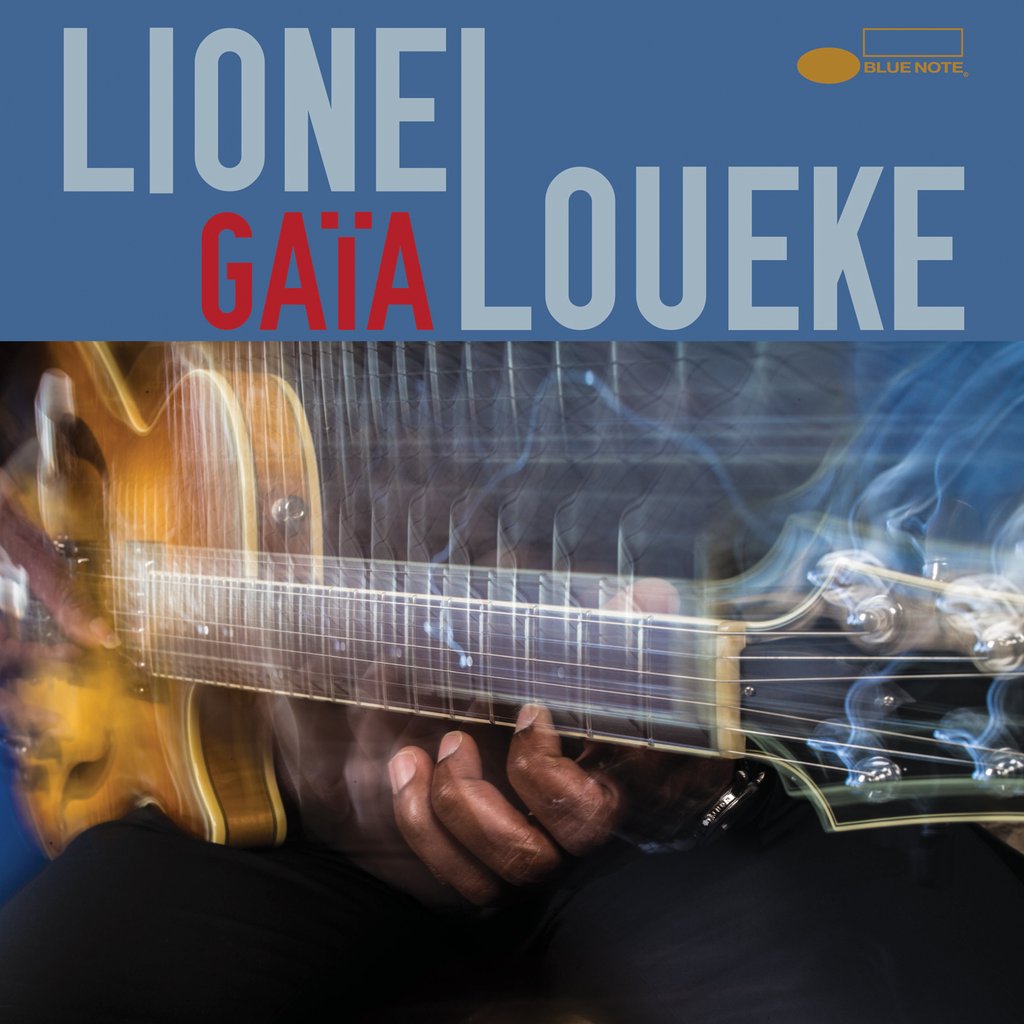
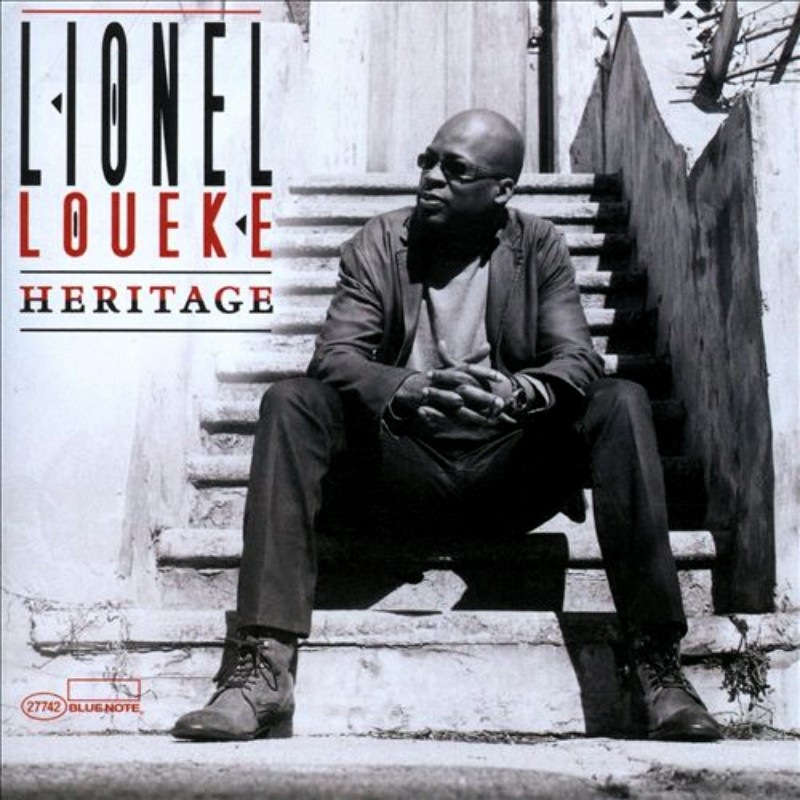
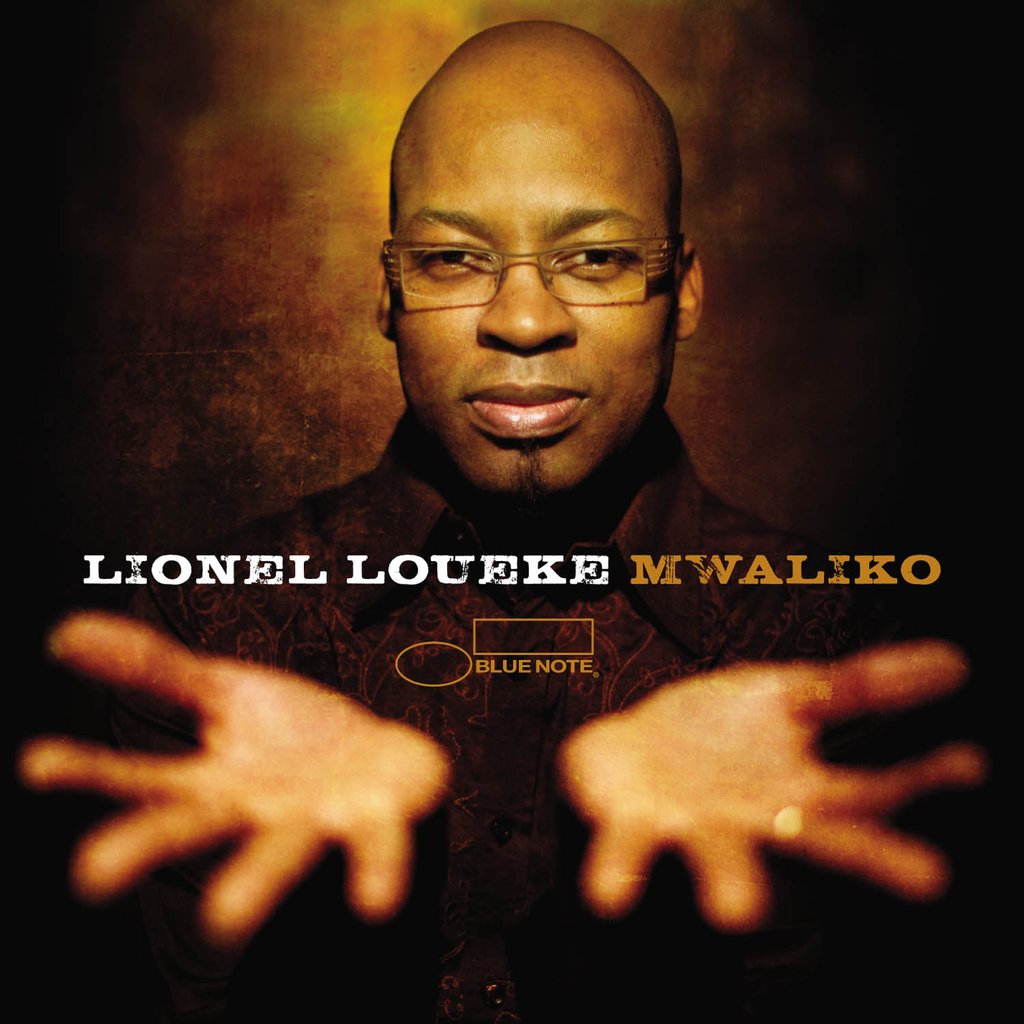
| Notable Works | Karibu, Mwaliko, Heritage, Gaïa |
| Awards | Grammy (Album of the Year, River: The Joni Letters), United States Artists Fellow 2009 |
Key Dates
| Year | Event |
|---|---|
| 1973 | Born in Cotonou, Benin |
| 1982 | Began percussion at age 9; discovered guitar around age 17 |
| 1990 | Went to Côte d’Ivoire, studied at the Institut national des arts d’Abidjan |
| 1994–1998 | Studied at the American School of Modern Music in Paris |
| 1999–2001 | Berklee College of Music (Boston), scholarship; met Biolcati and Nemeth |
| 2001–2003 | Admitted to the Thelonious Monk Institute of Jazz (UCLA); auditioned before Hancock, Shorter, Blanchard |
| 2008 | Began with Blue Note Records with Karibu; “Kponnon Kpété” won Independent Music Awards |
| 2009 | United States Artists Fellow Award |
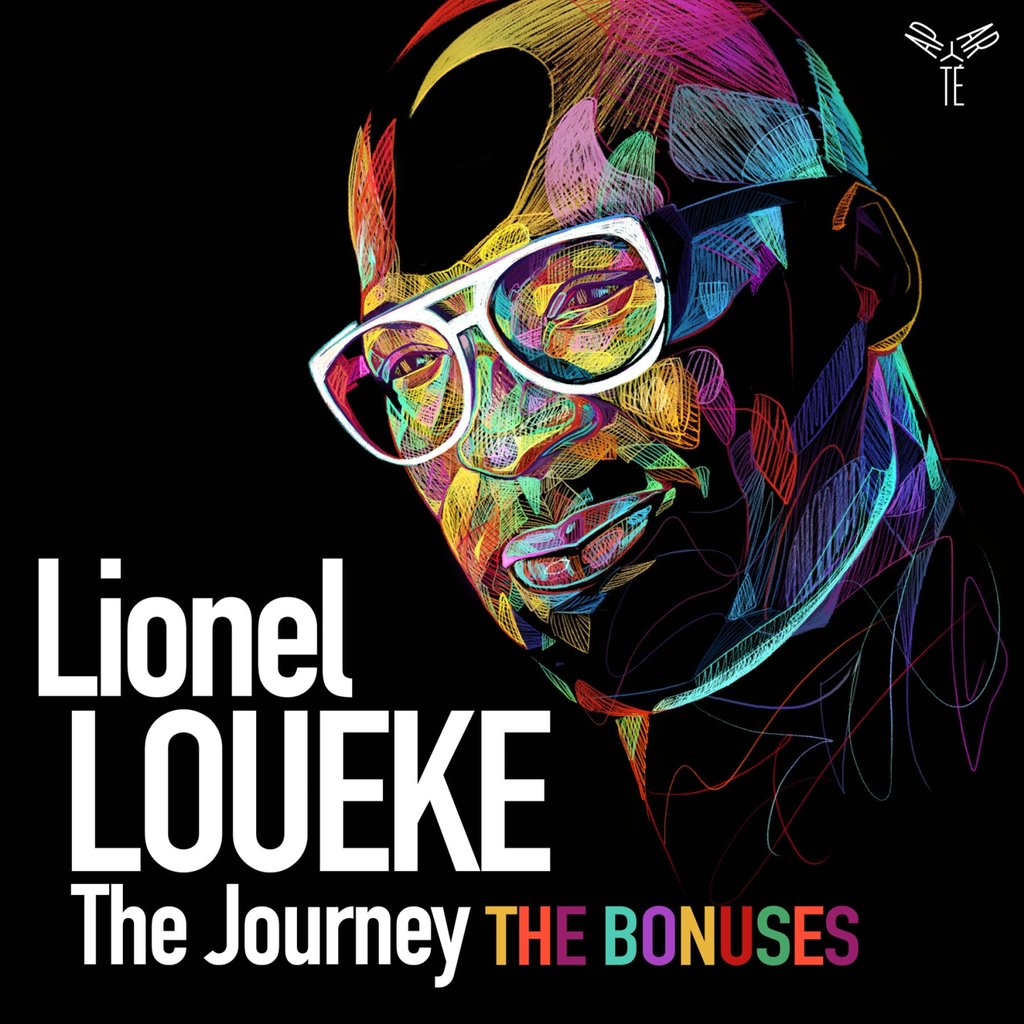
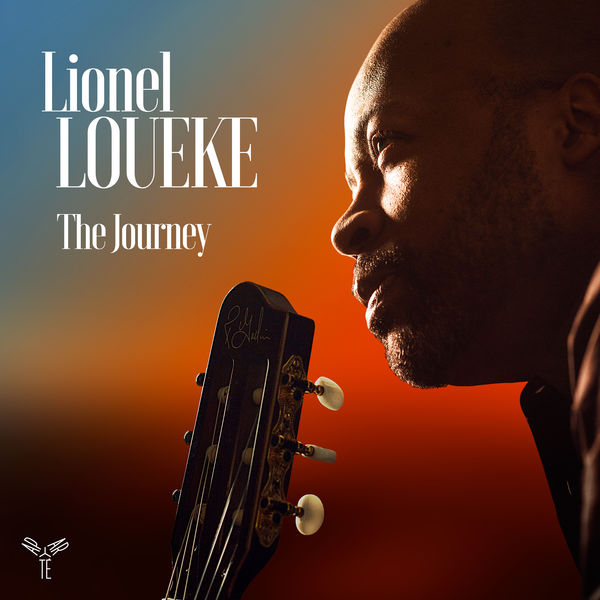
| 2015–2018 | Albums Gaïa, The Journey, Close Your Eyes; group Aziza (Potter, Holland, Harland) |
| 2020–2024 | HH, Lean In with Gretchen Parlato, United with Dave Holland; joined Chick Corea’s group (2023) |
Origins, Discovery of Jazz, and Revelations
Lionel Loueke was born into a family he describes as “poor intellectuals”: his father taught mathematics, and his mother was a high school teacher. Neither was a musician, but his grandfather sang in traditional ceremonies in his Beninese village, and Alexis, his older brother, played guitar in a group that covered King Sunny Adé and Fela Kuti. He began percussion at nine, but didn’t touch the guitar until seventeen. He saved for a year to buy his first instrument—a brick for fifty dollars—and, lacking spare strings (which had to be bought in Nigeria), cleaned the old ones with vinegar water and used bicycle brake cables, which damaged the neck so much he had to find a carpenter to repair it.
The shift toward jazz came by chance. A friend of his brother brought back a George Benson album from Paris: “I didn’t understand what he was doing,” Loueke recalls, and he put weak batteries on his cassette to slow down the sound and memorize the phrases. He then went to the French School in Accra, and in 1994, to Paris, where he joined the American School of Modern Music. The wave was launched.
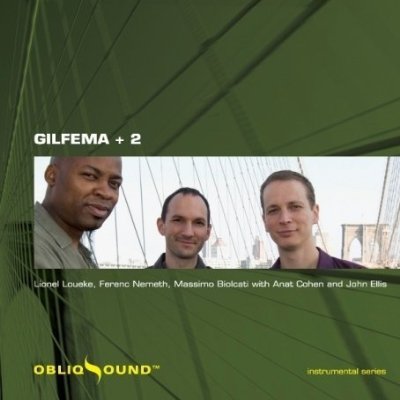
A scholarship took him to Boston, to the Berklee College of Music in 1999. There he met bassist Massimo Biolcati and Hungarian drummer Ferenc Nemeth: they formed Gilfema (Gilles, Ferenc, Massimo). In 2001, his teacher Hal Cook recommended the Thelonious Monk Institute of Jazz. Decisive audition before Hancock, Shorter, and Blanchard: Loueke played Shorter’s “Footprints” by superimposing Xhosa clicks and a kalimba made of paper slid between the strings. “He’s completely crazy or genius,” Blanchard would say later. The door was wide open.
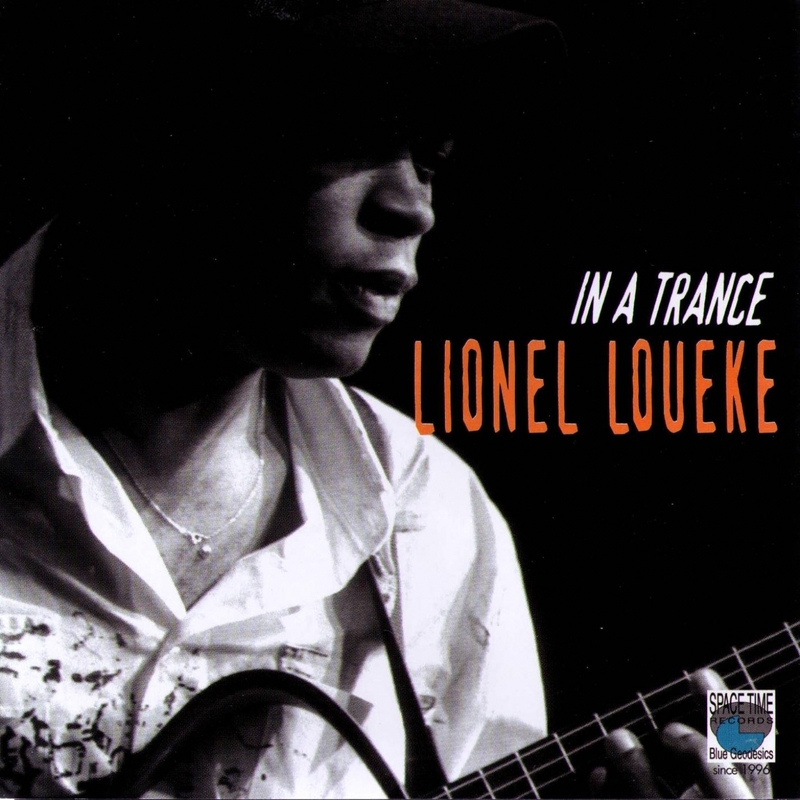
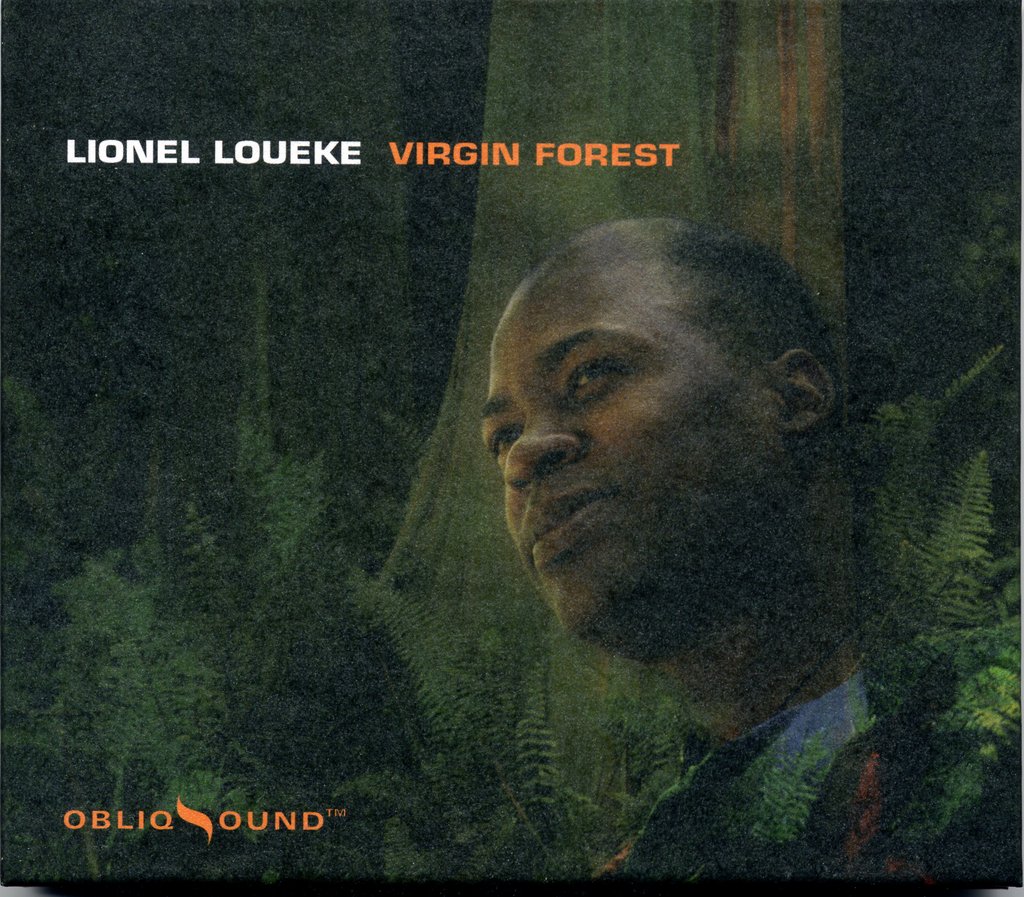
He joined Terence Blanchard late but quickly, playing by hand without a pick when the trumpeter recommended he listen to what he heard. Blanchard integrated him into his trio; the album Bounce (2003, Blue Note) was released. In 2005, Loueke released In a Trance (live) and Virgin Forest, the latter getting him noticed beyond the circle of initiates. Impressed, Herbie Hancock took him under his wing: “a unique musician, with his heart on his sleeve,” and the two toured together for over ten years.
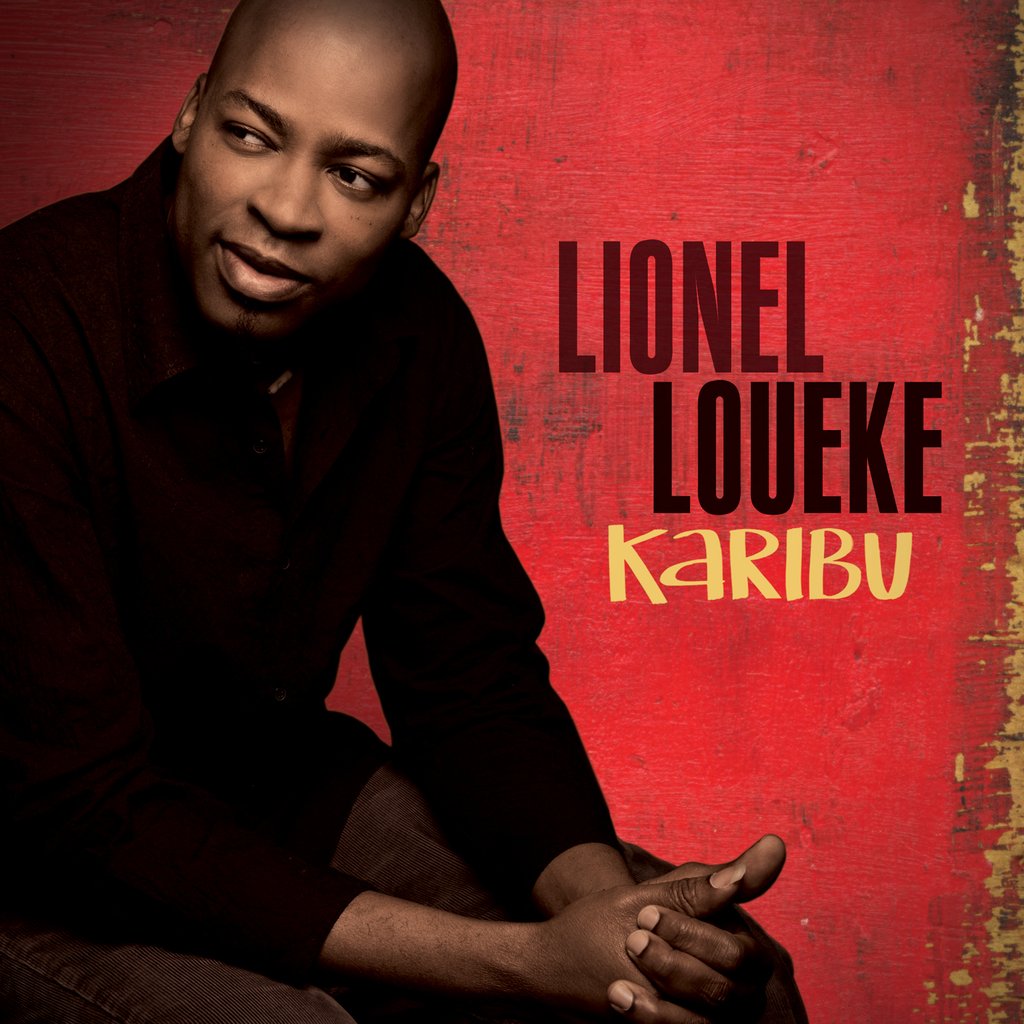
In 2007, he contributed to the Grammy Award Album of the Year with River: The Joni Letters. International recognition fell, and in 2008 he signed with Blue Note with Karibu, which welcomed Hancock and Wayne Shorter. He would not leave them as a tutelary figure again.
Major Works
| Album | Year | Why It’s Essential |
|---|---|---|
| Virgin Forest | 2006 | First solo album to show his unique style: paper kalimba, Xhosa chants, and fingerstyle |
| Karibu | 2008 | Blue Note debut, first album to integrate Hancock and Shorter into the trio |
| Mwaliko (2010) | 2010 | Dedication to Benin; duos with Angélique Kidjo and Richard Bona |
| Heritage (2012) | 2012 | Electric sonorities, co-production Robert Glasper; exploration of traditional African rhythms |
| Gaïa (2015) | 2015 | First fully electric album, fusing African rock and jazz |
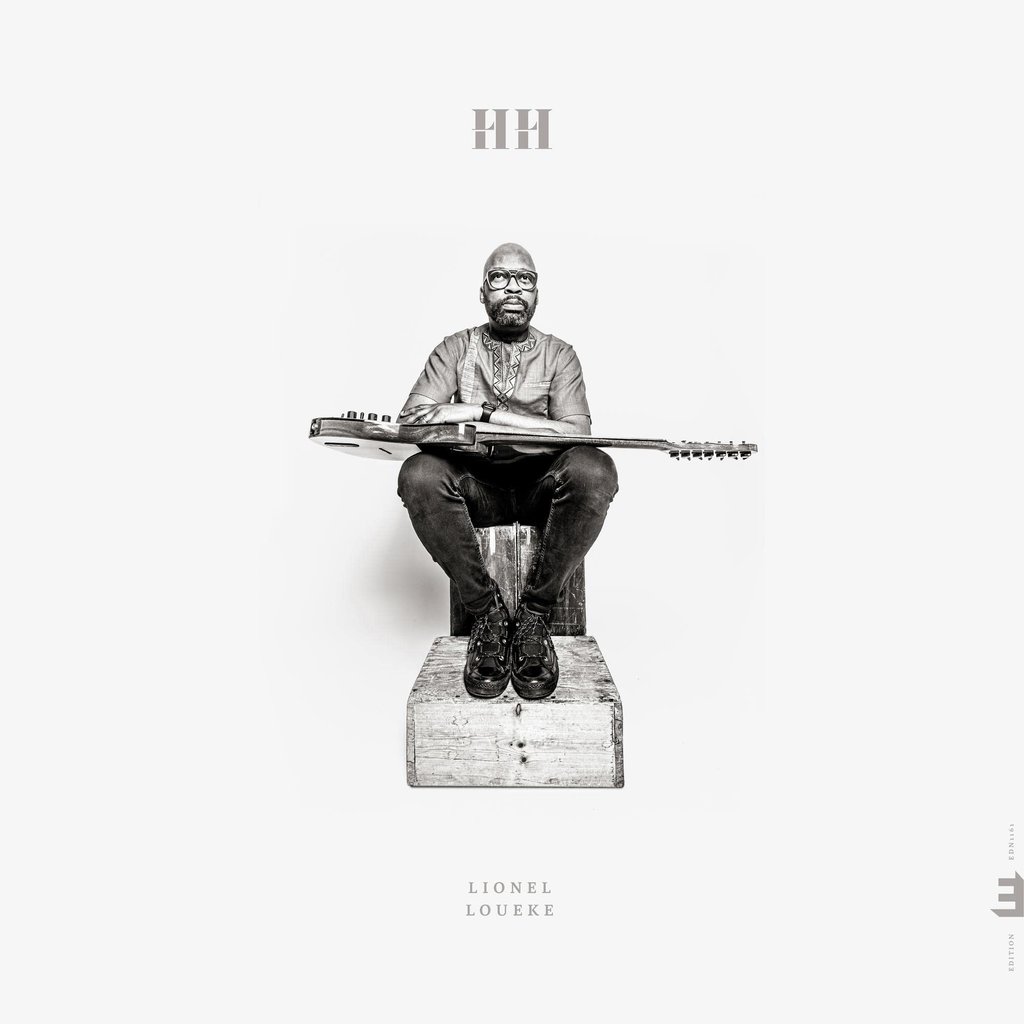
| HH (2020) | 2020 | Tribute to Herbie Hancock, partly remixed by Gilles Peterson in HH Reimagined |
Heritage and influence
Lionel Loueke has become one of the most sought-after guitarists in contemporary jazz, opening a new space between West African traditions and North American post-bop. His approach — kalimba-sounding guitar induced by a piece of paper between the strings, click-based vocals inspired by Xhosa, polyrhythmic fingerstyle — has influenced a new generation of African and Afro-diasporic guitarists who claim this dual culture. Herbie Hancock, his long-time collaborator for over ten years and one of his protégés, wrote of him that he is “a unique musician.” His arrival on River: The Joni Letters, the 2008 Grammy Award winner, signaled to the world that jazz could fully integrate African sounds without folklorizing them — Loueke does not play African rhythms over jazz; he makes jazz with the very material of his own culture. The world listened, and continues to listen.
Sources and references
- “Lionel Loueke”, French Wikipedia, https://fr.wikipedia.org/wiki/Lionel_Loueke, accessed November 3, 2026.
- “Lionel Loueke”, Wikipedia (English), https://en.wikipedia.org/wiki/Loueke, accessed November 3, 2026.
- “Lionel Loueke — Gilles Loueke”, Jazz.com Encyclopedia, https://jazz.com/encyclopedia/loueke-lionel-gilles, accessed November 3, 2026.
- “Lionel Loueke”, AllMusic, https://www.allmusic.com/artist/lionel-loueke-mn0000226516, accessed November 3, 2026.
- “Lionel Loueke Fusing Jazz, African Sounds”, NPR, https://npr.org/transcripts/98640985, accessed November 3, 2026.
- “Beninese guitarist Lionel Loueke blends African rhythms and jazz”, BBC Afrique, https://www.bbc.com/afrique/39005879, accessed November 3, 2026.
- “Jazz Guitarist Lionel Loueke on His New Album, ‘Heritage’”, New York Magazine, https://nymag.com/arts/popmusic/features/heritage-lionel-loueke-2012-8, accessed November 3, 2026.
- “American School of Modern Music — Lionel Loueke”, ASMM, https://www.asmm.fr/our_team/lionel-loueke/, accessed November 3, 2026.