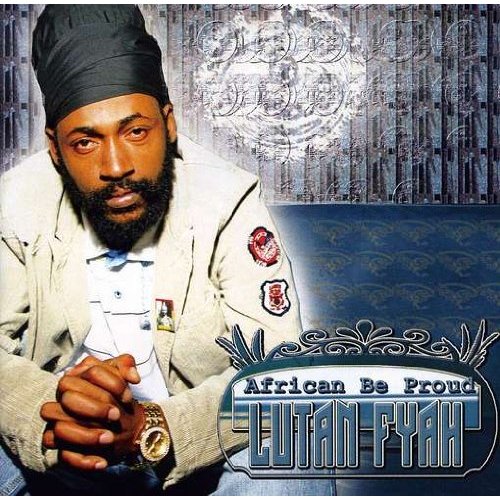
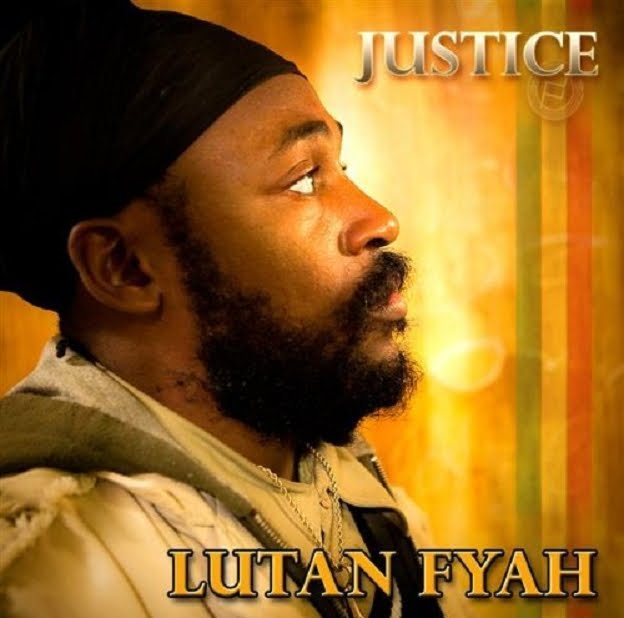
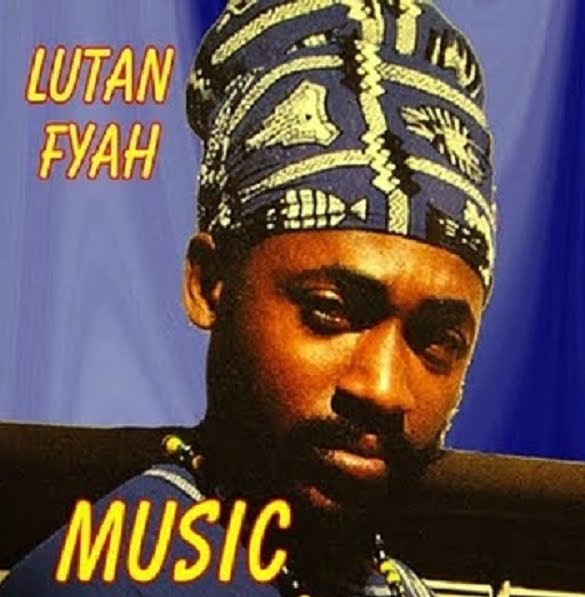
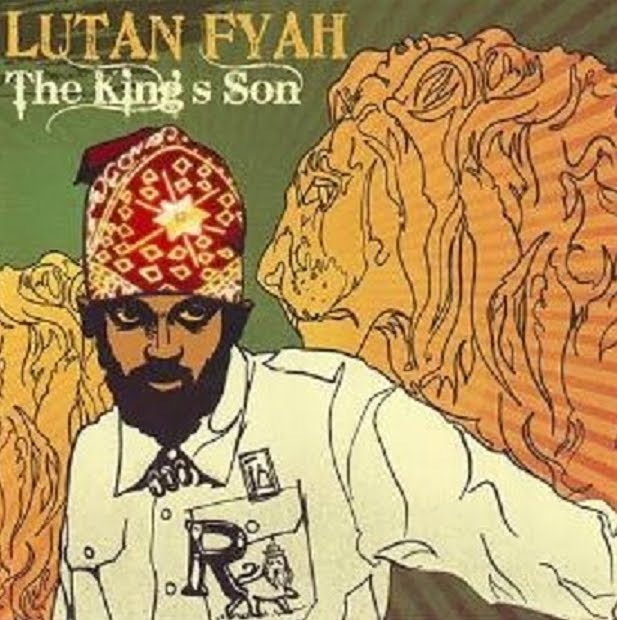
Biography
Lutan Fyah: The Raspy Voice That Ignites Reggae Stages
Berlin, March 2025. Lutan Fyah climbs atop a speaker stack to dominate the hall. He belts out “Bossman, gimme weh mi come fah” — his words crackle through the room like a rallying cry. Hands rise and wave, one-finger guns salute: the Roots and Culture Tour vibrates. This is not merely a concert. It is proof that a singer born in Thompson Pen, Jamaica, has turned conscious reggae into a living religion.
In Brief
| Full Name | Anthony Martin |
| Birth | December 6, 1975, Spanish Town (St. Catherine Parish), Jamaica |
| Genre | Reggae roots, conscious reggae dancehall |
| Notable Works | “Rasta Still Deh Bout”, “Save the Juvenile”, album Dem No Know Demself |
| Awards | Regular world tours, repeated appearances at Rebel Salute |
Key Dates
| Year | Event |
|---|---|
| 1975 | Birth of Anthony Martin in Spanish Town, St. Catherine Parish |
| 1999 | Musical debut; recording of first demos for Buju Banton’s Gargamel Records |
| 2003 | Release of single “World Crisis” distributed by Higher Ground, featuring Anthony B |
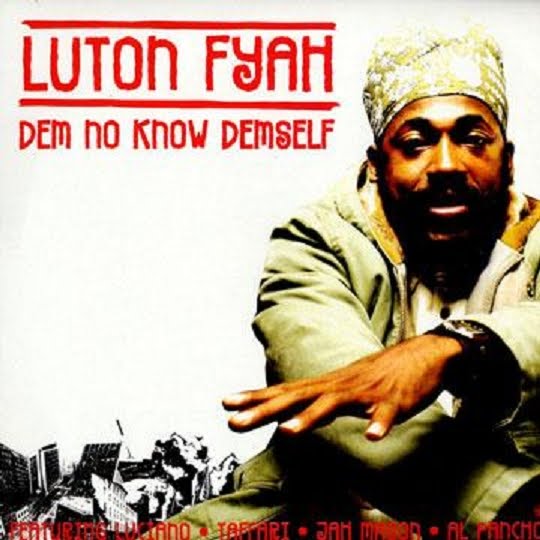
| 2004 | Release of first album Dem No Know Demself (Minor 7 Flat 5) |
| 2005 | Participation in Rebel Salute and first major European tour with Irie Ites |
| 2006-2009 | Prolific period: four albums, tours across the United States, Europe, and Africa |
| 2013 | Release of tenth album Life of a King; anniversary concert recorded on DVD |
| 2019 | Fifteenth studio album: Longest Liva, featuring Beenie Man and Johnny Live |
| 2025 | Release of Strength & Resilience and Roots and Culture European tour |
From Balloons to Kingston Studios — The Origins
Anthony Martin grew up in Thompson Pen, a neighborhood in St. Catherine. His grandfather ran a sound system — childhood spent amidst basslines shaking Jamaican nights. Music was his practice from early on: he sang in the family sound system workshops. Football fascinated him too; he joined the Constant Spring F.C. team in the National Premier League, Jamaica’s top division. But music called louder. In 1999, he left the ball to sign up for Kingston studios.
His first break came almost by chance: Buju Banton, one of Jamaican reggae’s giants, opened the doors of his label Gargamel Records. There, he recorded his first singles, including “Fling Stone” and “Armageddon War”. That track crossed the Atlantic, drawing attention in Europe and the United States. In 2001, a decisive meeting with Jah Mason opened the first chapter of an international tour. « It was great being around Buju as a youth », he would later say: a tribute to the mentor who taught him professional rigor.
« Music is my life » — The Declaration of a Dreamed Voice
With his raspy timbre, a singjay style (half-singing, half-delayed), and diction that cuts through the Jamaican accent, Lutan Fyah forged an unmatchable stage identity. He writes most of his lyrics and plays guitar and keyboards — a rare profile in reggae where vocal improvisation over riddim dominates. His adherence to the Bobo Shanti movement, one of the strictest Rastafari families, informs his lyrics without freezing them into catechism: he sings of the working class, agriculture as a means of food autonomy, social inequalities, and African dignity.
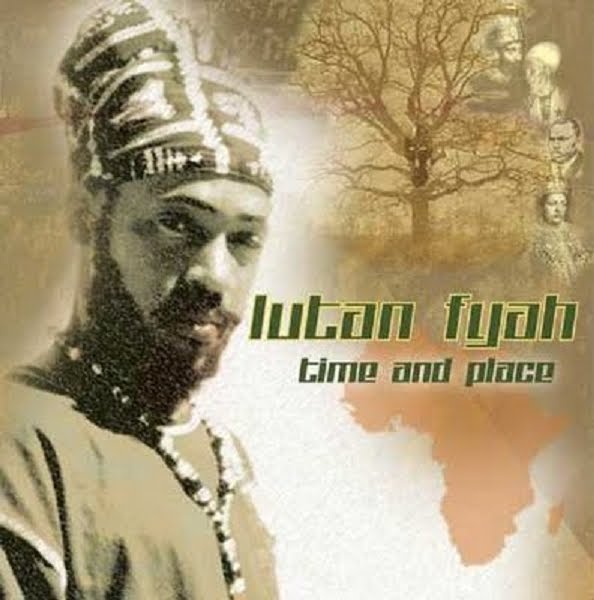
After the first album Dem No Know Demself (2004, Minor 7 Flat 5), which gathers his best singles on the era’s riddims (“Good Times”, “Campo”), his second opus Time & Place (2005, Lustre Kings) confirms his progress. In October 2004, he embarked on a European tour with Irie Ites — Paris, Lille, Montpellier, Barcelona, Madrid — and began a collaboration that led to tracks for the Irie Ites and Old Capital labels.
« What keeps you working so hard? Music is my life. Lutan Fyah is always doing recordings every day », he explains in a 2010 interview. This sentence sums it all up: an artist who sees music as a rhythm of life more than a career, chaining sessions and tours together. From 2005, he multiplied guest appearances — Bobo Revolution Vol. 1 and 2 (VP Records), collabs with Messenjah Selah, Chuck Fender, Midnite — and his albums on VP, Greensleeves, Philadub, and Starplayer followed one another at a steady pace.
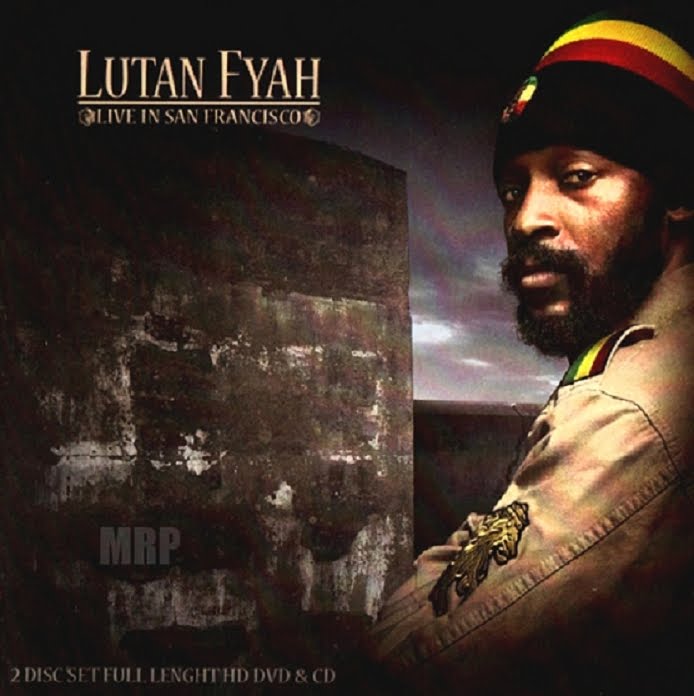
The tenth album, Life of a King (2013), marked a turning point: Europe and Africa, then a birthday concert in December 2013 bringing together Chezidek, Jah Mason, Fantan Mojah, Jah Cure, Gyptian, Sizzla, and Popcaan — a concentrate of the best of the contemporary roots scene, captured for DVD.
A Voice That Crosses Borders
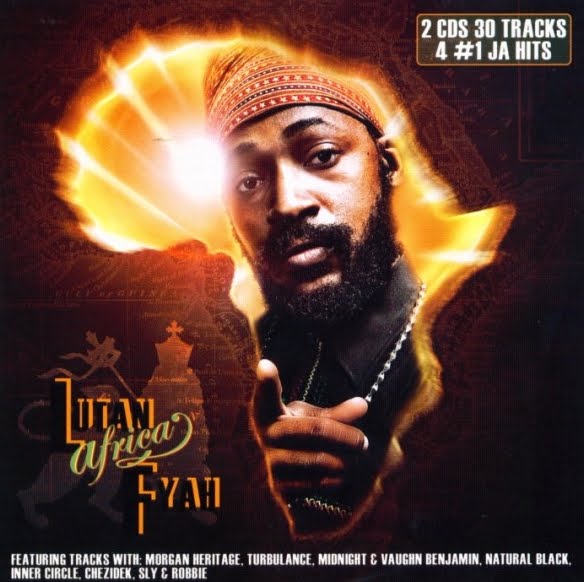
In 2019, Longest Liva (Lock City Music Group) arrived with Beenie Man and Johnny Live, confirming his ability to evolve between classic reggae roots and more modern dancehall. The year 2025 brought Strength & Resilience (Grade Records), driven by a Roots and Culture European tour where he alternates Garveyite hymns like “Africa”, incisive social critiques, and meditative moments — “Mama Love” and “Touch the Road”. On stage, he has lost none of his militant verve: seated on a speaker stack, he reasons with the audience about low wages and class oppression.
Lutan Fyah, sometimes credited as Lute and Fyah, has traversed nearly three decades without ever yielding to mainstream compromises. If Jamaican reggae often oscillates between commercialization and spiritual radicality, he has known how to inhabit both worlds. His legacy does not rest on a single album but on coherence: almost twenty studio albums, hundreds of riddims, and a European audience that returns to every performance. From Swedish festivals in Uppsala to Parisian halls, he confirms that conscious reggae is not a relic of the past — but a voice always alive.
Major Works
| Work | Year | Why It’s Essential |
|---|---|---|
| Dem No Know Demself | 2004 | First album; foundational sound that established the style and themes |
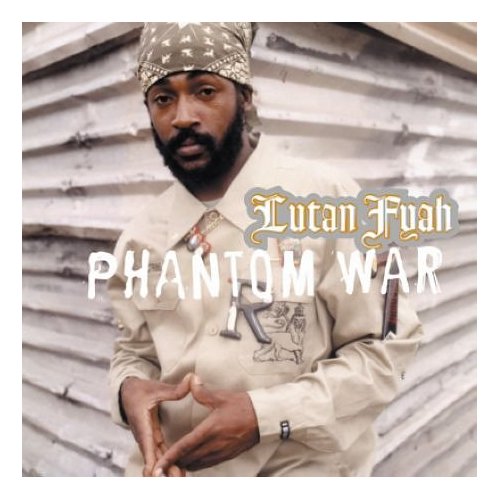
| Phantom War | 2006 | Greensleeves production, confirmed maturity |
| Healthy Lifestyle | 2006 | VP label, social affirmation and conscious message |
| Life of a King | 2013 | Tenth album, Europe-Africa tours, peak of the decade |
Legacy and Influence
Lutan Fyah represents a current in reggae that refuses to choose between roots authenticity and dancehall modernity. Artists like Kabaka Pyramid, Jesse Royal, and Chronixx share this same tension between heritage and innovation. The European reggae scene—from festivals like Uppsala to Parisian venues, passing through the Jamaican Rebel Salute—remains his main arena, where he continues to gather a loyal audience. The producers who accompanied him—Bunty Bramwell, Smiley, Tristan Palmer, John John, Don Corleon—bear witness to his ability to inspire artists both behind the console and on stage.
Sources and References
- “Lutan Fyah”, Wikipedia (en), https://en.wikipedia.org/wiki/Lutan_Fyah, accessed November 7, 2025.
- “Lutan Fyah”, Wikipedia (fr), https://fr.wikipedia.org/wiki/Lutan_Fyah, accessed November 7, 2025.
- “Lutan Fyah — Biography, Discography”, AllMusic, https://www.allmusic.com/artist/lutan-fyah-mn0000339098, accessed November 7, 2025.
- “Lutan Fyah”, Discogs, https://discogs.com/artist/413695-Lutan-Fyah, accessed November 7, 2025.
- Angus Taylor, “Interview: Lutan Fyah”, United Reggae, https://unitedreggae.com/articles/n470/092710/interview-lutan-fyah, published September 27, 2010.
- Goran, “Interview with Lutan Fyah”, Reggae Festival Guide, https://reggaefestivalguide.com/interview-with-lutan-fyah/, published April 12, 2018.
- Jah Mason, “Lutan Fyah tours Germany”, Jamaica Observer, https://www.jamaicaobserver.com/2025/03/06/lutan-fyah-tours-germany, published March 6, 2025.