Biography
M’Du
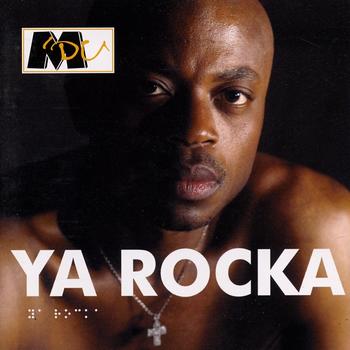
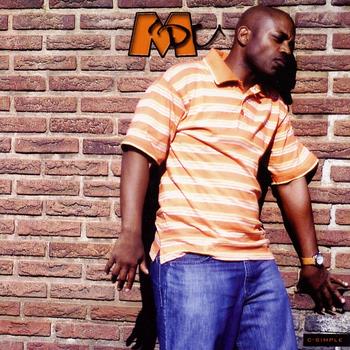
On April 25, 1970, in the Zola section of Soweto — these vast residential areas once reserved for Black people under apartheid — Mduduzi Masilela was born. A child who grew up to the sound of his grandmother’s pianos, where kwaito, this South African genre born from house music and township rhythms, was still a nascent breath. Twenty years later, this young man would become one of the pillars of the musical revolution that accompanied the end of apartheid, and his name would become M’Du, nicknamed “The Godfather of Kwaito” for his pioneering contributions.
In Brief
| Full Name | Mduduzi Prinsloo Masilela |
| Stage Name | M’Du |
| Birth | April 25, 1970, Soweto (Zola township), South Africa |
| Field | Kwaito, house music; keyboards, bass, composition, production |
| Notable Works | “Tsiki Tsiki”, “Ipompe”, “Always da Case” |
| Awards | Multiple albums certified platinum (50,000 copies); godfather of the M’Du Records label under EMI/Sony |
Key Dates
| Year | Event |
|---|---|
| 1970 | Birth in the Zola township of Soweto, Johannesburg |
| 1988 | Formation of the duo MM Deluxe with Mandla “Spikiri” Mofokeng |
| 1989 | First MM Deluxe album, Where Were You?, released via Cool Spot Productions |
| 1990 | Release of L.A. Beat, M’Du’s first solo album (25,000 copies) |
| 1994 | Launch of M’Du Productions and the album Tsiki Tsiki |
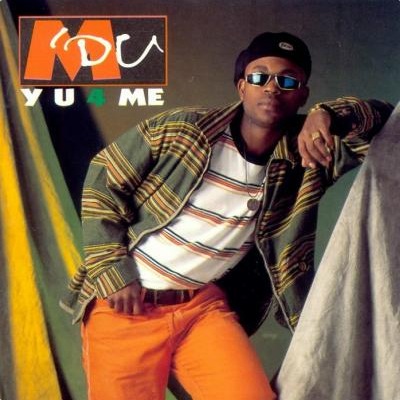
| 1995 | Release of Y U 4 Me, a foundational kwaito album |
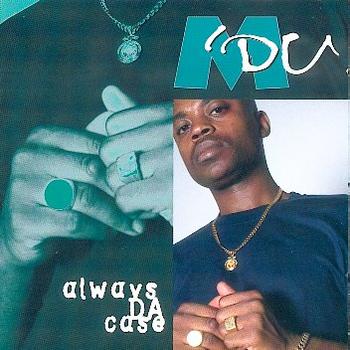
| 1997 | Always da Case, an album marked by complex harmonic structures |
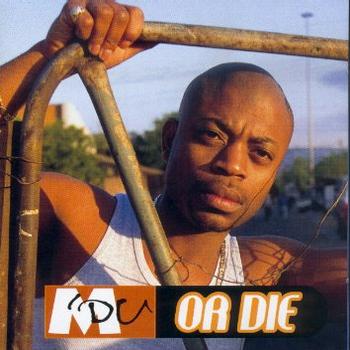
| 1998-2001 | Prosperous period: M’Du Or Die, The Godfather; multiple platinum albums |
| 2000s | M’Du Records partnership with EMI/South Africa; production of Mashamplani, Sharon Dee |
| Today | Influential legacy in kwaito and amapiano, a genre that has conquered the world |
From Grandmother’s Pianos to Godfather of Kwaito
Mduduzi Masilela grew up in music long before knowing its name. His initiation began on his grandmother’s piano in Zola, under the shadow of the Soweto township. As a teenager, he already formed several groups with neighborhood friends, experimenting with the sounds that made Johannesburg tremble in the 1980s.
In 1988, his life changed with the meeting of Mandla “Spikiri” Mofokeng. The duo MM Deluxe was born, and quickly they explored the sounds of international dance music — those rising from New York clubs and London — while infusing them with the rhythms of their townships. Their first album, Where Were You?, was released in 1989 via Cool Spot Productions. The following year, M’Du published L.A. Beat, his first solo project, which sold 25,000 copies and earned him recognition in the South African house scene. Productions followed one after another, and M’Du became one of the most sought-after producers in the country. He worked with Chicco Twala, Yvonne Chaka Chaka, Pat Shange, and Dr. Victor — a team that shook the township scenes.
But it was within the kwaito movement, this genre born from the meeting of house music and township identities after apartheid, that M’Du forged his legend. He invented a style characterized by deep basses, complex harmonic structures, and an unmistakable low voice. The meaning of kwaito as described by M’Du remains a reference: house music popularized by South African ghettos, named after the Afrikaans slang word kwai, meaning hot or powerful depending on the context of the townships [[1]]. M’Du was then perceived as the rival of Arthur Mafokate, the other giant of kwaito, and the nickname “Godfather of Kwaito” stuck to him.
In 1994, he launched M’Du Productions and opened his own label, M’Du Records, which benefited from a partnership with EMI South Africa. He also began discovering and producing new talents: the group Mashamplani, with hits like “Kumnandi” and “Bokoloshe”, Sharon Dee, Mawillies. He became the one who opened doors for an entire generation.
A Legacy That Crosses Decades
M’Du’s influence does not stop at the golden age of kwaito. His albums Y U 4 Me (1995) and Always da Case (1997), with their percussive bass lines and precise rhythmic programming, are today studied as the sonic ancestors of amapiano — this South African genre born in the 2010s that has conquered the whole world. M’Du’s harmonic structures, this blend between jazz and house, resonate in productions by artists like DJ Maphorisa, Kabza De Small, and Mr JazziQ.
Several of his solo albums were certified platinum in South Africa, a rare feat for an artist who managed to keep creative control — an entire generation of township producers owes this autonomy to him [[4]].
“The influence of his compositions and lyrics echo through South African hip-hop and amapiano,” Apple Music notes [[3]]. For millions of Soweto residents, M’Du remains the one who transformed the sound of the township into world music.
Major Works
| Work | Year | Why It’s Essential |
|---|---|---|
| “Tsiki Tsiki” | 1994 | Foundational kwaito anthem, title that anchors the genre in township culture [[4]] |
| “Y U 4 Me” | 1995 | Reference album: percussive basses, sophisticated rhythmic programming [[3]] |
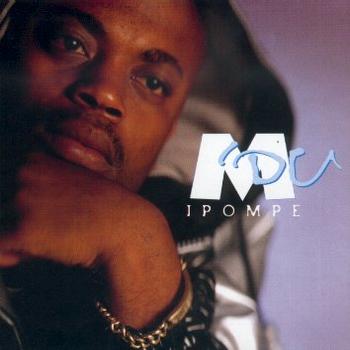
| “Ipompe” | 1996 | Notable album with complex harmonic structures and jazz influences [[3]] |
| “Always da Case” | 1997 | Culmination of the M’Du style: deep bass lines and timeless melodies [[3]] |
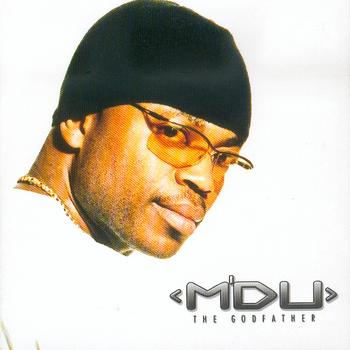
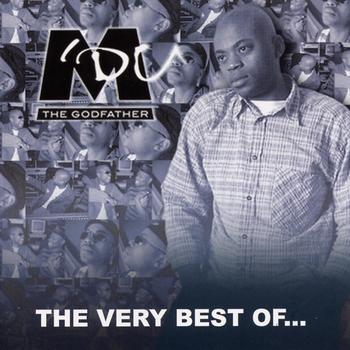
| “The Godfather” | 2001 | Flagship title of the M’Du Records label, certified platinum [[3]] |
Heritage and influence
M’Du embodies this generation of South African producers from the 1990s who refused to accept the status of exploited artists by major labels [[4]]. With his label M’Du Records and his partnership with EMI, he demonstrated that it was possible to control one’s production, distribution, and discoveries — a model for an entire generation.
His legacy is heard in every amapiano album that makes global tracks vibrate. The deep basses, rhythmic precision, and this unique blend between jazz and house that is M’Du’s signature are the sonic foundations of amapiano. The genre, born in the townships and then exported by artists like DJ Maphorisa and Kabza De Small, would not be what it is without M’Du’s experiments.
Sources and references
- « Kwaito », Wikipedia (EN), https://en.wikipedia.org/wiki/Kwaito, accessed 20 November 2026.
- « Amapiano », Wikipedia (FR), https://fr.wikipedia.org/wiki/Amapiano, accessed 20 November 2026.
- Mduduzi Masilela, Apple Music Artist Bio, https://music.apple.com/au/artist/mdu/302356077.
- « M’Du », Afrisson, https://www.afrisson.com/m-du-8695/, accessed 20 November 2026.
- « M’Du », Discogs, https://discogs.com/artist/118728-MDu, accessed 20 November 2026.
- « M’Du », MusicBrainz, https://musicbrainz.org/artist/155ad080-0ecf-4925-961f-b2f29dd8686b, accessed 20 November 2026.