Biography
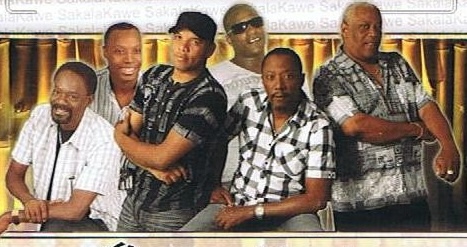
Magnum Band: the methodical elegance of Haitian konpa
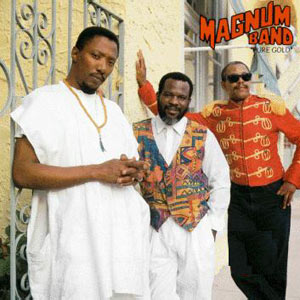
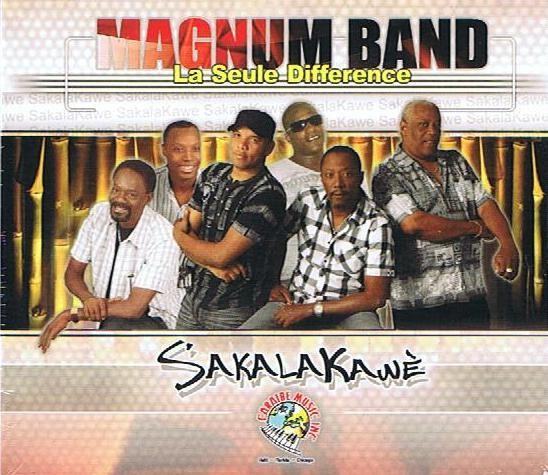
Miami, June 1976: André « Dadou » Pasquet and his brother Claude « Tico » laid the foundations for a formation that would become an institution of the Haitian diaspora1. Their vision: raise the technical level of konpa, this Haitian dance style that blends Caribbean rhythms, jazz and funk, to make it an exportable, international sound.
In brief
| Name | Magnum Band |
| Genre | Konpa (Haitian compas) — a dance genre from Haiti, blending Caribbean rhythms, jazz and funk |
| Founding members | André « Dadou » Pasquet (guitar), Claude « Tico » Pasquet (drums) |
| Place of formation | Little Haiti, Miami, Florida |
| Active years | 1976–present |
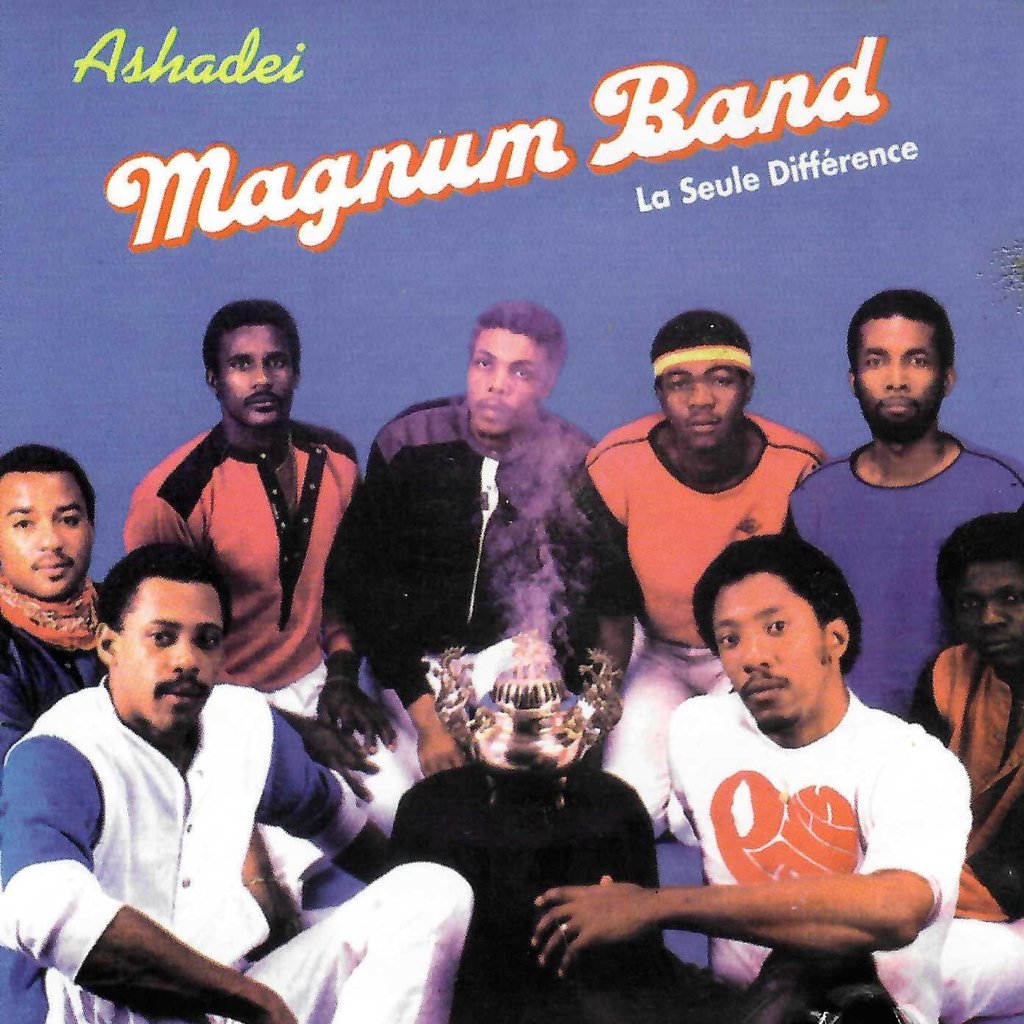
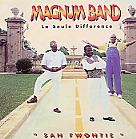
| Notable albums | Expérience, Ashadei, Paka Pala, San fwontiè |
| Honours | Honour and Merit (Radio Télévision Caraïbe, 2014) |
Key dates
| Year | Event |
|---|---|
| 1953 | Birth of André « Dadou » Pasquet in Haiti |
| 1971 | Dadou joins Tabou Combo, legend of Haitian konpa |
| June 24, 1976 | Foundation of Magnum Band in Miami with his brother Claude |
| Late 1970s | First concerts in New York, clubs in Queens and Brooklyn |
| 1980 | First international tour; album Jehovah |
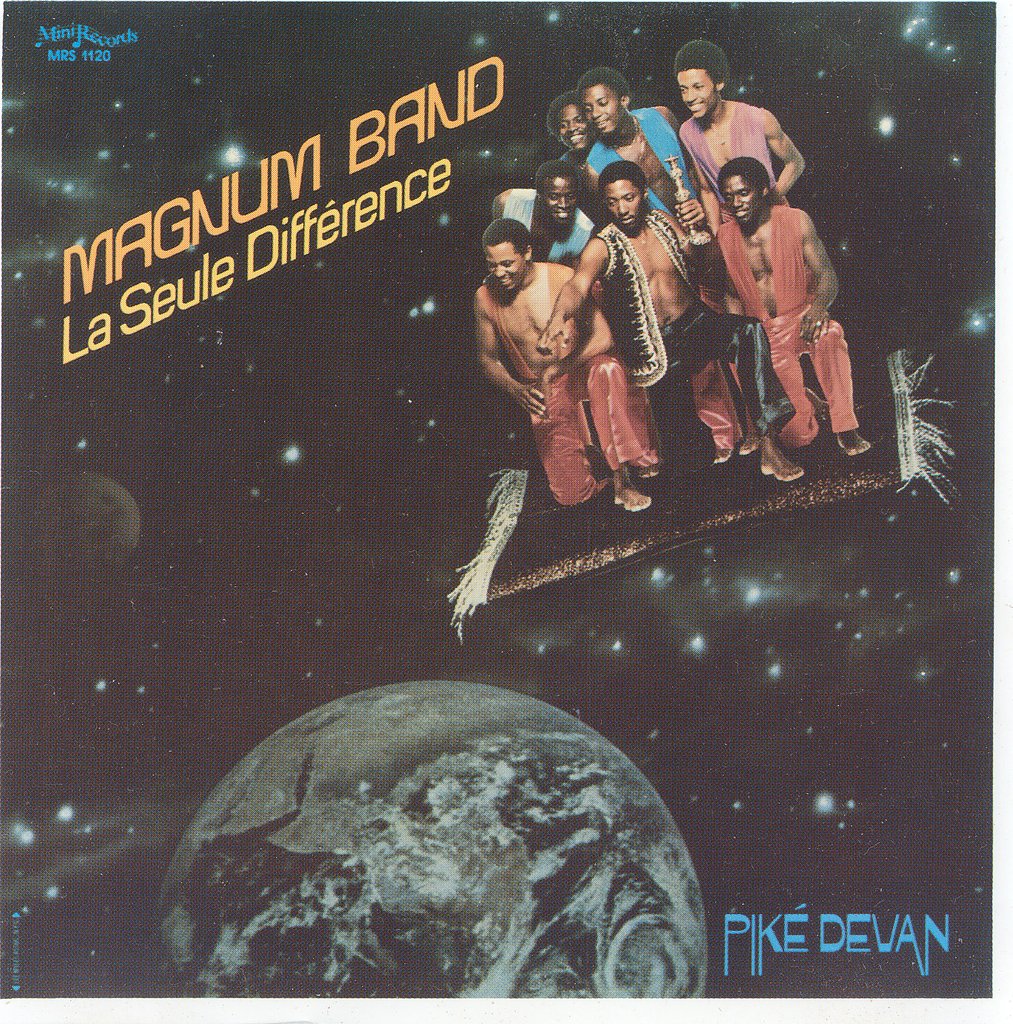
| 1983 | Release of La Seule Différence, an aesthetic manifesto |
| 1996 | Performance at the opening ceremony of the Atlanta Olympics |
| 1997 | Representation of Haiti at the World Creole Music Festival in Dominica |
| 2006 | 30th anniversary celebrated in June |
| 2014 | Radio Télévision Caraïbe Honour and Merit Award |
| Nov. 2025 | Death of Dadou Pasquet at the age of 72 |
Origins and formation
Dadou Pasquet grew up in a musical environment and took up the guitar at a very young age2. As an adolescent, he moved to New York where he performed professionally with a group called Tropicale. In the early 1970s, he joined Tabou Combo, one of the most influential konpa groups in Haiti, where he refined his arranging art.
In 1976, he joined his brother Claude, known as « Tico », a drummer, in Miami3. Together, they established the Magnum Band in the Little Haiti neighbourhood. From their first gigs at clubs Red Dragon, YMCA and Marco Polo, they established themselves as the only Haitian formation in the city capable of competing.
Revelation: an aesthetic of konpa
Dadou’s guitar is analysed as a full-fledged instrument — precise, delicate, capable of singing like a voice or opening onto jazz, funk and rock4. Tico ensures a rhythmic framework of concrete strength, while the three brass instruments (trumpet, saxophone, trombone) sketch out rich harmonies.
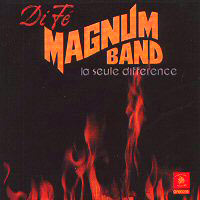
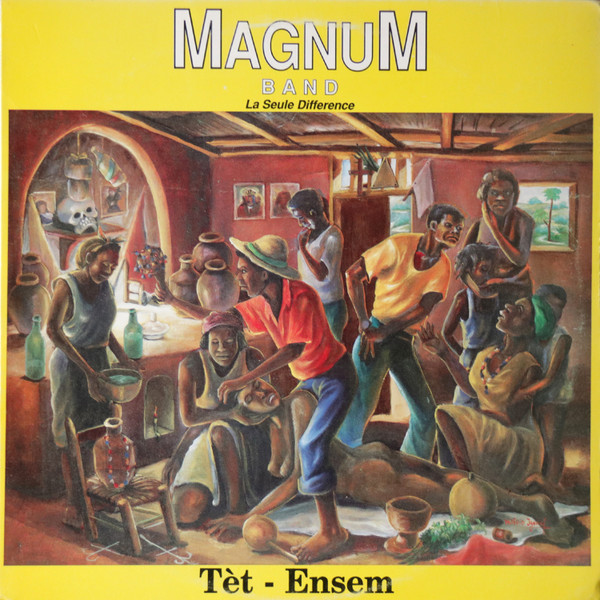
This is not a group of unrestrained partying. It is an intelligent, stable, elegant konpa formation5. The album La Seule Différence, released in 1983, became its manifesto: composition first, showmanship never.
Evolutions and legacy
The group’s career is marked by major moments. In 1996, performance at the opening ceremony of the Atlanta Olympics6. In 1997, representation of Haiti at the first World Creole Music Festival in Dominica, alongside Kassav’ and Exile One. Tours in Guadeloupe, France, Canada and the United States multiplied encounters.
On November 23, 2025, Dadou Pasquet passed away in Miami at the age of 727. The Haitian musical community paid tribute. The office of Prime Minister Alix Fils-Aimé stated: « Legendary figure of Konpa, Dadou was a rare musician whose humility equaled his virtuosity. »
The Magnum Band continues to play. The Pasquets imposed a professional discipline that inspired generations. Their influence, often silent, remains profound.
Major works
| Work | Year | Why it is essential |
|---|---|---|
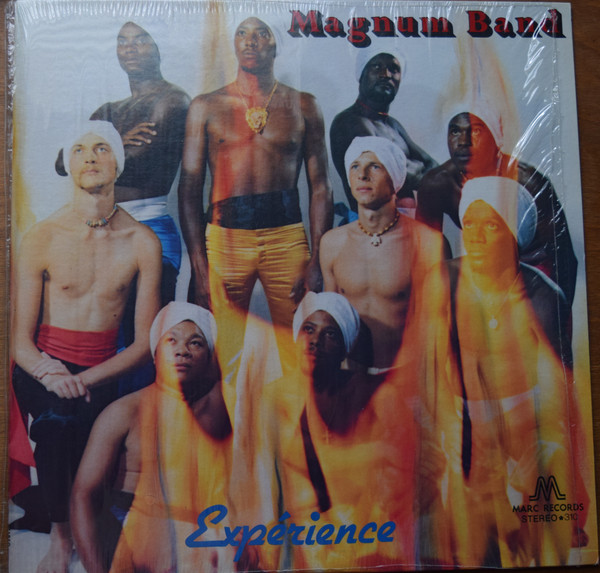
| Expérience | 1979 | First album: establishes a precise sound with arrangements above the rest |
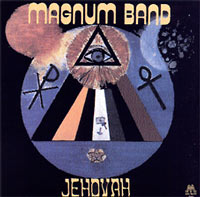
| Jehovah | 1980 | Second international work, signs early maturity |
| La Seule Différence | 1983 | Aesthetic manifesto: composition at the expense of showmanship |
| Afrika | 1986 | Pan-African hymn blending Haitian rhythms and cultural themes |
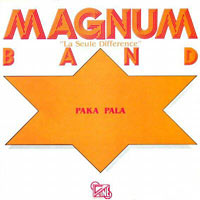
| Paka Pala | 1994 | Hit that became an absolute classic of the kompa repertoire |
Legacy
Rediscovering Magnum Band is letting oneself be instructed by a philosophy of music5. In an Haiti that doubts itself, the group reminds us that art can be popular without being simplistic. Dadou Pasquet remains one of the greatest Haitian guitarists. After his death, the eulogies emphasised how he gave konpa a new guitar language.
Sources and references
-
Wikipedia EN, Magnum Band, accessed October 29, 2026 ↩︎
-
HaitiDJ, Magnum Band — Songs, Bio, Haitian Music, accessed October 29, 2026 ↩︎
-
Wislin Prévil, (Re)discovering Magnum Band, Le Témoin, November 27, 2025, accessed October 29, 2026 ↩︎
-
HaitiDJ, Magnum Band biography (online excerpt), accessed October 29, 2026 ↩︎
-
Jacob Katel, Tico Pasquet Talks Magnum Band of Haiti’s 35th Anniversary, Miami New Times, June 6, 2011, accessed October 29, 2026 ↩︎ ↩︎
-
Pasquet Music Group / Discogs, Magnum Band — Label & Discography, accessed October 29, 2026 ↩︎
-
Juhakenson Blaise, Haitian music loses one of its pillars with Dadou Pasquet death, Haiti Times, November 24, 2025, accessed October 29, 2026 ↩︎