Biography
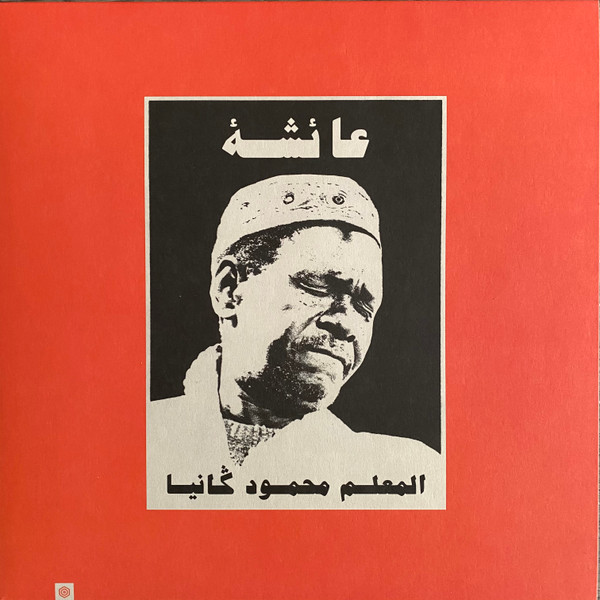
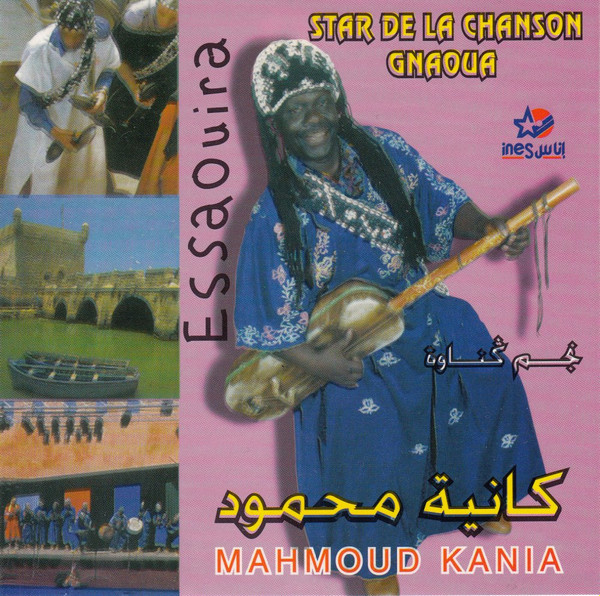
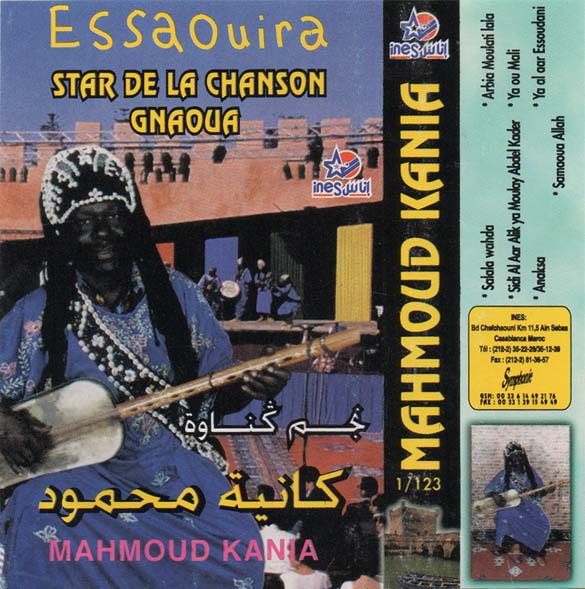
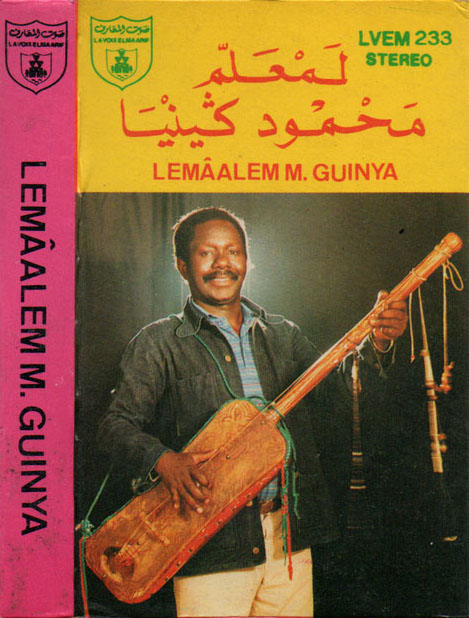
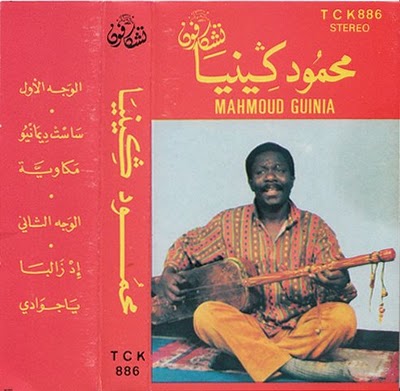
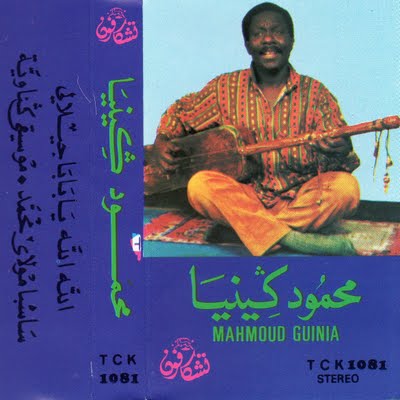
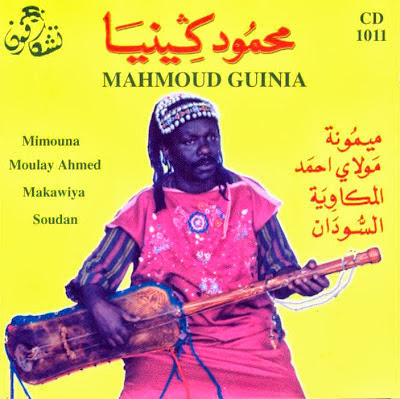
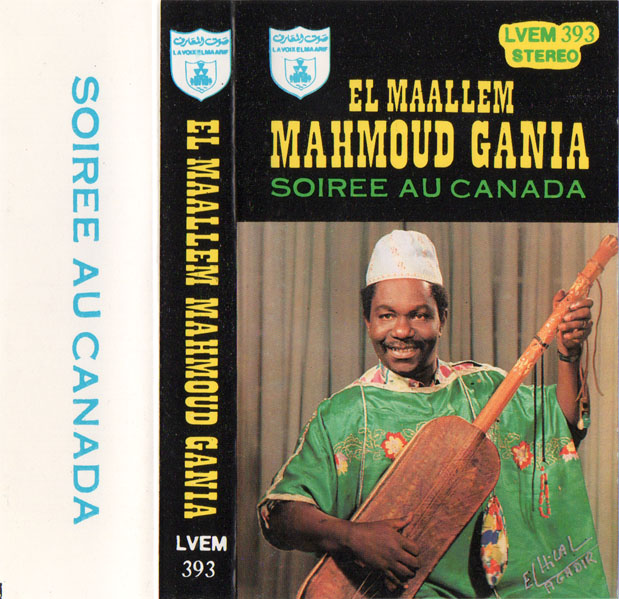
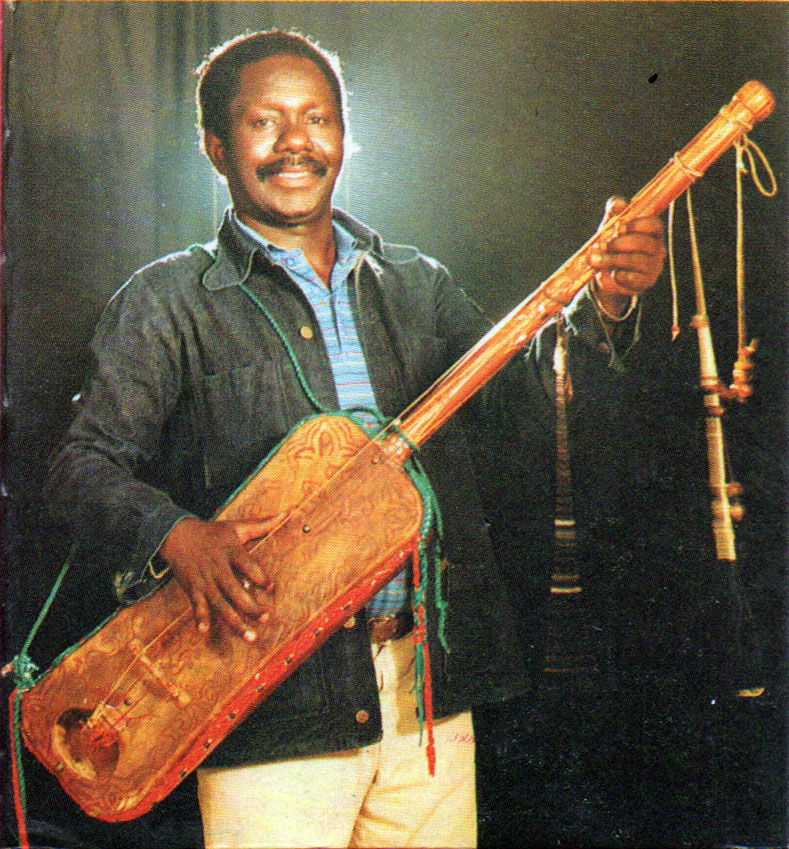
Maâlem Mahmoud Guinia
Essaouira, May 2015. On the main stage of the Gnaoua festival, a thin but smiling man holds his guembri for the last time. With him, Algerian percussionist Karim Ziad strikes the krakebs while the local crowd carries him in ovation. It is his last public concert — and the perfect stage for a maâlem (Gnawa master) who dedicated forty years to making the ancestral rhythms of Morocco heard around the world.
In Brief
| Stage Name | Maâlem Mahmoud Guinia (sometimes Gania, Guinea) |
| Civil Name | Mahmoud Gania |
| Birth | 1951, Essaouira (Mogador), Morocco |
| Death | August 2, 2015, Essaouira, Morocco |
| Field | Gnawa Music — the musical and spiritual tradition of sub-Saharan African descendants in Morocco |
| Instrument(s) | Guembri (three-stringed lute), krakebs (metal cymbals), vocals |
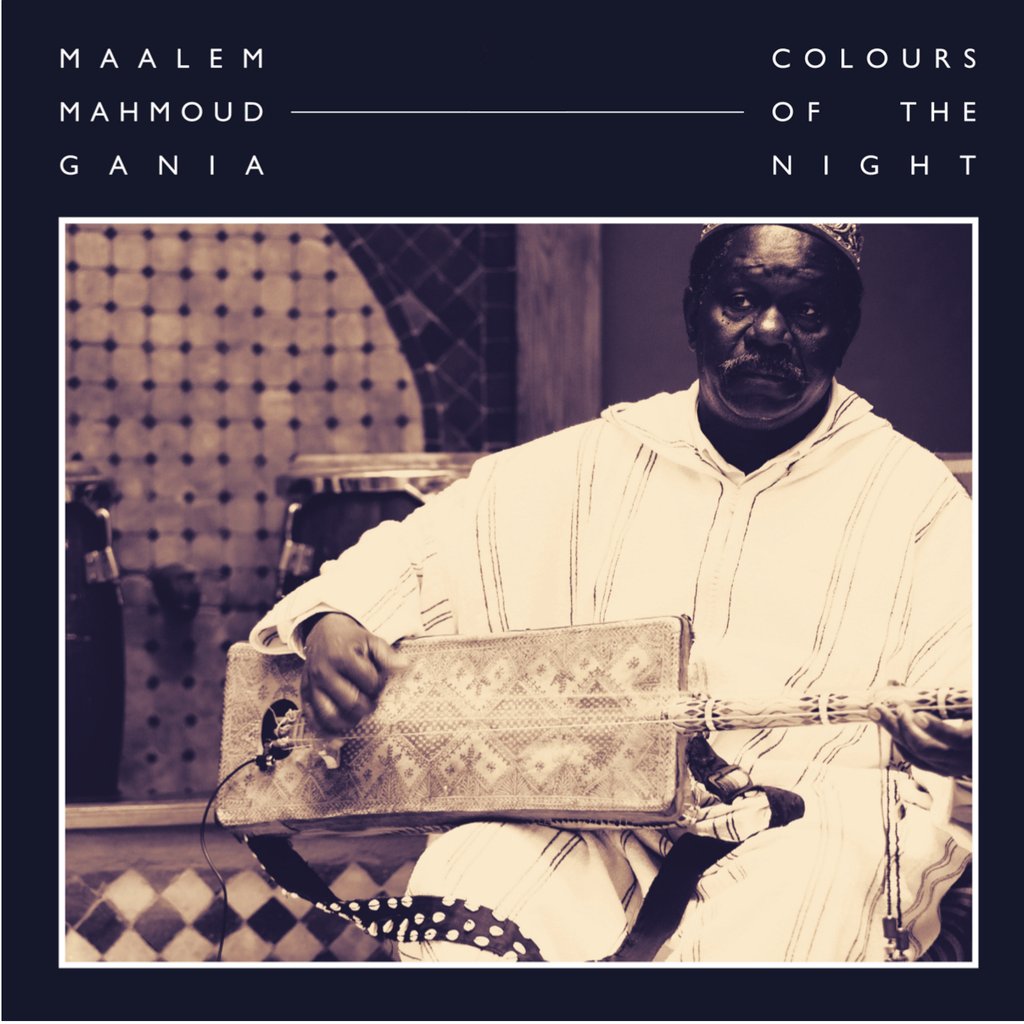
| Notable Works | The Trance of Seven Colors, Colours of the Night, Marhaba |
| Honors | Praised by King Mohammed VI; figure of the Gnaoua Festival of Essaouira |
Key Dates
| Year | Event |
|---|---|
| 1951 | Birth in Essaouira, second son of Maâllem Boubker Guinia and A’isha Qabral |
| 1963 | Start of guembri playing at age twelve, in the family Gnawa tradition |
| ~1970 | First recordings for label Fikriphone (Lila ceremonies) |
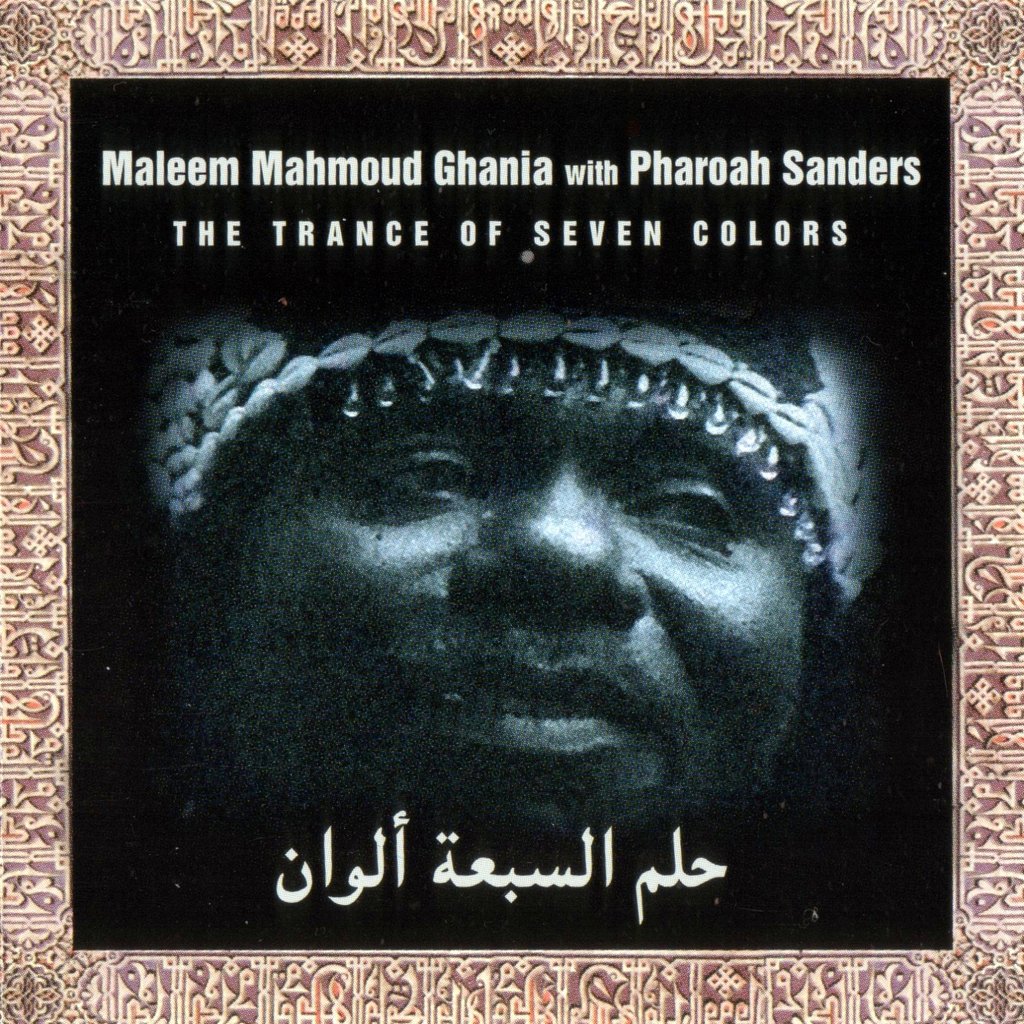
| 1994 | The Trance of Seven Colors with Pharoah Sanders and Bill Laswell: international breakthrough |
| 1997 | The « Wels » Concert with Peter Brötzmann and Hamid Drake (free jazz / Gnawa) |
| 2015 | Final performance at the Gnaoua Festival of Essaouira; death on August 2 |
| 2017 | Colours of the Night, posthumous album by Hive Mind Records |
From Mogador to the World: A Borderless Gnawa Master
Mahmoud Guinia was born in 1951 in Essaouira, then still called Mogador. He grew up in one of the great Gnawa families of Morocco — the Gania, masters of the saouiri style. His father Maâllem Boubker (1927–2000) was a recognized master, and his mother A’isha Qabral a moqaddema — a renowned spiritual guide throughout the country. The lineage traces back to Mali: his paternal grandfather had been sold into slavery in the Sahara. With eleven brothers and sisters, including Mokhtar and Abdellah (both maâlem), his sister Zaida perpetuates the moqaddema tradition.
Guinia discovered the guembri — a three-stringed lute covered in skin, the sonic backbone of Gnawa music — at age twelve. By twenty, he was already singing at Lila ceremonies, the nocturnal ritual at the heart of Gnawa spiritual life, where hypnotic rhythms lead to healing trance. His recording career began in the late 1960s for Moroccan labels Fikriphone and Tichkaphone — precious archives of Lila ceremonies, while Gnawa remained a marginalized art in the official imagination.
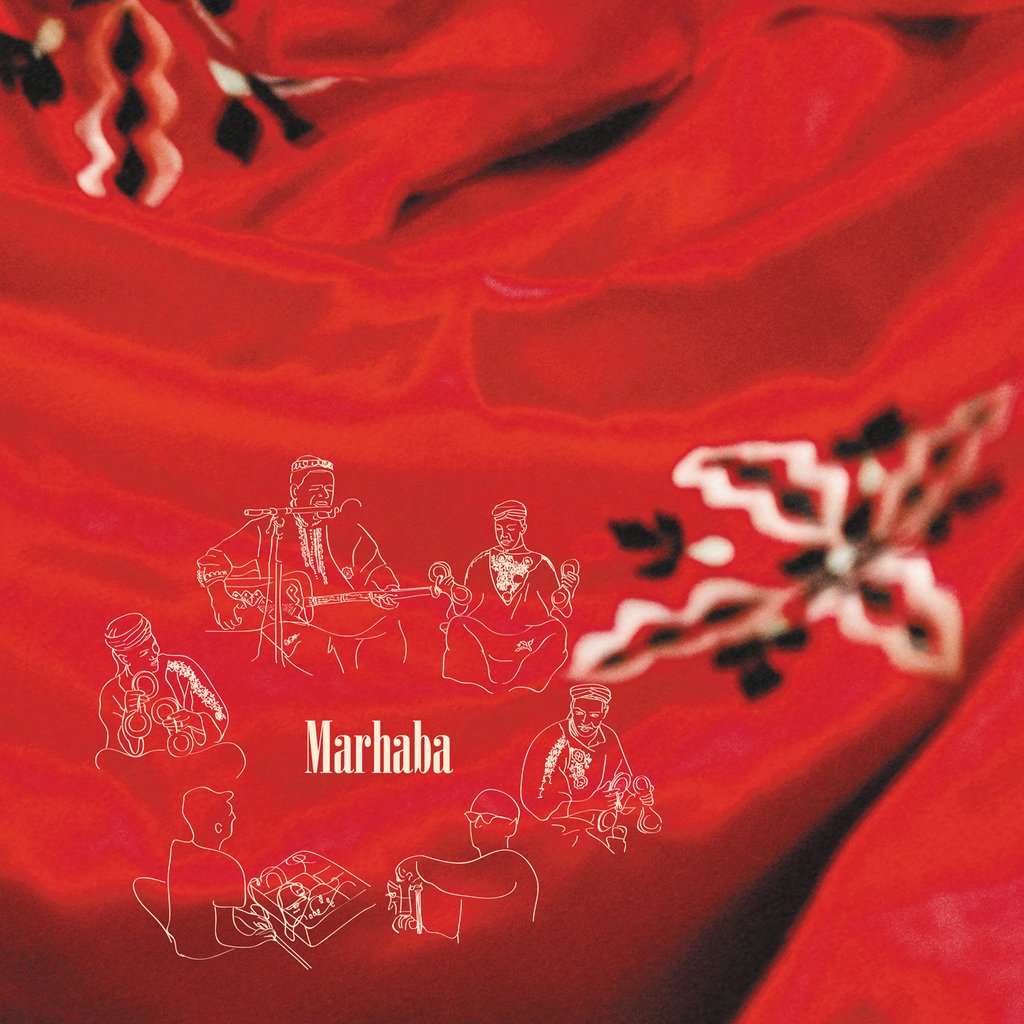
The international turning point came in 1994 with The Trance of Seven Colors, recorded in the courtyard of Essaouira’s medina. American producer Bill Laswell and saxophonist Pharoah Sanders arrived with a simple digital recorder: over three days, they became guests of a family orchestra scattered across the four corners. The Los Angeles Times described the meeting as a “remarkable gathering”; AllMusic awarded it three stars for its raw authenticity. From the 1990s onward, the maâlem embarked on cross-border collaborations: The « Wels » Concert (1997) with Peter Brötzmann, a residency at James Holden’s in Marrakech in 2014 (yielding the EP Marhaba), and appearances with Carlos Santana and Randy Weston. In May 2015, he handed his guembri to his son Houssam — now the spiritual and musical heir. He passed away on August 2, at age 64. Funerals attended by the representative of King Mohammed VI — an unthinkable state tribute for a Gnawa musician just a generation prior.
Major Works
| Work | Year | Why It Is Essential |
|---|---|---|
| The Trance of Seven Colors (with Pharoah Sanders) | 1994 | Recorded in an Essaouira courtyard, the alliance between free jazz and Gnawa inaugurated international recognition of the master. |
| The « Wels » Concert (with Peter Brötzmann) | 1997 | Fusion of European free jazz and Gnawa, recorded at the Festival Musiques de Wels. |
| Marhaba (EP with James Holden) | 2015 | Final electronic bridge between traditional guembri and modular synths. |
| Colours of the Night (posthumous) | 2017 | Recorded in Casablanca in 2013, this sonic testament by Hive Mind summarizes the master’s voice. |
Legacy and Influence
Mahmoud Guinia paved the way for a generation of modern Gnawa musicians. His son Houssam — today a star of the Gnaoua Festival of Essaouira and an invitee to Le Guess Who? — perpetuates the saouiri tradition and his father’s intercultural adventure. But the legacy extends beyond the family: by opening Lila ceremonies to international stages, Guinia transformed Gnawa from a marginalized ritual art into a universal language. From Pharoah Sanders to James Holden, the departed rhythms of the Sahara dialogued with jazz, electro, and soul. UNESCO inscribed Gnawa on its Representative List in 2019 — two years after the master’s passing, whose work made this consecration inevitable.
Sources and References
- “Moroccan Gnawa Master Mahmoud Guinea Dies”, Afropop Worldwide, https://www.afropop.org/articles/moroccan-gnawa-master-mahmoud-guinea-dies, accessed November 12, 2025.
- “Godfather of Gnawa, Mahmoud Guinia, dies at 64”, Morocco World News, https://www.moroccoworldnews.com/2015/08/116782/godfather-of-gnawa-mahmoud-guinia-dies-at-64/, accessed November 12, 2025.
- “Mahmoud Guinia”, Wikipedia (EN), https://en.wikipedia.org/wiki/Mahmoud_Guinia, accessed November 12, 2025.
- “Maâlem Houssam Guinia, curated by James Holden”, Le Guess Who?, https://leguesswho.com/news/meet-moroccan-gnawa-master-maalem-houssam-guinia-curated-by-james-holden-for-lgw17, accessed November 12, 2025.
- « The Trance of Seven Colors », Wikipedia (EN), https://en.wikipedia.org/wiki/The_Trance_of_Seven_Colors, accessed 12 November 2025.
- « Maalem Mahmoud Guinia », AllMusic, https://www.allmusic.com/artist/maalem-mahmoud-guinia-mn0003380481, accessed 12 November 2025.
- « Maleem Mahmoud Ghania », Discogs, https://www.discogs.com/artist/123741-Maleem-Mahmoud-Ghania, accessed 12 November 2025.
- « The Trance of Seven Colors », All About Jazz, https://www.allaboutjazz.com/maleem-mahmoud-guinia-pharoah-sanders-the-trance-of-seven-colors, accessed 12 November 2025.