Biography
Mariem Hassan: the untamed voice of the Sahara
In 1975, when the Green March invaded Western Sahara, young singer Mariem Hassan was preparing to face exile and war. From a nomadic camel family, she lost three brothers in combat, refused a forced marriage at thirteen, and turned traditional haul singing into a weapon of testimony — until cancer caught up with her in the camps that saw her born.
In brief
| Full name | Mariem Mint Hassan |
| Birth | 15 May 1958, Oued Tazua (Smara), Spanish Sahara |
| Death | 22 August 2015 (57 years), Tindouf camps, Algeria |
| Field | Sahrawi music — haul (nomadic traditional songs), desert blues |
| Signature works | Deseos, Shouka, El Aaiun Egdat |
| Honours | N° 1 World Music Charts Europe (El Aaiun Egdat, 2012) |
Key dates
| Year | Event |
|---|---|
| 1958 | Birth in the Saguia el Hamra basin, near Smara |
| 1971 | At thirteen, she refuses an imposed marriage and flees on the day of her engagement |
| 1975–1976 | Exile after the Green March; Tindouf camps (Algeria) |
| 1976–1998 | Member of the group El Uali — worldwide political tours |
| 1998–2002 | Solo career: Mariem Hassan con Leyoad (Nubenegra label) |
| 2004 | Contribution to the album Medej; recognised as the best voice of the Sahara |
| 2005 | Release of Deseos; breast cancer diagnosis |
| 2010 | Shouka; response to Felipe González’s speech at the Sahrawi camps (1976) |
| 2012 | El Aaiun Egdat, N° 1 WMCE, inspired by the Gdeim Izik camp |
| 2015 | Baila Sahara Baila; death on 22 August in her Tindouf camp |
A voice born of the desert, forged by exile
Mariem Mint Hassan was born in May 1958 in the Saguia el Hamra basin, near Smara. Third of ten children in a nomadic family that raised camels and goats, she did not come from a line of professional musicians — neither her father nor her mother were bards. Yet music inhabited the family: her aunt Zaina was known as a singer and dancer, her uncle Bushad como a poet. From the youngest age, Mariem sang during women’s gatherings, on Thursday evenings before the holy Islamic day. She also played the tebel, the traditional drum of Sahrawi women.
In August 1975, at sixteen, she took part in a clandestine Polisario meeting. The colonial police dispersed the gathering and Mariem escaped through a window. In October, Spain signed the Madrid Accords. The Green March — 350,000 Moroccan demonstrators — preceded the invasion. Mariem and her family fled to Algeria, first to Mjeriz near Tifariti, then into the camps bordering the Tindouf Hamada. Three of her brothers were killed in combat. The nurse trained in 1977 took on a second role: she sang.
In 1976, she joined the group El Uali, in homage to El-Ouali Mustapha Sayed, co-founder of the Polisario who died in combat in May 1976. Mariem toured the camps to encourage fighters, then travelled across Europe and around the world to carry the Sahrawi message. Polisario Vencerá (1982) was released on the Spanish label Guimbarda and reissued in 1998 by Nubenegra.
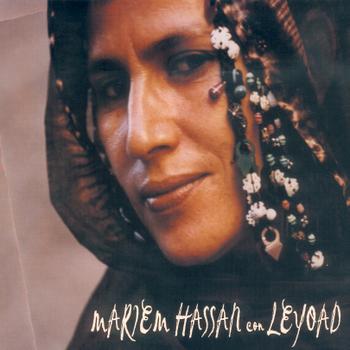
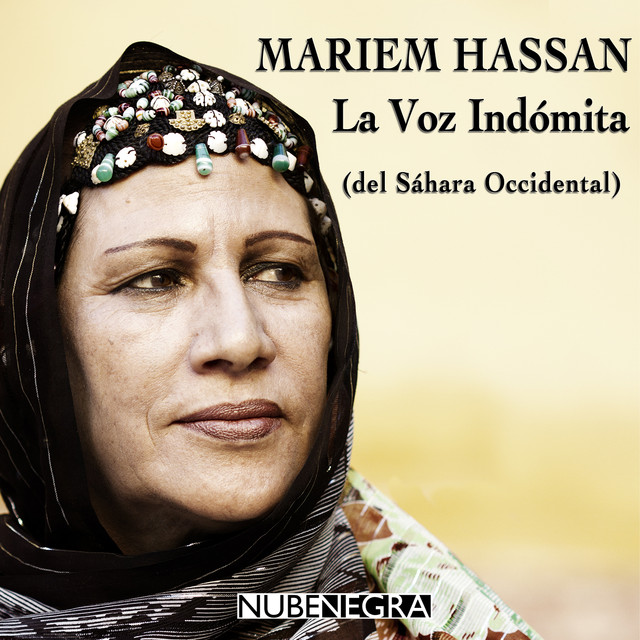
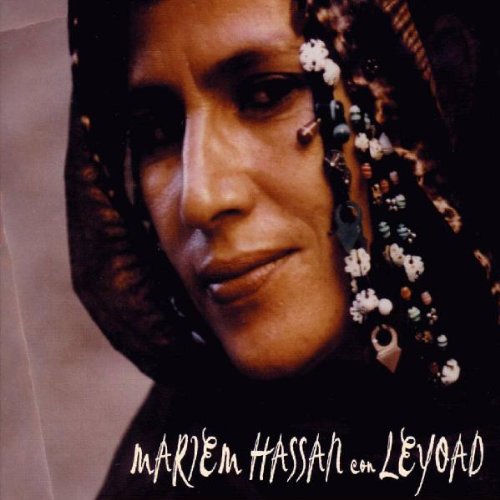
In 1997, Spanish producer Manuel Domínguez spotted her at a local festival and founded the Nubenegra label. El Uali disbanded in 1998, and Mariem embarked on her solo career with the compilation Sahrauis: The Music of the Western Sahara (A pesar de las heridas). For concerts in Europe, she was accompanied by the group Leyoad — a project built around her and guitarist Nayim Alal. In 2002, they produced Mariem Hassan con Leyoad.
In 2004, she contributed to the album Medej, a collection of traditional haul songs. In an interview, she explained that the Sahrawi have their own Hassaniya language and a more modern music. Critics described her voice as the best in Western Sahara — a style that wraps modern haul with electric guitars and women on drums.
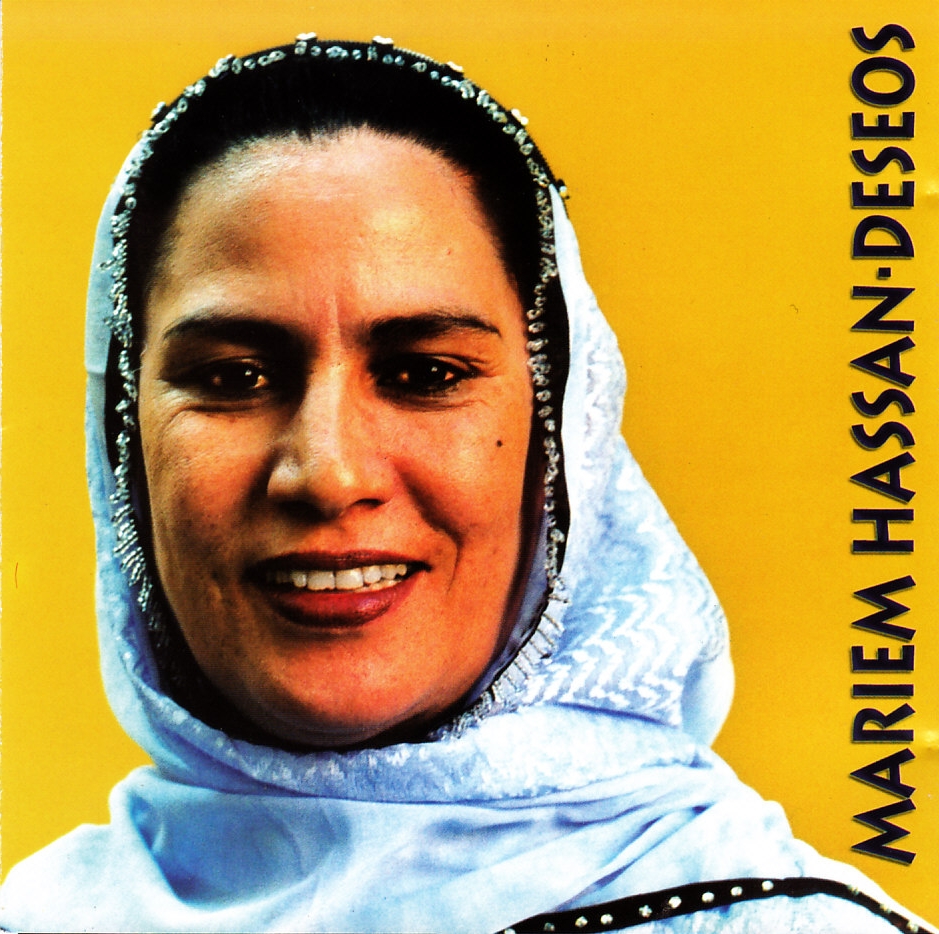
On 21 March 2005, she was diagnosed with breast cancer. Her first solo album under her own name, Deseos, was released on 7 July under the direction of Baba Salama, who died of leukaemia before its release. Operated and undergoing chemotherapy, Mariem returned to the stage at Mercat de Música Viva in Vic, then at WOMEX Newcastle 2005.
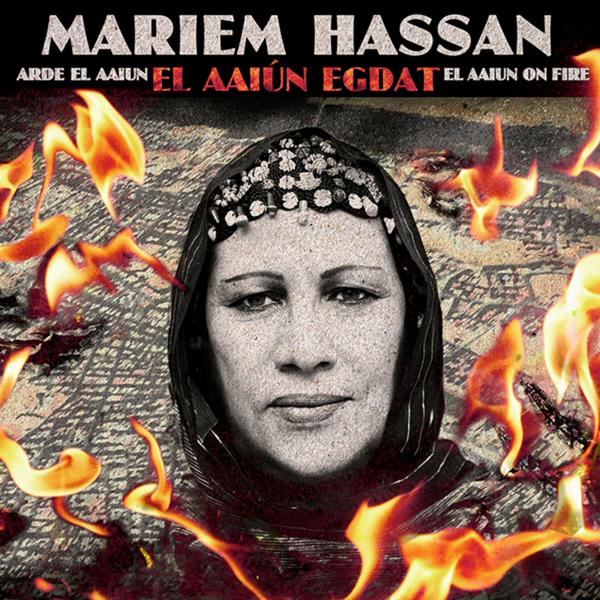
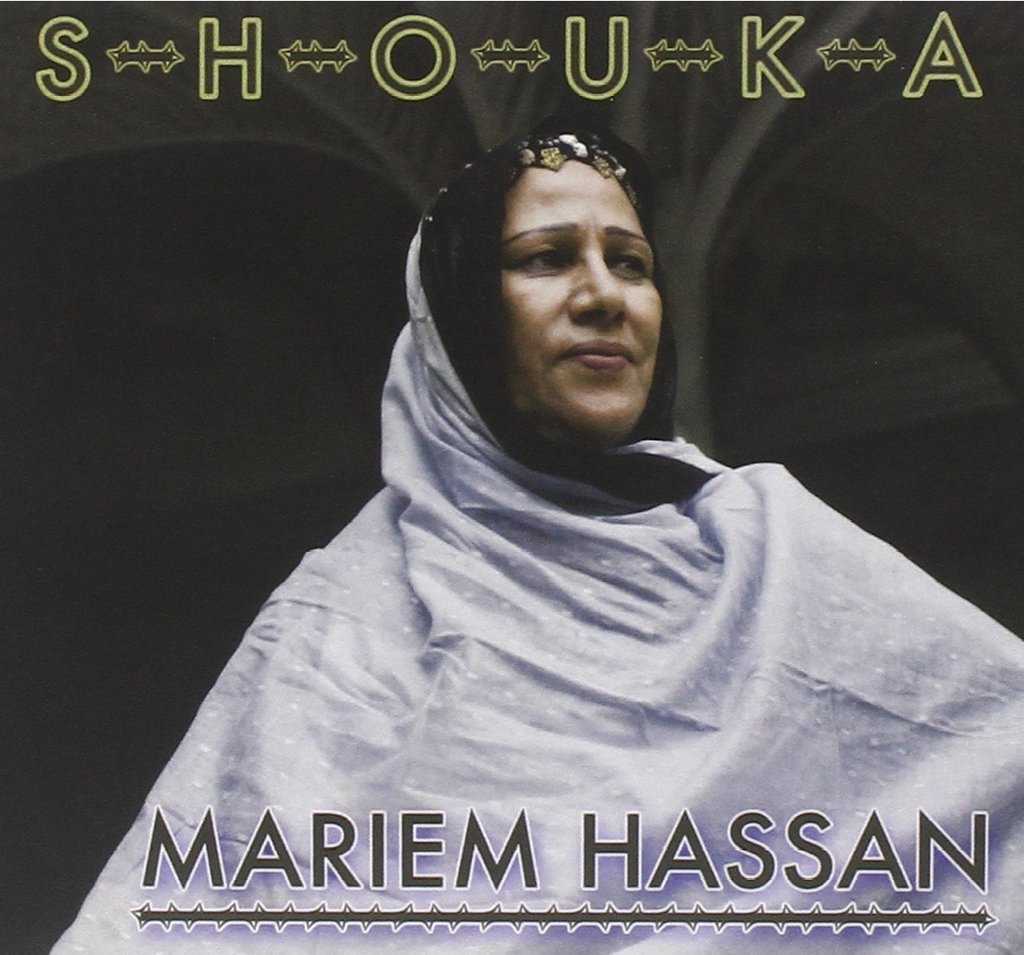
In 2010, Shouka deepened the haul with Western influences. Structured as a cantata, it was a response to Felipe González’s speech at the Sahrawi camps (1976) and toured Europe (WOMAD Las Palmas, Charlton Park 2009, Adelaide 2010). In 2012, El Aaiun Egdat was released shortly after the Gdeim Izik camp and Sahrawi demonstrations inspired by the Arab Spring — its intensified blues suggested that period and propelled the album to first place on the WMCE in July 2012.
In 2013, cancer spread to the bones and Mariem had to abandon the stage. She returned briefly in 2014 for tributes to Sabadell and FISahara. The official biography Mariem Hassan – Soy Saharaui, a graphic novel, was published that same year. In 2015 she released Baila Sahara Baila with Vadiya Mint El Hanevi, then recorded songs that would appear on La voix indomptée (2017).
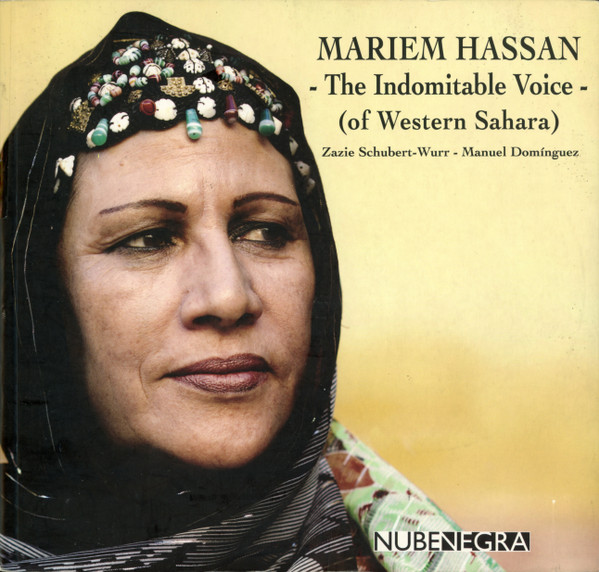
Mariem Hassan died on 22 August 2015 in her Tindouf camp. Manuel Domínguez, her producer and Spanish friend, declared in The Guardian: « one of the most charismatic and respected figures on the world music scene ».
Major Works
| Work | Year | Why It Is Essential |
|---|---|---|
| Mariem Hassan con Leyoad | 2002 | First solo album with the group of Nayim Alal; establishes Mariem as a major figure for the Nubenegra label |
| Deseos | 2005 | First solo album recorded under the direction of Baba Salama; marked by cancer and the early death of the guitarist |
| Shouka | 2010 | A cantata response to the speech of Felipe González (1976); structure haul and Western blues |
| El Aaiun Egdat | 2012 | N° 1 WMCE — inspired by the Gdeim Izik camp and Sahrawi protests, blending traditional haul and blues |
Legacy and Influence
Mariem Hassan embodies the struggle of an entire people through her music. Sahrawi haul, the traditional chant of desert nomads, tells the memory of exile. She was the first to collaborate with international musicians, giving an international breath to Sahrawi sounds. Her voice remains the reference for modern haul genre, and her music continues to inspire new Sahrawi artists.
In 2013, she completed a Sahrawi oral history project, Cuéntame Abuelo – Música, alongside poets Ali Bachir and Lamin Allal, with the support of the Sahrawi Ministry of Culture. Cultural ambassador for the Sahrawi people, her final recording Despedida — a vocal of extreme intensity — remains a legacy that crosses generations.
Sources and References
- “Mariem Hassan”, Wikipedia (EN), https://en.wikipedia.org/wiki/Mariem_Hassan, accessed November 17, 2026.
- “Mariem Hassan obituary”, The Guardian, August 27, 2015, https://www.theguardian.com/music/2015/aug/27/mariem-hassan, accessed November 17, 2026.
- “Adieu, Mariem Hassan”, Afropop Worldwide, August 24, 2015, https://afropop.org/articles/r-i-p-mariem-hassan, accessed November 17, 2026.
- “Mariem Hassan”, Nubenegra (label), https://nubenegra.com/mariem-hassan.html, accessed November 17, 2026.
- “La voce del Sahara”, Il Manifesto, August 29, 2015, https://ilmanifesto.it/la-voce-del-sahara, accessed November 17, 2026.
- “Mariem Hassan”, World Music Central, https://worldmusiccentral.org/artists/artist_page.php?id=1120, interview by Carmelo Lattassa, accessed November 17, 2026.
- “Mariem Hassan”, Wikipedia (ES), https://es.wikipedia.org/wiki/Mariem_Hassan, accessed November 17, 2026.