Biography
Mario Chicot
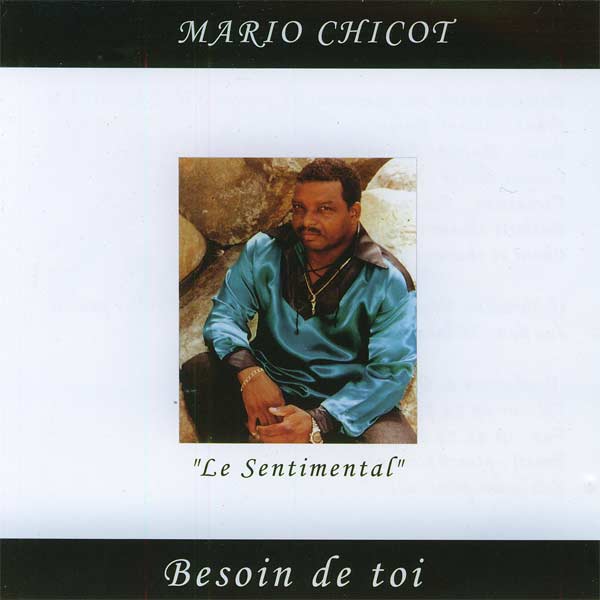
On February 14, 2011, in Pointe-à-Pitre, Mario Chicot launches an album without fanfare or a tour. Twelve years after his last recording, the Guadeloupean singer returns with Besoin de toi, a record that does not surprise his audience: romance, sweet melodies, and Caribbean rhythms. Past sixty years old, he has not changed his sound—just deepened it.
In brief
| Full name | Mario Chicot, known as “Mario” |
| Nationality | French (Guadeloupean) |
| Activity | Singer, songwriter-composer |
| Genre(s) | zouk, compas (konpa) Haitian |
| Iconic works | “Petite Fille”, Mové Trip, Besoin de toi |
| Major labels | Akatoto, Disques Debs, Piros |
Key dates
| Year | Event |
|---|---|
| 1985 | Recording of the first album Mové Trip (label Akatoto); release of “Petite Fille” |
| 1989 | Participation in the tribute album to Jacques Bracmort (Frédéric Caracas) |
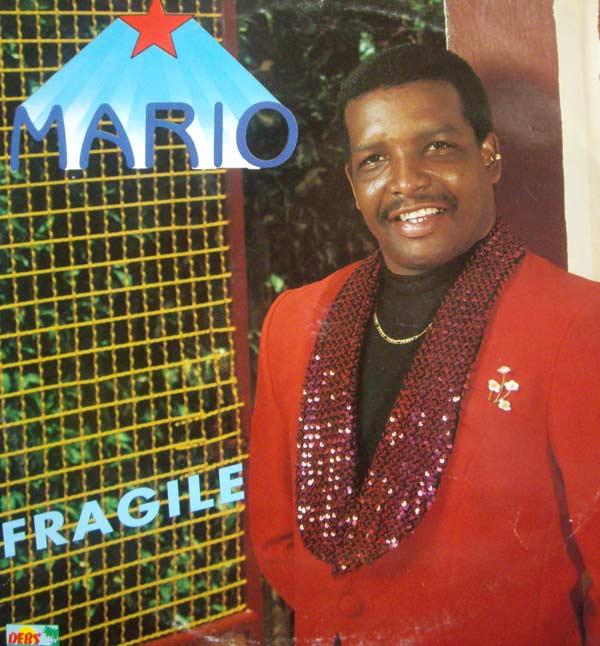
| 1991–1994 | Productive period: My Love An Mwen, Fragile, Un Mot De Toi |
| 1996 | Compilation Le Sentimental (Henri Debs Production) |
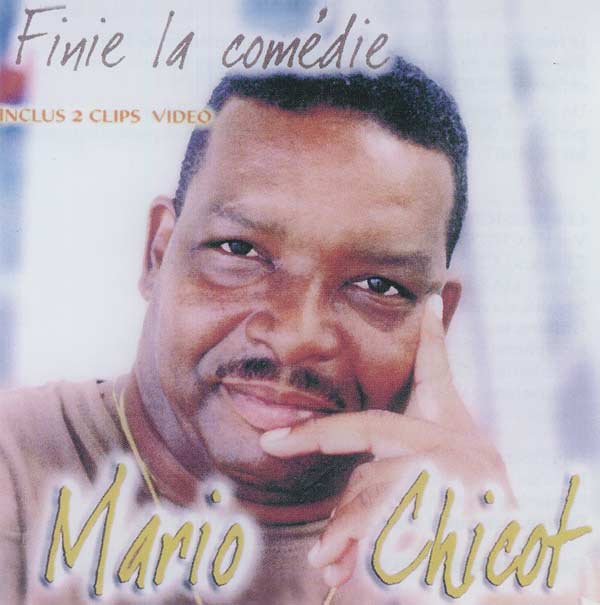
| 2006 | Release of Finie La Comédie |
| 2011 | Return with the album Besoin de toi (label Piros) |
| 2020 | Release of C’est Fini |
Career: between zouk, romance, and compas
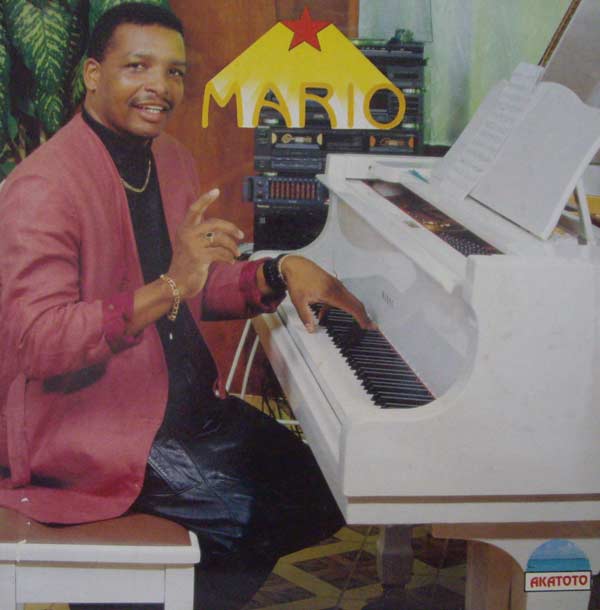
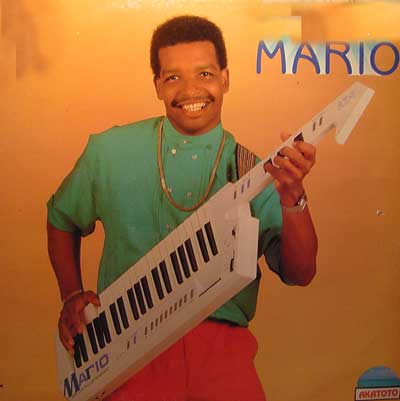
Mario Chicot is a Guadeloupean singer born on an undisclosed date, trained in piano and synthesizer in the island. He launches his career in 1985 with Mové Trip, recorded at Studio La Terreur in Pointe-à-Pitre and produced by Henri Debs, a major figure of the Guadeloupean music scene. Chicot signs the arrangements, sings lead and backing vocals, plays piano and synthesizer—the album also includes “Bel ti fi”, “La Première Fois”, and the title that made his reputation, “Petite Fille”. A ballad with a gentle rhythm on which trumpeter Kate Miller lays a melancholic fanfare. The piece, of great touching simplicity, captures the imagination of the French public on the eve of the zouk boom.
The follow-up confirms the success. From 1985 to 1996, Chicot strings together releases—My Love An Mwen (1985), Kè An Mwen (1991), Fragile, and the double album Mario / Un Mot De Toi (1992–1994), all on labels Akatoto and Disques Debs. His musical universe is immediately identifiable: texts centered on love, tenderness, and longing, sung with a deep voice wrapped in emotions. Mark Kurlansky notes in his work A Continent of Islands that “Mario Chicot became a popular zouk singer even though he candidly admitted that he could not sing zouk, was not comfortable with its lively style. Instead he sang Haitian compas”. Compas, or konpa, is a Haitian genre born in the 1950s through the hybridization of Cuban music and local traditions—a slower, more sentimental rhythm than the zouk of the time. Chicot borrows from zouk its instrumental palette but keeps compas as his backbone. In 1989, he shares the stage with Frédéric Caracas on a tribute album to Jacques Bracmort, another giant of Antillean music.
In 1996, the compilation Le Sentimental synthesizes ten years of career but also marks a turning point: Chicot retires from the studios for fifteen years. In 2011, he returns with Besoin de toi, an album he defines as timeless: “This new CD, full of love messages, is made to last.” The record comes out on label Piros and proposes eleven titles mixing instrumental songs, around classic themes—love, nostalgia, separation. The journal France Antilles sees in it a “wonderful bouquet of slow songs and well-crafted boleros”. Six years later, in 2016, he releases Finie La Comédie, followed by C’est Fini in 2020, a record of fourteen titles confirming that the romance machine is still running.
Major works
| Work | Year | Why it’s essential |
|---|---|---|
| “Petite Fille” | 1985 | Foundational hit, sober melody and touching text about a little girl abandoned by her lover who left under the flags |
| Mové Trip (Movti Trèp) | 1985 | First album, recorded at Studio La Terreur with Henri Debs; the definition of the Chicot sound: Creole romance, piano and synth |
| Fragile (1992) | 1992 | Peak of the 90’s style: dense production, titles in Creole like “Fragile” and “Chanté Ban Mwen” |
| Un Mot De Toi (1994) | 1994 | Pivot album, titles in French like “Je l’aime à mourir” and “Restons Amis”, reflection of a bilingual career |
| Le Sentimental (1996) | 1996 | Retrospective compilation, the essence of the singer at this stage of his career |
| Besoin de toi (2011) | 2011 | Return after 15 years of absence, romantic and melancholic album confirming the unchanged style |
| C’est Fini (2020) | 2020 | Last studio album, fourteen titles showing that Mario Chicot has not finished loving |
Legacy and influence
Mario Chicot is part of those artists whose catalog is inseparable from an era: that of the zouk boom, from 1985 to the 2000s. His popularity rests on a simple principle—sincere love songs, without pretension or excess. He never sought to innovate stylistically, and that is exactly what won his audience over. Songs like “Petite Fille” are still played in clubs and dances in Guadeloupe. His compas-zouk style influenced a generation of romantic Antillean singers who took the path of romance rather than that of faster rhythms. Today, his albums circulate on digital platforms and remain an indispensable reference for anyone who wants to understand popular music in French Antilles.
Sources and references
- “Mario Chicot”, Wikipedia, https://fr.wikipedia.org/wiki/Mario_Chicot, accessed November 17, 2026.
- “Mario Chicot”, Wikipedia (EN), https://en.wikipedia.org/wiki/Mario_Chicot, accessed November 17, 2026.
- “Mario Chicot”, Grokipedia, https://grokipedia.com/page/mario_chicot, accessed November 17, 2026.
- « Mario Chicot », Discogs, https://www.discogs.com/artist/1432494-Mario-Chicot, accessed 17 November 2026.
- « Disques Debs », Wikipédia, https://fr.wikipedia.org/wiki/Disques_Debs, accessed 17 November 2026.
- Mark Kurlansky, A Continent of Islands: Searching for the Caribbean Destiny, page 109, 1992.
- « Mario Chicot revient avec Besoin de toi », France Antilles, http://www.guadeloupe.franceantilles.fr/actualite/culture-et-patrimoine/mario-chicot-revient-avec-besoin-de-toi-132342.php, 2011.