Biography
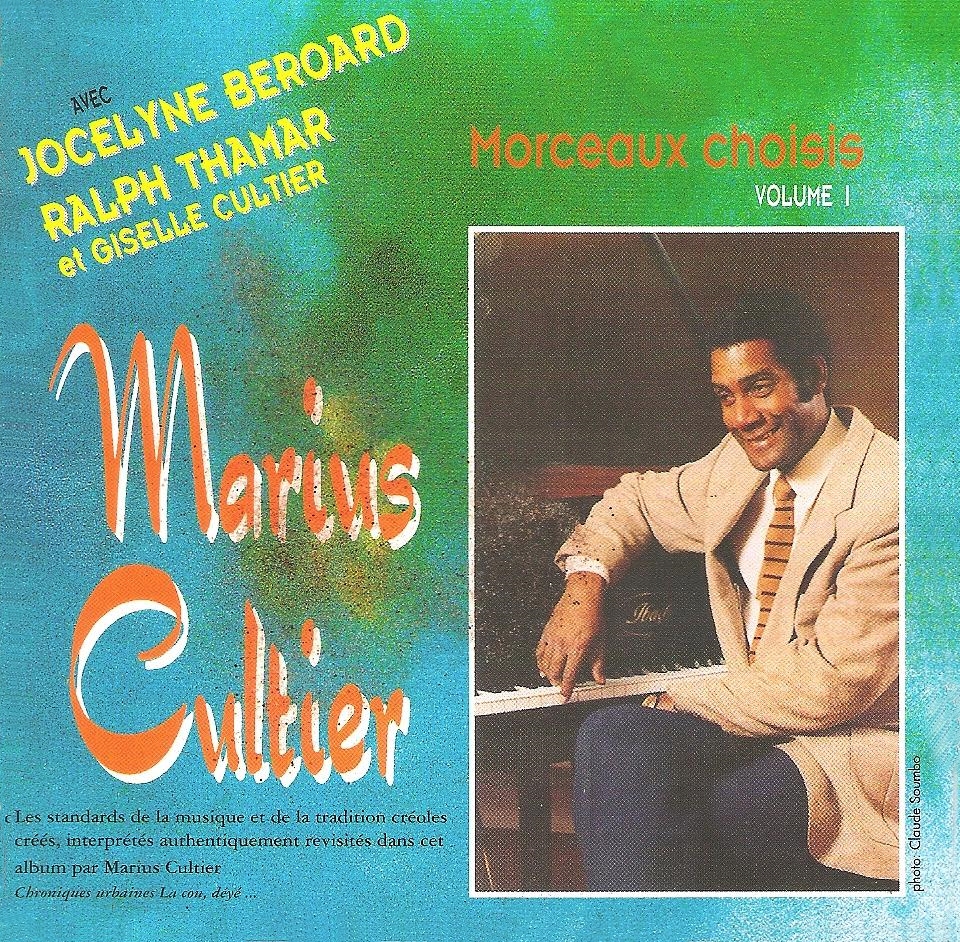
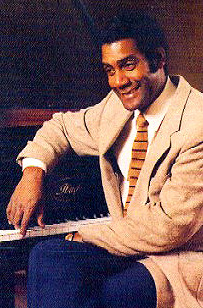
Marius Cultier: self-taught pianist and precursor of Caribbean jazz
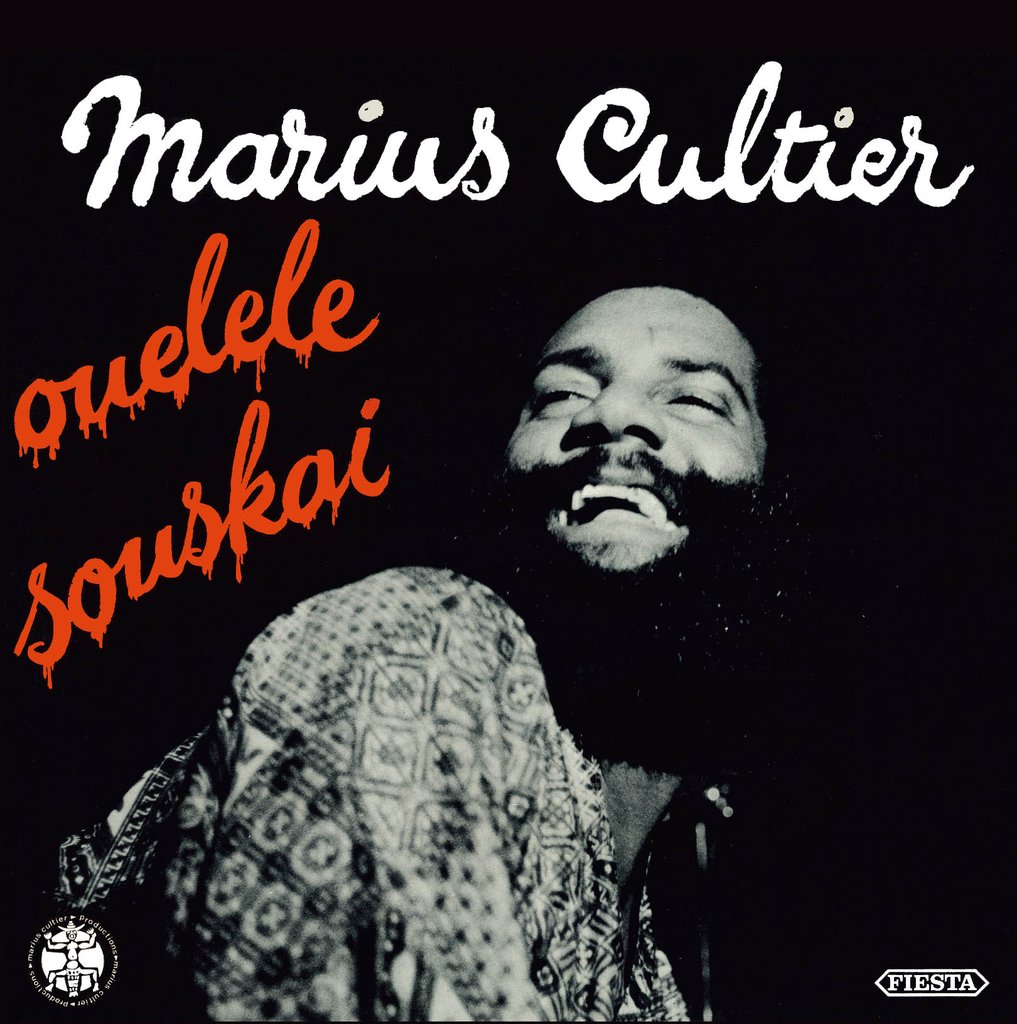
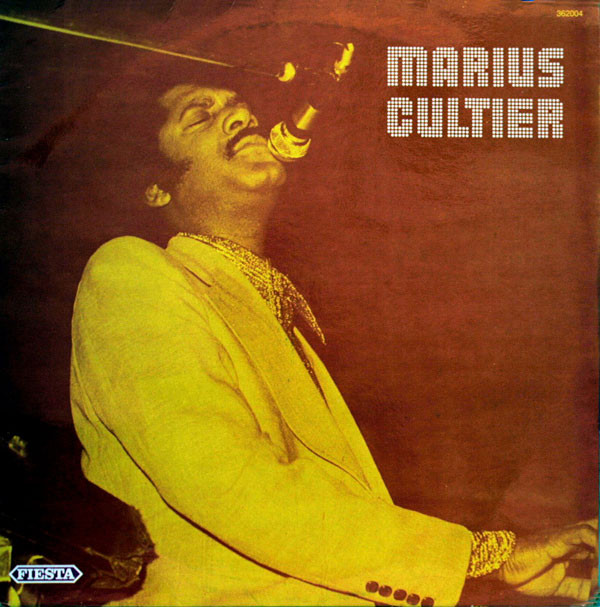
On December 23, 1985, Martinique lost a genius. Marius Cultier passed away at the age of 43. At his funeral, thousands of voices sang “L’ode à Gisèle”, a composition dedicated to his wife. Thirty-five years later, his name has never ceased haunting the conversations of music lovers, even if his music still struggles to find all the space it deserves in French jazz dictionaries.
In brief
| Full name | Marius Cultier |
| Birth | April 23, 1942, Fort-de-France (Terres Sainville), Martinique |
| Death | December 23, 1985 (43 years), Fort-de-France, Martinique |
| Field | Caribbean jazz, biguine, mazurka, Latin music |
| Notable works | “Round Midnight”, “Concerto pour la fleur et l’oiseau”, “Piano à Marius Cultier” |
| Awards | 1st prize Piano International Contest, Porto Rico (1958); Grand Prix de la Chanson d’Outre-Mer, Paris (1982) |
Key dates
| Year | Event |
|---|---|
| 1942 | Birth in Terres Sainville, Fort-de-France |
| 1958 | First prize of the Piano International Contest in Porto Rico for Monk’s “Round Midnight” at age 16 |
| 1963 | Records “Los Cubonos”; has a dozen albums to his credit by age 20 |
| 1967-1975 | Eight years in Canada; Expo 67 Montreal, London Canada label |
| 1975 | Concert at the Olympia in Paris, Palais des Congrès on invitation of President Giscard d’Estaing |
| 1982 | “Concerto pour la fleur et l’oiseau” performed by Jocelyne Béroard, Grand Prix at Salle Gaveau |
| 1985 | Death on December 23 in Fort-de-France; posthumous tribute at the NAMM museum |
A self-taught musician without sheet music but with perfect pitch
Marius Cultier was born on April 23, 1942 in the Terres Sainville neighborhood of Fort-de-France. His immediate environment was a fertile ground for music: he grew up next to the Nouel, Nalry, and Coridun families, all names of musicians active in Martinican cultural life. His older half-brother Nel Lancry (1925-) was a pianist and shaped his ear from the youngest age. Cultier never learned to read music—he learned everything by ear. This training through listening, far from being a limitation, shaped an innate sense of harmony and a surprising ability to reproduce what he heard.
From the age of eight, he played at the piano-bar. A year later, several witnesses cited him as conductor of the ORTF—a difficult figure to verify but repeated in local press. His first radio show, Punch en musique, was a great success; he shared it with Jack Gil on drums, Milo Baudin on vocals, and Georges Julien on percussion. On August 14, he lost both parents; raised by his sisters from then on, music became his true family. At sixteen, he already had a singular style—that of a musician who absorbed Bud Powell and Thelonious Monk as much as Martinican mazurkas. Louis-Xavier, bassist of the group Synchro, summarized in 2016: “Marius, he listened, he reproduced everything by ear.”
Towards international recognition: Montreal, the Olympia, and Creole jazz
In 1958, at sixteen, Marius Cultier won first prize of the Piano International Contest in Porto Rico. The jury of confirmed pianists was stunned by his performance: he interpreted “Round Midnight”, that complex standard by Thelonious Monk, far from the usual Antillean repertoire.
This success opened doors to the international scene. In 1967, he flew to Canada—where he planned to stay a few days but ended up remaining for eight years. He rubbed shoulders with jazz elites: McCoy Tyner, Mongo Santamaria, Dionne Warwick, and many others. On stage at Expo 67 in Montreal, on radio: hired by the CBC, he hosted jazz shows including Jazz en Liberté. In 1969, his first Canadian album on London Canada—Marius de la Martinique—revealed a pianist juggling between Latin boogaloo, soul, and Antillean roots. Albums today prized by vinyl collectors.
Back in Martinique towards the end of the 1970s, he struck the country hard. In 1975: Olympia and Palais des Congrès on invitation of President Giscard d’Estaing. The Paris Jazz Academy noticed him in 1976. But Cultier dreamed of something other than institutional recognition: “It is time for musicians to be recognized professionally in Martinique,” he then declared. “I am not a troubadour, I invest a lot of money to play music. I am a musician, I go to the bank to borrow money, invest in my art, and when I don’t repay my banker, he lets me know.”
Final years: between solitude and belated recognition
His last decade was that of an artist seeking lasting structures. He created the Institut de Jazz Antilles-Guyane, studied piano making in the United States, opened an instrument shop in Fort-de-France that became a meeting point for Martinican jazzmen. His goal: to compile an inventory of Caribbean musical works and bring them onto the world stage.
In 1982, an unexpected triumph: the Concerto pour la fleur et l’oiseau, performed by a young Jocelyne Béroard (future star of Kassav’), won the Grand Prix de la Chanson d’Outre-Mer at Salle Gaveau. But the paradox remained: difficult for him to find a local producer willing to bet on his music. His health declined rapidly. On December 23, 1985, Marius Cultier passed away in Fort-de-France at the age of 43, unable to complete his last project: Retrouvailles.
Major Works
| Work | Year | Why It’s Essential |
|---|---|---|
| “Round Midnight” | 1958 | Monk standard, award-winning version that launched his international career |
| “Marius de la Martinique” (album) | 1969 | First Canadian recording, fusion of jazz and Latin boogaloo |
| “Piano à Marius Cultier” | 1975 | Cult title for the Creole electric piano, a model for biguine jazz enthusiasts |
| “Concerto pour la fleur et l’oiseau” | 1982 | Orchestral masterpiece by Béroard, Prix de la Chanson d’Outre-Mer in Paris |
Legacy and Influence
Marius Cultier never received the institutional recognition he deserved. Yet, his imprint marks modern Caribbean piano. Renowned Antillean pianist Mario Canonge paid tribute to his genius as early as 1994: this musician changed things in Martinique. Before him, the Creole piano had pretty harmonies; he arrived with Bud Powell in his hands. Alain Jean-Marie, master of jazz: “He was already very far ahead in harmonic sophistication.” Christophe Chassol had planned to pay tribute to him on the stage of the Châtelet in February 2022 — concert postponed sine die.
Martinique honors his memory: a rue des Terres Sainville bears his name, a professional high school in Dillon (since 2018) is called Lycée Marius Cultier, and the association led by his friend Jean Trudo works to preserve his legacy. At the NAMM museum in Los Angeles, he is listed posthumously as a collaborator advancing music in North America and Canada.
Sources and References
- “Marius Cultier, l’éclectique esthète martiniquais”, Pan African Music Magazine, https://pan-african-music.com/marius-cultier/, accessed November 17, 2026.
- “Marius Cultier”, Wikipedia, https://fr.wikipedia.org/wiki/Marius_Cultier, accessed November 17, 2026.
- “Marius Cultier, une vie de musique, un héritage majeur”, Antilla Martinique, https://antilla-martinique.com/marius-cultier-une-vie-de-musique-un-heritage-majeur-40-ans-deja, accessed November 17, 2026.
- “Marius Cultier, l’inoubliable artiste martiniquais”, La 1ère - France Info Outre-mer, https://la1ere.franceinfo.fr/martinique/marius-cultier-l-inoubliable-artiste-martiniquais-nous-a-quittes-il-y-a-39-ans-1548154.html, accessed November 17, 2026.
- “Marius Cultier, the great biguine-jazz master”, Kariculture, https://www.kariculture.net/en/marius-cultier-the-great-biguine-jazz-master/, accessed November 17, 2026.
- “Marius Cultier, pioneer of Caribbean jazz”, NOFI Media, https://www.nofi.media/en/2026/02/marius-cultier-pioneer-o-caribbean/99009, accessed November 17, 2026.