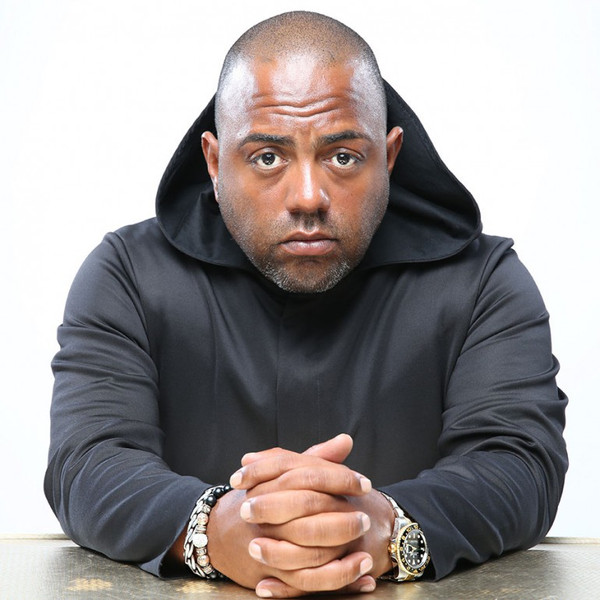
Biography
Mastiksoul
In 1992, at the dawn of techno raves in Portugal, Fernando Figueira — then a young man torn between Portugal and France — attended his first techno rave: « A minha cena começa aí ». It was there, hearing the electronic music rise in a pavilion until noon, that the « bichinho » was born which would make him one of the most recognizable names in global dance music. Since then, he has built a unique sonic identity by blending house with African and Latin rhythms.
In brief
| Full name | Fernando Figueira (Fernando Oliveira Figueira) |
| Nicknames | Mastiksoul, Mastik, Maximus, Viper |
| Birth | April 7, 1977, Angola |
| Genre | DJ and producer of house / tech house / latin house / tribal house |
| Notable works | O Álbum (2010), Forever (2012), “Gasosa” |
| Awards | Best House Artist 2008 (Beatport Music Awards); Beatport global top 10 |
Key dates
| Year | Event |
|---|---|
| 1992 | Launches his career between Portugal and France, observing the rise of dance music |
| 2000 | Moves to London and creates his production studio with DJ Token Pace (4Kenzo Recordings) |
| 2003 | Releases the EP South Tribal on Difference Records; launches Moxi Records with Tony Thomas |
| 2008 | Jacobino wins him the Best House Artist 2008 award at the Beatport Music Awards |
| 2009 | EP Bofe de Elite reaches number 1 on the Beatport Tech House chart; releases Corrida 4 Número um |
| 2010 | Releases the album O Álbum; tops Portuguese iTunes and is named best Portuguese artist |
| 2012 | Releases Forever, becoming the best-selling dance music album in Portugal; first appearance at Tomorrowland |
| 2013 | Releases Lenda, “Hands Up” and the remix of “I like to Move it”, reaching global top 10 |
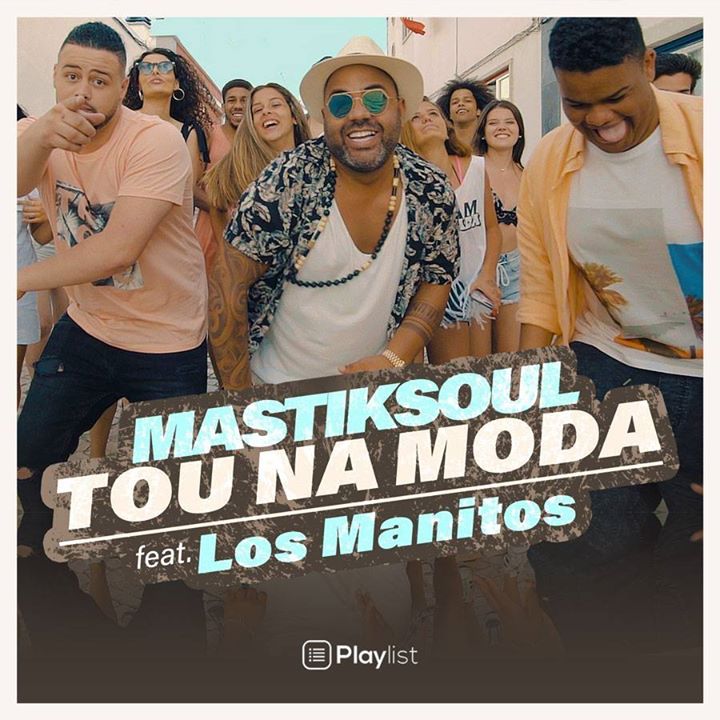
| 2018 | Releases “Tou na Moda” and “Estraga” on Brooklin Nights (Sony Music USA) |
| 2024 | Hospitalized in October with a diagnosis of « raro e grave » (compartment syndrome); released in December |
From Portuguese raves to London studios
Born in Angola, Fernando Figueira was born on April 7, 1977. Son of the Breton music scene, he grew up with breakdance and became a member of a Breakdance group himself. The first Portuguese rave, at the beginning of the 90s, deeply marked him: it was the birth of his « bichinho ». At the time, he did not yet know how to become a DJ — he swore never to listen to that music again as it was so powerful. But three days later, he already felt nostalgia for it and would not go back.
In London, he decided to build his production: « Foi aí que eu decidi ir para Londres, porque é a capital da música, formar-me e começar a produzir ». There he discovered the best engineers in the world, worked with producers from the house scene and bonded with Tony Thomas, whose tribal work influenced him. He founded 4Kenzo Recordings and Digital Distribution with DJ Token Pace, then Moxi Records. The name « Mastiksoul » was born from his Hebrew friends, who nicknamed him « funky chewing-gum » — pastilha elástica. He then wrote: « Sou uma pastilha elástica muito funky », and later added soul — « que vem da alma ».
Tribal house, and international brilliance
Back in Lisbon, he imposed a striking and tribal style rooted in his African roots, nourished by Bonga. The Portuguese public quickly adopted him — « Portugal é um país de músicas quentes » — even though associating the music with the character took time. His collaborations exploded: Akon, Shaggy, Mariza, Anselmo Ralph, Buraka Som Sistema. His productions were rewarded by Tony Thomas, Tom Stephan and dance press (Mixmag, Jockey Slut). In 2008, Jacobino took him to the Beatport Music Awards; in 2012 he inaugurated Tomorrowland, the world’s largest dance festival.
His singles rose to the top of the charts: “Gasosa” became a major success, remixed by him for the soundtrack of Tropa De Elite; “I like to Move it” remixed in 2013 reached number 1 in Spain; “Forever” became his best-selling album in Portugal. He is today described by his official bio as a « living legend of electronic music », with more than 150 million streams on digital platforms.
Major works
| Work | Year | Why it is essential |
|---|---|---|
| O Álbum | 2010 | First album, number 1 on Portuguese iTunes; consolidates his status as a key artist |
| Forever | 2012 | Best-selling dance music album in Portugal; dazzling appearance at Tomorrowland |
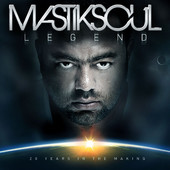
| Lenda | 2013 | Fourth album, featuring Akon, Anselmo Ralph, Rita Guerra and Dmol |
| “Gasosa” | — | Major commercial success, emblematic of his discography |
| South Tribal (EP) | 2003 | Founding EP on Difference Records, licensed to a British TV series |
Legacy and influence
Mastiksoul has left a generation of artists — then, by extension, Portuguese producers — a model of fusion between house and African rhythms. His ability to transform a striking style, nourished by Bonga and the Afro-Latin groove, into products sold worldwide has inspired many DJs/producers. Even after his forced retirement from the studio in 2024 — hospitalized with a diagnosis of « raro e grave » compartment syndrome and released in December — he continues to write, publish albums and tour. For him, music must last: « a melhor música do mundo » is his ultimate goal, a song that will survive several decades.
Sources and references
- « Biografia », Mastiksoul (official website), https://www.mastiksoul.com/en, accessed November 24, 2026.
- « Mastiksoul », Wikipedia (pt), https://pt.wikipedia.org/wiki/Mastiksoul, accessed November 24, 2026.
- « Mastiksoul : Há um nome e uma história por trás do homem da ‘Gasosa’ », Notícias ao Minuto (interview), https://www.noticiasaominuto.com/cultura/1430545/mastiksoul-ha-um-nome-e-uma-historia-por-tras-do-homem-da-gasosa, accessed November 24, 2026.
- « Mastiksoul », Clubbing TV (biography), https://clubbingtv.com/listing/mastiksoul/, accessed 24 November 2026.
- « Feira de Sant’Iago – Mastiksoul », Arquivo Municipal / AML, https://www.aml.pt/agenda/feira-de-santiago-mastiksoul/, accessed 24 November 2026.