Biography
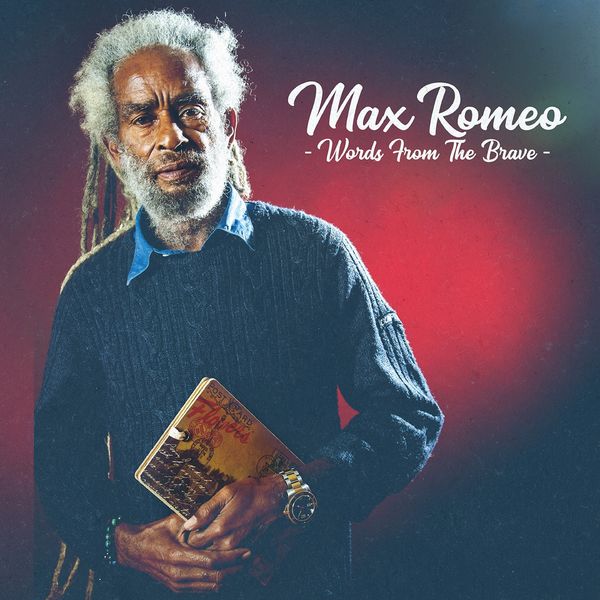
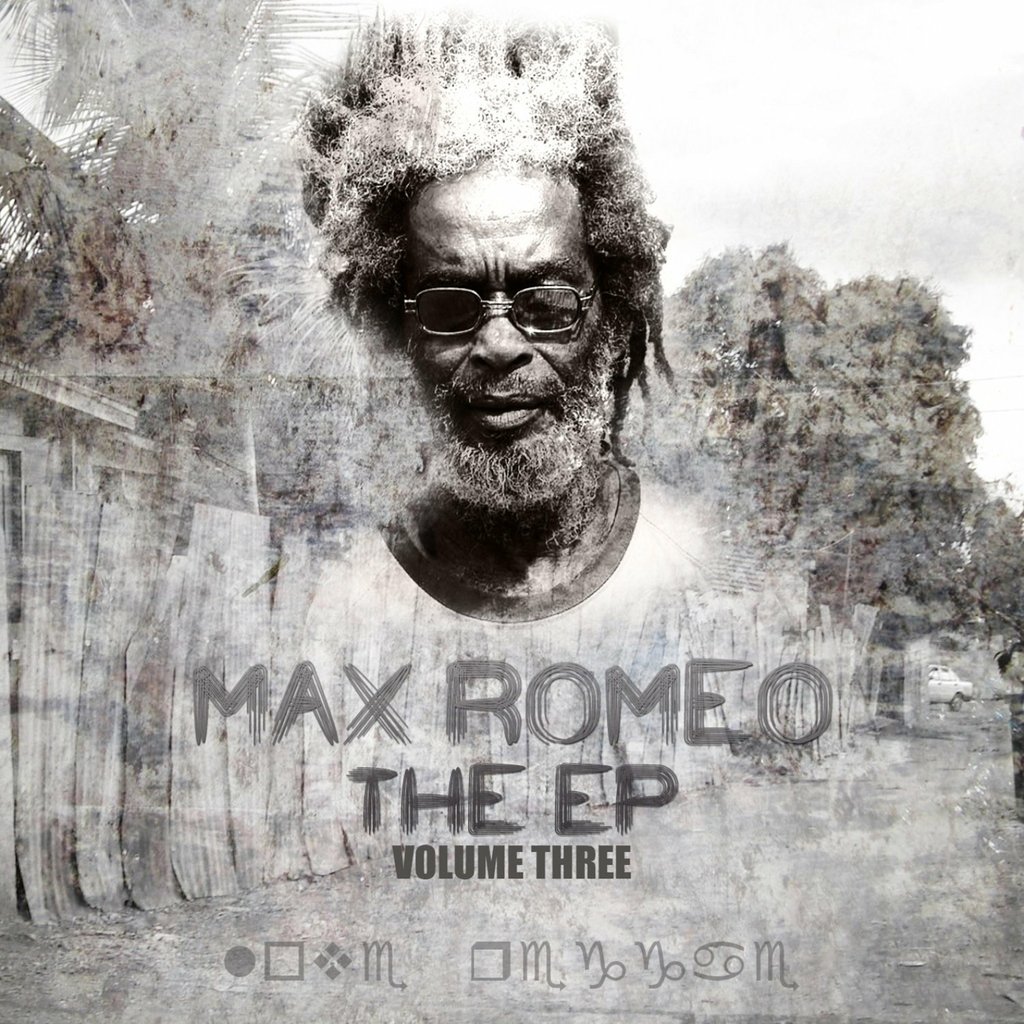
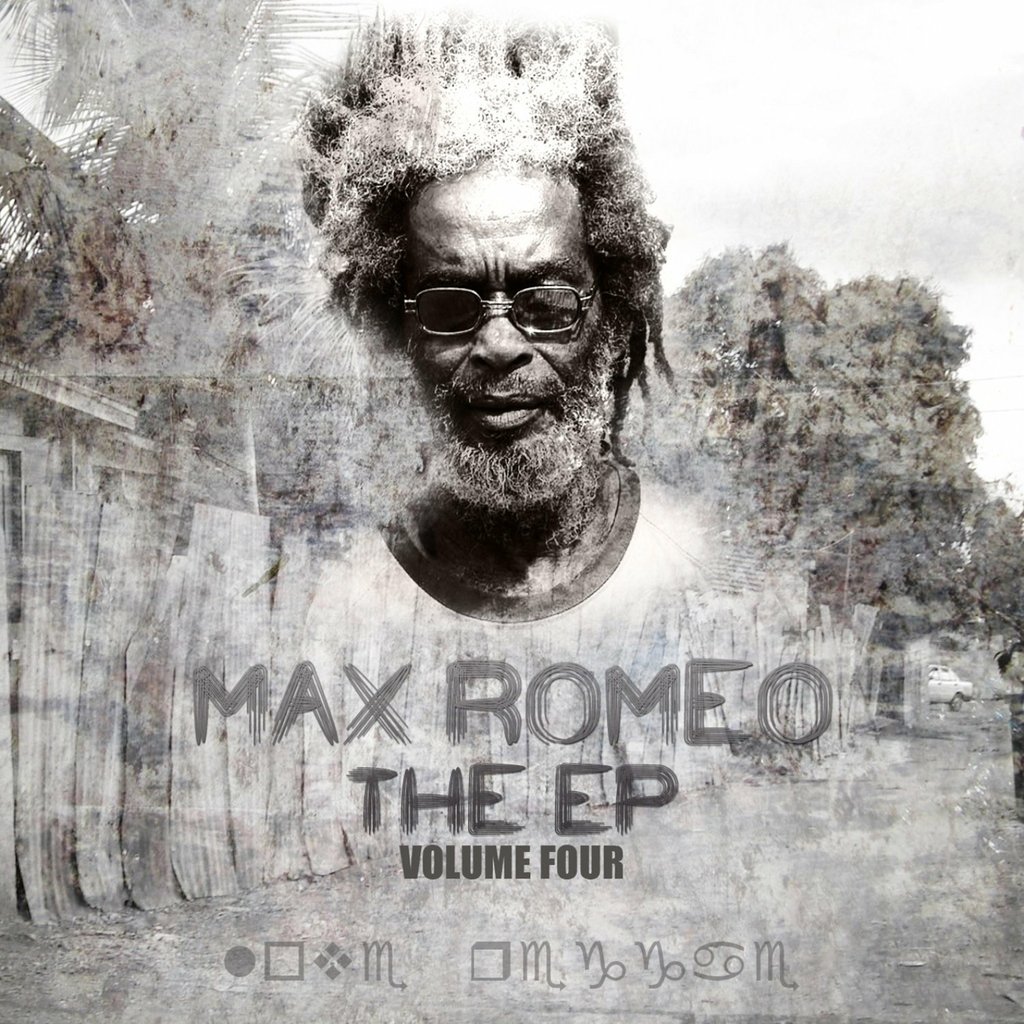
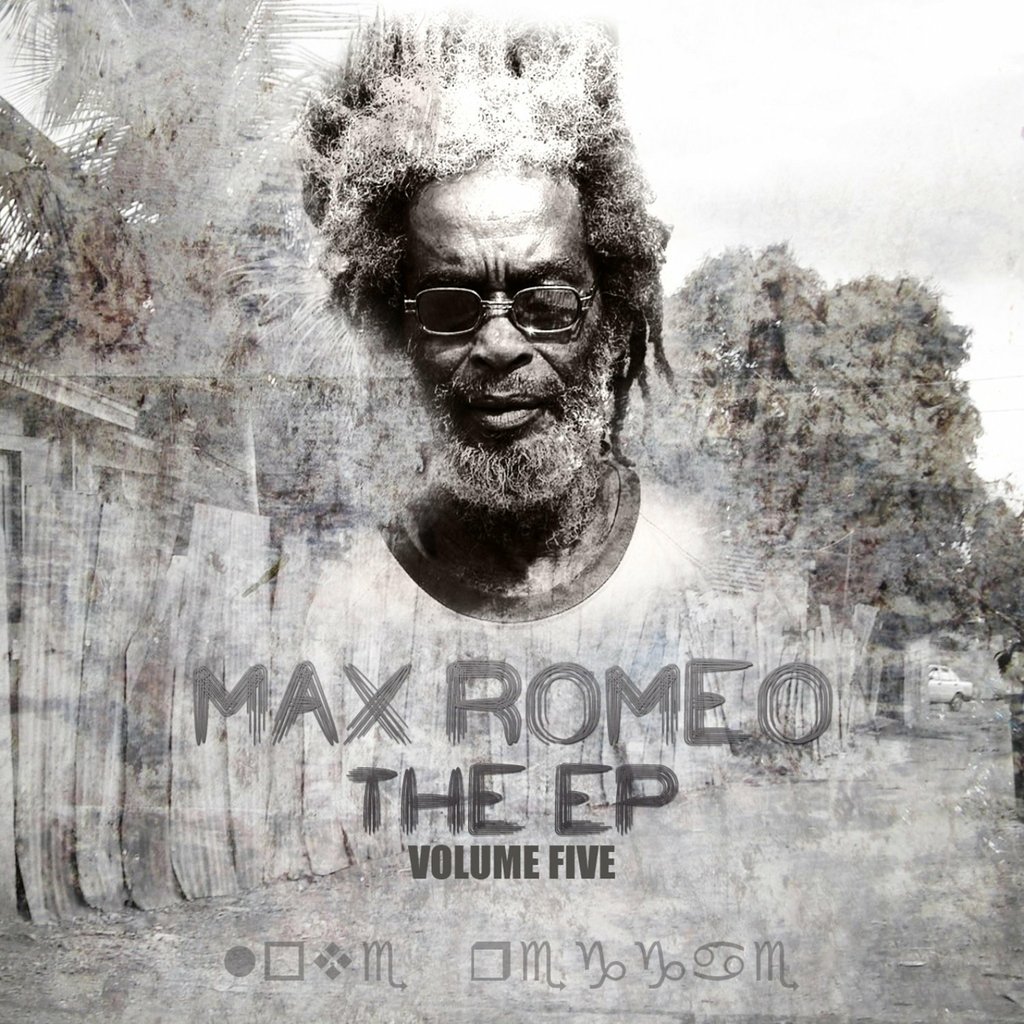
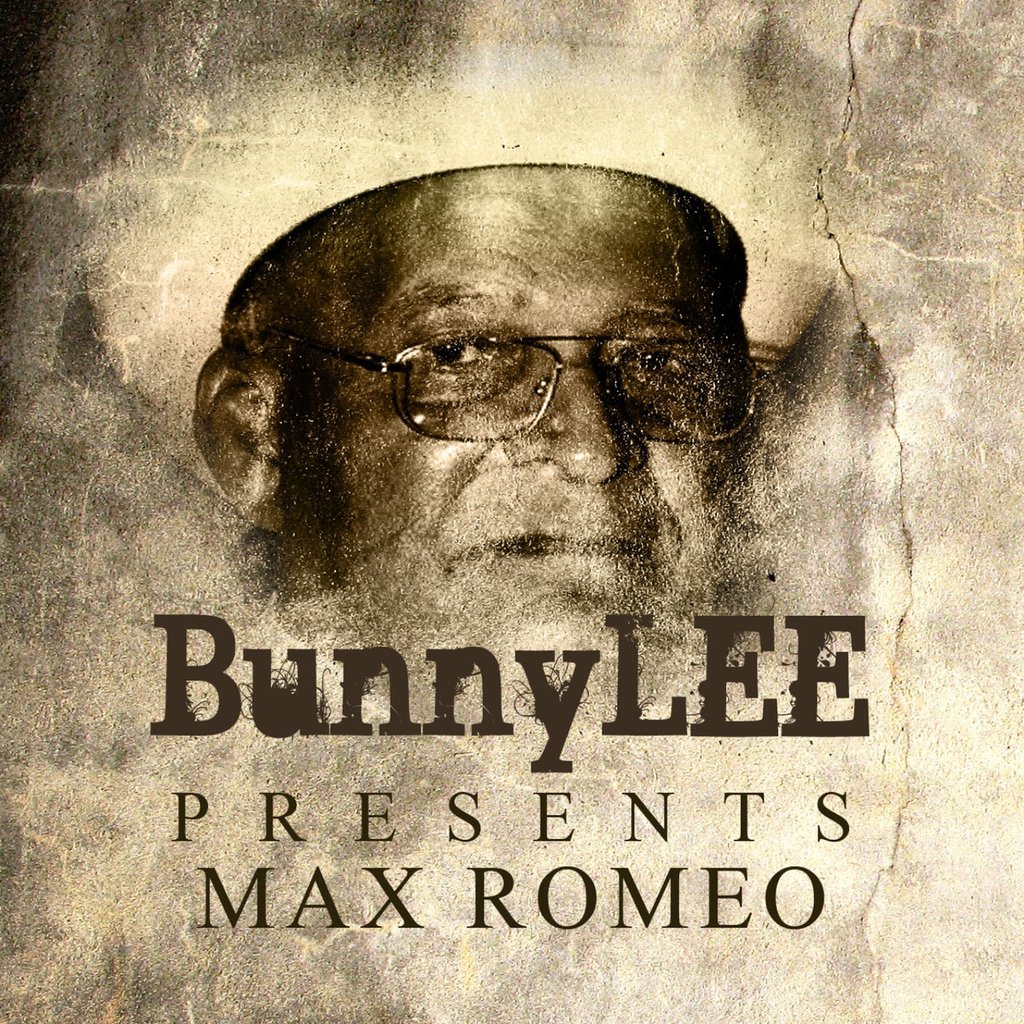
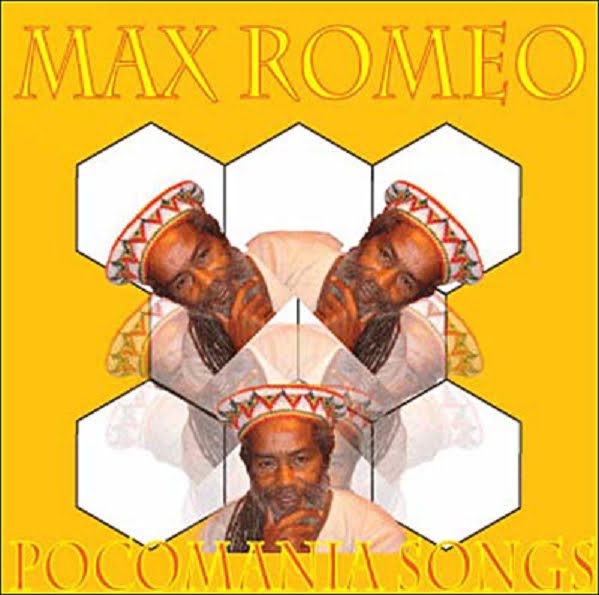
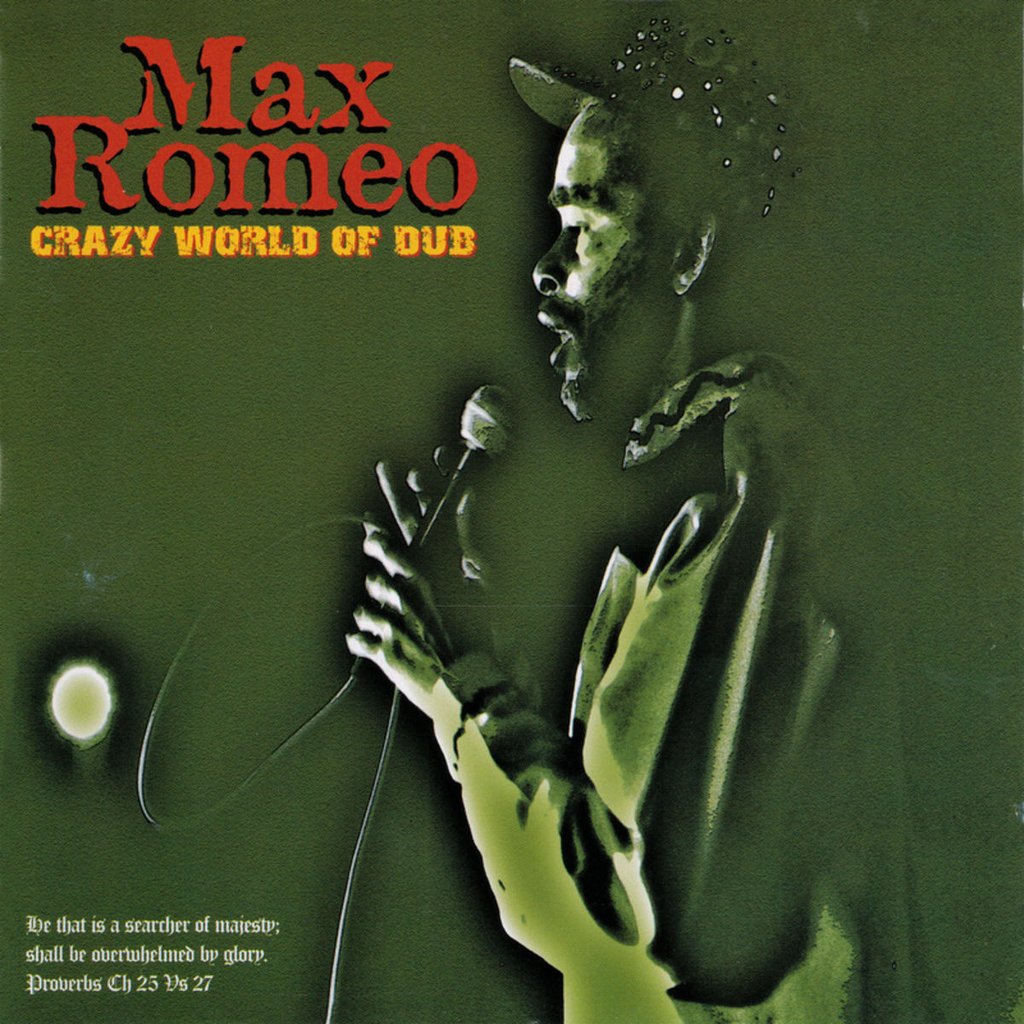
Max Romeo
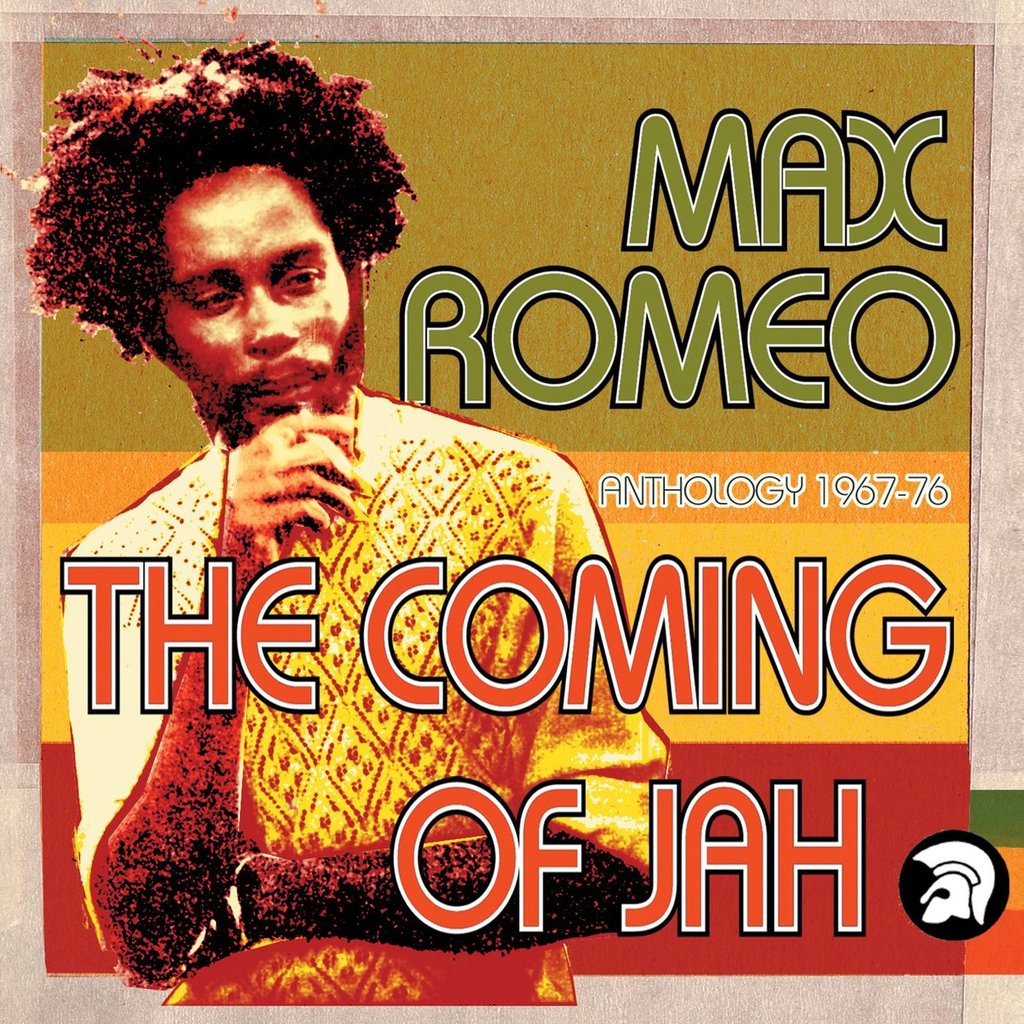
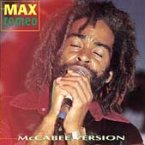
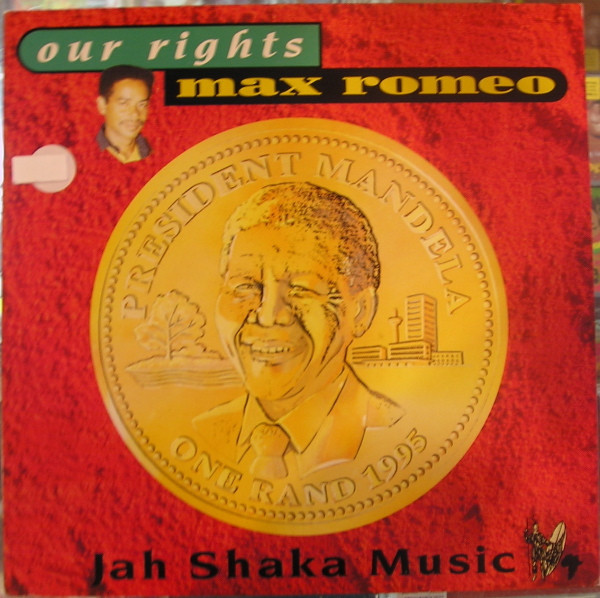
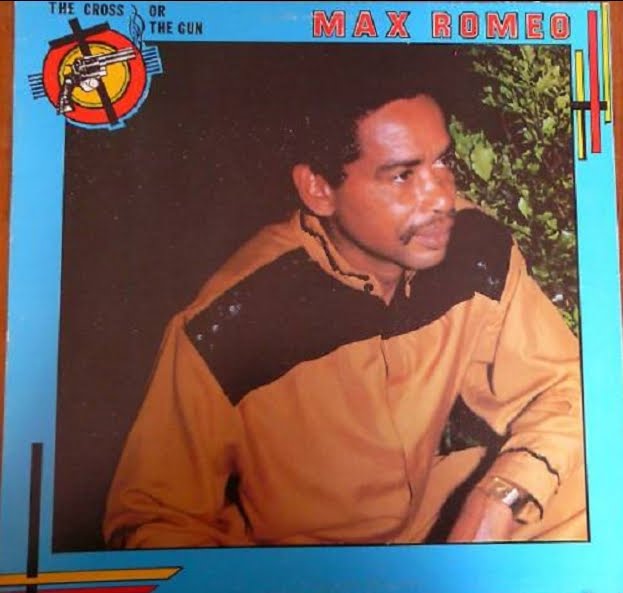
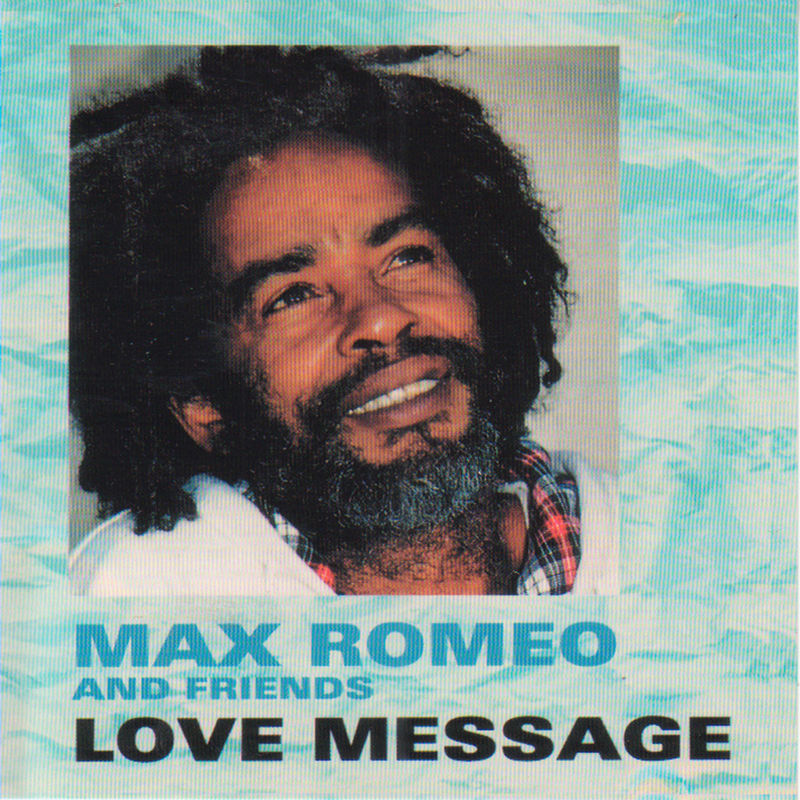
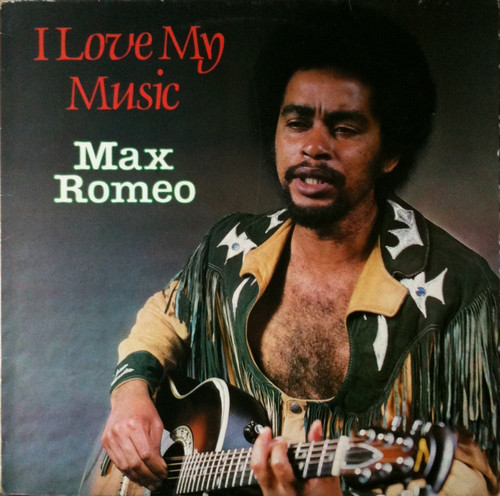
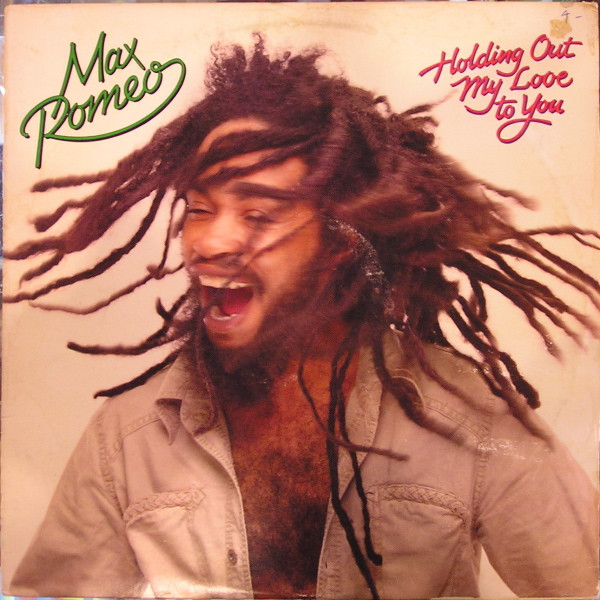
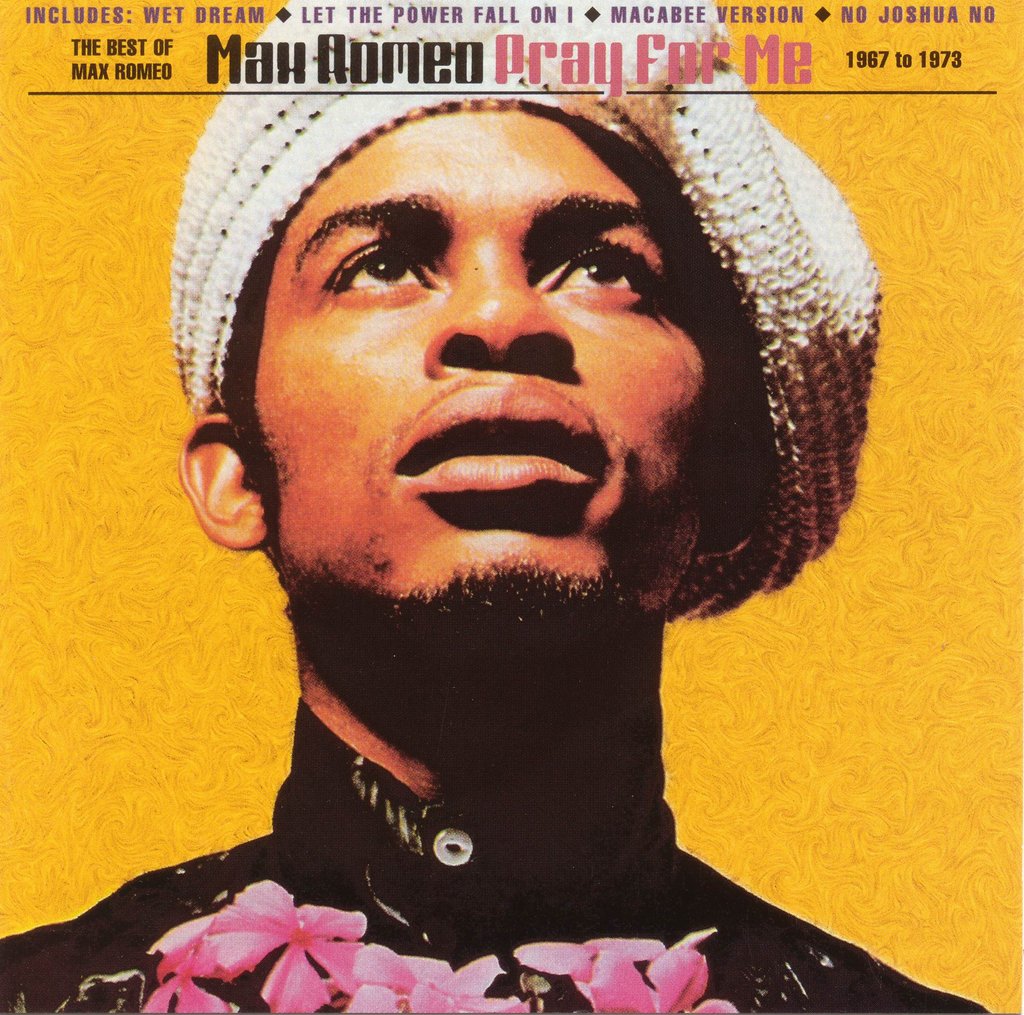
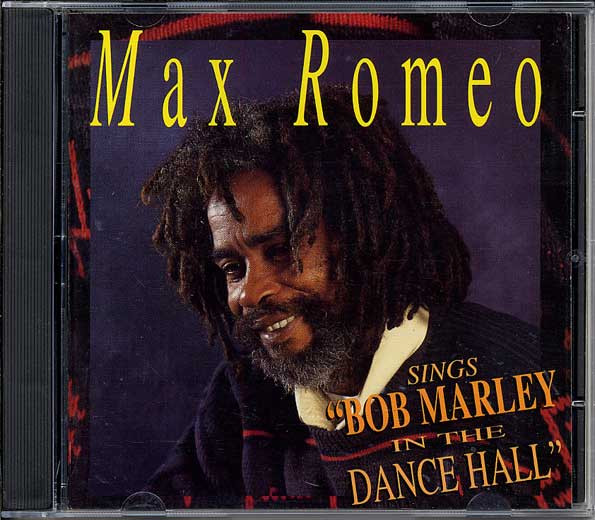
In 1968, a Jamaican producer heard Maxwell Smith humming a melody at the cash register of a record store. This chance encounter launched the career of Max Romeo, a singer who embodied both sides of reggae: insolent provocation and combative spiritual messaging.
In Brief
| Full Name | Maxwell Smith aka Max Romeo (also Adulfus Dulfile) |
| Birth | November 22, 1944, St. D’Acre, parish of Saint Ann, Jamaica |
| Death | April 11, 2025 (80 years), St. Andrew, Jamaica |
| Genre | Reggae, roots reggae |
| Notable Works | “Wet Dream”, “Chase the Devil”, War Ina Babylon |
| Honors | Album counted among the 76 best Jamaican albums (Rolling Stone, 2026) |
Key Dates
| Year | Event |
|---|---|
| 1944 | Born in St. D’Acre (St. Ann); childhood spent on a sugar cane plantation near Clarendon |
| 1965 | Joined vocal group The Emotions; a producer heard him singing and arranged an audition |
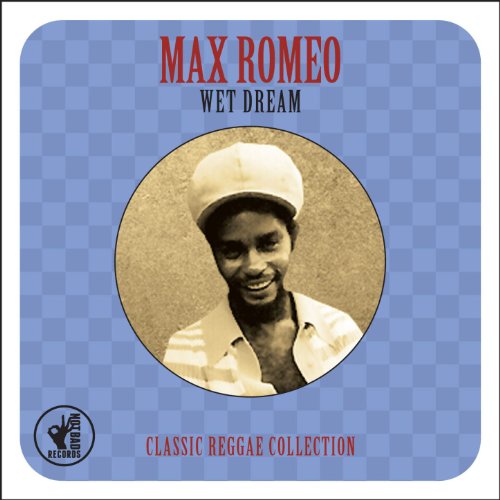
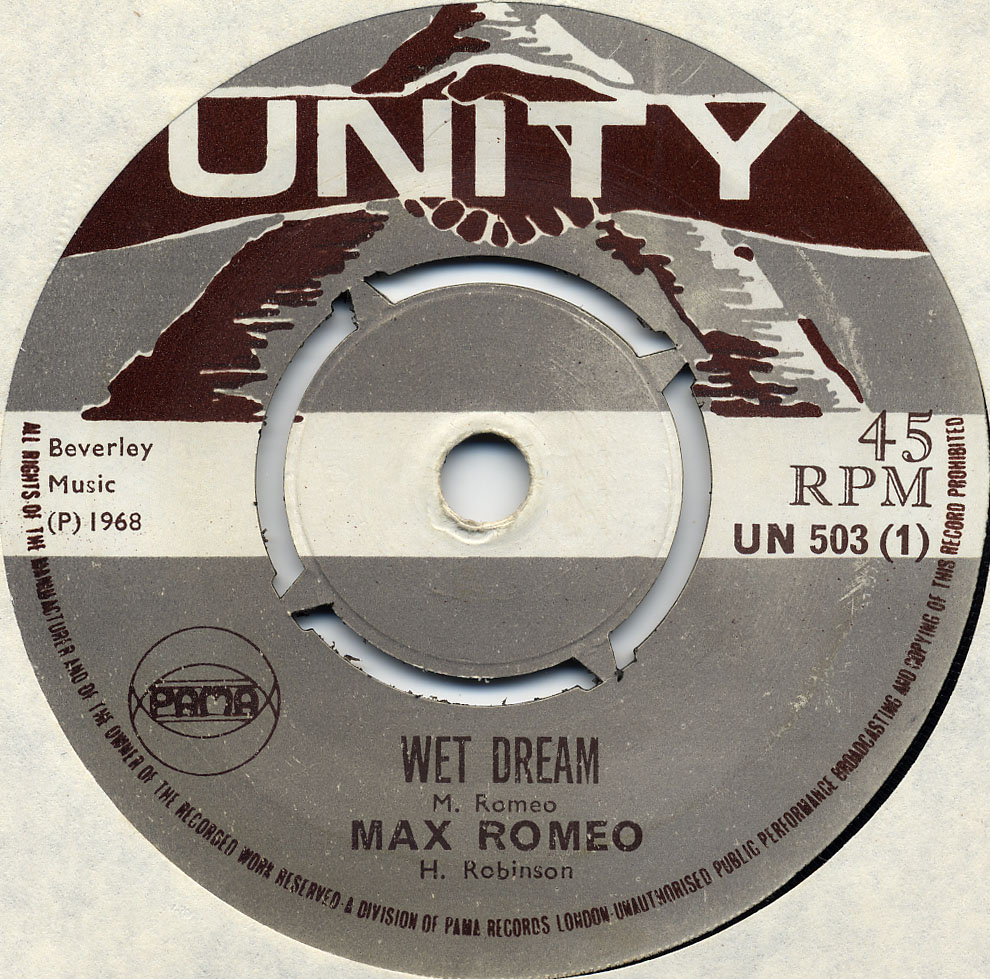
| 1968 | First solo hit: “Wet Dream”, British Top 10, banned by the BBC for explicit sexuality |
| 1971 | Let the Power Fall, anthem of the PNP election campaign; toured with Bob Marley |
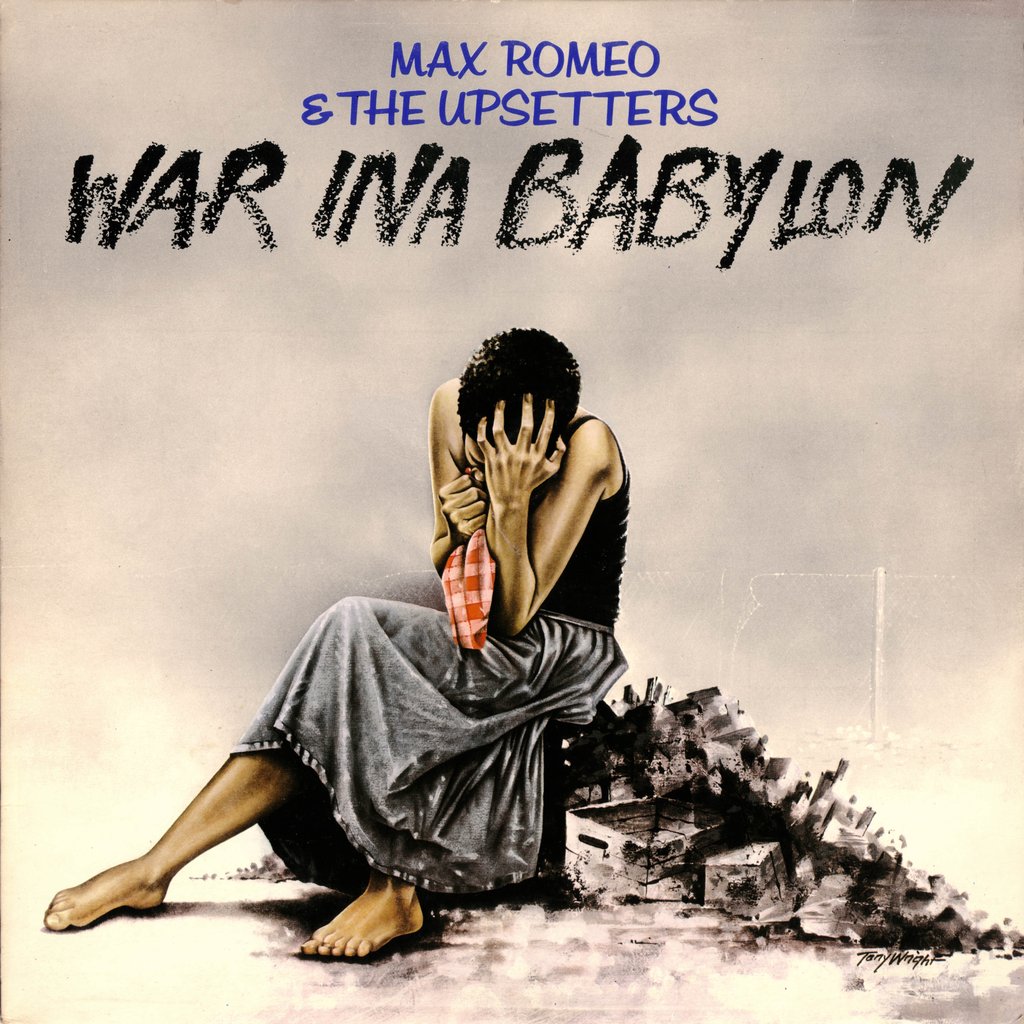
| 1976 | War Ina Babylon produced by Lee “Scratch” Perry; became an absolute classic of roots |
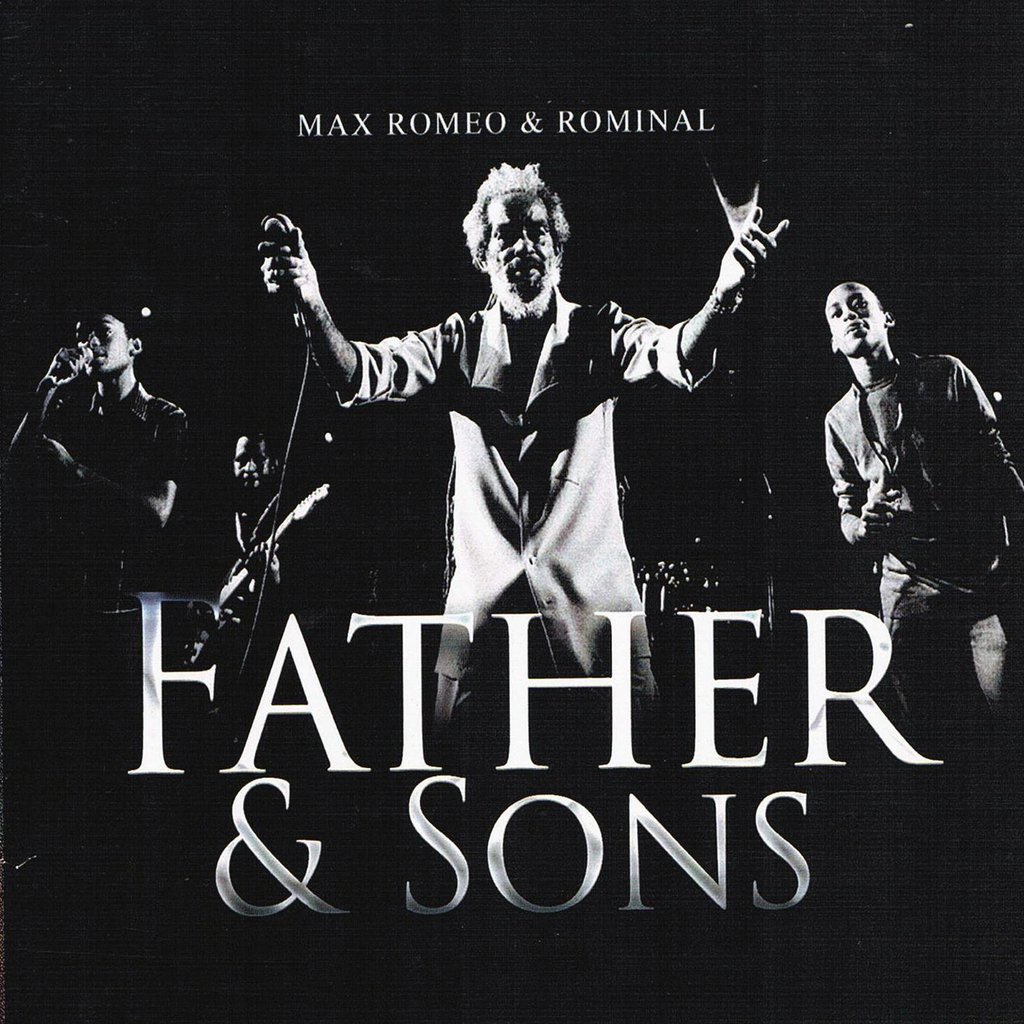
| 2014 | Father and Sons, album with his sons Ronaldo and Romario (duo Rominal) |
| 2025 | Death at age 80; his family sues Universal Music Group for unpaid royalties |
A Provocateur Turned Preacher
Maxwell Smith was born on November 22, 1944, in St. D’Acre, parish of Saint Ann in Jamaica. At fourteen, he left his family home and worked as a laborer on a sugar cane plantation near Clarendon. His destiny shifted at eighteen when he won a local singing contest, prompting him to move to Kingston to pursue music.
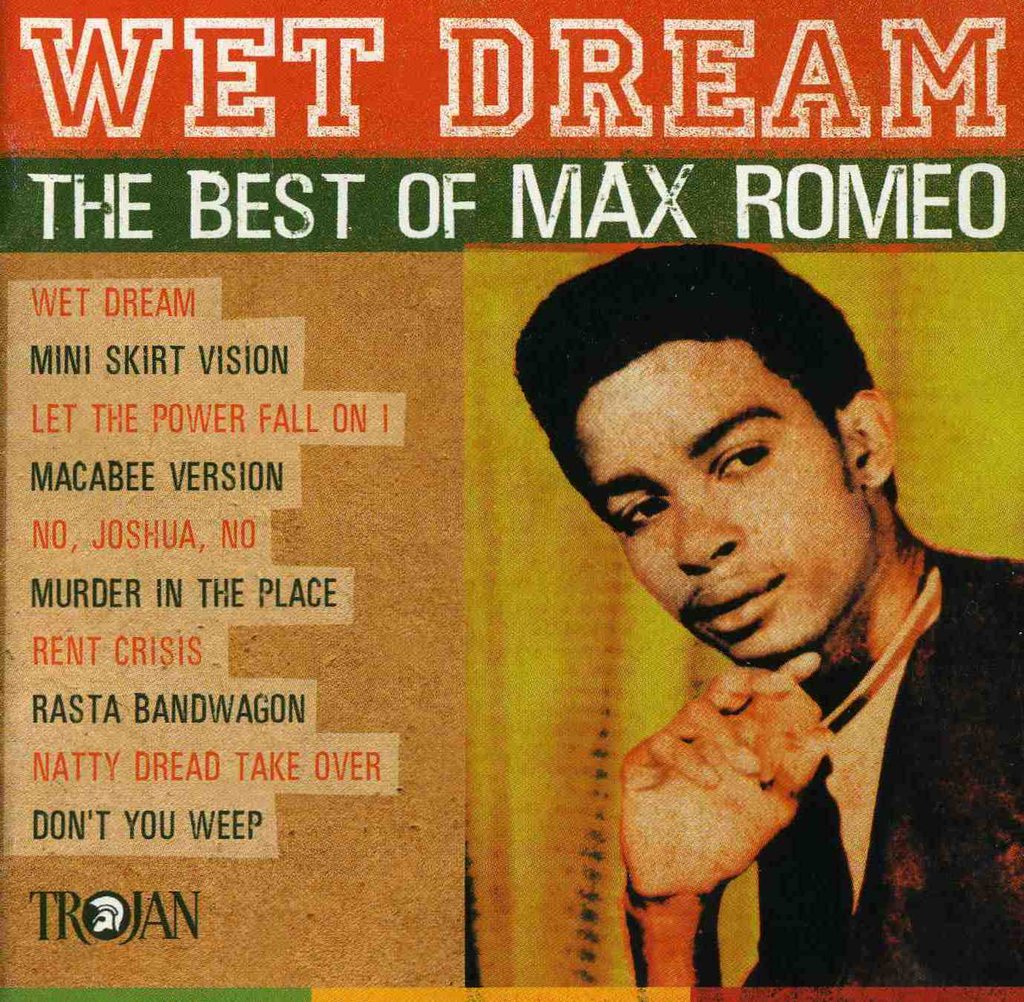
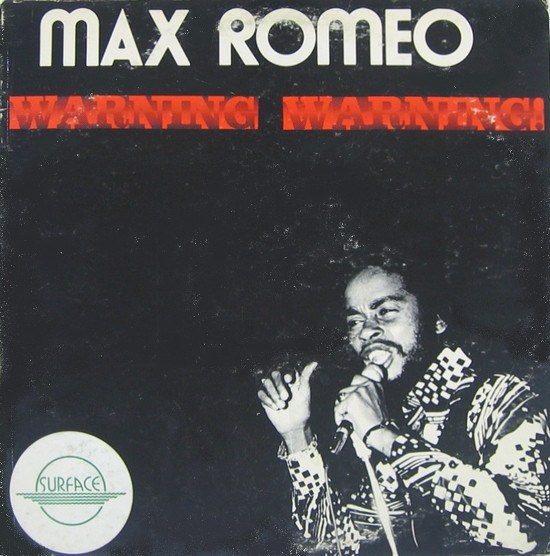
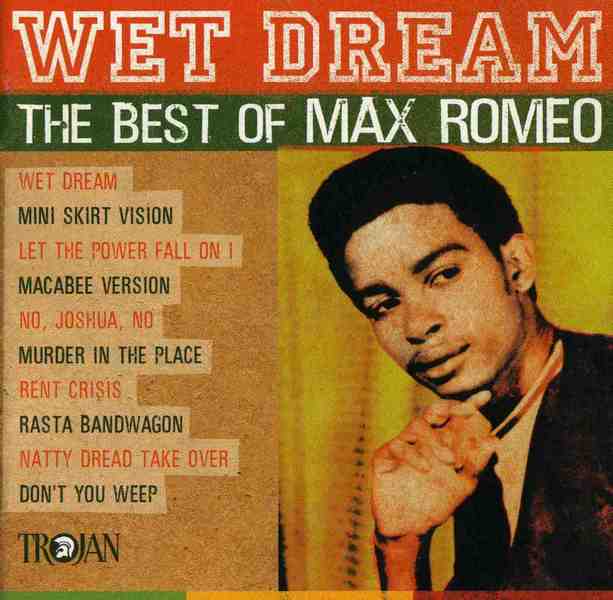
In 1965, he joined The Emotions with Lloyd Shakespeare and Kenneth Knight. His solo career took off in 1968 with “Wet Dream”, a song with explicit sexual content. The BBC-banned track reached the British Top 10 and stayed on the charts for six months—a record for a slack title (double entendre reggae)—creating a new subgenre.
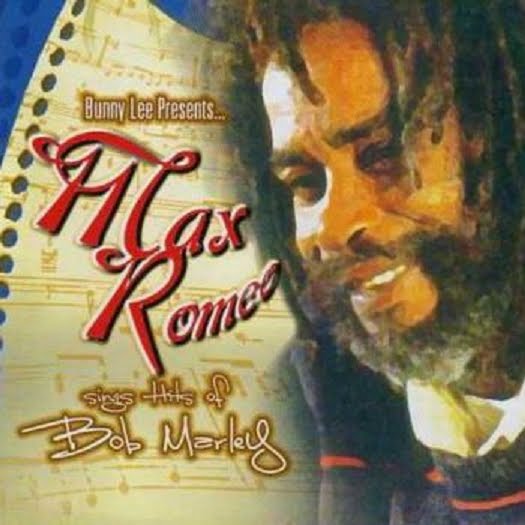
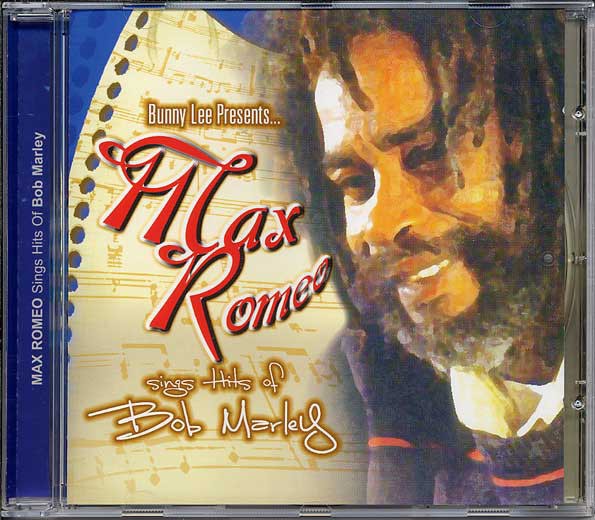
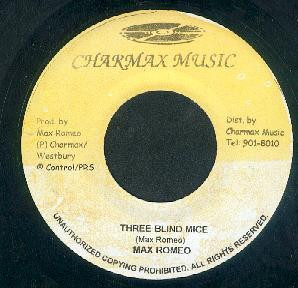
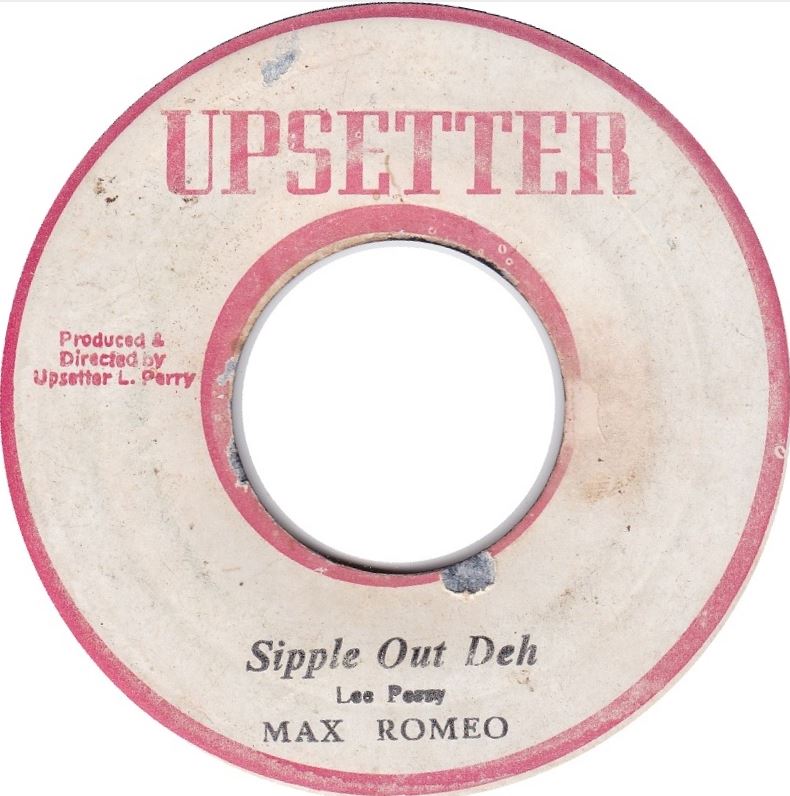
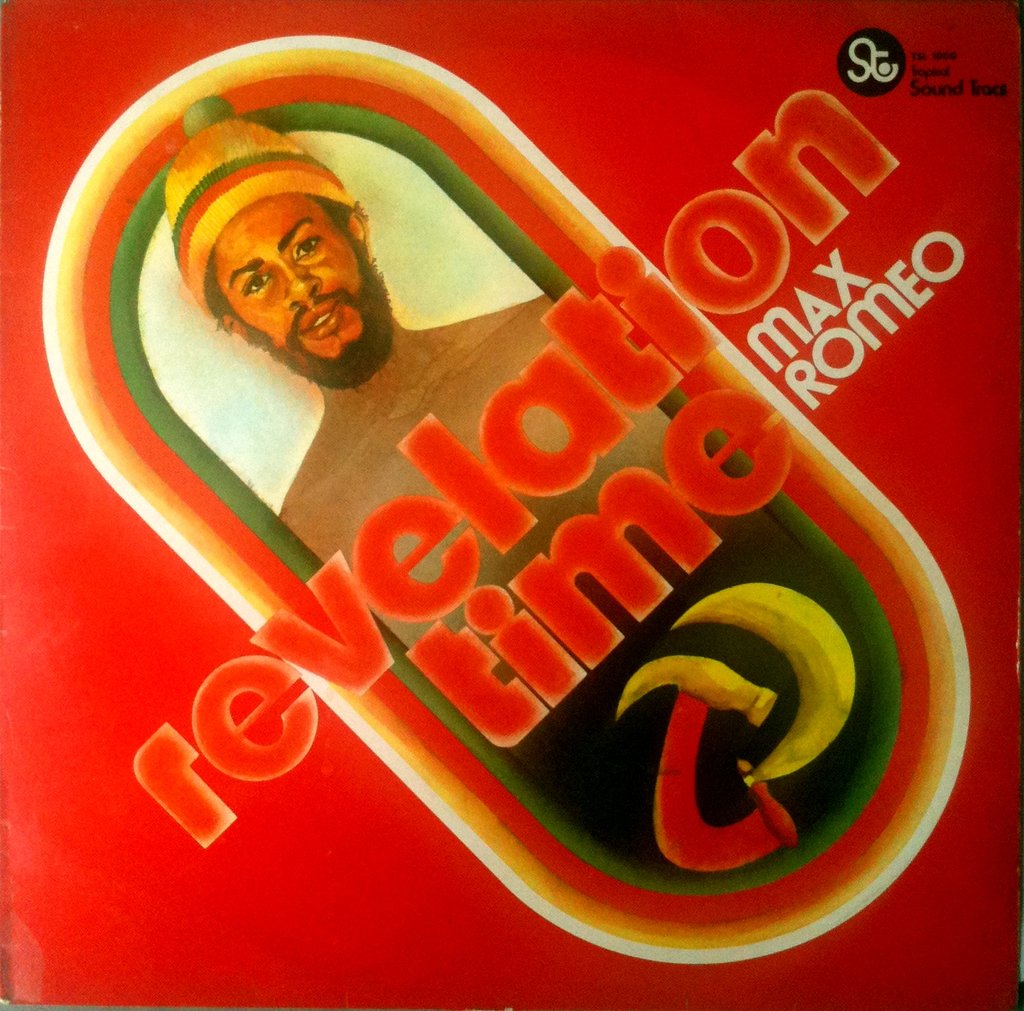
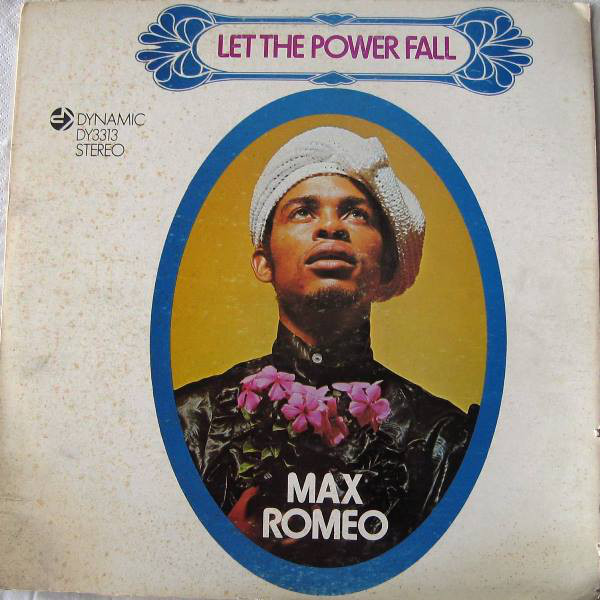
After these provocative beginnings, Romeo refined his art toward more political and religious themes. In 1970 he returned to Jamaica and founded his own label, Romax. The following year came Let the Power Fall, a militant album with producer Bunny Lee: the title track became the official anthem of the People’s National Party during its victorious 1972 campaign, and Romeo toured the island on the Bandwagon alongside Bob Marley. In 1975, he worked with Lee “Scratch” Perry on Revelation Time, where he adapted the English nursery rhyme “Three Blind Mice” into a violent poem about police raids—a cover that transformed an innocent classic into social revolt.
The Peak and the Battle for His Music
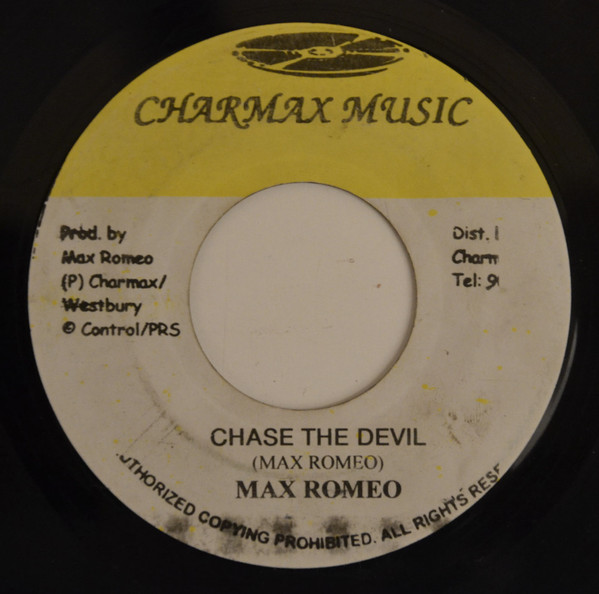
1976 saw Romeo at the summit with War Ina Babylon, an album produced by Lee “Scratch” Perry on Chris Blackwell’s Island label. Considered his masterpiece, War Ina Babylon contains “Chase the Devil”—probably the hit that defined Romeo’s career. The song triggered a lasting effect: in 1992, The Prodigy sampled it for “Out of Space” (No. 5 in the UK), Jay-Z and Kanye West used it on “Lucifer” (2003), and the track appears in several film and video game soundtracks, including the Grand Theft Auto franchise.
But success did not bring expected royalties. Romeo filed a lawsuit against Universal Music Group in 2023, claiming sixteen million dollars for unpaid royalties covering nearly five decades. “After 47 years, I have exhausted every resource available to me to get this matter rectified,” he explained to DancehallMag. “At 78 years old, I cannot enter this new phase of my life being docile and silent; I have to speak up, I have to fight for what is rightfully mine with whatever strength left in me.”
Romeo also defended a philosophical vision of his music. “Chasing the Devil is chasing the negative out of your mind and letting it be controlled by the positive,” he said in 2019. When asked how to pay for the lawyers needed to sue the majors, he replied: “How do you fight the Devil with a lawyer?”
Major Works
| Work | Year | Why It’s Essential |
|---|---|---|
| “Wet Dream” | 1968 | First major title to impose slackness—sexual double entendre reggae—that shook the BBC and reached the British Top 10 |
| Let the Power Fall | 1971 | Political album that became a PNP campaign anthem, illustrating the union between reggae and power |
| “Three Blind Mice” | 1975 | Creative subversion of a nursery rhyme into virulent criticism of police raids against Rastafari |
| War Ina Babylon / “Chase the Devil” | 1976-1977 | Peak of roots reggae: the single was sampled by Jay-Z, The Prodigy, and Kanye West |
Legacy and Influence
Max Romeo is a pivotal figure in Jamaican reggae, having shaped two divergent currents as different as satirical provocation and spiritual combat. His legacy extends far beyond reggae circles: his recordings were sampled by the biggest voices in hip-hop and electronic dance, injecting an old-school message into generations who never knew 1970s Jamaica. War Ina Babylon remains ranked by critics among the greatest Jamaican albums of all time.
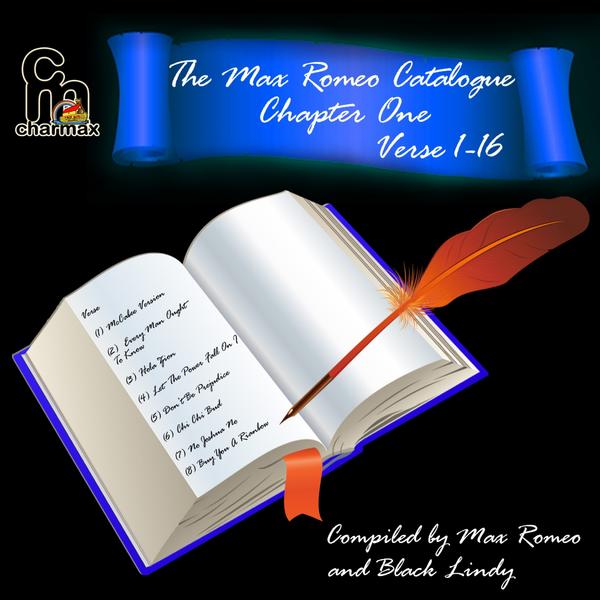
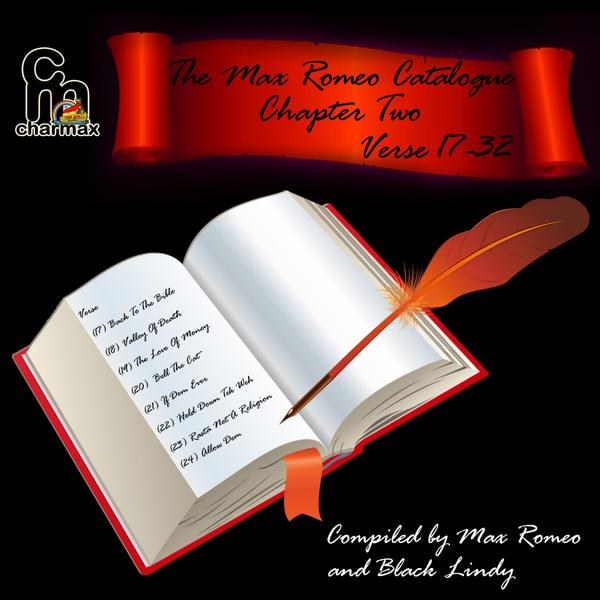
After his death in April 2025, the flame continues: his sons Azizzi (Azizzi Romeo) and Xana Romeo still record on Charmax Records, the family label founded by Max in Saint Catherine. The lawsuit against Universal Music Group, still pending at the time of Romeo’s death, remains a bitter reminder of a career marked by the distance between the artist and the machines that monetized his music.
Sources and References
- « Max Romeo », Wikipédia, https://en.wikipedia.org/wiki/Max_Romeo, accessed 20 November 2025.
- « Max Romeo », AllMusic, https://www.allmusic.com/artist/max-romeo-mn0000334101, accessed 20 November 2025.
- « Max Romeo Dead At 80 », DancehallMag, https://www.dancehallmag.com/2025/04/11/news/reggae-legend-max-romeo-dead-at-80.html, accessed 20 November 2025.
- « Reggae Legend Max Romeo: “How Do You Fight The Devil With A Lawyer?” », Reggae Vibes, https://www.reggae-vibes.com/articles/2019/04/interview-with-max-romeo/, 3 April 2019.
- « Chase The Devil — When Max Romeo Declared War On Lucifer », Financial Times (Life Of A Song), https://ig.ft.com/life-of-a-song/chase-the-devil.html.
- « Seven Jamaican Albums Make Rolling Stone’s 76 Best Of 1976 », DancehallMag, https://www.dancehallmag.com/2025/10/13/news/seven-jamaican-albums-make-rolling-stones-76-best-of-1976-and-a-dub-record-tops-them-all.html, 13 October 2025.