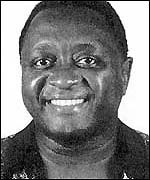
Biography
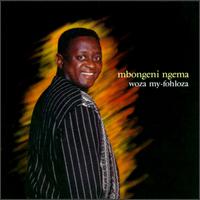
Mbongeni Ngema
In the streets of Soweto, even before he grew up, he saw fear and theater growing together. Born in 1955 in Verulam, near Durban: the child grew up between farms and townships, played guitar under his father’s shadow—a police officer—and eventually invented a new language with an amateur group to speak about apartheid. The price of a career—and proof of exceptional talent—would come much later, on stage and in Hollywood.
In brief
| Full name | Mbongeni Ngema (Zulu) |
| Birth | 10 May 1955, Verulam (KwaZulu-Natal), South Africa |
| Death | 27 December 2023, Eastern Cape (car accident) |
| Field | Theater, protest music (mbaqanga), cinema |
| Roles | Playwright, composer, choreographer, director, actor, impresario |
| Signature works | Woza Albert!, Sarafina!, Mama! The Musical of Freedom |
| Honors | Tony Awards (multiple), Grammy Award for “Circle of Life” (The Lion King, Disney), Playwright’s Sidewalk Walk of Fame (New York, 1998) |
Key dates
| Year | Event |
|---|---|
| 1955 | Birth in Verulam; the Group Areas Act group reclassified Verulam for Indians only |
| 1979 | Stable Theatre; meeting with Percy Mtwa; joined Gibson Kente’s company |
| 1981–84 | Woza Albert! co-written with Percy Mtwa; USA tour (1984) |
| 1983–85 | Committed Artists founded; Asinamali! (1985) |
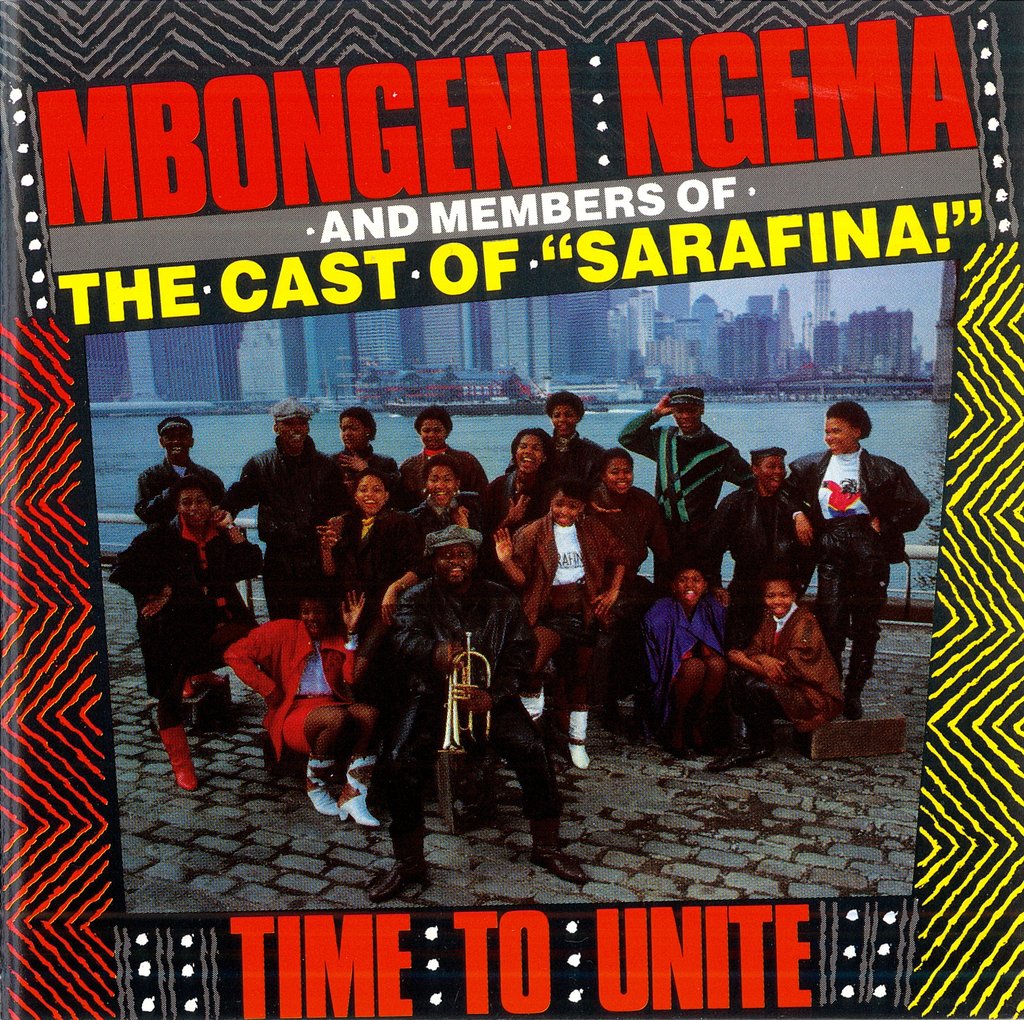
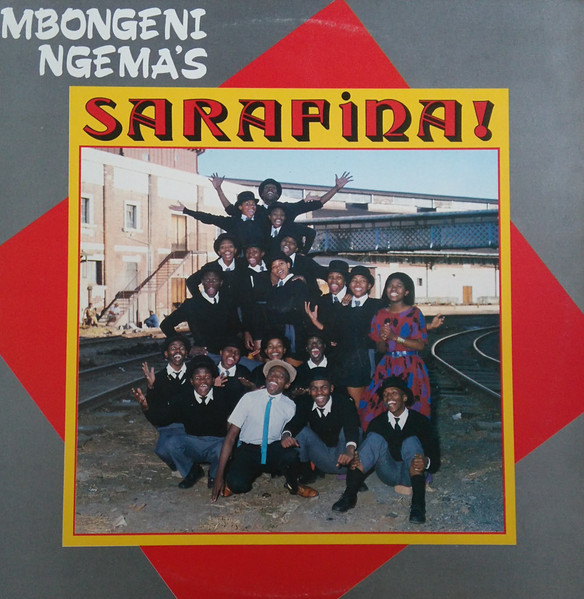
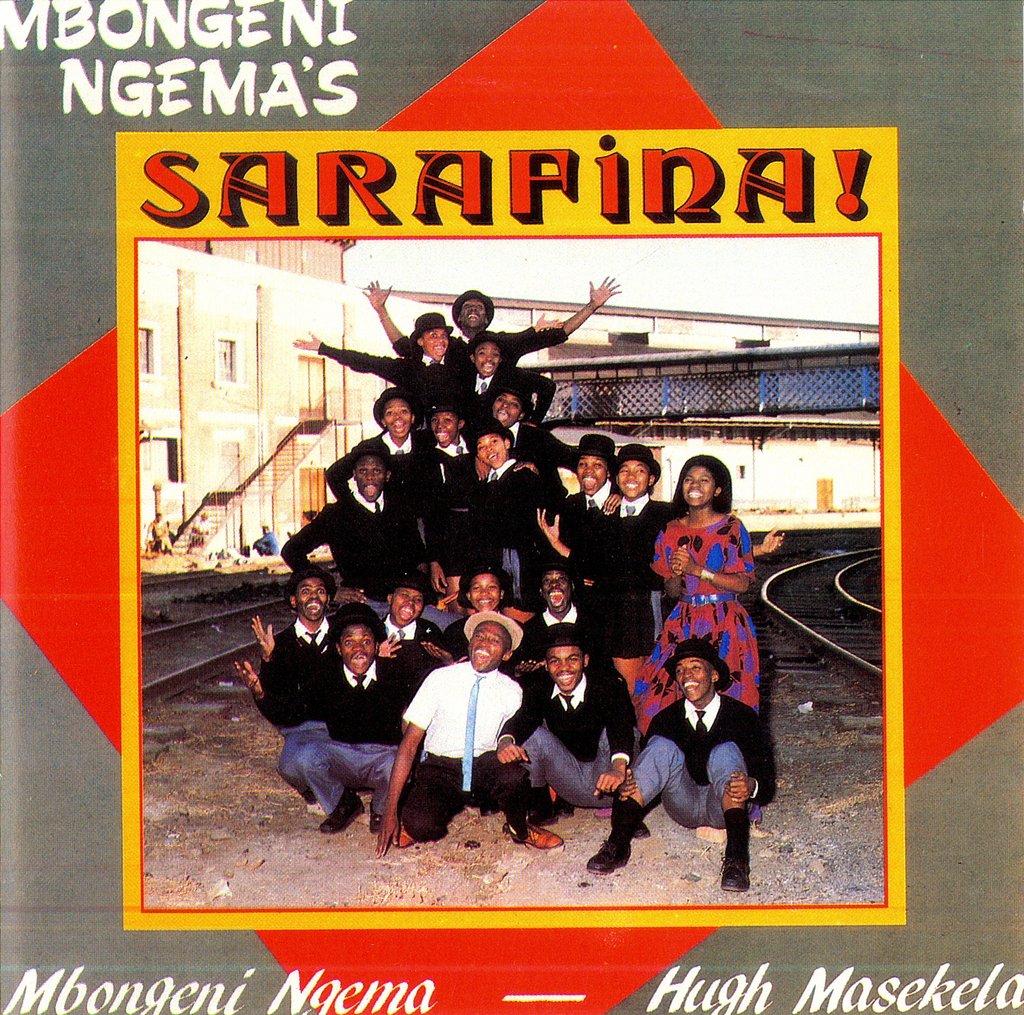
| 1987–88 | Sarafina! co-written with Hugh Masekela; New York premiere |
| 1988 | Sarafina! at Johannesburg’s Market Theater; film Sarafina (1992) |
| 1990 | Township Fever inspired by the South African railway workers’ strike |
| 1993–95 | Artistic director of music at NAPAC; Mama! (1995), inspired by Winnie Mandela |
| 1994–98 | The Lion King (choir); “Circle of Life” (Grammy); New York Walk of Fame (1998) |
| 2023 | Accidental death on 27 December (Eastern Cape) |
Origins and training: the township child of Eastern Cape
Mbongeni Ngema was born on 10 May 1955 in Verulam, Natal province (near Durban), the third child of a family of seven. His father, born in eNhlwathi (kwaHlabisa) and a police officer, was stationed in Verulam—reserved for Indians by a 1950 law—and his family was relocated to rural kwaHlabisa. The child learned to rise early, before the animals; he left Standard Six to play in local groups, picked up the guitar following his father’s example, and later worked in fertilizer factories in Richards Bay. He did not obtain a degree but learned through reading and with his mentors: Gibson Kente’s company introduced him to the works of Stanislavski, Peter Brook, and Jerzy Grotowski.
In Johannesburg, he first worked in a fertilizer factory before playing guitar for a workers’ group. Replacing a sick actor, he joined Gibson Kente’s company as a singer and budding actor, performed in local productions of the 1970s, and became a playwright. It was also at this time that he met Percy Mtwa, his future creative partner.
Revelation and consecration: apartheid in the people’s mouth
The turning point came in 1981 with Woza Albert!—a dramatic comedy co-written with Percy Mtwa imagining the second coming of Jesus Christ in South Africa. The government exploited it and then chased its author into a notorious black prison. The play crossed the Atlantic, toured the United States in 1984, and confirmed a unique talent. Ngema founded Committed Artists company (1983), taking in young people with no theater experience. For Sarafina! (1987, staged in New York), he recruited 24 young performers—girls averaging 15 years old, boys around 20—for a mobile school program with musical training. As Ngema himself said, “I knew I wanted to do a show that would capture the sound of Mbaqanga.” In 1990, the violent strike by South African railway workers inspired Township Fever. For the following year, with Hugh Masekela, the score for Sarafina!—which blended mbaqanga (traditional South African fusion with American gospel, jazz, and rock) with modern motifs—made it an international phenomenon. The release of the film Sarafina (1992), choir direction for Disney’s animated The Lion King (1994), and the song “Circle of Life”—awarded a Grammy—marked the apex of his art.
He was accused of several controversies: the Sarafina II scandal, his marriage to actress Leleti Khumalo (1991), and the kidnapping in 1999. But his honor came beyond these episodes: installation on the Playwright’s Sidewalk (New York, 1998) and multiple Tony Awards for his plays. In 1995, Mama! The Musical of Freedom—inspired by Committed Artists’ stories and centered on Winnie Mandela, who had aided the company—was a triumph for post-apartheid renewal.
Major works
| Work | Year | Why it’s essential |
|---|---|---|
| Woza Albert! (with Percy Mtwa) | 1981 | Satire that stages apartheid without trivializing it; USA tour 1984 |
| Sarafina! (with Hugh Masekela) | 1987 | Award-winning musical that blends mbaqanga with the story of the 1976 student uprising |
| Township Fever | 1990 | Written following the railway workers’ strike, recounts post-apartheid labor conflict |
| Mama! The Musical of Freedom | 1995 | Post-Mandela triumph, centered on freedom and Committed Artists |
| The Lion King (score/choir) | 1994 | “Circle of Life,” Grammy-winning; directed the choir for the soundtrack |
| Asinamali! (with Percy Mtwa) | 1983–85 | Protest musical on police violence, deemed too serious to remain free |
| The House of Shaka | 2005 | Return to Zulu tradition and the historical context of Shaka’s kingdom |
Heritage and influence
Ngema leaves a deep imprint on contemporary South African theatre: he paved the way for young townships, and his music — mbaqanga mixed with American jazz and rock — crossed the continent. As Edmund Mhlongo, founder of the Ekhaya Multi-Arts Centre, summarizes: « He was a unique director who could sing, dance, and write and who could choreograph. » His accidental death in 2023 brought an end to a career that touched theatre, music and cinema.
Sources and references
- « Mbongeni Ngema », Encyclopaedia Britannica, https://britannica.com/print/article/413511, accessed 25 November 2026.
- « Mbongeni Ngema », Wikipedia (English), https://en.wikipedia.org/wiki/Mbongeni%20Ngema, accessed 25 November 2026.
- « Mbongeni Ngema — ESAT », ESAT (South African arts encyclopedia), https://esat.sun.ac.za/index.php/Mbongeni_Ngema, accessed 25 November 2026.
- « THEATER; A Musical Born of South African Protest », The New York Times, 25 October 1987, http://nytimes.com/1987/10/25/theater/theater-a-musical-born-of-south-african-protest.html, accessed 25 November 2026.
- « Renowned artist Mbongeni Ngema’s body transported to KZN after fatal accident », SABC News, https://sabcnews.com/sabcnews/mbongeni-ngemas-body-heads-to-kzn-after-fatal-accident, accessed 25 November 2026.
- « Circle of Life », Apple Music (The Lion King), https://music.apple.com/us/song/circle-of-life-from-the-lion-king/1440807521, accessed 25 November 2026.