Biography
Michel Linérol: the sonic architect of Martinican zouk
In 1989, at twenty years old, Michel Linérol released his first album with J.E. Productions and earned a nomination for the SACEM award — a rare feat for a young Martinican signing as songwriter, composer, performer and producer all at once. Thirty-five years later, he remains one of the most reliable references on the Antillean zouk scene: a tireless worker who elevated the genre into a philosophy of life, from the recording studio to the stages of Parc Aimé-Césaire.
In brief
| Name | Michel Linérol |
| Origin | Martinique |
| Career start | 1989 |
| Field | Zouk (Antillean music) — songwriter, composer, performer and producer |
| Signature tracks | “Mové moment”, “Pou l’éternité”, “Mé sa pa bon” |
| Projects | Chirajprod, Backline (1994) |
Key dates
| Year | Event |
|---|---|
| 1989 | Career launch with a first album nominated for the SACEM award |
| 1991 | First album Michel Linerol released via J.E. Productions |
| 1993 | Second self-titled album on Yannick Emmanuel Productions |
| 1994 | Founded the Backline concept, a multi-artist project and label |
| 2010 | Interview with France-Antilles on the vitality of zouk and its critiques of musical homogenization |
| 2014 | Backline 20th-anniversary concert at Parc Aimé-Césaire, Fort-de-France |
| 2018 | New show with choreographer Jean-Marc Templet, marking three generations |
| 2021 | Engaged single “Mé sa pa bon” on issues facing the French Antilles |
| 2022 | Album Zouk Tube, Vol. 1 — 12 tracks in self-produced Backline |
Origins and ascent
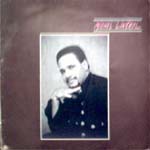
Originally from Martinique, Michel Linérol took his first step onto the Antillean stage in 1989 with a self-titled album that immediately placed him under the spotlight. Nominated for the SACEM award — a rare recognition for an island-based young artist — this first release announced an atypical profile: songwriter, composer, performer and producer all at once. At twenty, he assumed every role that makes durable creators strong.
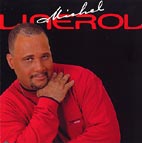
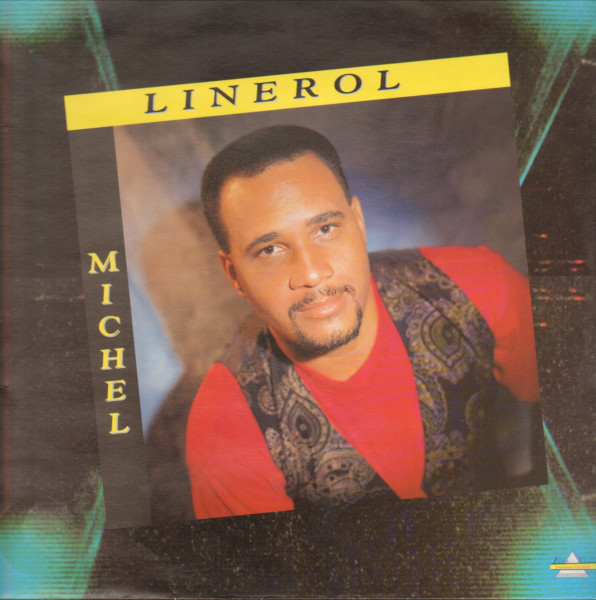
The first album, released via J.E. Productions in 1991 under the name Michel Linerol, immediately established itself as a cornerstone of Antillean zouk. Déprime Totale, Malyse, Ou Ni Rézon and especially Pou l’éternité — which would benefit from a music video — drew the portrait of an artist who was both sensitive and ambitious. In 1993, he followed up with a second self-titled album on the Yannick Emmanuel Productions label (YEP 93004/1), where Lorina, Délires Nocturnes and Destin Nou confirmed his inimitable melodic signature.
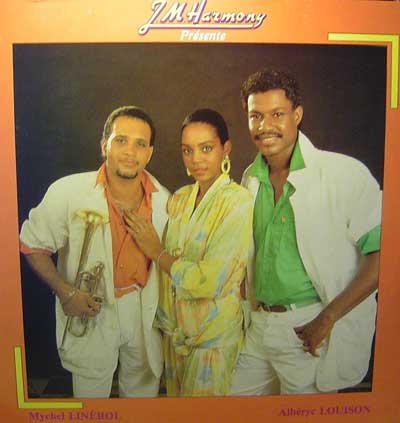
Linérol’s exacting standards quickly pushed him beyond the artist-audience duo. He composed for others, including Valérie Odinat, and appeared backstage at the Paris Zénith as part of the JM Hamony All Stars, collaborating with Frédéric Caracas. He also participated in celebrations for Festag in Guadeloupe to mark ten years of Kassav’, an honor that signaled his durable integration into the Antillean musical fabric.
The producer behind the spotlight
As early as 1989, Michel Linérol rubbed shoulders with choreographer Jean-Marc Templet in the RFO corridors: one of Linérol’s hits prompted Michel Traoré to suggest a collaboration. The tandem never parted, punctuating the Antillean scene with shows, hits and dances that marked three generations. Linérol recalls being recommended by Traoré to mount a show with Templet as choreographer.
His ambition soon far exceeded that of a solitary artist. He founded Chirajprod, a company registered with the RCS in Fort-de-France (SIREN 498 151 513), and launched the Backline concept in 1994 — a label and multi-artist project bringing together producers, performers and musicians. “It’s a way to allow emerging artists and confirmed talents to meet again, to share,” he explained in 2014. The concept revealed voices such as Nicole Néret, Princess Lover (then on Mizik Lanmou), Valérie Odina and Stéphane Ravor, the latter singing the hit I ni an Bondyé on a Backline that soared.
Far from being an invisible producer, Linérol is a music entrepreneur who embraces his roots: zouk first and foremost, but also traditional and spiritual music, with the album Transmission. His gathering concerts — 21 artists on the stage of Parc Aimé-Césaire for Backline’s 20th anniversary — bear witness to a humanist vision of the profession. Facing the decline in record sales since 1999, he found concepts to keep the public’s love alive, reports France-Antilles.
In 2010, he delivered an uncompromising critique in an interview with France-Antilles: “Today, we get the impression there’s only one mold: the same way of singing, playing. It’s true that, in my opinion, there is a lack of originality in creation.” This frankness makes him one of the most lucid observers of modern zouk, which he believes is not dead but developing beyond borders. In 2021, the single Mé sa pa bon confirmed this engaged vein: a critical look at issues affecting the French Antilles, served by the artistic coherence of an artist who is not satisfied with comfortably repeating his successes. In 2022, Zouk Tube, Vol. 1 (Backline Production) gathered twelve tracks and consolidated his place among the active tenors of Martinican zouk.
Major Works
| Work | Year | Why It’s Essential |
|---|---|---|
| Michel Linerol (LP) | 1991 | First album that launched him and earned him a SACEM award — Pou l’éternité remains his signature title |
| Second self-titled album (vinyl YEP 93004/1) | 1993 | Stylistic confirmation: Lorina, Destin Nou and Misie Licien establish the foundations of his melodic signature |
| Backline (compilation) | 2014 | Multi-artist project bringing together 21 musicians; I ni an Bondyé by Stéphane Ravor becomes a genre classic |
| “Mé sa pa bon” (single) | 2021 | First committed track addressing the challenges of French Antilles — proof that Linérol retains his critical gaze |
Legacy and Influence
Michel Linérol is an island producer case who stood firm against the record crisis without ever succumbing to imitation. Through his demands and ability to unite — artists, choreographers, traditional or spiritual musicians — he contributed to building a Martinican creative ecosystem that will survive digitalization. The zouk he defends is not a relic: it is, according to him, an energy that still nourishes everything done today in Antillean music. For the generation growing up on the islands, this may be his most durable legacy: having shown that one can be popular and rigorous, Creole and universal.
Sources and References
- « MICHEL LINEROL Biographie », InfoConcert, https://www.infoconcert.com/artiste/michel-linerol-64720/concerts.html?menu=biographie, accessed November 17, 2026.
- « “Le zouk n’est pas mort, il est partout…” », France-Antilles Martinique, September 5, 2010, https://www.martinique.franceantilles.fr/actualite/culture/le-zouk-nest-pas-mort-il-est-partout-369355.php.
- « “Tout ce que l’on entend aujourd’hui tire sa sève du zouk” », France-Antilles Martinique, April 17, 2018, https://www.martinique.franceantilles.fr/regions/centre/tout-ce-que-lon-entend-aujourdhui-tire-sa-seve-du-zouk-841024.php.
- « Backline souffle ses 20 bougies », France-Antilles Martinique, April 25, 2014, https://www.martinique.franceantilles.fr/loisirs/sortir/backline-souffle-ses-20-bougies-78760.php.
- « Michel Linerol – Michel Linerol », Discogs, https://www.discogs.com/master/1419025-Michel-Linerol-Michel-Linerol.
- « Michel Linerol », Groove Records, https://groovierecords.com/products/michel-linerol (vinyl YEP 93004/1, 1993).
- « Zouk Tube, Vol. 1 », Apple Music, https://music.apple.com/fr/album/zouk-tube-vol-1/1619524373, accessed November 17, 2026.
- « Michel Linerol », Spotify, https://open.spotify.com/album/6i6IUKGbQYcZQHg2NSaJxe, accessed November 17, 2026.