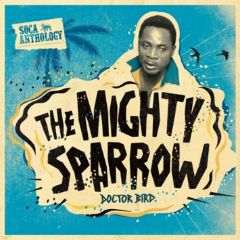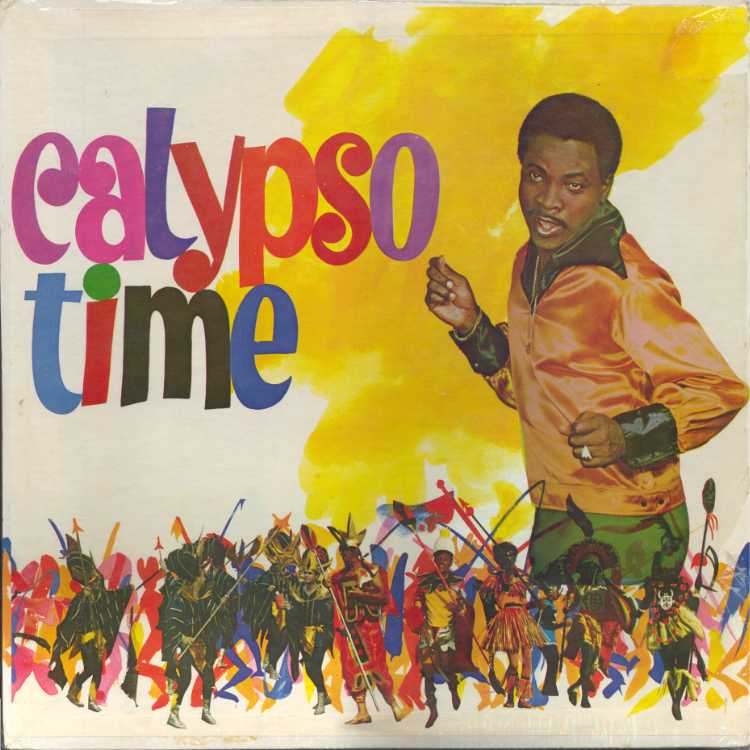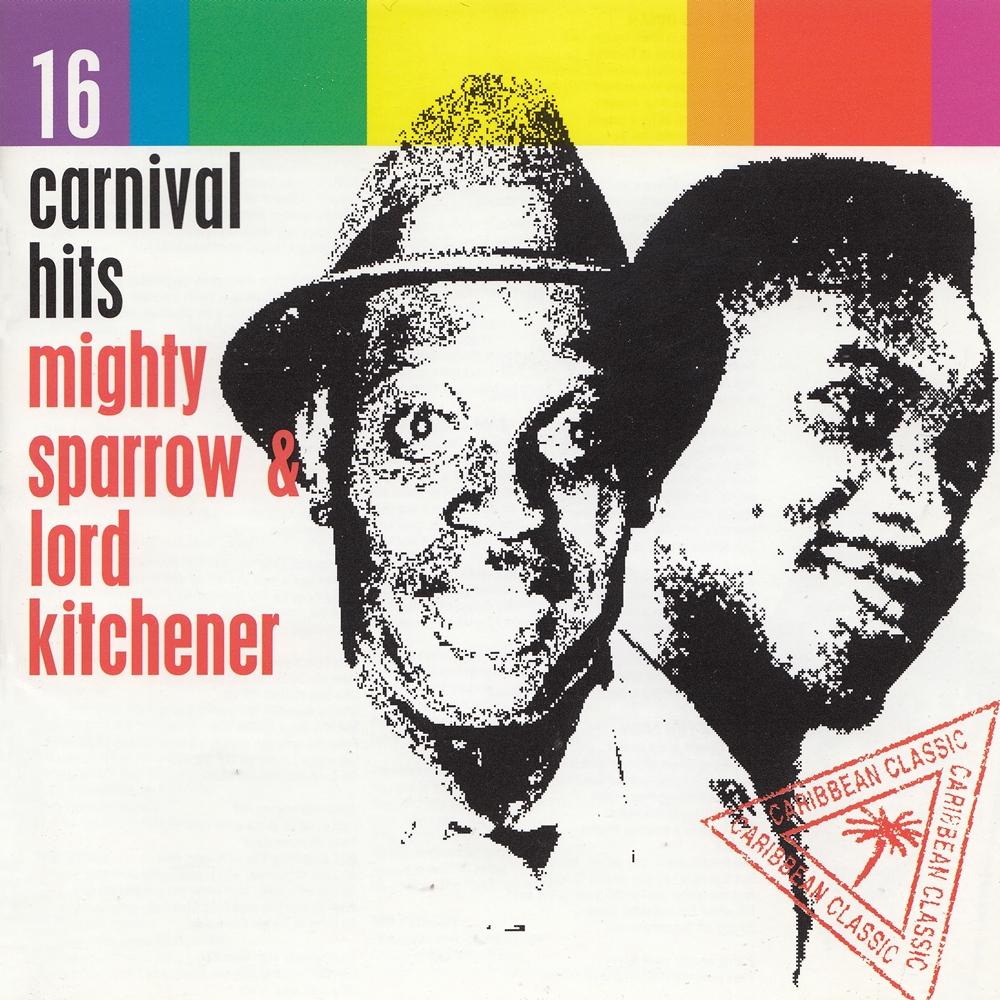
Biography
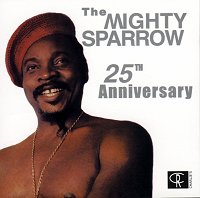
Mighty Sparrow: the calypso king who changed Caribbean music
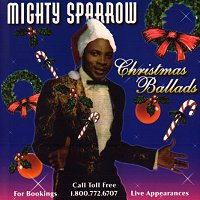
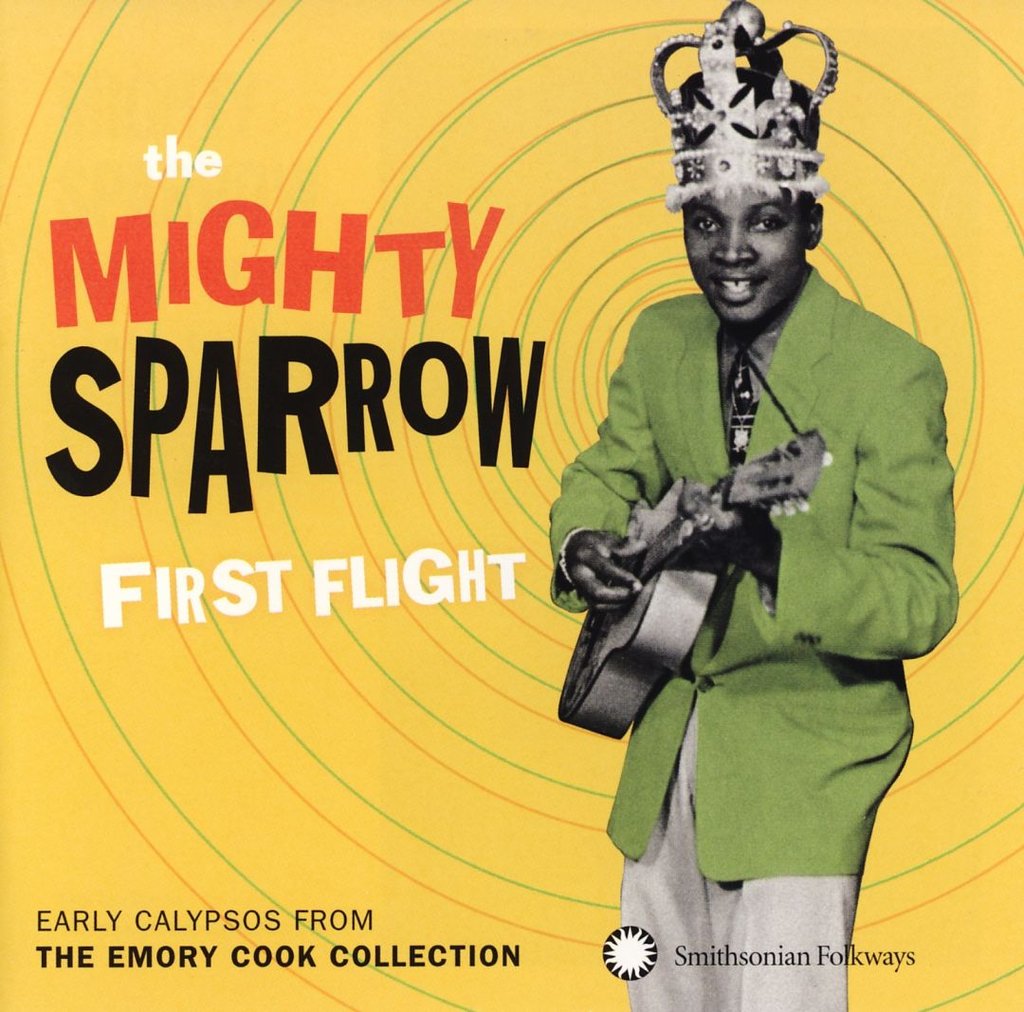
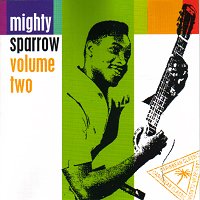
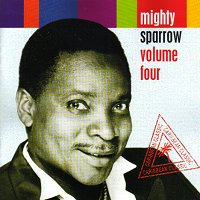
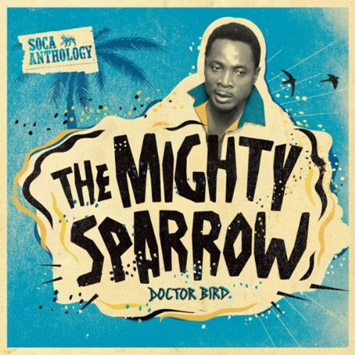
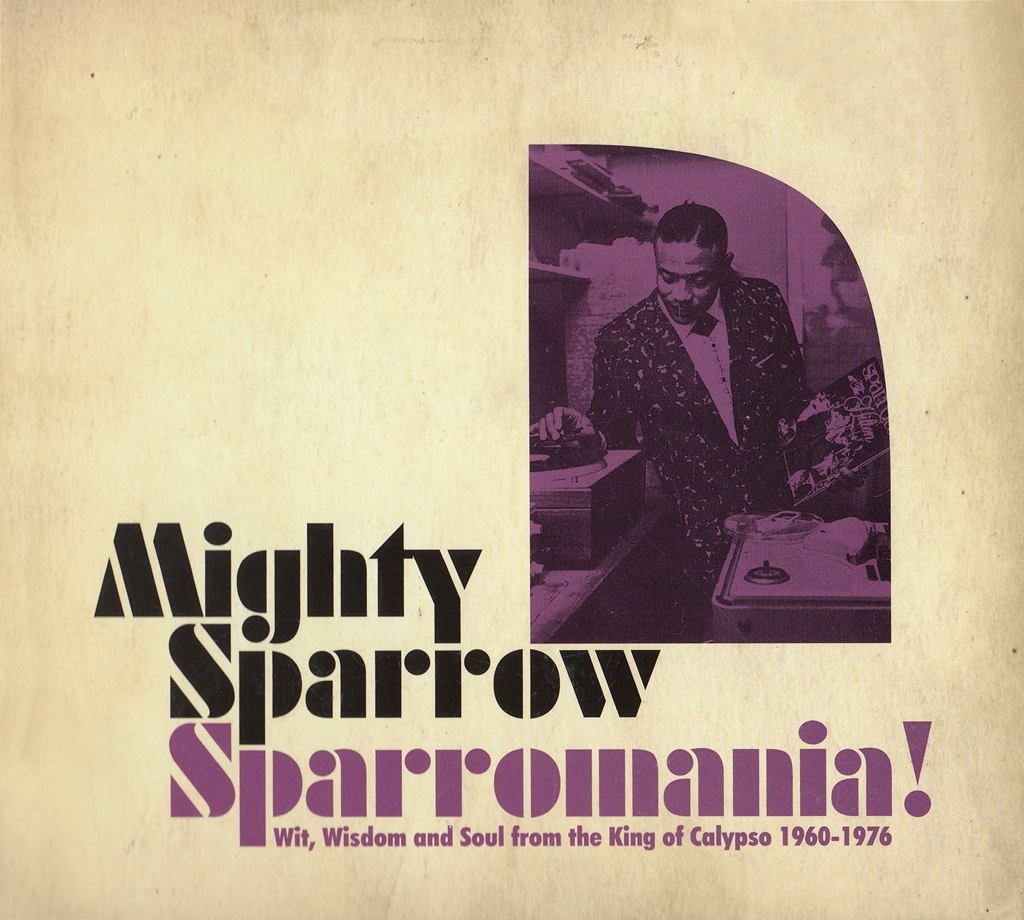
In 1956, at age 20, a young man stepped onto the stage during the Trinidad Calypso Monarch competition. Mistakenly introduced as Lord Melody — his idol — he first performed a song by Melody to the laughter of the crowd, then immediately followed with his own composition. The audience erupted. The song, “Jean and Dinah”, celebrated the departure of American soldiers from the island. The coup was secured: the track won both the Calypso King title and the Road March, an unprecedented double victory at the time. The boy from Laventille’s poor neighborhood, son of a Grenadian carpenter, had just reached the summit.
In brief
| Full name | Slinger Francisco |
| Birth | July 9, 1935, Grand Roy, Grenada |
| Death | September 27, 2026, New York |
| Genre | Calypso, soca |
| Notable works | “Jean and Dinah”, “Congo Man”, “Mae Mae”, “The Slave” |
| Awards | 8 times Calypso Monarch, 8 times Road March, OBE (2015), ORTT |
Key dates
| Year | Event |
|---|---|
| 1935 | Born in Grand Roy, Grenada, in a fishing village |
| 1937 | Moved to Trinidad; grew up in Laventille, Port of Spain |
| 1949 | At age 14, joined a steel band and performed at Carnival |
| 1956 | Double victory with “Jean and Dinah” — Calypso Monarch and Road March |
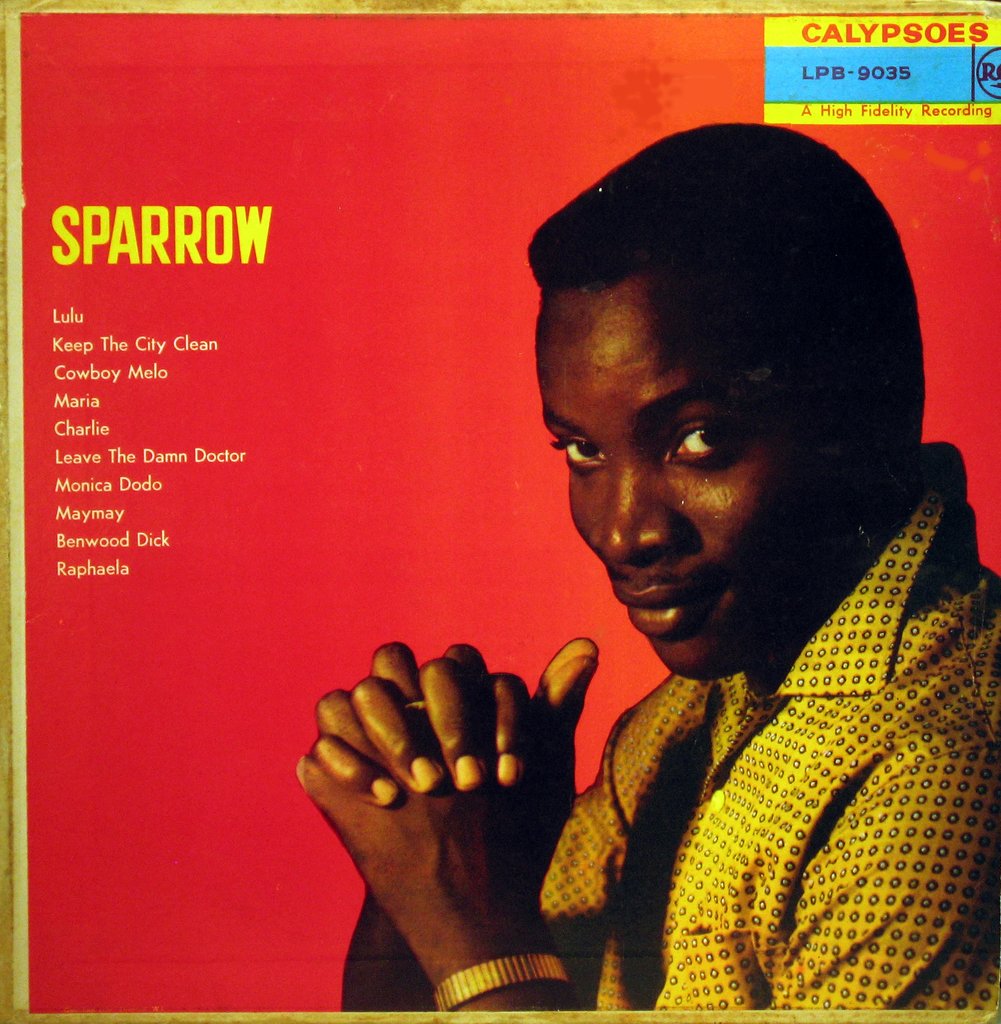
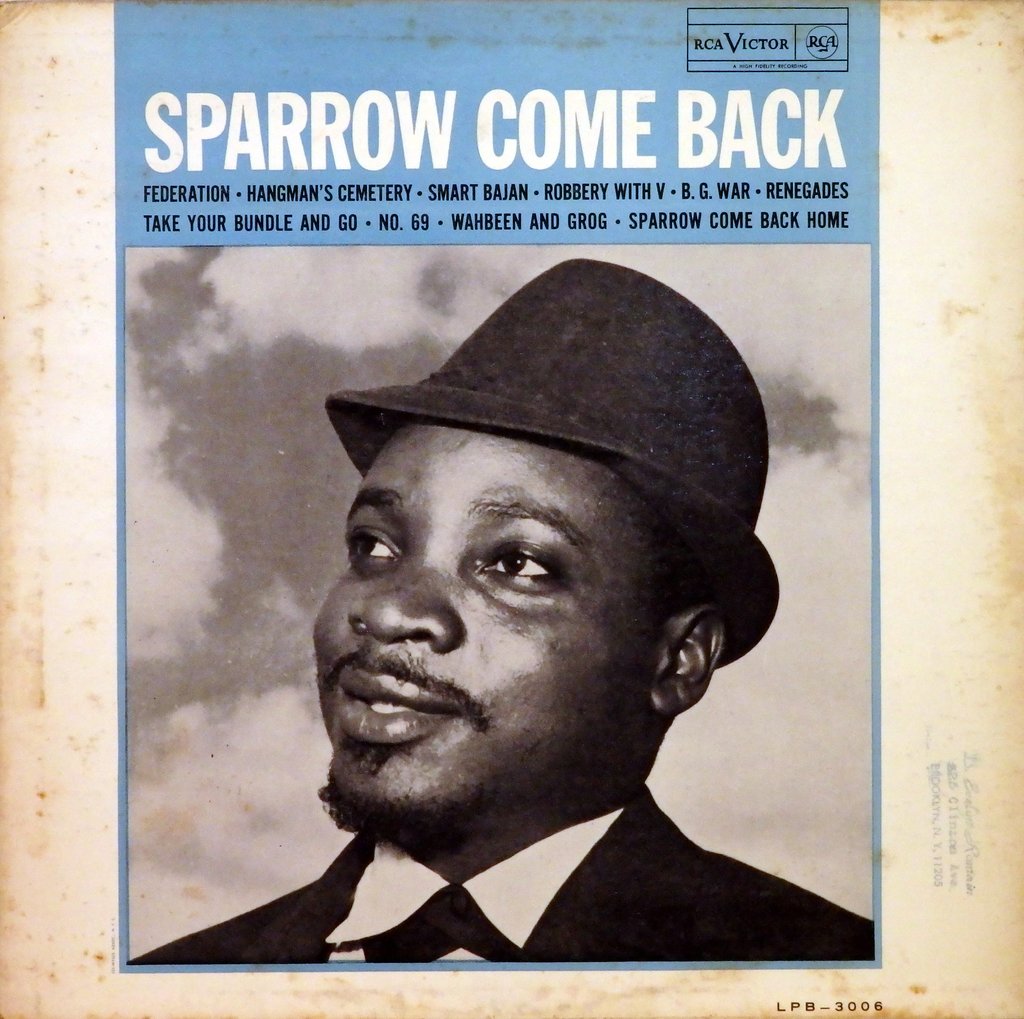
| 1960 | Returned to calypso royalty; signed with RCA Records |
| 1968 | International success with “Only a Fool Breaks His Own Heart” (with Byron Lee) |
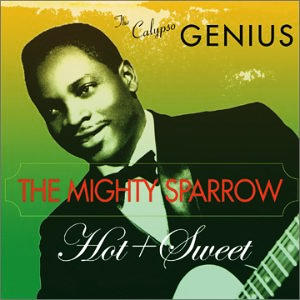
| 1974 | Album Hot and Sweet produced by Van Dyke Parks (Warner Bros.) |
| 2015 | Appointed Officer of the Order of the British Empire (OBE) |
| 2026 | Died in New York at age 91 |
From steelpan to the world stage
Slinger Francisco was born on July 9, 1935, in the fishing village of Grand Roy, Grenada. His father Rupert, a carpenter, had joined him in Trinidad, where oil revenues attracted thousands of small islanders. The family settled in Port of Spain, in the Laventille neighborhood. Clarissa, his mother, recounted that her labor pains began at four in the morning while she was dancing — a sign of her son’s musical vocation.
From childhood, Slinger sang in the Newtown Boys Catholic choir, where he became choir leader. He fell in love with Gregorian chants. At home, he imitated local calypsos on a “comb and paper”, influenced by Nat King Cole, Sarah Vaughan, and Frank Sinatra. He adopted the nickname “Little Sparrow” — “little sparrow” — because older singers mocked his frenetic jumps on stage, comparable to those of James Brown. The name stuck; “Mighty” would later come through popular acclaim.
His first stage appearance as a calypso singer dates back to 1954, with “The Parrot and the Monkey”. The 1956 victory came with a prize of only $40 — double that of the Carnival queen. Furious, Sparrow immediately wrote “Carnival Boycott”, a manifesto that led him to boycott the competition for three years. He would later claim credit for playing a role in improving conditions for musicians in Trinidad.
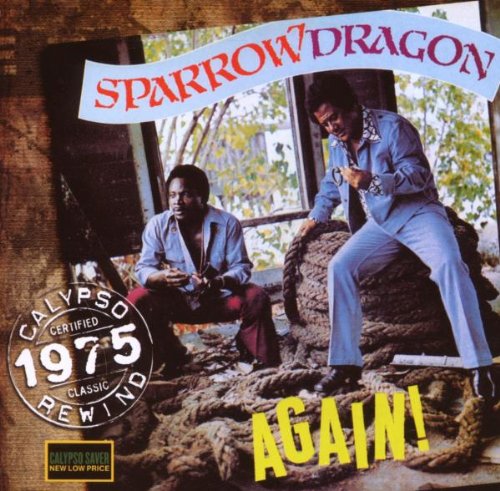
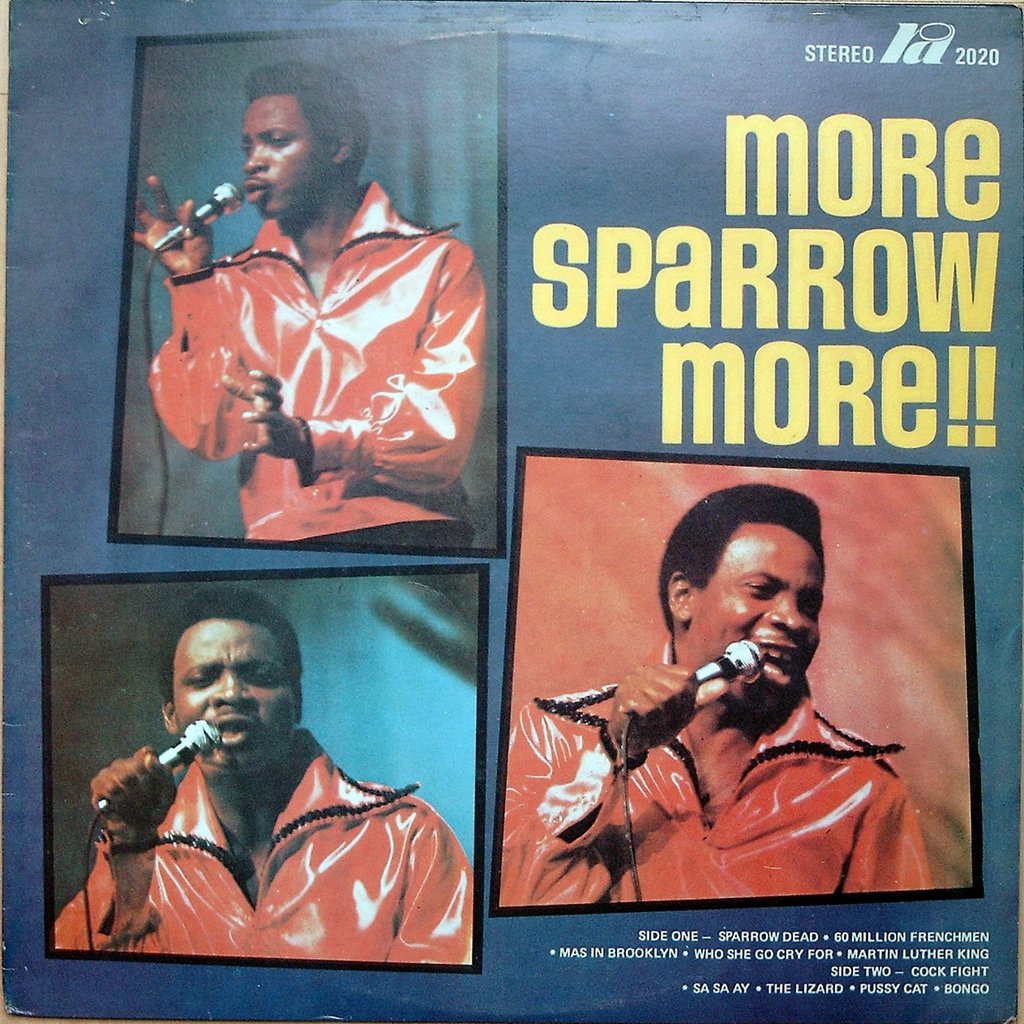
In 1960, he signed with RCA and released eleven albums over five years. He founded his label National Recording and thrilled the world with “Congo Man” (1965), a song that hid under a festive tune a sharp satire of racial and sexual taboos — banned from the airwaves until 1989. He settled in Jamaica, Queens, and composed calypsos about New York life, including “Mas in Brooklyn” and “Crown Heights Justice”. With Byron Lee, he recorded Sparrow Meets the Dragon (1968); their cover of “Only a Fool Breaks His Own Heart” reached number 2 in the Netherlands in 1978 and earned a gold record.
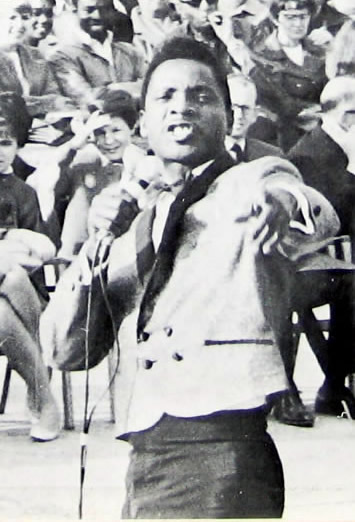
When soca — a blend of calypso, soul, and chutney — replaced calypso in the 1970s, Sparrow embraced the change. In 1984, he won his eighth Road March with “Doh Back Back”. Tour of West Africa where he received the title Chief Omo Wale of Ikoyi, appearance at Reggae Sunsplash in 1993, support for Obama’s campaign in 2008 with “Barack the Magnificent”. Bob Marley confessed to a friend: “When I heard Mighty Sparrow sing The Slave, I knew what I wanted to do with my music” (translated from English). Over 500 calypsos and 70 albums to his credit, his career ended neither in recognition nor in silence.
Major works
| Work | Year | Why it’s essential |
|---|---|---|
| “Jean and Dinah” | 1956 | Double Calypso Monarch and Road March; iconic anthem |
| “Carnival Boycott” | 1957 | Social manifesto that improved conditions for calypsonians |
| “Congo Man” | 1965 | Masterpiece of double entendre: racial satire disguised as a party tune |
| “The Slave” | 1964 | Anthem on slavery that inspired Bob Marley |
Legacy and influence
Mighty Sparrow elevated calypso to the status of major art, making Caribbean music a vehicle for political consciousness and popular celebration. His blend of lyrical finesse, humor, and rigor paved the way for generations of artists, from Bob Marley to Machel Montano, who reworked “Congo Man” in 2008. He leaves behind more than 500 calypsos and 70 albums.
Sources and references
- “Mighty Sparrow obituary”, The Guardian, https://theguardian.com/music/2026/sep/28/mighty-sparrow-obituary, accessed October 21, 2026.
- “The Mighty Sparrow” (detailed biography), Wikipedia (EN), https://en.wikipedia.org/wiki/The_Mighty_Sparrow, accessed October 21, 2026.
- “Mighty Sparrow: the king of calypso on freedom, Windrush and oral sex”, The Guardian, https://theguardian.com/music/2018/nov/16/mighty-sparrow-the-king-of-calypso-on-freedom-windrush-and-oral-sex, accessed October 21, 2026.
- “Slinger Francisco ORTT CM OBE”, Wikipedia (FR), https://fr.wikipedia.org/wiki/Mighty_Sparrow, accessed October 21, 2026.
- « Mighty Sparrow — Biography, Discography, Albums & Expert Reviews », AllMusic, https://www.allmusic.com/artist/mighty-sparrow-mn0000477523, accessed October 21, 2026.
- « Mighty Sparrow », Smithsonian Folkways Recordings, https://folkways.si.edu/artist/mighty-sparrow, accessed October 21, 2026.
- « Trinidadian Calypso Singer Was 91 », Billboard, https://billboard.com/music/music-news/mighty-sparrow-death-calypso-1236349311, accessed October 21, 2026.