Biography
Morgan Heritage
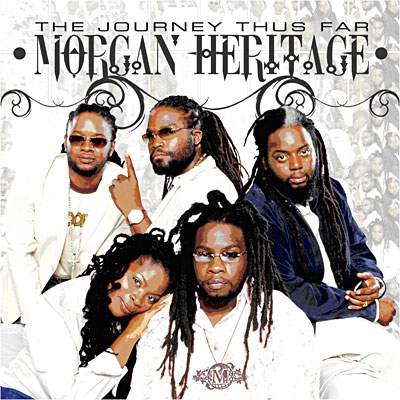
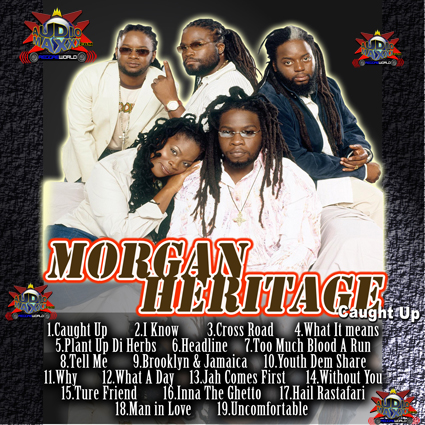
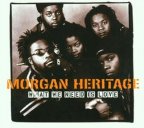
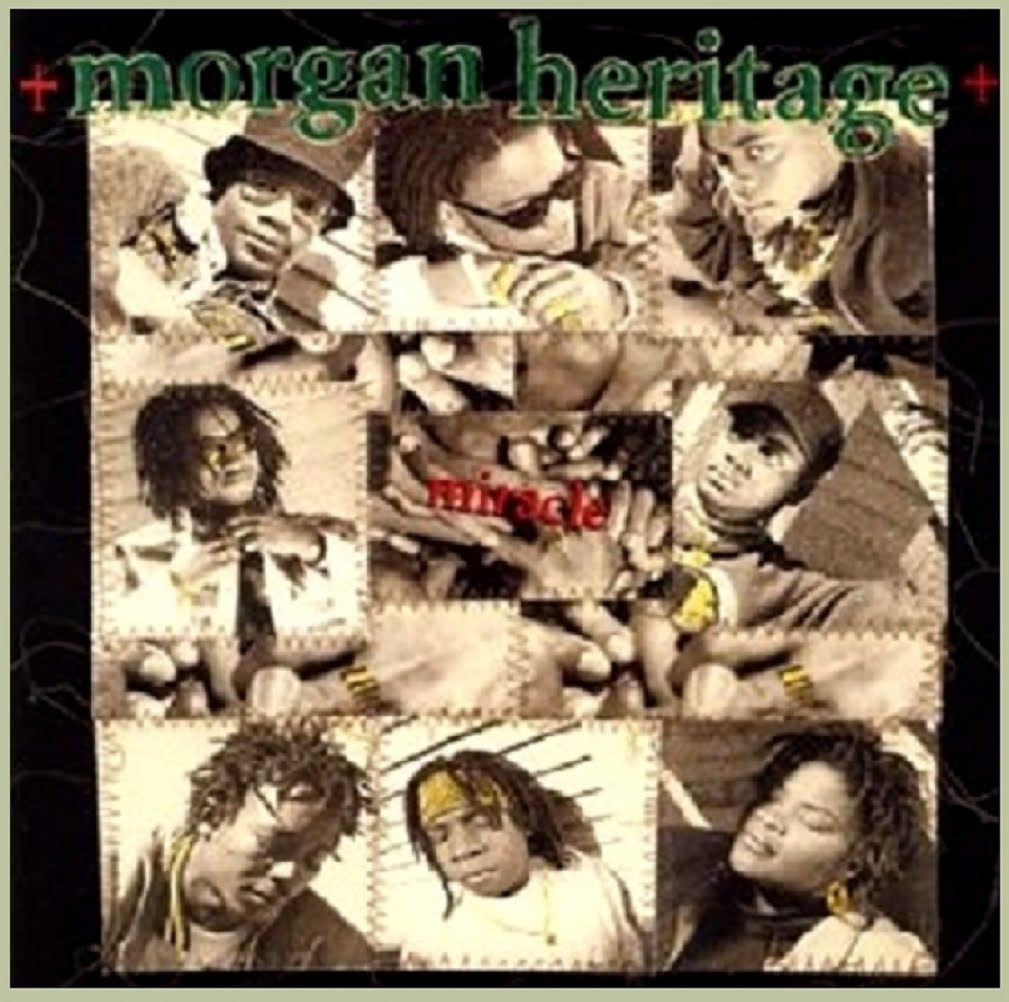
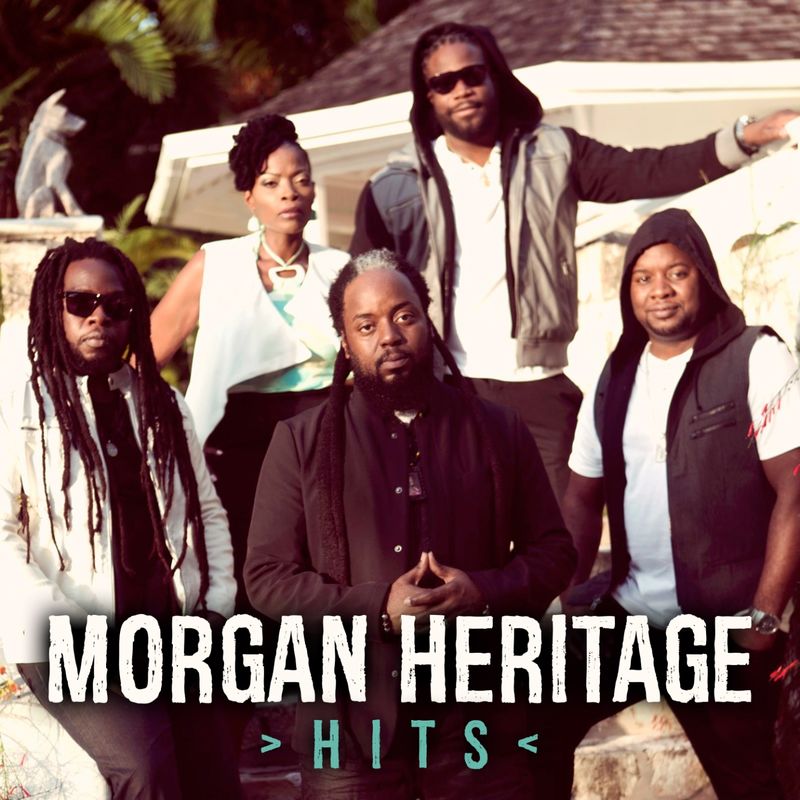
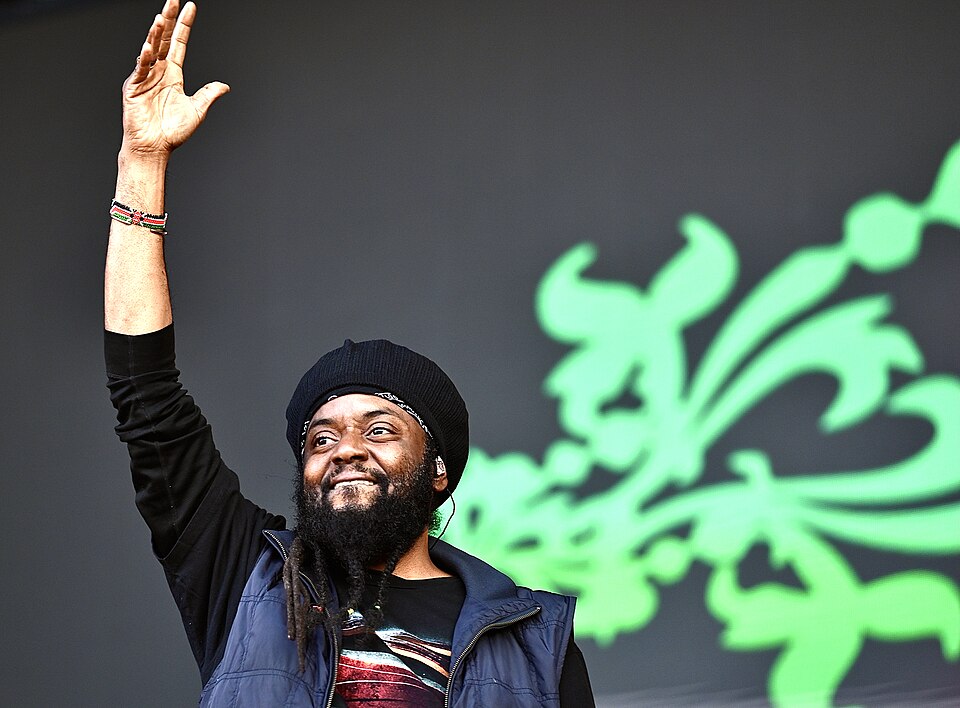
In 1994, five siblings took the stage at Reggae Sunsplash in Montego Bay. Their first album, Miracles, released a year earlier, had been received coldly by the Jamaican press, which deemed it too pop. But that night, the audience understood: the lineage of Denroy Morgan, an American singer of Jamaican origin, was set to redefine 2000s reggae. Four decades and a Grammy later, Morgan Heritage embodies a vision defined by Gramps Morgan as follows: “In reggae, we tell the stories of people who suffer” (translated from English), blending roots, spirituality, and a global outlook.
In Brief
| Band Name | Morgan Heritage |
| Origin | Brooklyn (New York), Springfield (Massachusetts), Jamaica |
| Genre | Reggae (roots, lovers rock, nu-roots) |
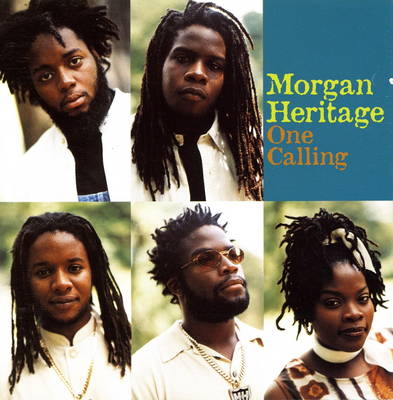
| Founding Members (1994) | Peter “Peetah” Morgan (vocals), Una Morgan (keyboards/vocals), Roy “Gramps” Morgan (keyboards/vocals), Nakhamyah “Lukes” Morgan (guitar), Memmalatel “Mr. Mojo” Morgan (percussion/vocals) |
| Fathers/Founders of the Band | Denroy Morgan, American Jamaican reggae singer |
| Major Distinction | Grammy Award — Best Reggae Album, 2016 |
Key Dates
| Year | Event |
|---|---|
| 1994 | Band formation; release of Miracles (MCA); first stage appearance at Reggae Sunsplash |
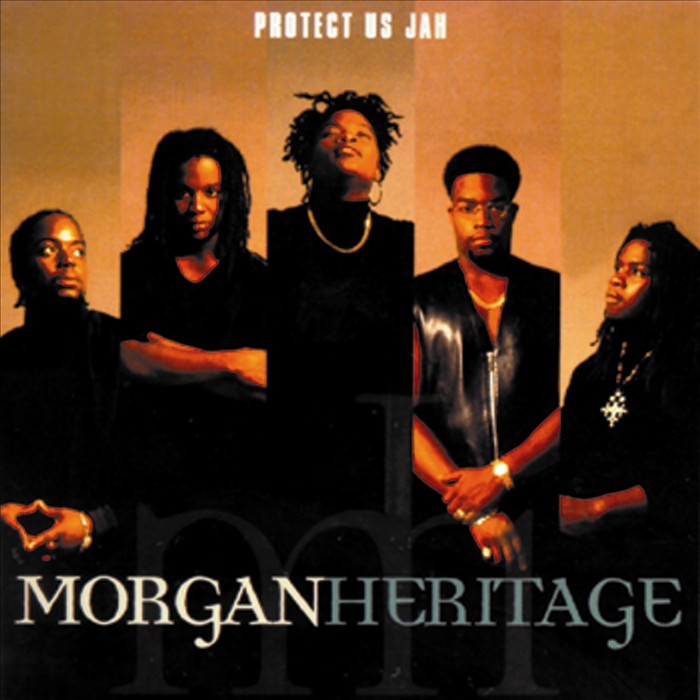
| 1997 | Protect Us Jah (VP Records), first roots album with Bobbie Dixon |
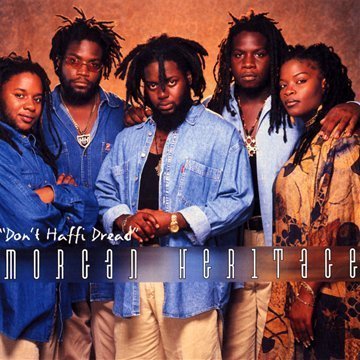
| 1999 | Don’t Haffi Dread, controversial landmark album |
| 2001 | Participation in Vans Warped Tour; More Teachings |
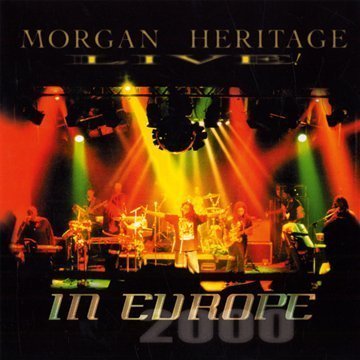
| 2005 | Full Circle; major tours in Africa and Europe |
| 2009 | Temporary breakup; solo projects |
| 2013 | Here Come the Kings on VP Records |
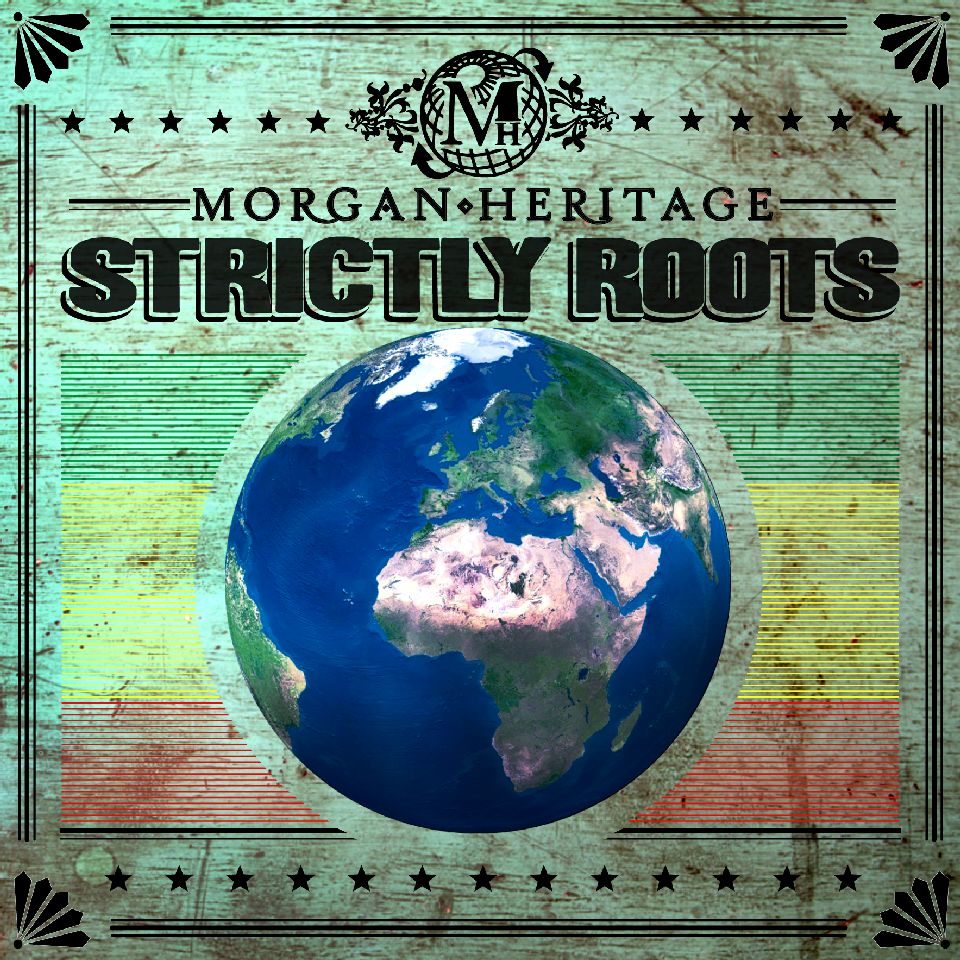
| 2016 | Grammy Award — Strictly Roots wins Grammy for Best Reggae Album |
| 2018 | Nominated for Grammy for Avrakedabra |
| 2024 | Death of Peter “Peetah” Morgan at age 46 |
A Family, A Sound
The story of Morgan Heritage begins in the home of Denroy Morgan, a reggae singer who settled in the United States in the 1970s. Between Brooklyn and Springfield in Massachusetts, his children grew up rocked by Bob Marley, funk, gospel, and American pop. When the time came for them to sing in turn, the goal was clear: carry their father’s legacy and make it heard in Jamaica, the birthplace of reggae.
Miracles (1994) did not vindicate them: the Jamaican press described their sound as sterile reggae, soulless[^1]. The band moved to Jamaica, signed with VP Records, and surrounded themselves with the island’s best producers — Bobby Dixon and Lloyd “King Jammy” James. The transformation was rapid. Protect Us Jah (1997) sounded like a renewal, with tracks like “Exalt Jah” and “What Man Can Cry”.
But it was Don’t Haffi Dread (1999) that propelled the band to the forefront. The title, which can be translated as “it is not necessary to wear locks to be Rasta,” caused a real scandal[^2]. Morgan Heritage asserted that spiritual identity takes precedence over appearance, a stance that divided the Rasta community and placed the band as leaders of a more inclusive reggae. The record sold, and the subsequent tour was a triumph.
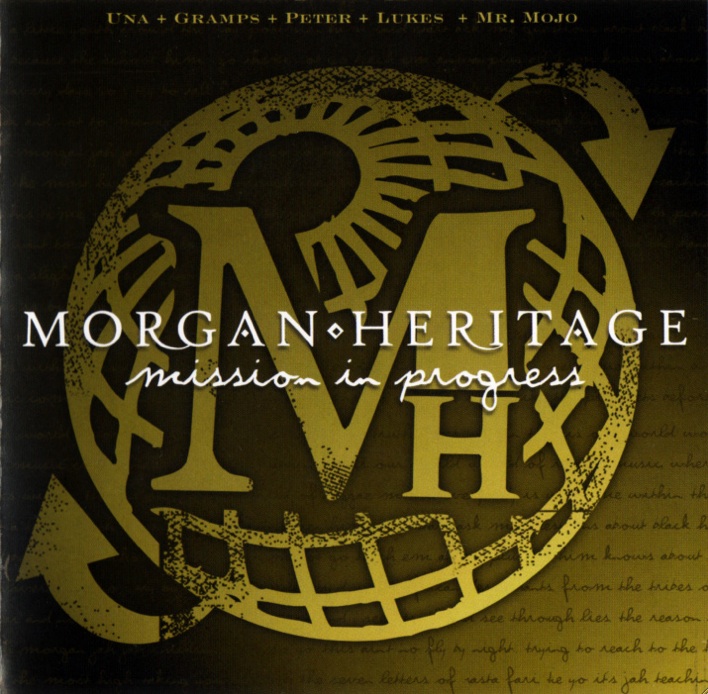
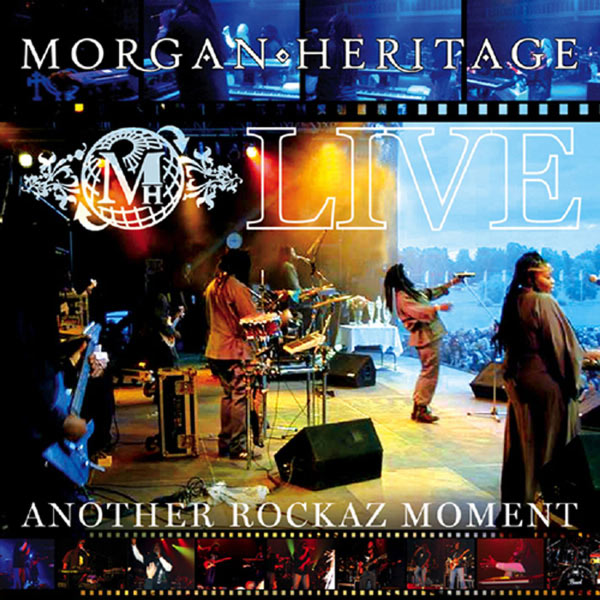
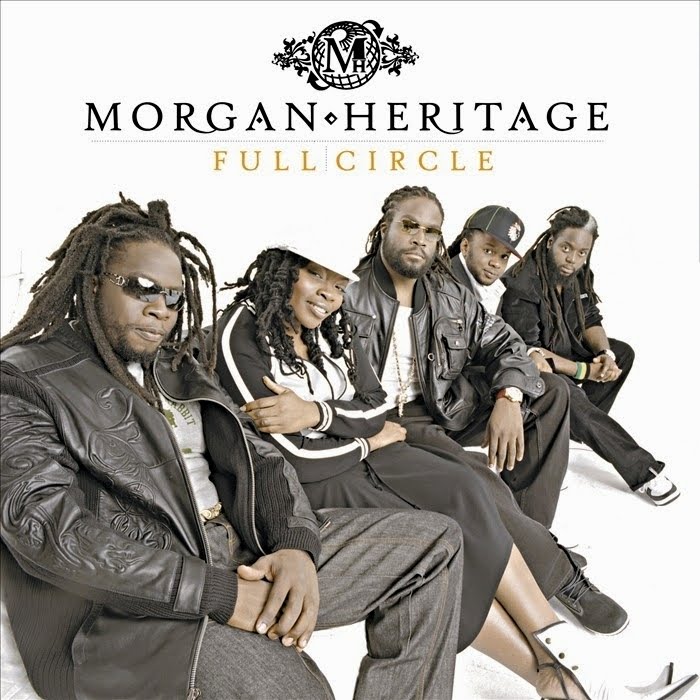
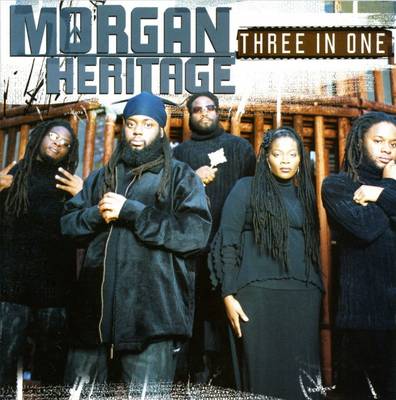
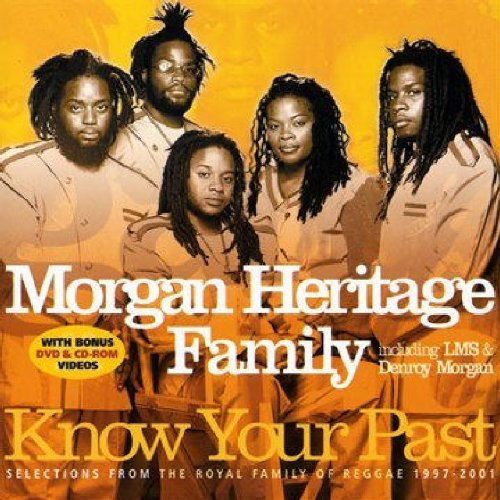
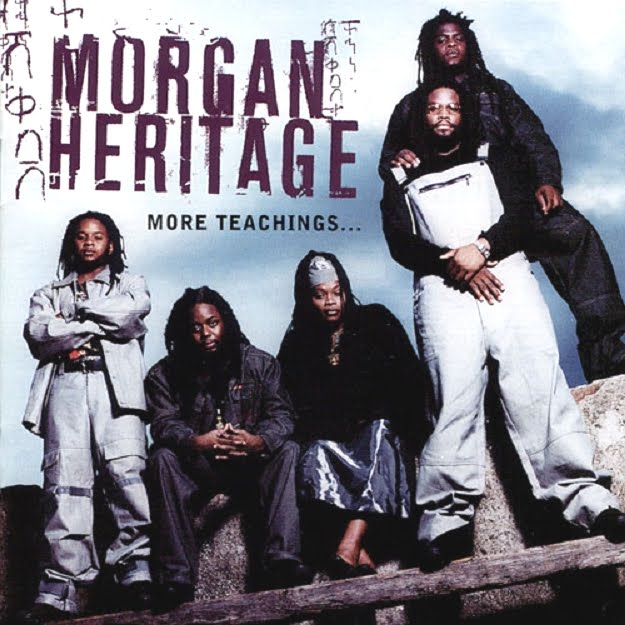
The following years saw the band perform on the world’s biggest stages. With More Teachings (2001), Three in One (2003), and Full Circle (2005), they affirmed a nu-roots identity: rooted reggae roots, open to R&B, hip-hop, and African rhythms. Mission In Progress (2008) sounded like a milestone. A best-of was released in 2009, followed by each member launching a solo career[^3].
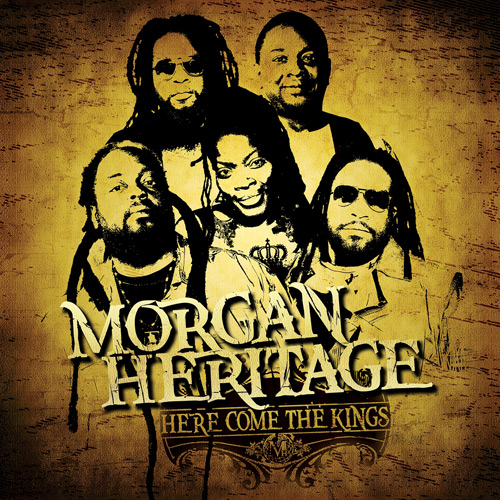
In 2012, the single “The Return” announced a renaissance. Here Come the Kings (2013) confirmed that the family had not aged, but matured. In 2015, Strictly Roots entered the Grammy Museum[^4]. The following year, Morgan Heritage won the Grammy Award for Best Reggae Album — the crowning of a career built on the conviction that music is transmission. Avrakedabra (2017), produced by Shannon Sanders, received a new Grammy nomination in 2018[^5]. The death of Peetah Morgan, lead singer, in February 2024 shook the reggae world[^6]. The dynasty continues: Jemere Morgan, grandson of Denroy, joined the line-up in 2025[^7].
Major Works
| Work | Year | Why It Is Essential |
|---|---|---|
| Don’t Haffi Dread | 1999 | The album that established the band’s status; a manifesto on Rasta identity that divides and conquers[^2] |
| Full Circle | 2005 | Peak of the nu-roots sound: roots, R&B, and African rhythms in perfect harmony[^4] |
| Strictly Roots | 2015 | Grammy-winning album, blending classic roots, dancehall, soul, and global styles[^4] |
| Avrakedabra | 2017 | Grammy nomination, world music production with international collaborations[^5] |
Legacy and Influence
Morgan Heritage proved that a family band could span generations without becoming static. Their music — based on three-part harmonies reminiscent of The Wailers — is studied in reggae musicology courses[^4]. They paved the way for the nu-roots movement, a current later popularized by artists like Chronixx and Slightly Stoopid. The label Cool To Be Conscious Music Group, founded by the family, continues to support young artists[^4].
Following Peetah’s death, Morgan Heritage is no longer just a band: it is a living monument. Their journey, from Brooklyn to Jamaica, passing through East African festivals, illustrates reggae’s capacity to bridge two shores of the Atlantic — and two continents.
Sources and References
- “Morgan Heritage Returns”, Jamaica Observer, https://www.jamaicaobserver.com/entertainment/Morgan-Heritage-returns_11332931, accessed November 3, 2026.
- Sacha Grondeau, “Morgan Heritage, biography”, Reggae.fr, https://reggae.fr/artiste-biographie/37_Morgan-Heritage.html, accessed November 3, 2026.
- « Curated Biography by The Reggae Museum », The Reggae Museum, https://thereggaemuseum.com/morgan-heritage-the-royal-family-of-reggae/, accessed November 3, 2026.
- « Morgan Heritage », VP Records, https://www.vprecords.com/artist/morgan-heritage/, accessed November 3, 2026.
- « Morgan Heritage Grammy Awards and Nominations », Grammy.com, https://www.grammy.com/artists/morgan-heritage/19468/, accessed November 3, 2026.
- « “Peetah” Morgan: Reggae singer dies at 46 », AP News, https://apnews.com/article/peter-peetah-morgan-heritage-died-498e31c35493a67eaf53a405d34f4976, accessed November 3, 2026.
- Angus Taylor, « Interview: Morgan Heritage, The Return », United Reggae, https://unitedreggae.com/articles/n1065/082812/interview-morgan-heritage-the-return, accessed November 3, 2026.
- « Morgan Heritage », Wikipedia EN, https://en.wikipedia.org/wiki/Morgan_Heritage, accessed November 3, 2026.
- « Review: Morgan Heritage - Strictly Roots », World Reggae, https://www.worldareggae.com/releases/new-albums/review-morgan-heritage-strictly-roots/, accessed November 3, 2026.