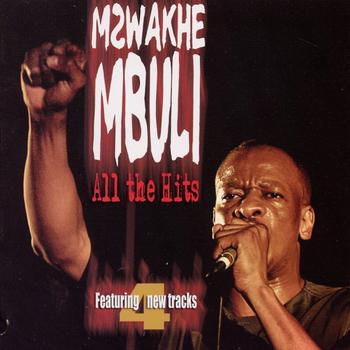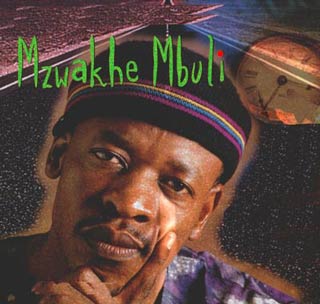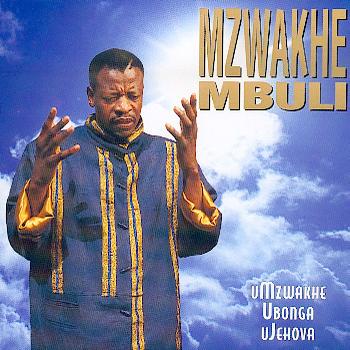
Biography
Mzwakhe Mbuli: The Poet Who Defied Apartheid
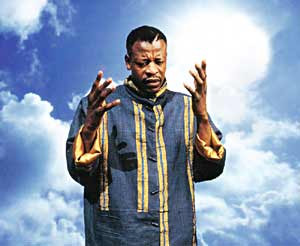
On June 16, 1976, Mzwakhe Mbuli was a high school student in Sophiatown when he witnessed the Soweto uprising. Classmates fell, his school went on strike, and he began writing poems. He describes this event as a “God’s miracle” in his memoirs, for it forged his commitment. Nearly forty years later, this imposing man (1 m 80) remains one of the most powerful voices of South African cultural resistance.
In Brief
| Full Name | Mzwakhe Mbuli |
| Birth | August 1, 1959, Sophiatown, Johannesburg (South Africa) |
| Field | Spoken word poetry, mbaqanga, marabi; anti-apartheid activist |
| Signature Works | Change Is Pain, Unbroken Spirit |
| Nickname | “People’s Poet”; the security police nicknamed him die long man |
Key Dates
| Year | Event |
|---|---|
| 1959 | Birth in Sophiatown; father Zulu (Elijah Katali), mother Xhosa (Roselinah Msuthukazi) |
| 1966 | Forced relocation to Soweto after the demolition of Sophiatown |
| 1976 | Soweto uprising; beginning of poetic writing |
| 1981 | First major stage performance: reciting the poems “Sies” and “Ignorant” at Abbé Castro Moyathula’s memorial concert |
| 1986 | Release of Change Is Pain, immediately banned by apartheid |
| 1987-1988 | Detention and six months of solitary confinement; composition in prison of Unbroken Spirit |
| 1989 | Unbroken Spirit, certified gold without radio play |
| 1990 | International debut in Berlin; Europe/USA tour |
| 1994 | Presentation of Nelson Mandela at the presidential inauguration in Pretoria |
| 1997-2003 | Controversial conviction for bank robbery; incarceration at Leeuwkop (13 years, reduced to 10) |
| 2004+ | Release after presidential pardon; continuation of artistic career |
The Birth of a Fighting Poet: From Sophiatown to Prison, Up to the Inauguration
Mzwakhe Mbuli grew up in Sophiatown, a multicultural neighborhood of Johannesburg, in a family where music was part of daily life. His father took him to mbube sessions — traditional Zulu harmonic singing led by workers. He attended Zulu dance and music events, as well as praise poets (izibongo) who honored chiefs. This sonic education forged his art long before he touched a microphone.
The June 16, 1976 Soweto uprising marked a brutal turning point. He joined the cultural movement born from the uprising: street theater groups and accessible oral poetry speaking to the community’s suffering. He joined Khuvhangano, his first group, and began performing for the South African Students’ Congress (COSAS). In 1981, he recited “Sies” and “Ignorant” at Abbé Castro Moyathula’s memorial concert. His remarkable performance earned him a recall to the Regina Mundi church, and he became a regular at political funerals during the 1980s. His poems, in English but nourished by Zulu rhythms, were rapid incantations capturing the atmosphere of funerals for assassinated activists. “I have a message, and it is not only confined to South Africa,” he declared to Kirsten Holst Petersen in 1991.
In 1986, Shifty Records allowed him to record Change Is Pain, an album blending spoken word, reggae, and dub. He conceived it as an archive of his voice in case he disappeared into the surrounding violence. The album was immediately banned by the apartheid regime for its subversive content. The security police nicknamed him die long man (the big talker). He was detained multiple times, interrogated, and placed in solitary confinement for six months in 1988. In that cell, he composed and memorized the poems of Unbroken Spirit, released in 1990, which became a gold record without radio play — an achievement in a country where airwaves were under state control.
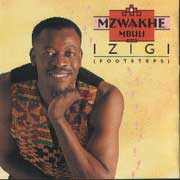
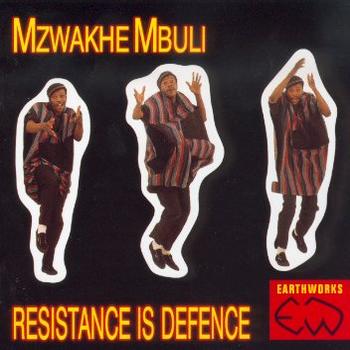
The fall of apartheid opened a new era. In 1990, he shared the stage in Berlin with Youssou N’Dour, Miriam Makeba, and Thomas Mapfumo. Resistance Is Defence (1992), on the Earthworks label, opened doors for tours in the USA and Europe. He returned to South Africa under contract with CCP/EMI, working with legendary producer West Nkosi. Afrika (1993) and Izigi (1994) confirmed his stature. On May 10, 1994, he presented Nelson Mandela at the inauguration in Pretoria.
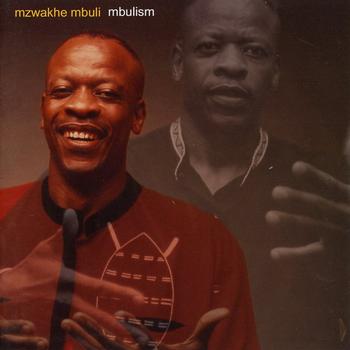
In 1996, unknown assailants attempted to assassinate him by shooting at his car. “I was framed by the police and this conspiracy involves powerful people,” he wrote to Village Voice in 1999, contesting this bank robbery conviction which he considered a new political repression. Convicted on March 29, 1999 (which he contested), he served his sentence at Leeuwkop. Released after a presidential pardon, he published Mbulism in 2004 and explored, in Patriotic Love, a less militant but equally committed poetry.
Major Works
| Work | Year | Why It’s Essential |
|---|---|---|
| Change Is Pain | 1986 | Album banned by apartheid; title poem became a resistance anthem |
| Unbroken Spirit | 1989 | Gold record, composed in prison cells |
| Resistance Is Defence | 1992 | Discovery by the international public (Earthworks Records) |
| Izigi | 1994 | Synthesis of mbaqanga and spoken word (producer West Nkosi) |
Legacy and Influence
Mzwakhe Mbuli embodies a generation of South African cultural fighters whose spoken word poetry served as political weapons. He showed that popular art — mbube, marabi, kwela, mbaqanga — could carry revolutionary messages without renouncing its roots. Beyond his assassination attempts, prison, and media obscurity, he remains an incomparable figure: poet, activist, survivor. His legacy lives in hundreds of thousands of souls who believe that change is not pain, but a duty.
Sources and References
- « Mzwakhe Mbuli », South African History Online, https://sahistory.org.za/people/mzwakhe-mbuli, accessed 15 November 2026.
- « Mzwakhe Mbuli biography » by Craig Harris, AllMusic, https://www.allmusic.com/artist/mzwakhe-mbuli-mn0000935116.
- Kirsten Holst Petersen, « Mzwakhe Mbuli: The People’s Poet », Kunapipi Vol. 13, no. 1, University of Wollongong, 1991.
- Ron Sakolsky and Sheila Nopper, « Apartheid Justice », The Village Voice, 5 January 1999.
- « Mzwakhe Mbuli », South African Music Archive (music.org.za), http://www.music.org.za/artist.asp?id=123.
- « Mzwakhe Mbuli », ESAT, Stellenbosch University, https://esat.sun.ac.za/index.php/Mzwakhe_Mbuli.
- « Mzwakhe Mbuli: South Africa’s people’s poet », Al Jazeera, 27 August 2016.
- « Mzwakhe Mbuli », Wikipedia (English), https://en.wikipedia.org/wiki/Mzwakhe_Mbuli.