Biography
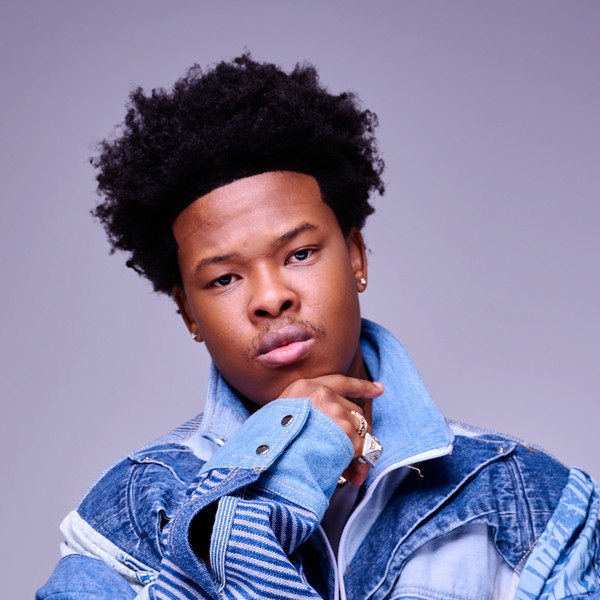
Nasty C
In September 2023, South African rapper Nasty C released I Love It Here, an introspective album about fatherhood and identity. At twenty-six, he has already built a discography that makes him one of Africa’s most-streamed artists.
In Brief
| Full Name | Nsikayesizwe David Junior Ngcobo |
| Stage Name | Nasty C (nickname “Ivyson”) |
| Birth | 11 February 1997, Diepkloof (Soweto), Johannesburg |
| Genre | South African hip-hop/rap, trap |
| Notable Works | Bad Hair (2016), Strings and Bling (2018), I Love It Here (2023) |
| Awards | Best SAMA Hip-Hop Album 2021, four Metro FM Music Awards, BET and MTV Europe nominations |
Key Dates
| Year | Event |
|---|---|
| 1997 | Birth in Diepkloof, Soweto; death of his mother in a car accident at 11 months |
| 2006 | Move to Durban; his brother Siyabonga teaches him music production at age 9 |
| 2012 | Release of first mixtape One Kid, a Thousand Coffins at age 15 |
| 2015 | Release of Price City and hit “Juice Back”; youngest Best Freshman winner at the South African Hip Hop Awards |
| 2016 | Release of Bad Hair, 24-hour streaming record; four Metro FM Music Awards including Song of the Year |
| 2018 | Release of Strings and Bling, triple platinum; two SAMAs and two AFRIMMA Awards |
| 2020 | Def Jam Records signing; Zulu Man with Some Power, Best SAMA Hip-Hop Album 2021 |
| 2023 | I Love It Here, number one in South Africa; Grammy Awards submission |
| 2025 | Departure from Def Jam, return to independence on Tall Racks Records; FREE number one on Apple Music |
Origins and Revelation — From Soweto to Durban
Nsikayesizwe David Junior Ngcobo was born on 11 February 1997 in Diepkloof, a township in Soweto. His childhood changed when his mother died in a car accident while he was only eleven months old. He moved to Durban to grow up with his father, David Maviyo Ngcobo, a human resources manager. His older brother Siyabonga opened the door to rap at fifteen; in 2006, Nasty C learned the basics of music production from him. Among his musical influences, Nasty C cites Lil Wayne and T.I. as foundational.
He earned his stage name through contact with his first producer. At 15, he independently released his first mixtape, One Kid, a Thousand Coffins (May 2012). Two years later, the EP L.A.M.E. arrived in April 2014. Social recognition came with Price City, the February 2015 mixtape, which exploded with the single “Juice Back”. This hit multiplied with a remix produced by Gemini Major, featuring Davido and Cassper Nyovest. At the 2015 South African Hip Hop Awards, the rapper won Best Freshman Award at age 18 — the youngest winner in the ceremony’s history.
Consolidation and International Expansion
In September 2016, Nasty C released Bad Hair, his first studio album. The record reached the top of South African charts and set a 24-hour streaming record. The deluxe version, Bad Hair Extensions, released in December 2016, added four new tracks and a collaboration with French Montana on “Allow”. At the 2017 Metro FM Music Awards, the album earned him four trophies, including Song of the Year for “Hell Naw” and a BET Awards nomination.
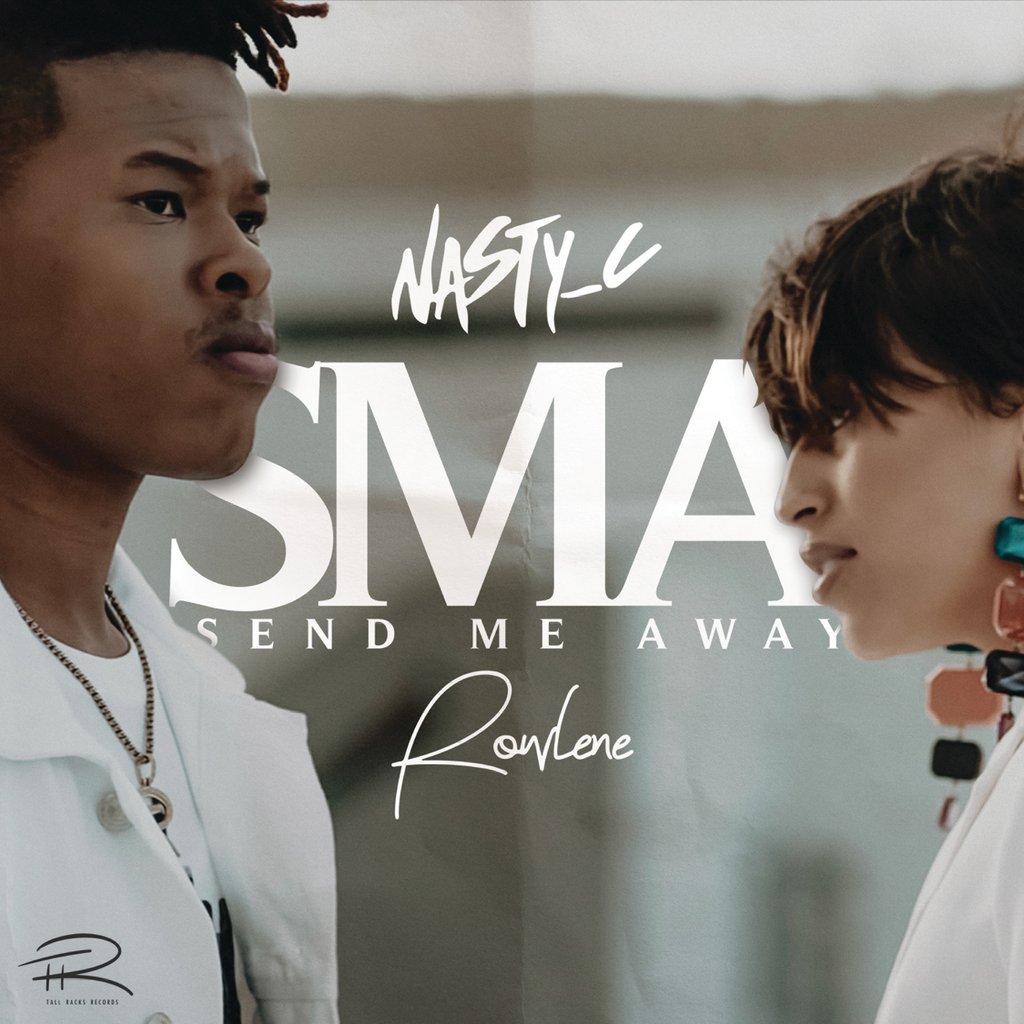
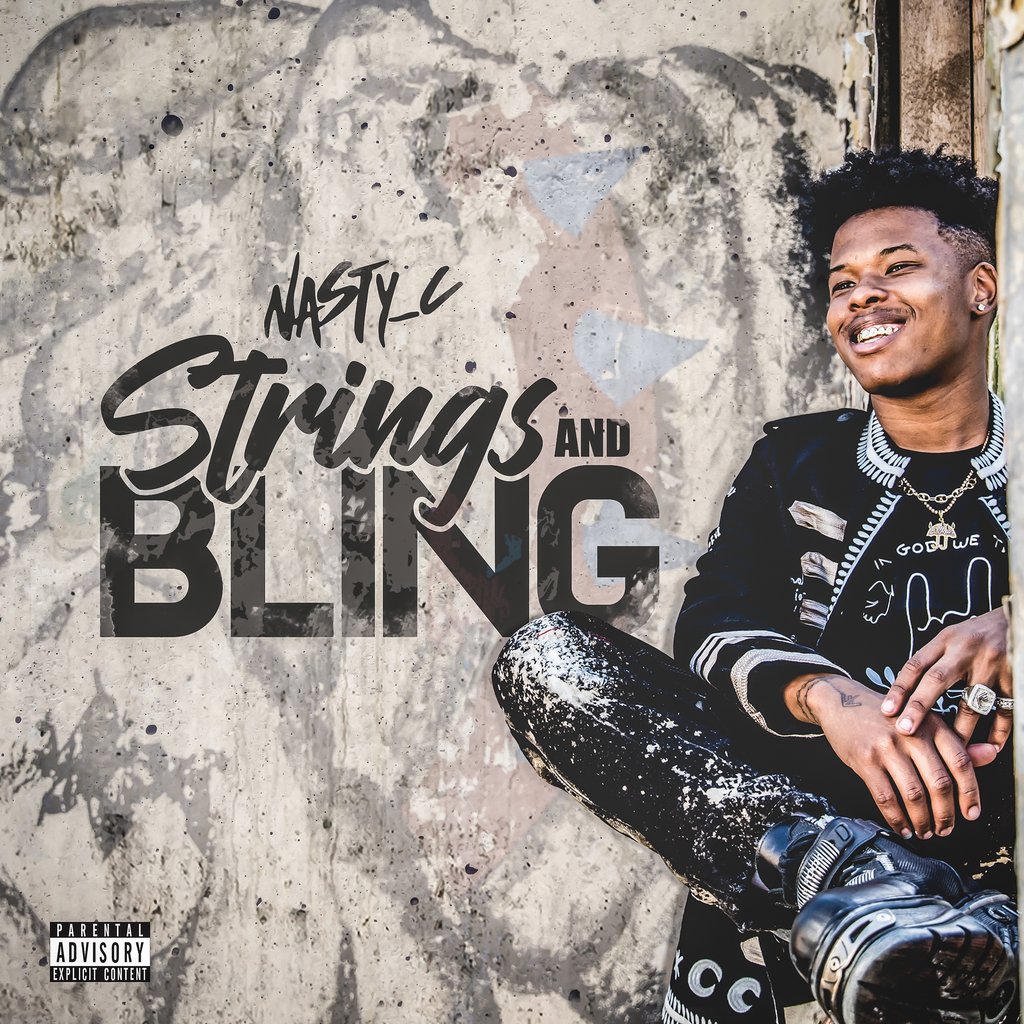
On 6 July 2018, Strings and Bling arrived via Universal Music South Africa. The album featured powerful singles — “Jungle”, “King” with A$AP Ferg, “Legendary”, and “SMA” — and reached the top of the charts. It earned triple platinum certification, two SAMAs, and two AFRIMMA Awards. In 2019, he became the only South African nominated for BET Hip Hop Awards in the Best International Flow category. His success drew attention beyond continental borders, and Nasty C established himself as one of the most-streamed artists on Apple Music in Africa for four consecutive years.
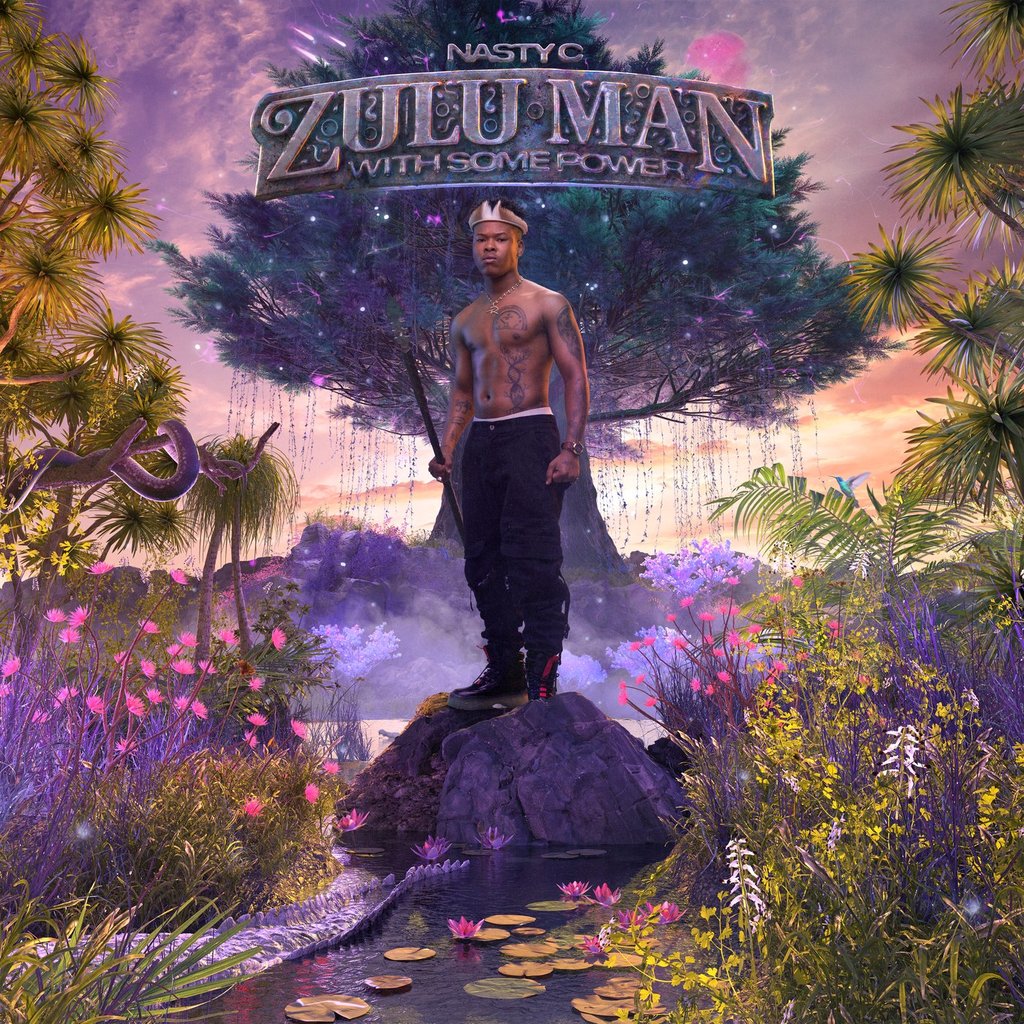
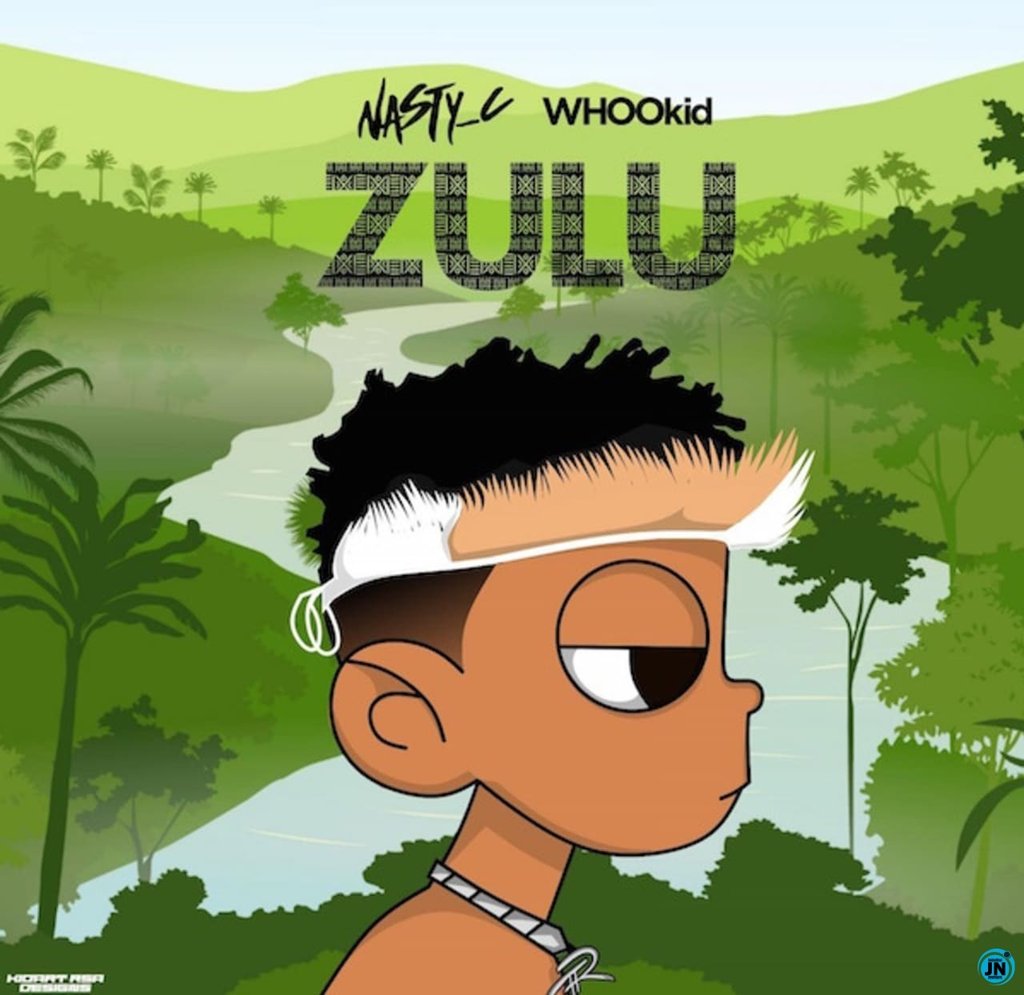
In March 2020, the rapper signed a co-distribution deal with Def Jam Records. “There They Go” became his first official single under the label, marking his entry into the American arena. His third album, Zulu Man with Some Power, was released on 28 August 2020. It featured collaborations with Ari Lennox, T.I., Lil Keed, and Lil Gotit, expanded his audience in the United States, and won Best Hip-Hop Album at the 2021 South African Music Awards.
Evolution, Fatherhood, and Independence
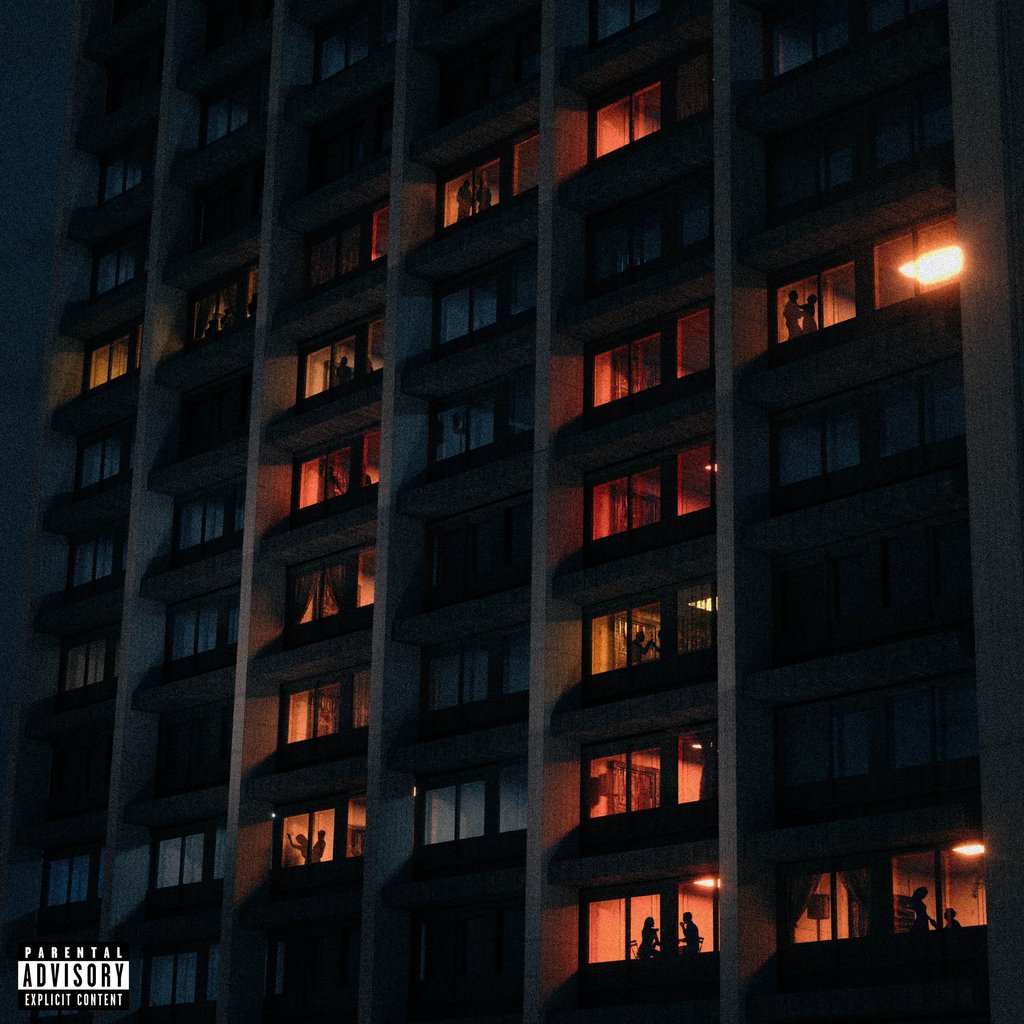
In September 2023, I Love It Here was released — his fourth studio album. Recorded on tour across a dozen countries, the project explores fatherhood (the birth of his son Oliver), Zulu identity, and artistic maturity. The album reached number one in South Africa, accumulated 1.4 million streams within 24 hours, and received an official submission for the 66th Grammy Awards. The album solidified his position as a major figure in continental hip-hop.
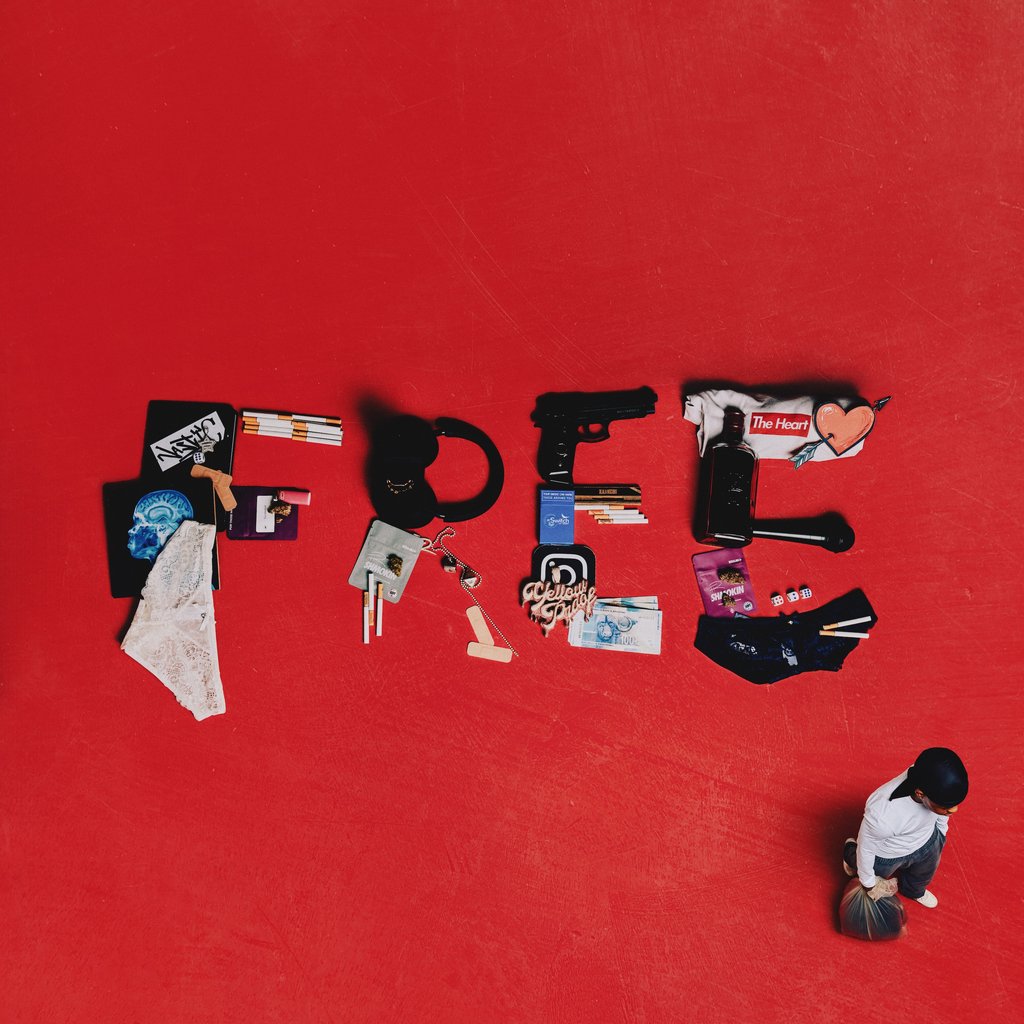
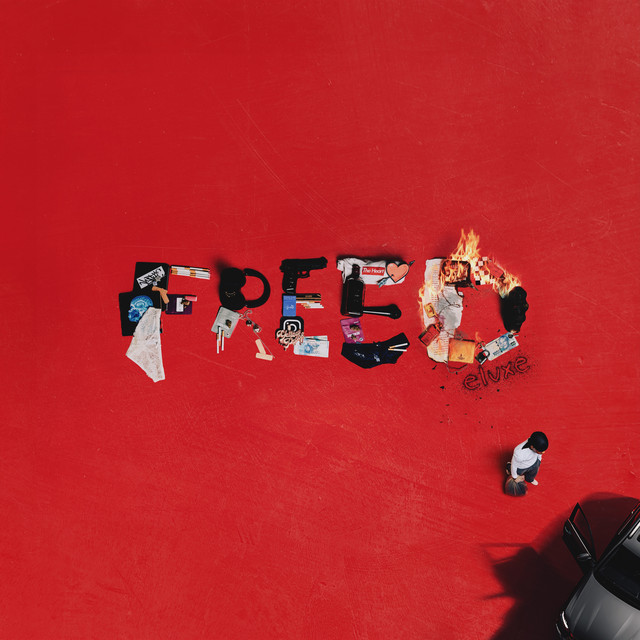
In 2024, Nasty C embarked on a European tour (Paris, London, Berlin) and multiplied collaborations. In 2025, he announced his departure from Def Jam and returned to full independence on his own label, Tall Racks Records. On 12 September 2025, he released FREE — certified number one on Apple Music in several countries. The South African rapper, nicknamed “The Coolest Kid in Africa”, has built a career that continually redefines the boundaries of continental hip-hop. He summarizes his philosophy thus: he does not chase his dream; he builds it.
Major Works
| Work | Year | Why It’s Essential |
|---|---|---|
| Bad Hair | 2016 | Breakthrough album that establishes Nasty C as the headliner of South African hip-hop |
| Strings and Bling | 2018 | Triple platinum, SAMAs, AFRIMMA; proof of a mature sound and international ambition |
| Zulu Man with Some Power | 2020 | Def Jam debut, American collaborations (Ari Lennox, T.I.), best SAMA hip-hop album |
| I Love It Here | 2023 | Introspective album on fatherhood and identity, number one in South Africa |
Legacy and Influence
Nasty C has contributed to projecting South African hip-hop onto the global stage. His approach—a blend of trap, linguistic rap in Zulu, and afro-rap—has paved the way for a new generation of continental rappers who claim their roots without commercial compromise. The success of I Love It Here in international circuits and his African Throne Tour demonstrate that South African rap has conquered audiences on every continent. Beyond music, he embodies a generational ambition: that of African artists who design their own careers, from production to distribution. With over 120 million streams and a constantly growing discography, Nasty C asserts himself as the voice of a hip-hop Africa that no longer asks for permission.
Sources and References
- “Nasty C”, Wikipedia (English version), https://en.wikipedia.org/wiki/Nasty_C, accessed November 10, 2026.
- “Nasty C — Biography”, AllMusic, https://allmusic.com/artist/nasty-c-mn0003491259/biography, accessed November 10, 2026.
- “Why Nasty C Is South Africa’s Best Bet For a Mainstream Crossover”, Billboard, https://billboard.com/music/rb-hip-hop/nasty-c-zulu-man-with-some-power-def-jam-debut-interview-9387544, accessed November 10, 2026.
- “Nasty C”, Afrisson, https://www.afrisson.com/nasty-c-20201, accessed November 10, 2026.
- “NASTY C” (promotional page), Bands.co.za, https://www.bands.co.za/nastyc_bands.htm, accessed November 10, 2026.
- “Nasty C, I Love It Here”, Afrocritik, https://afrocritik.com/i-love-it-here-review-nasty-c-revels-in-his-growth-on-new-album/, accessed November 10, 2026.
- “Nasty C — BIOGRAPHY”, Universal Music Japan, https://www.universal-music.co.jp/nasty-c/biography, accessed November 10, 2026.
- “Nasty C discography”, Wikipedia, https://en.wikipedia.org/wiki/Nasty_C_discography, accessed November 10, 2026.