Biography
Neba Solo
Mali, 1980s. In the village of Nebadougou, in southern Mali, a young man strikes the wooden keys of a balafon — this lamellophone with dried gourd resonators — so fast that neighbors say they see him playing it all by himself. He then adds three extra low keys to the frame, incorporating figures inspired by the reggae he listens to in secret. Centuries of Senufo tradition are suddenly transformed.
In brief
| Full name | Souleymane Traoré, aka Neba Solo |
| Birth | 1968/1969, Nebadougou (Sikasso region, Mali) |
| Field | Senufo balafon, Malian traditional music, world music |
| Notable works | Kené Balafons, “CAN 2002”, A Djinn and a Hunter Went Walking |
| Awards | Best artist at the Doudounba Top festival (1996), Best Malian ensemble of the year |
Key dates
| Year | Event |
|---|---|
| ~1968/69 | Birth in Nebadougou, into a Senufo peasant family from the Sikasso region |
| 1970-80 | Learning balafon and instrument making from his father, a renowned instrument maker |
| 1980s | Addition of three low keys to the balafon, creation of a unique style (left-to-right playing) |
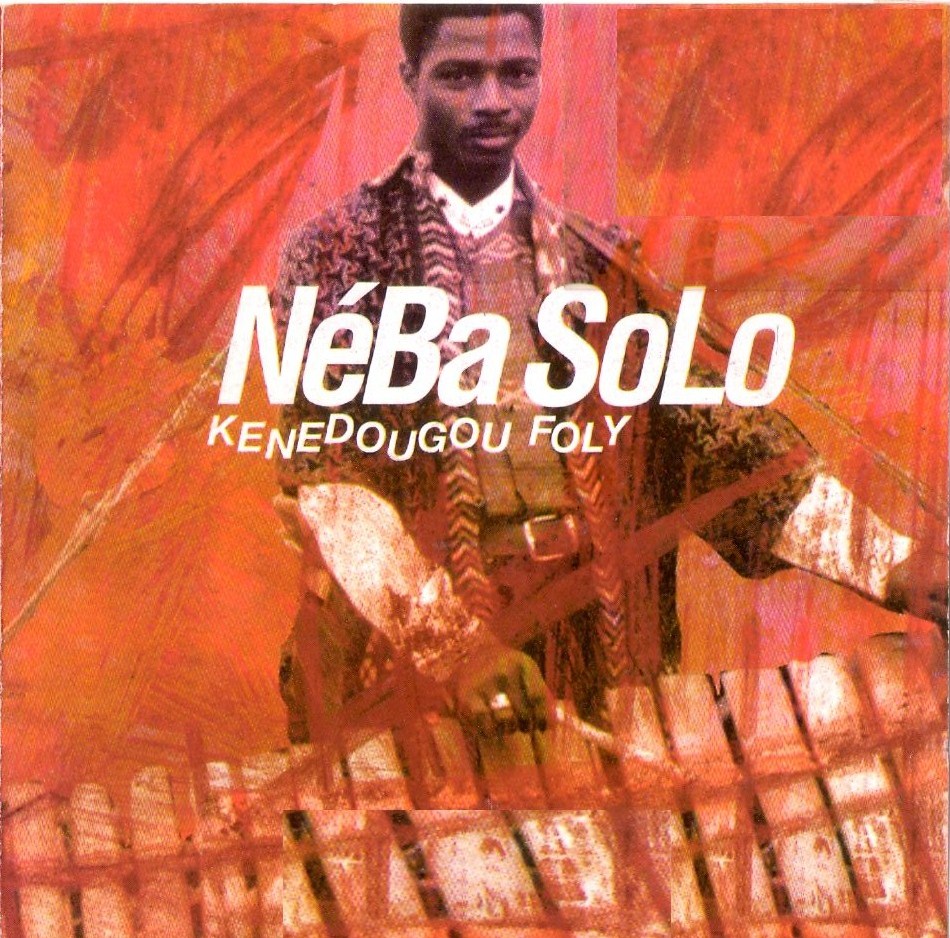
| 1996 | Release of Kenedougou Foly; named Best artist at Doudounba Top |
| 1998-2000 | Invitation to Africolor (Saint-Denis); collaboration with Frédéric Galliano (maxi “Frikyiwa 00”) |
| 2003 | Smithsonian Folklife Festival (Washington); recording of Falak with Trio Chemirani |
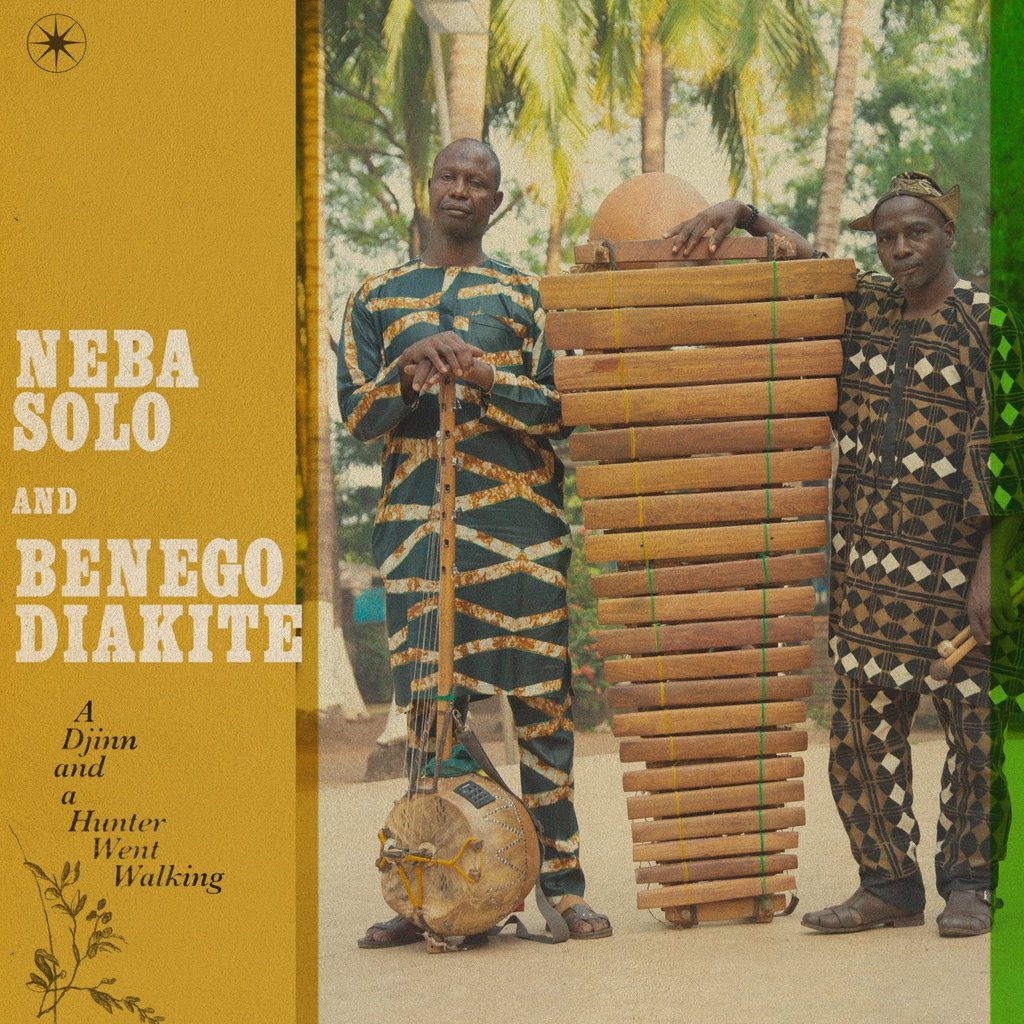
| 2026 | Release of A Djinn and a Hunter Went Walking (Etoile Audio / Nonesuch) with Benego Diakité |
From a Malian village to the world
Souleymane Traoré was born in the Kenedougou region, south of Mali. Coming from a Senufo peasant family, his childhood was split between agricultural work and music. His father, an accomplished musician and renowned instrument maker — the one who designs balafons for local artists — passed down ancestral know-how. As ethnomusicologist Ingrid Monson from Harvard writes: “Neba Solo’s exceptional talent as a bala player, singer, and percussionist was recognized when he was a small child.” The boy began with the traditional balafon, this secular pentatonic instrument of Senufo griots, then learned to build it himself using local materials — balsa wood, dried gourds.
He quickly formed a local group with his brother Siaka on soprano balafon, other musicians from Nebadougou on percussion, and young Souleymane on his modified low balafon. Between village ceremonies and regional festivals, he built a reputation in Sikasso — this regional capital, a crossroads for emigration to Côte d’Ivoire.
His major innovation came during his adolescence, when he listened to reggae and decided to transform his instrument. He added three extra low keys to the traditional balafon, altering its chords and adopting an inverted playing technique. His low balafon, considered the father of the modern balafon, became a unique instrument whose possibilities only he mastered.
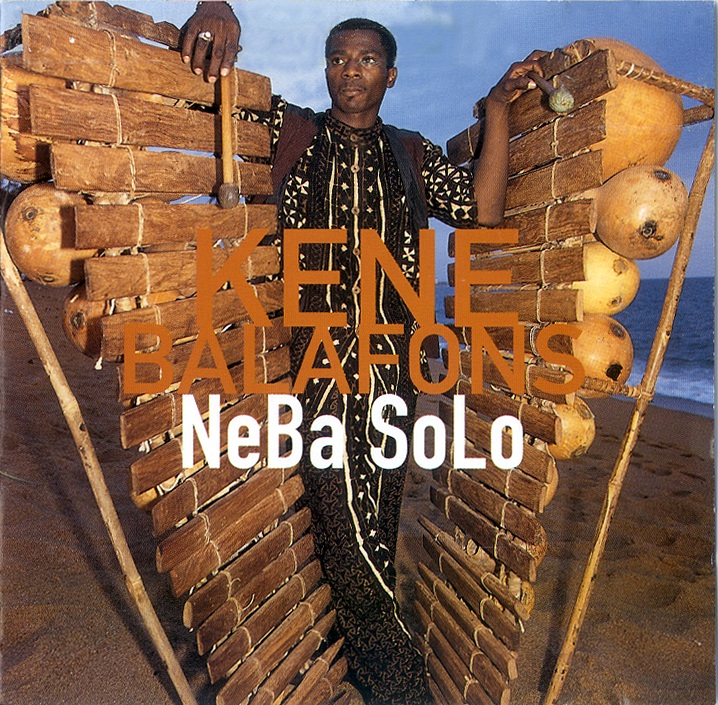
By the late 1990s, his hypnotic style caught the attention of world music programmers. Philippe Conrath, director of the Africolor festival in Saint-Denis, invited him in 1998 and recorded his first album on his Cobalt label: Kenedougou Foly, followed by a remastered version titled Kené Balafons in 2000. French DJ Frédéric Galliano noticed him and included him in his Frikyiwa project, a label dedicated to encounters between African music and electronic machines. Jeff Sharel remixed “Cinporoko Nonougoro” and Galliano reworked “Noumou Folly”, released on the vinyl maxi “Frikyiwa 00” in 2000. Neba Solo found himself in Parisian clubs and on public squares (called “grins”) of Bamako.
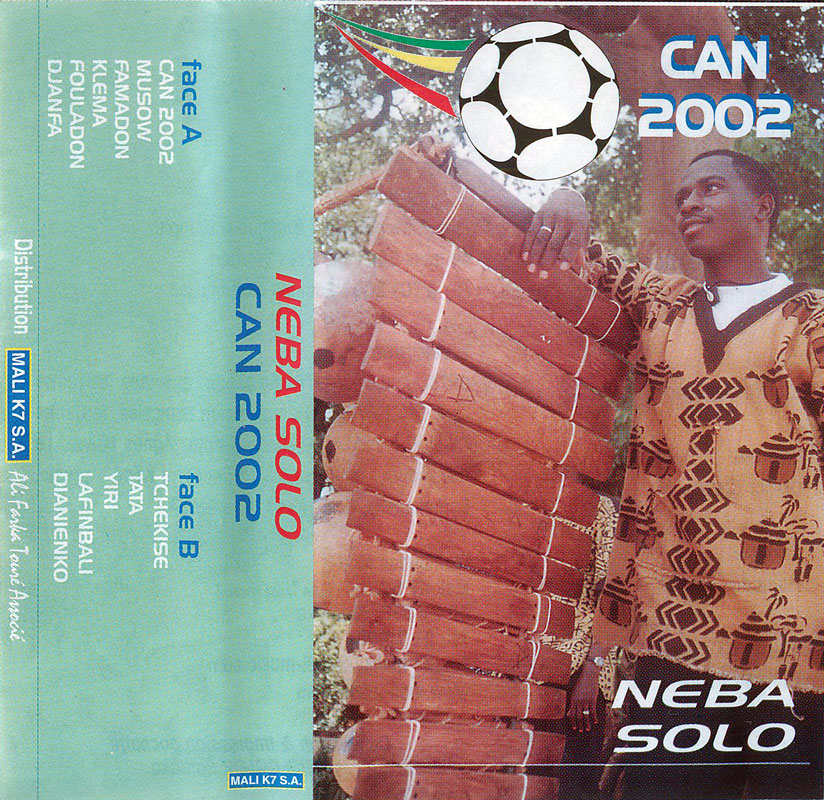
In 2002, Mali hosted the Africa Cup of Nations. Neba Solo composed and performed the official anthem “CAN 2002”, a track that became popular across the country. His music was broadcast on national radio and he appeared on television programs. In summer 2003, he was part of the official Malian delegation to the Smithsonian Folklife Festival in Washington — one of the few Malian artists to receive this honor.
Major works
| Work | Year | Why it’s essential |
|---|---|---|
| Kené Balafons (ex-Kenedougou Foly) | 1996/2000 | First major recording; fusion of balafon with reggae-inspired bass line |
| “CAN 2002” | 2002 | Africa Cup of Nations anthem, national hit in Mali |
| Frikyiwa 00 (maxi with Galliano) | 2000 | First marriage between Senufo balafon and electronics |
| Falak (with Trio Chemirani) | 2003 | Meeting of Malian balafon and Iranian percussion at Africolor’s Nuits mandigues |
| A Djinn and a Hunter Went Walking (with Benego Diakité) | 2026 | Dialogue between balafon and donso n’goni on Etoile Audio / Nonesuch |
Legacy and influence
Neba Solo is among those Malian musicians — alongside Ali Farka Touré, Toumani Diabaté and Salif Keïta — who paved the way for future generations. His transformation of the Senufo balafon into a full-fledged instrument, capable of dialoguing with electronics and Iranian percussion, expanded the international public’s perception of what an oral tradition instrument can become. Ingrid Monson has studied him for years; her forthcoming book with Oxford University Press, The Voice of Kenedougou: Neba Solo and Senufo Sensibility in Malian Music, makes him an academic subject. More than twenty-five years after his first albums, A Djinn and a Hunter Went Walking (2026) with Benego Diakité proves he continues to push the boundaries of contemporary African creation.
Sources and references
- “Neba Solo”, Wikipedia, https://en.wikipedia.org/wiki/Neba_Solo, accessed November 18, 2026.
- « Neba Solo », Nonesuch Records, https://www.nonesuch.com/artists/neba-solo, accessed 18 November 2026.
- « Néba Solo — Biography, discography and artist profile », RFI Musique, https://musique.rfi.fr/artiste/musiques-monde/neba-solo.html, accessed 18 November 2026.
- « Neba Solo », MusicBrainz, https://musicbrainz.org/artist/94ceb092-b50a-4155-8228-0965459f0016, accessed 18 November 2026.
- Ingrid Monson, liner notes for A Djinn and a Hunter Went Walking (Etoile Audio / Nonesuch, 2026), excerpted from her forthcoming book The Voice of Kenedougou: Neba Solo and Senufo Sensibility in Malian Music (Oxford University Press).