Biography
Nemours Jean-Baptiste
Port-au-Prince, July 26, 1955. On Sainte-Anne Square, in front of Chez Maggy, an unknown orchestra presented a music that had no name yet: slow to carry, regular, made for couples to dance long. On the very day of Sainte-Anne’s feast – July 26 – konpa dirèk was born. That evening, Nemours Jean-Baptiste – Haitian saxophonist, composer and orchestra leader – played alongside Julien Paul, Wébert Sicot, Monfort Jean-Baptiste and Mozart et Kreutzer Duroseau. The invention would become the cornerstone of Haitian popular music for a century.
In brief
| Full name | Nemours Jean-Baptiste (nicknamed maestro) |
| Birth | February 2, 1918, Port-au-Prince, Haiti |
| Death | May 18, 1985, Port-au-Prince, Haiti |
| Field | Haitian music – compas (konpa dirèk), méringue |
| Instrument(s) | Saxophone (banjo and guitar at the start of his career) |
| Family | Son of Clément Jean-Baptiste and Lucie Labissière; married Marie Félicité Olivier (1946) |
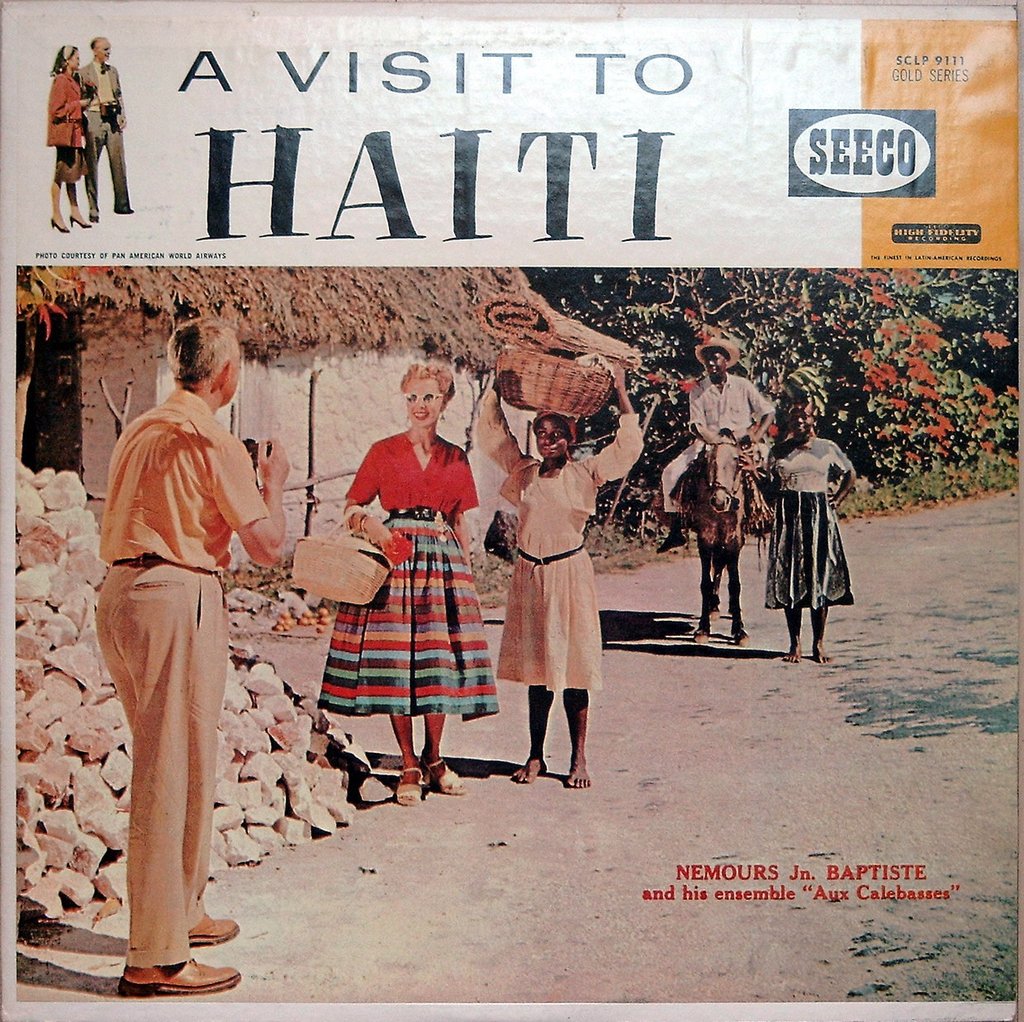
| Iconic works | “Ti Carole”, l’Ensemble Aux Calebasses / Ensemble Nemours Jean-Baptiste |
| Honors | Honor plaque at the UN, July 5, 1961; bust inaugurated on July 26, 2018 |
Key dates
| Year | Event |
|---|---|
| 1918 | Birth in Port-au-Prince, in the Lakou Labissière alleyway |
| 1946 | Married Marie Félicité Olivier on September 28; three children (Marie Denise, died at two years old, Yvrose and Yves-Nemours) |
| 1955 | July 26: birth of konpa dirèk, International Conjunto on Sainte-Anne Square; founded l’Ensemble Aux Calebasses |
| 1961 | First concerts in the United States; honor plaque at the UN, July 5 |
| 1963 | First Port-au-Prince carnival as a participant |
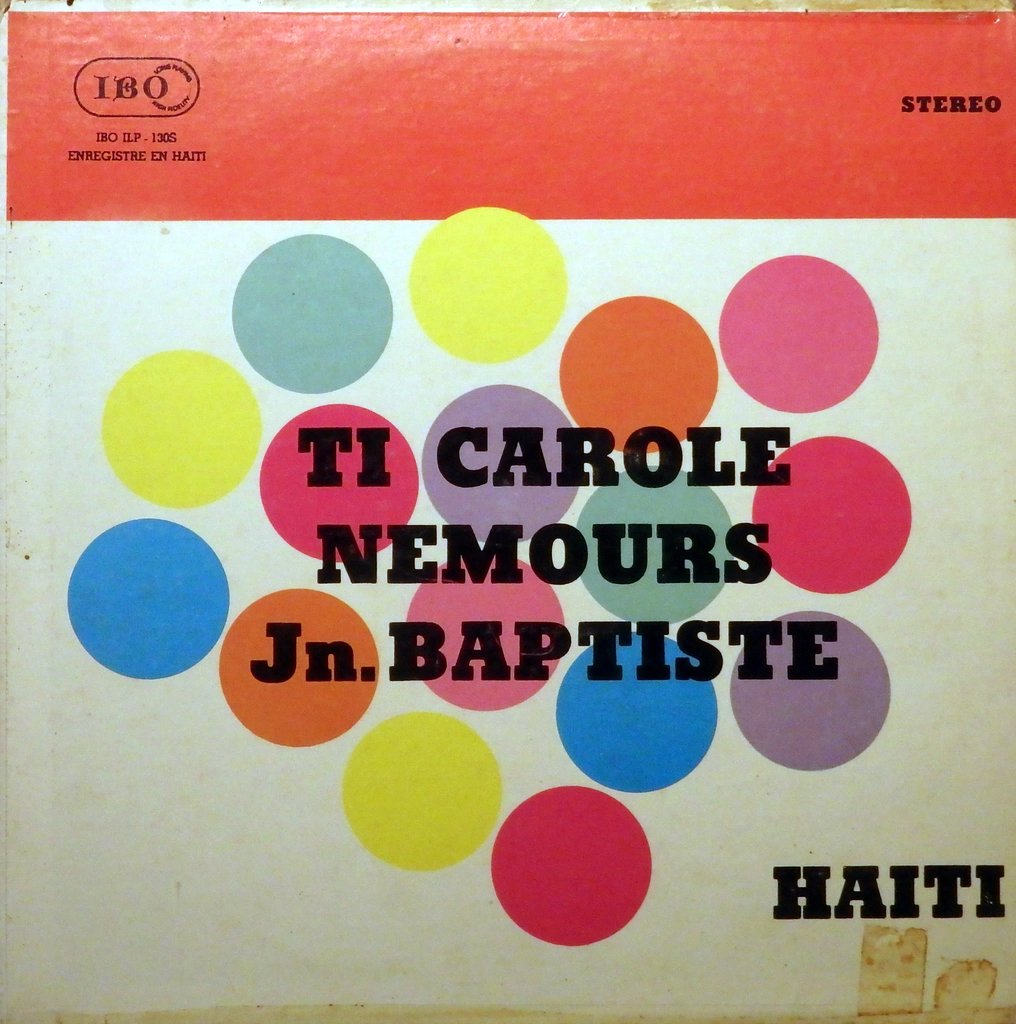
| 1967 | Loss of an eye (glaucoma); composition “Ti Carole”, national hit |
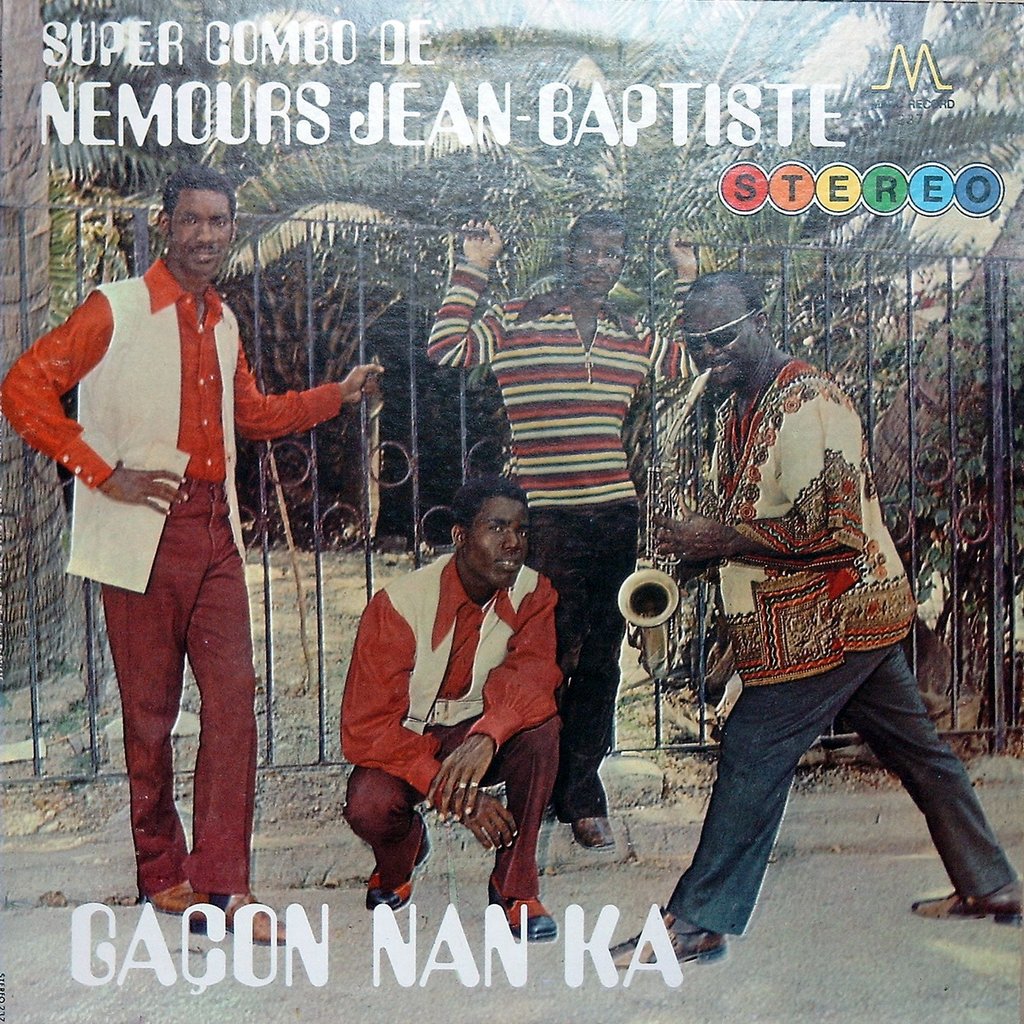
| 1970s | Emigration to New York; return to Haiti in 1972, supergroup Super Combo de Nemours Jean-Baptiste |
| 1980 | Celebration of the 25th anniversary of konpa at the Olympia Palace club (organized by Eddy Zamor) |
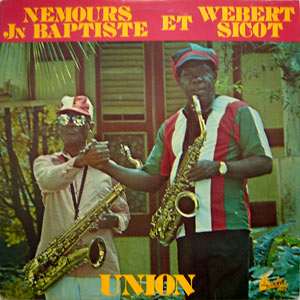
| 1981 | Shared the stage with Webert Sicot; prostate cancer and blindness |
| 1985 | Death on May 18, day of Ti Manno’s funeral |
Poor childhood, self-taught musician
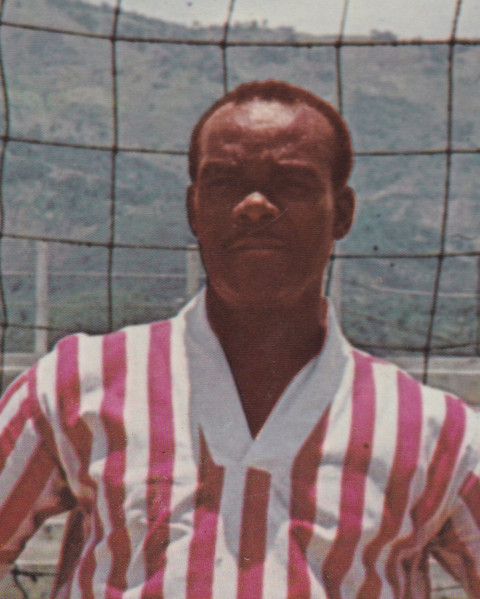
Nemours Jean-Baptiste was born on February 2, 1918 in an alleyway of the rue des Fronts Forts, nicknamed Lakou Labissière – named after his grandparents. Third of a sibling group of four children, he lost his parents while still in school: primary school was followed for only three years, between the Jean Marie Guilloux establishment and Saint Louis de Gonzague. He then became a hairdresser – captivating his clients with music –, tailor, footballer at the Racing Club Haïtien and cobbler. Self-taught, he learned banjo, guitar and then saxophone in the 1940s; his friend Antoine Duverger introduced him to the stage, and his first major performance with the Frères Guignard earned him a fee of 150 gourdes, an important sum for the time. It was at this moment that he met Marie Félicité Olivier during a dance party.
Konpa dirèk: music for dancing
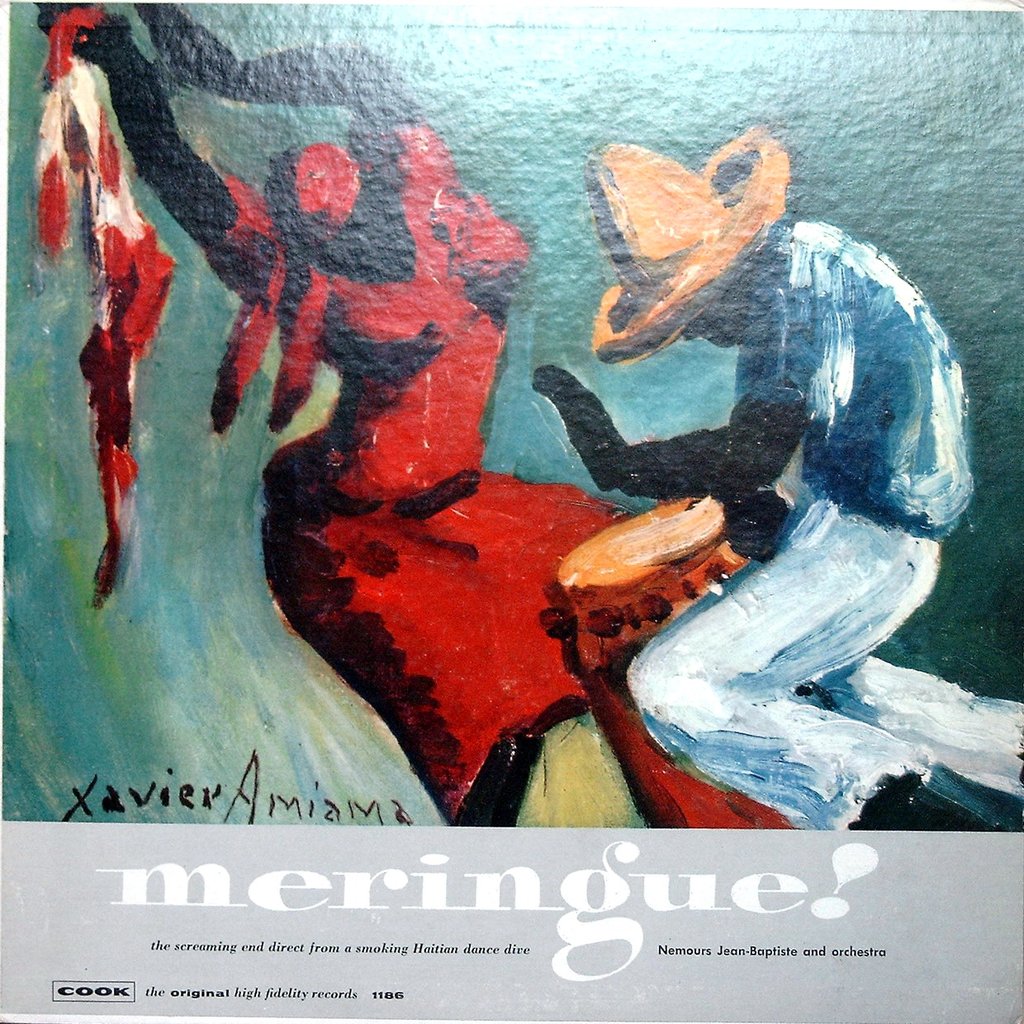
In the mid-1950s, méringue – this Haitian ballroom music, rhythmic and elegant – dominated the scene. AllMusic summarizes the invention: “created a new style of dance music, konpa”. Nemours’ project was simple and dreadfully effective: slow down the tempo, simplify melodies, reduce music to two chords and a regular pulse – bass, snare drum, hi-hat and cowbells – so couples could dance longer without exhausting themselves. On July 26, 1955, in front of Chez Maggy on Sainte-Anne Square – coinciding with Sainte-Anne’s feast –, the International Conjunto presented this new style. Jean Lumarque, owner of the famous club Aux Calebasses, then founded l’Ensemble aux Calebasses (then Ensemble Nemours Jean-Baptiste), which would spread konpa throughout Haitian society. The genre exporting quickly to the Caribbean – Curaçao, Saint Lucia, Martinique and Guadeloupe –, the name compas direct – the straight beat, literally – anchored itself as an expression of a rigorous pulse, in the Spanish word compás which designates the measure.
The orchestra became famous among dignitaries: AllMusic reports that Nemours performed regularly for dictator François Duvalier. In parallel, the rivalry with Webert Sicot – his former teacher and stage partner at the International Conjunto – marked the 1950s-1960s. The title “Ti Carole”, dedicated to a fan (Kouri) and composed in 1967, became a hit: it remained classified for six months on the Radio France Inter hit-parade and constitutes the musician’s only major international success. In 1961, the orchestra played in the United States for the first time and Nemours received an honor plaque at the UN.
The last years and legacy
In 1967, glaucoma caused him to lose an eye. In the 1970s, the rise of mini-jazz – Tabou Combo, Skah Shah, Shleu Shleu – led to a decline in his popularity. He emigrated to New York, then returned to Haiti in 1972 to lead the Top Compas, quickly renamed Super Combo de Nemours Jean-Baptiste. In 1980, during a great celebration marking the 25th anniversary of konpa at the Olympia Palace club, he was hailed as a living legend. In 1981, sharing the stage with his rival Webert Sicot, he was struck by prostate cancer and blindness. His family urged him to seek treatment in the United States; he chose to spend his final days in Haiti. He died on May 18, 1985, the day of Ti Manno’s funeral. The bust inaugurated on July 26, 2018 – a national day for konpa – marks the enduring recognition of his work.
Major Works
| Work | Year | Why It’s Essential |
|---|---|---|
| “Ti Carole” (composition) | 1967 | The only major international hit of konpa: ranked six months on Radio France Inter |
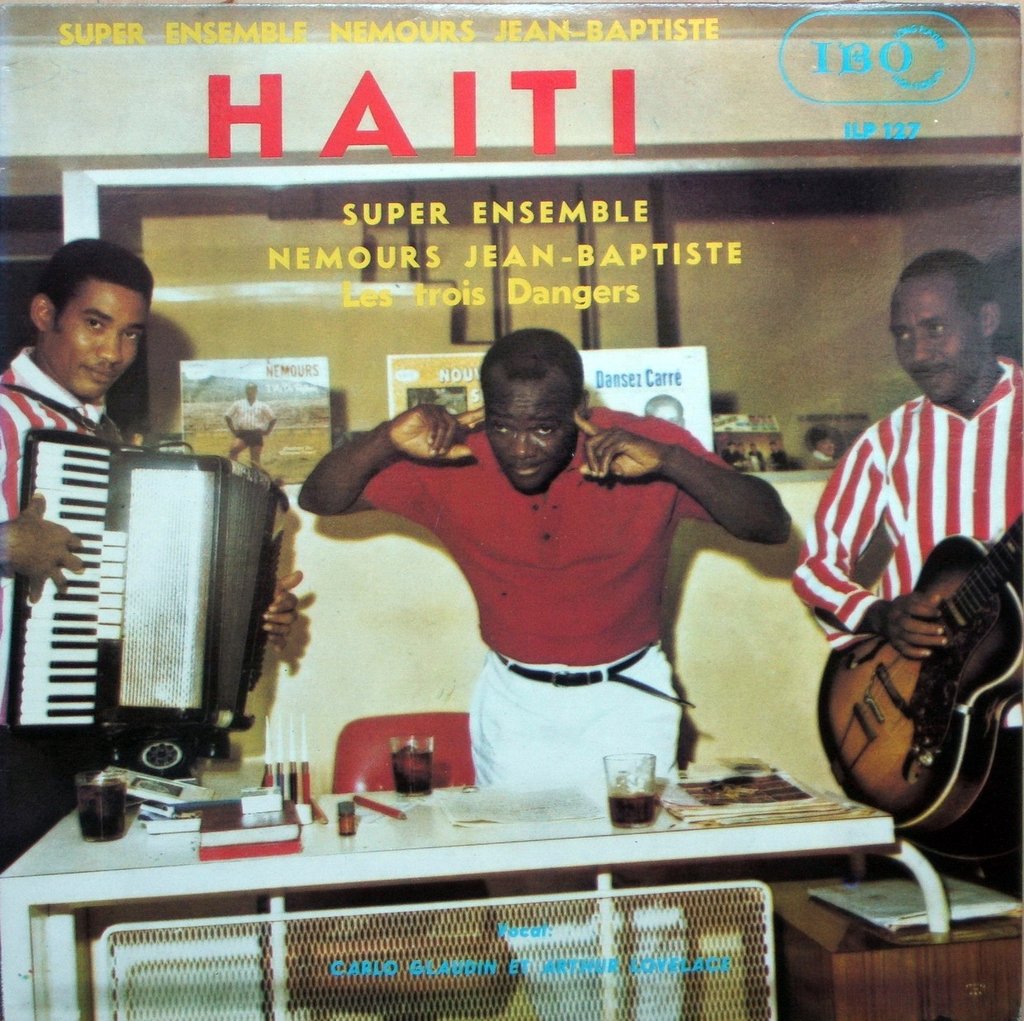
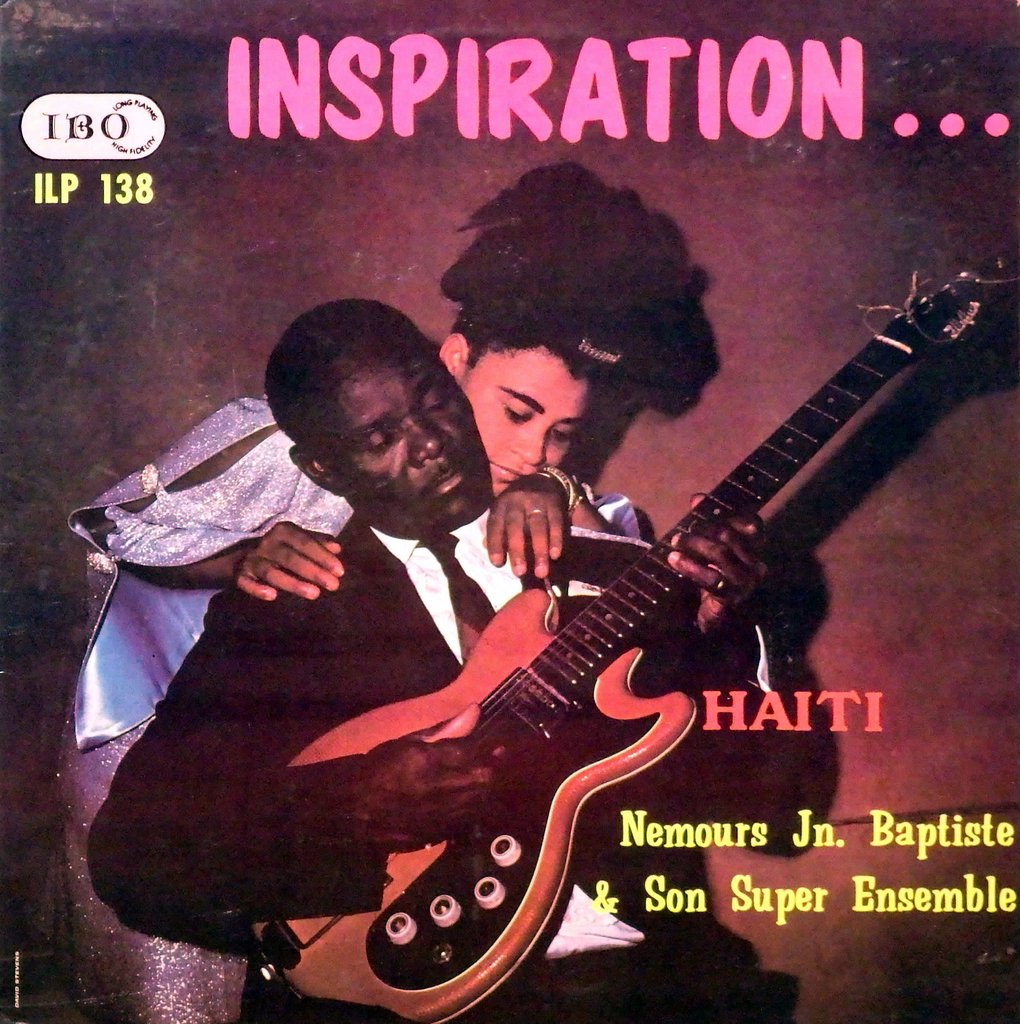
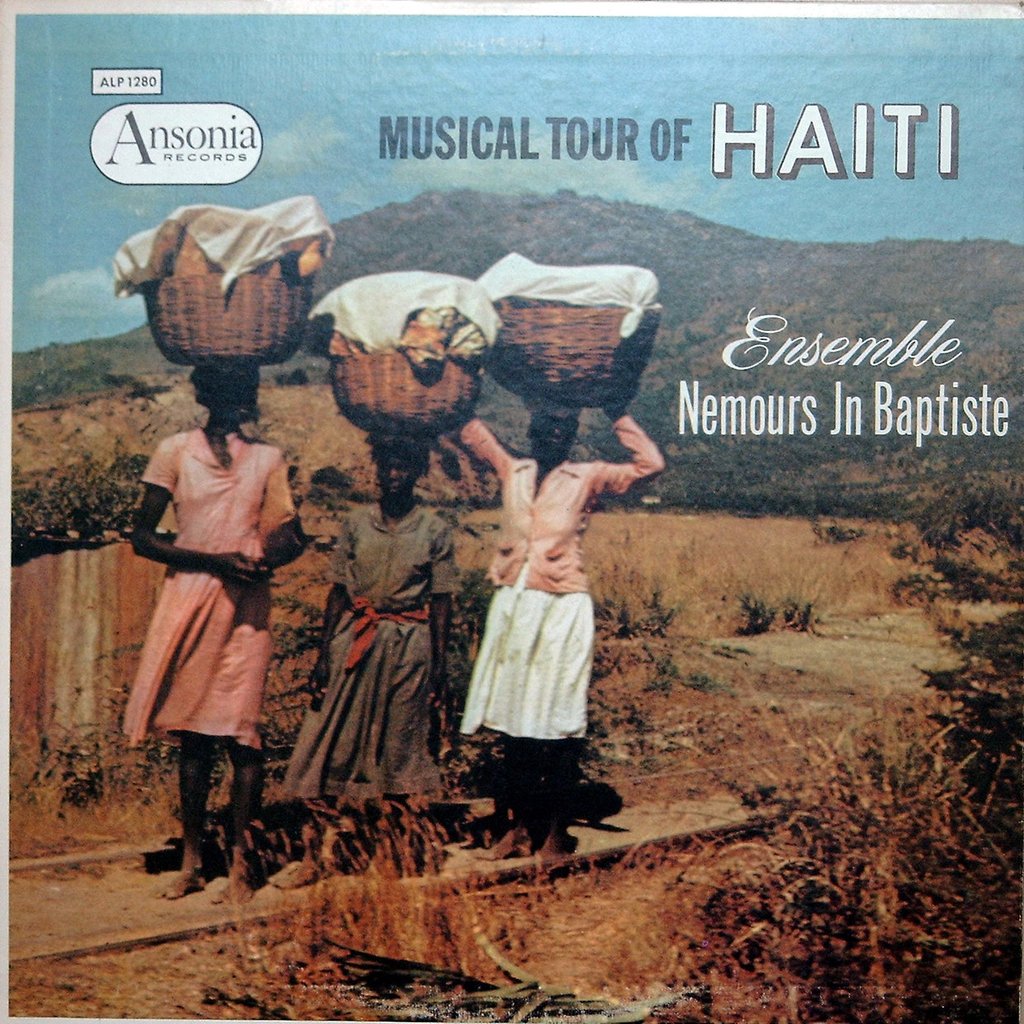
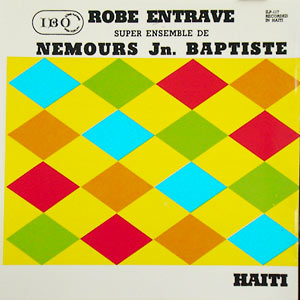
| Ensemble Aux Calebasses / Ensemble Nemours Jean-Baptiste (albums and performances) | 1955–1960 | Carried the direct konpa from the Aux Calebasses club to the Caribbean and the UN |
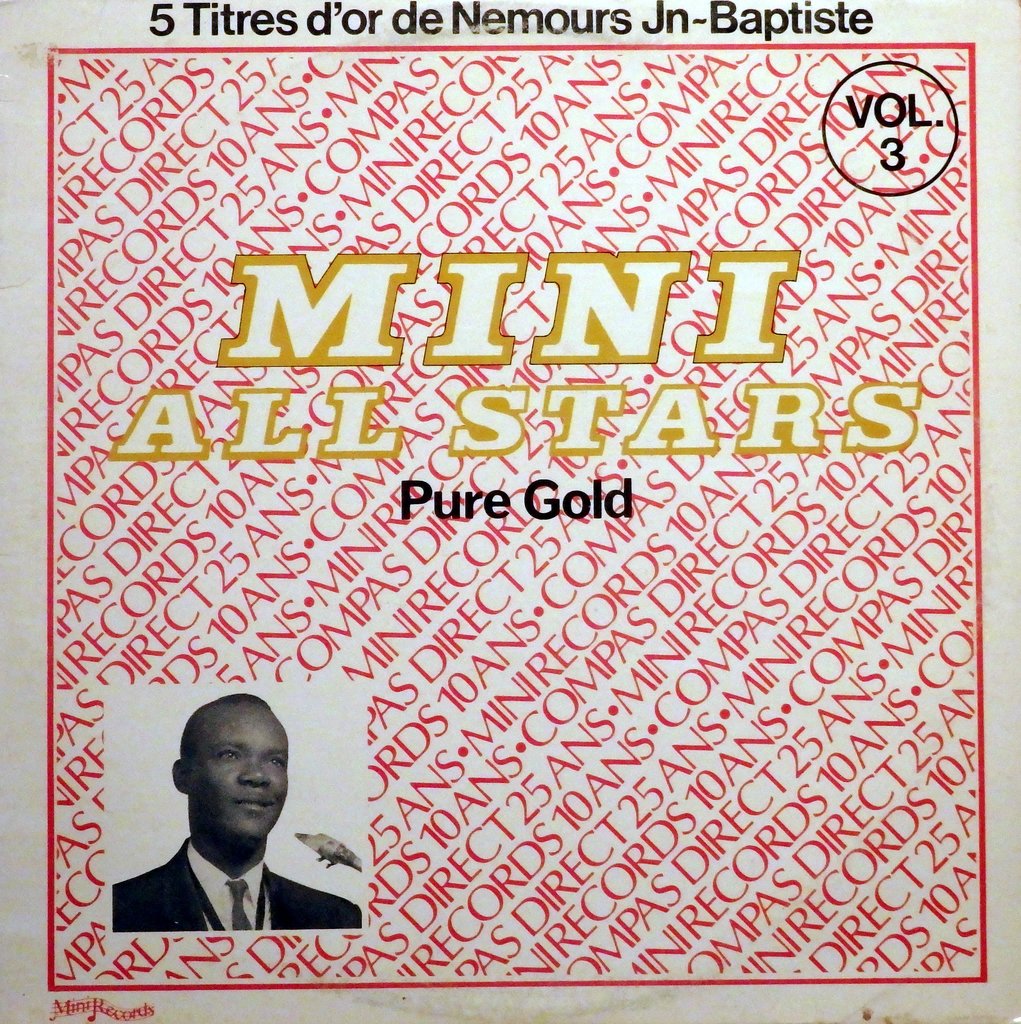
| Pure Gold (album) | 2003 | Reissued and remastered collection of legendary konpa tracks |
Legacy and Influence
Direct konpa – this music with a steady beat invented on Sainte-Anne Square in 1955 – became the quintessential popular genre of Haiti and the sonic signature of the Caribbean. Nemours is not merely the composer of a rhythm: he invented a musical language – two chords, a firm pulse, simple and danceable melodies – that structured the output of dozens of orchestras thereafter. The bust inaugurated in 2018 on Sainte-Anne Square commemorates this legacy: every time konpa sounds, the music’s structure bears his mark.
Sources and References
- “Nemours Jean-Baptiste à travers ses ans”, Radio Télévision Caraïbes (Nazaire Joinville), July 2018. https://www.radiotelecaraibes.com/nemours-jean-baptiste-a-travers-ses-ans/
- “Nemours Jean-Baptiste”, Wikipedia (English), accessed November 25, 2026. https://en.wikipedia.org/wiki/Nemours_Jean-Baptiste
- “Nemours Jean-Baptiste – Biography”, AllMusic (Craig Harris), accessed November 25, 2026. https://allmusic.com/artist/nemours-jean-baptiste-mn0000392163
- “70 ans du compas direct : Nemours Jean-Baptiste, le précurseur”, Le Nouvelliste (Claudel Victor), July 22, 2025. https://lenouvelliste.com/article/258252/70-ans-du-compas-direct-nemours-jean-baptiste-le-precurseur
- “Notice de personne Nemours, Jean-Baptiste (1918–1985)”, BnF Catalogue général. https://catalogue.bnf.fr/ark:/12148/cb140374782
- “Unveiling of the bust of Nemours Jean Baptiste”, iciHaiti, July 27, 2018. https://icihaiti.com/en/news-25073-icihaiti-music-unveiling-of-the-bust-of-nemours-jean-baptiste.html