Biography
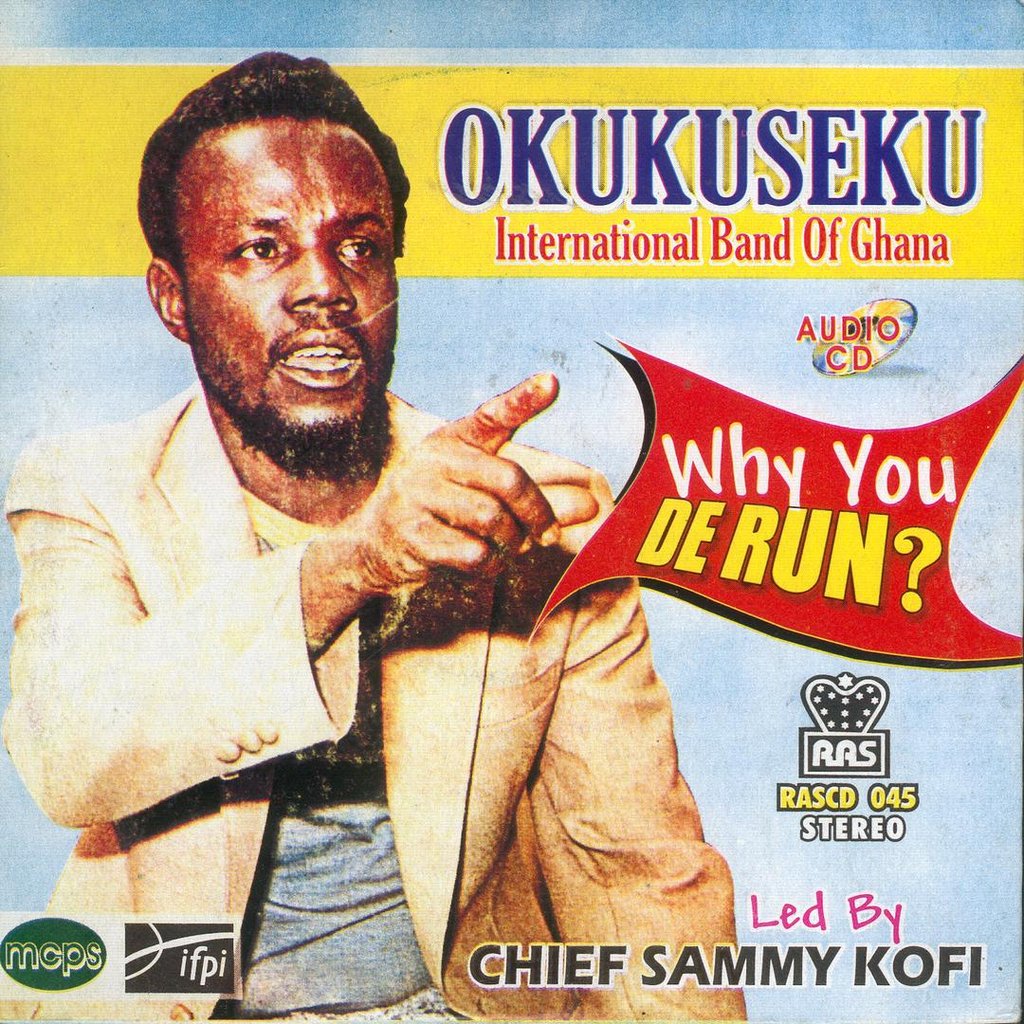
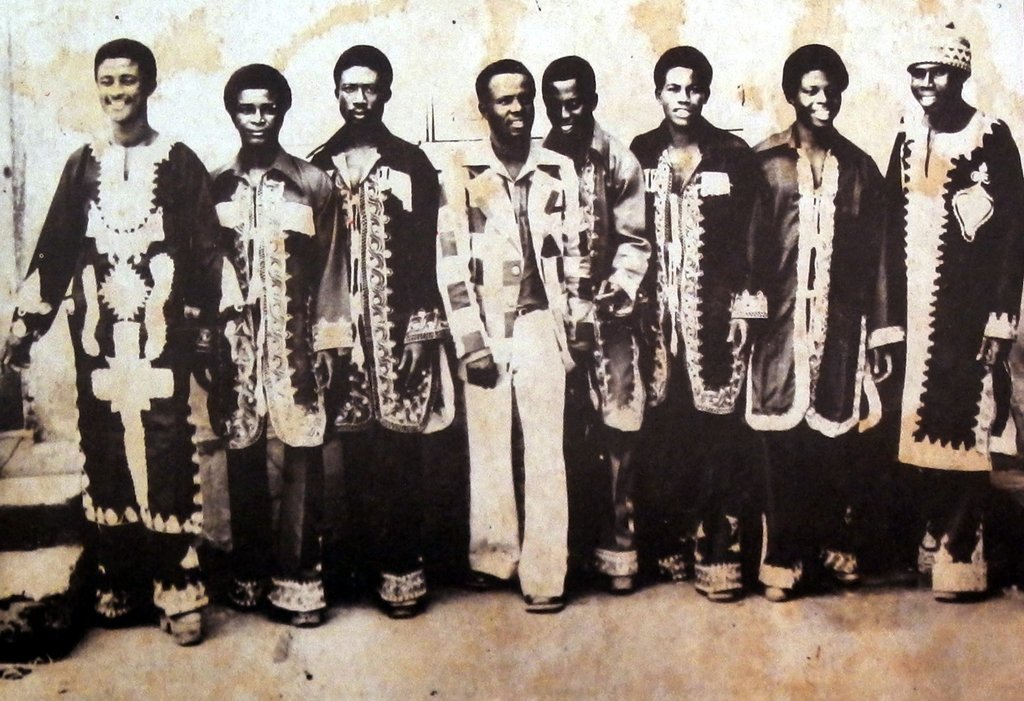
Okukuseku International Band of Ghana
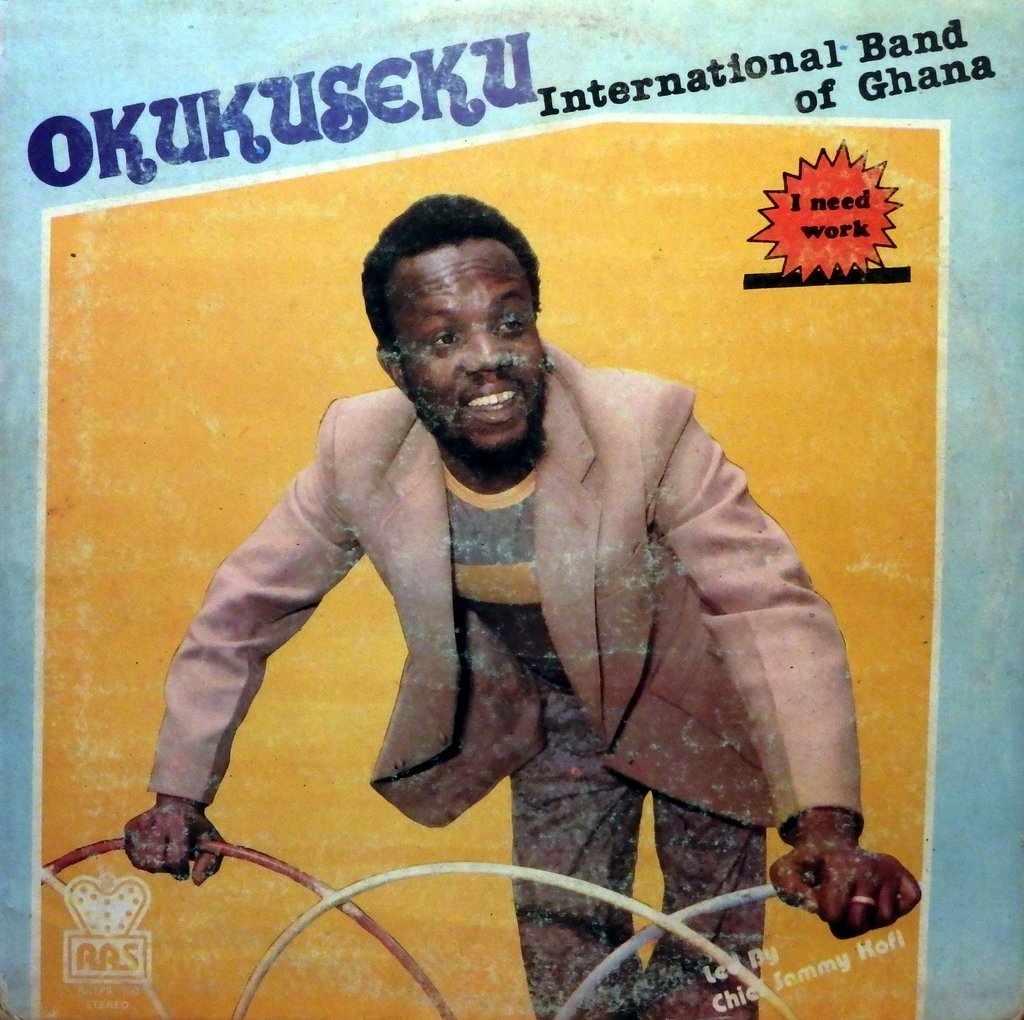
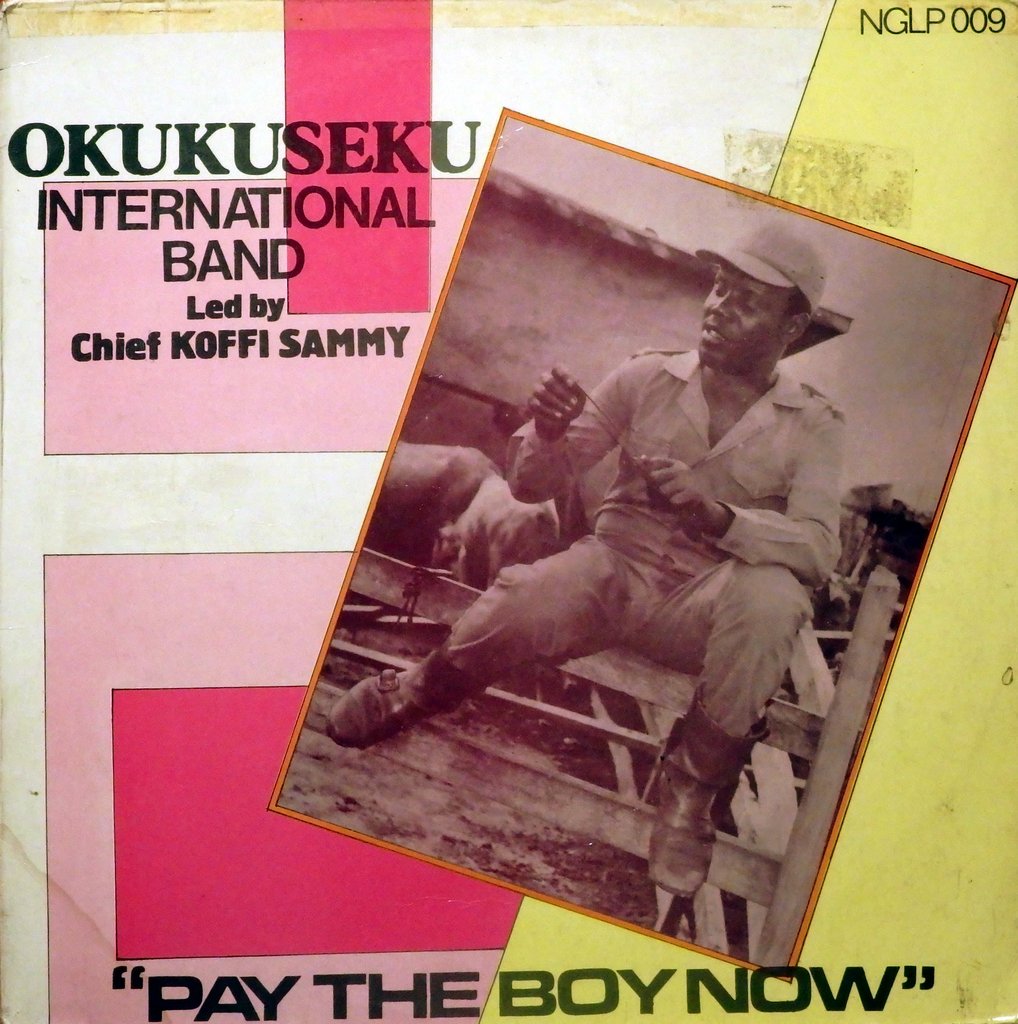
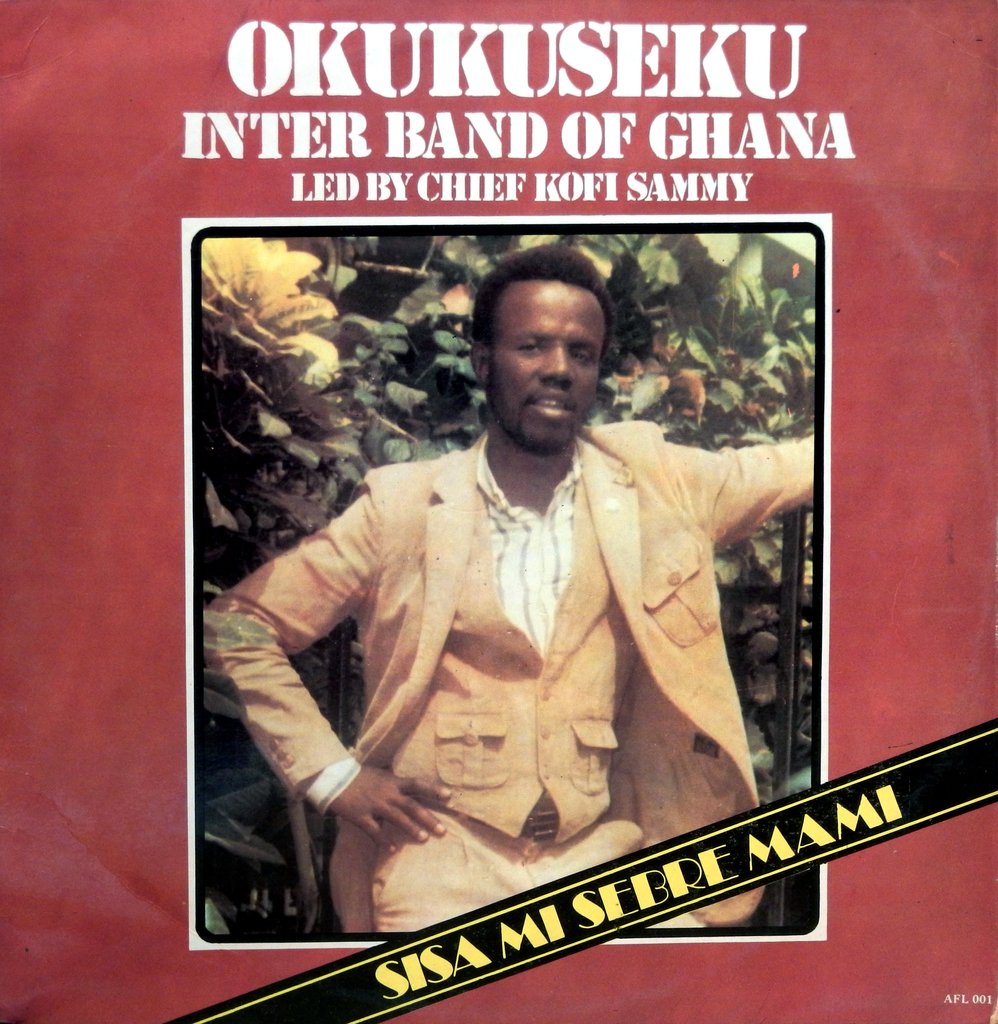
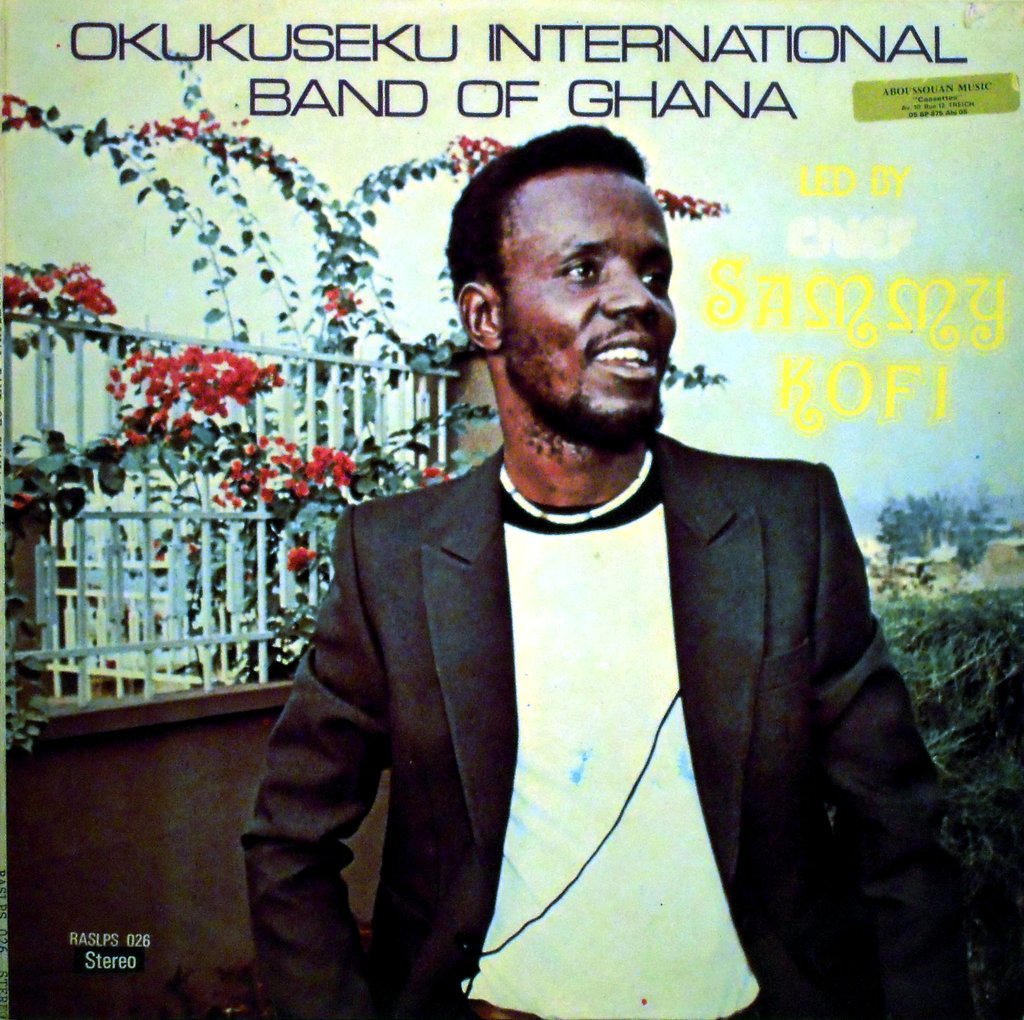
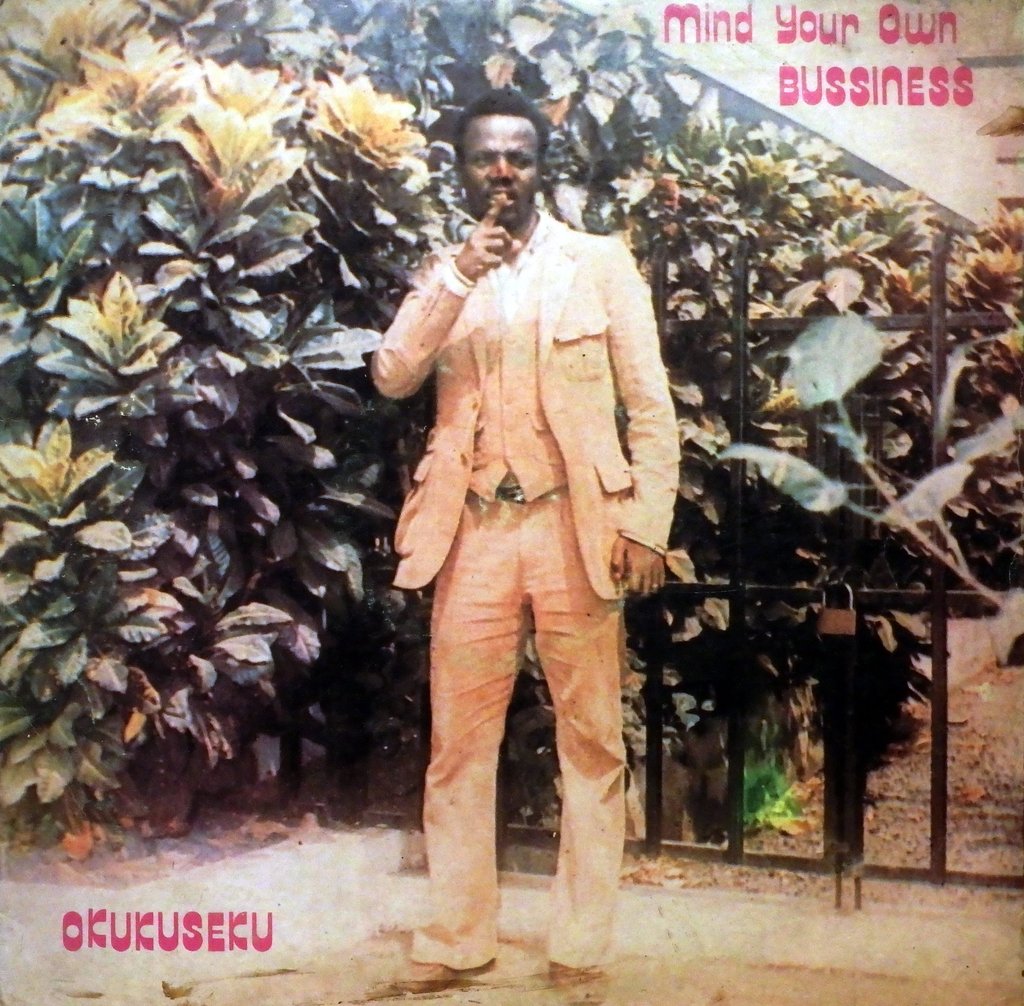
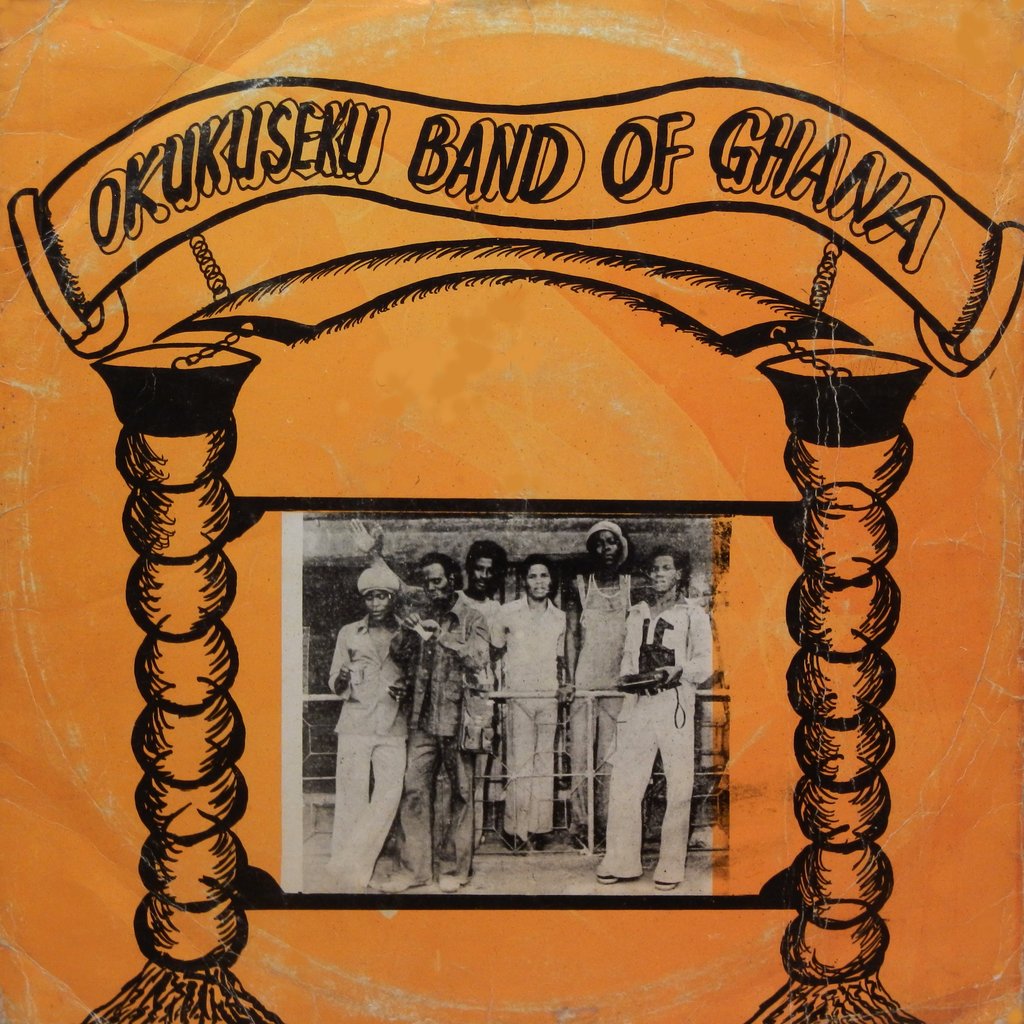
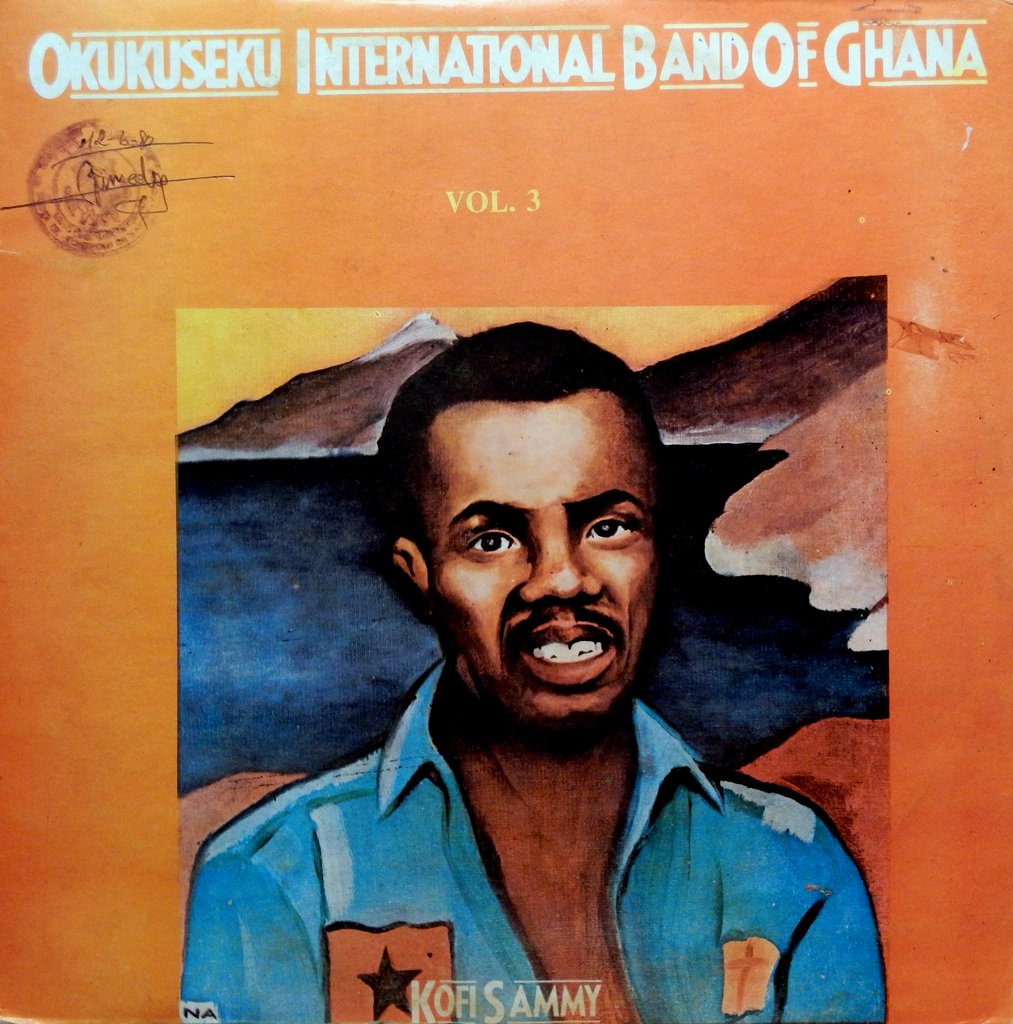
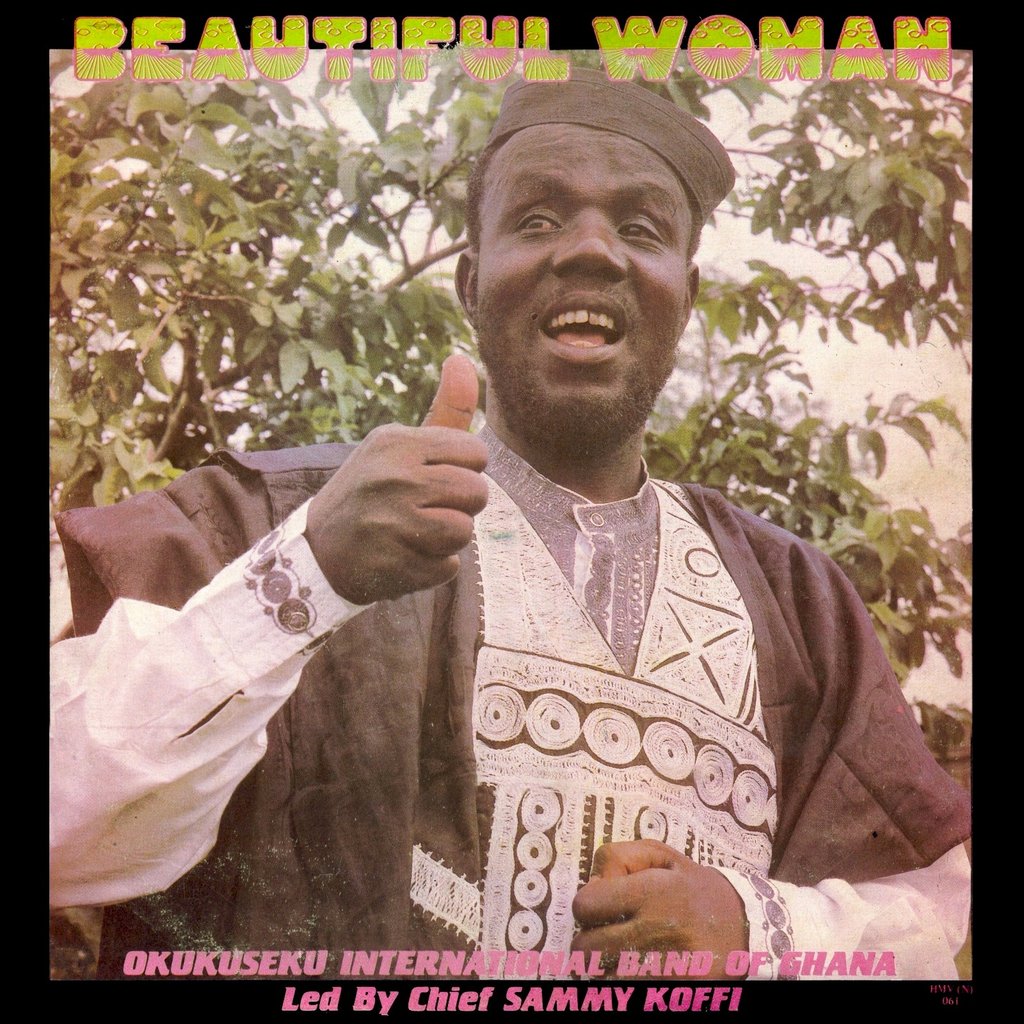
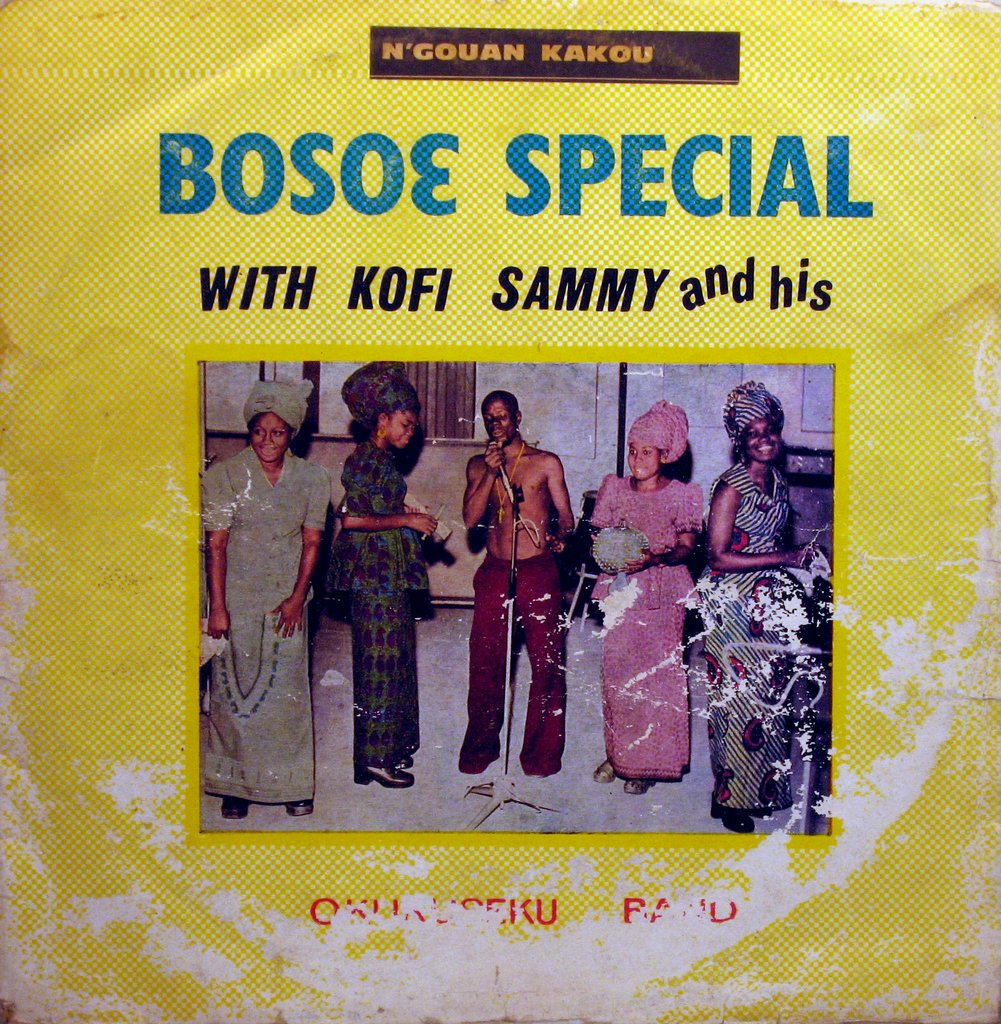
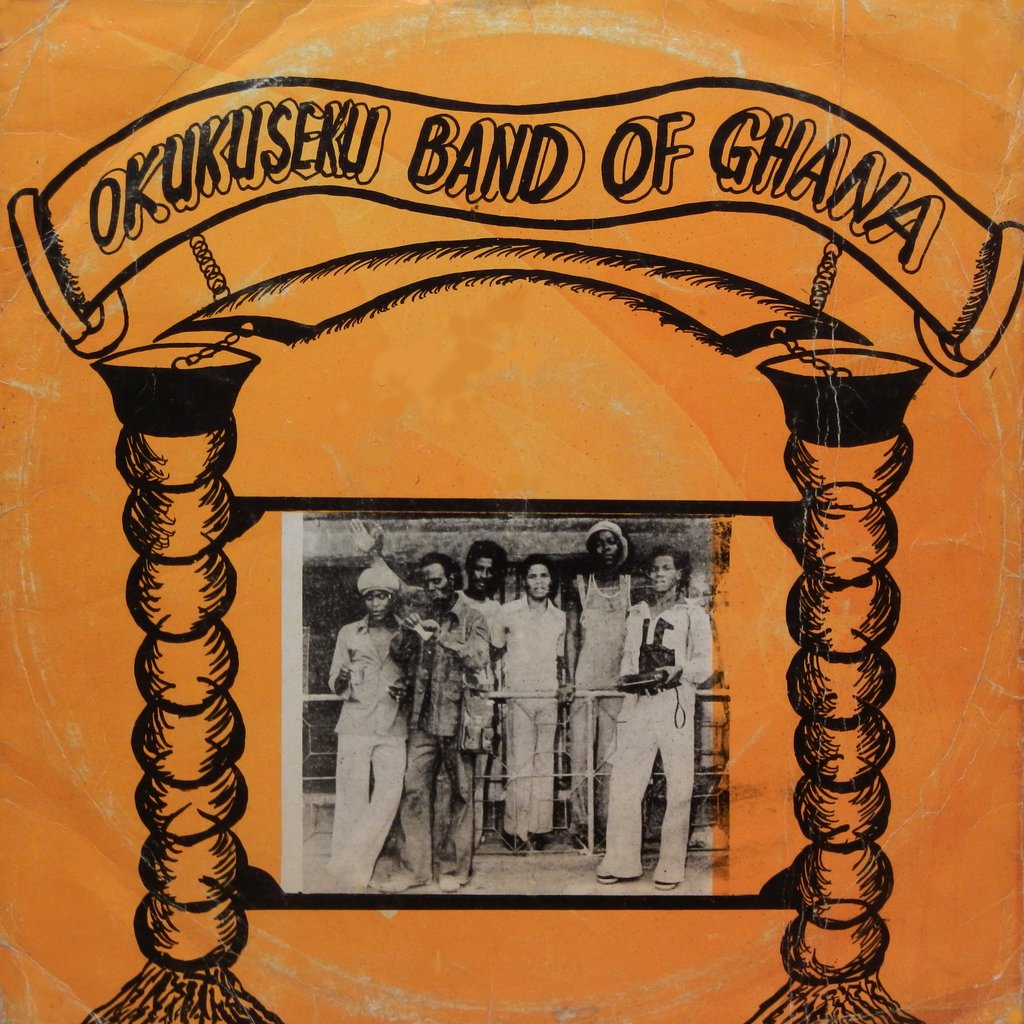
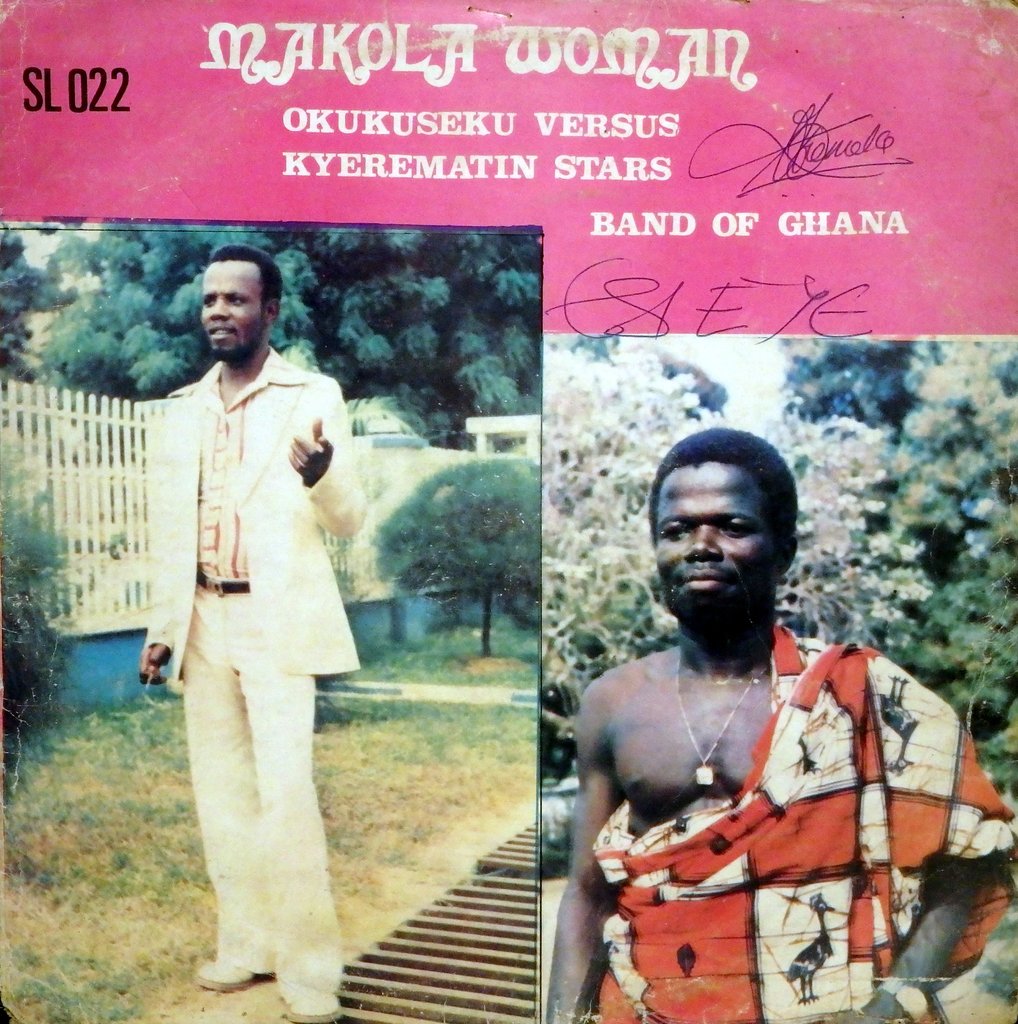
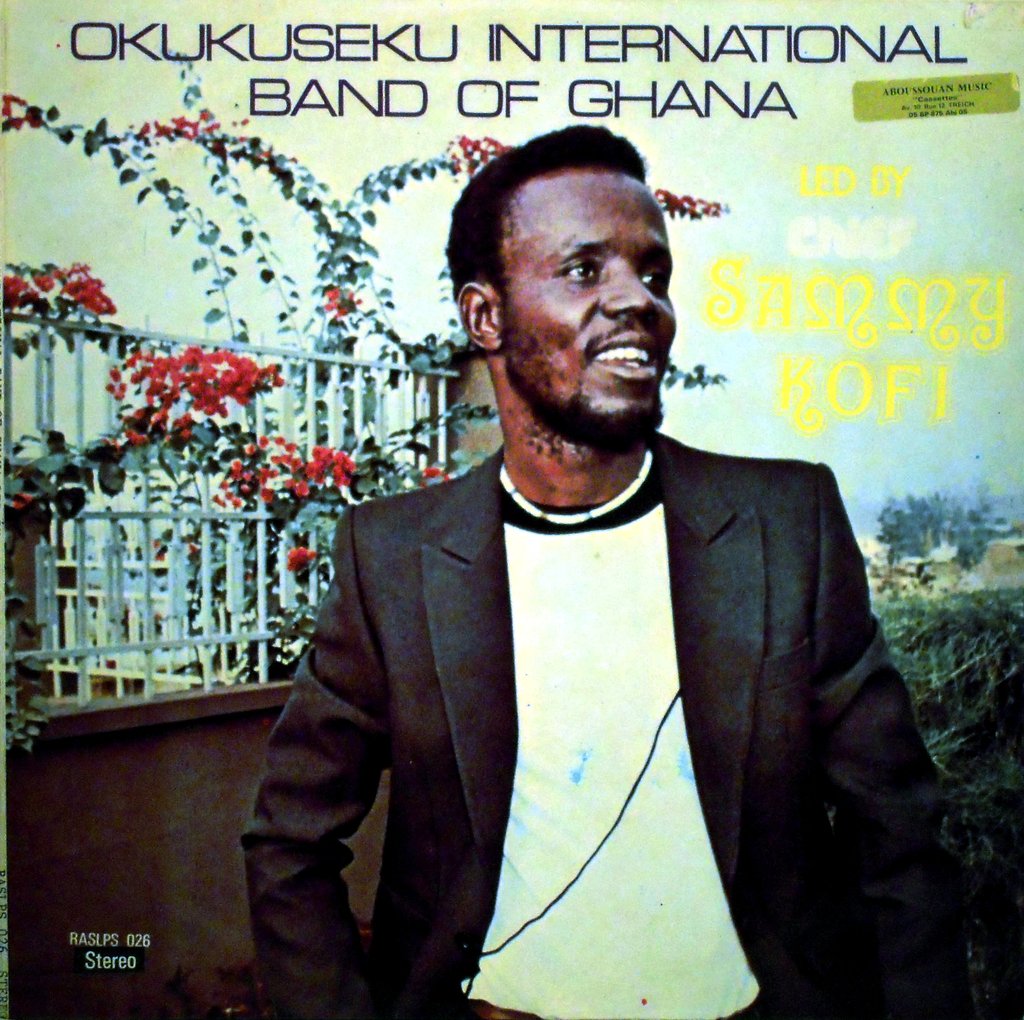
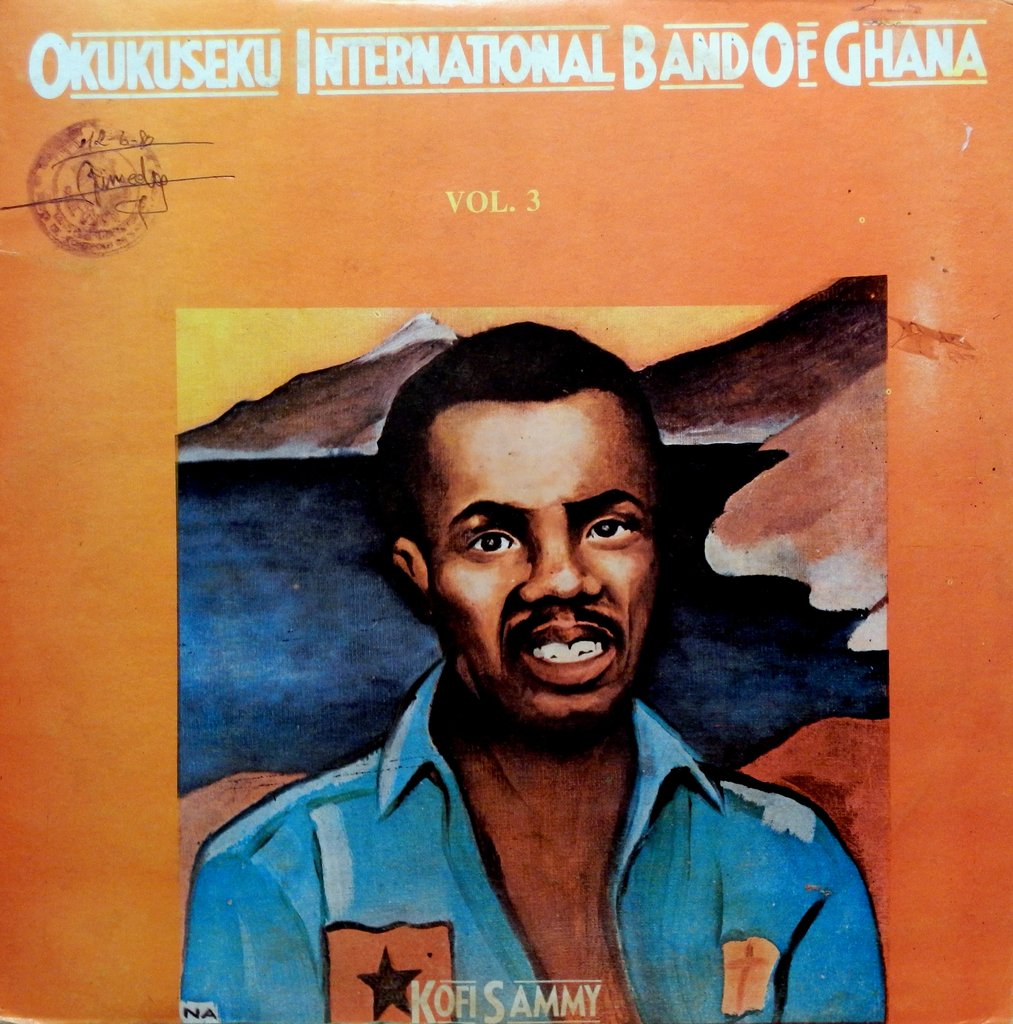
In the studios of Lagos in the 1970s, a group formed in Accra by two musicians without a guitarist and without equipment revived a local genre that had already become a continental phenomenon. Born in 1969 from Kofi Sammy and Water Proof, Okukuseku International Band of Ghana — also known as Okukuseku’s No.2 Guitar Band — blended traditional African rhythms, jazz and latin, strong vocals, brass, guitars and percussion. Its very name evokes a restless life: « frequent changes » in Twi, the Ashanti language.
In brief
| Full name | Okukuseku International Band of Ghana (Okukuseku’s No.2 Guitar Band) |
| Founded | 1969, Accra (Ghana) — Kofi Sammy and Water Proof |
| Genre | Highlife, a Ghanaian guitar genre blending African rhythms and Western influences |
| Founding members | Kofi Sammy, Water Proof ; members: De Frank Kakrah, Dr. Paa Bobo, Go Slow, Kofi Sammy, Kwesi Mould, Water Proof |
| Signature works | Agyanka Due, Bosoe Special, Okponku Special, Suffer Suffer |
| Status | Inactive; music still broadcast in Ghana and on the continent |
Key dates
| Year | Event |
|---|---|
| 1969 | Formation in Accra by Kofi Sammy and Water Proof; first single “Osona Ba” at Ghana Films Studio |
| 1970 | Move to Kumasi; recordings on singles thanks to instruments borrowed from Ambassador Studio |
| 1970s | Albums Agyanka Due and Bosoe Special; the team becomes one of the best groups in the country |
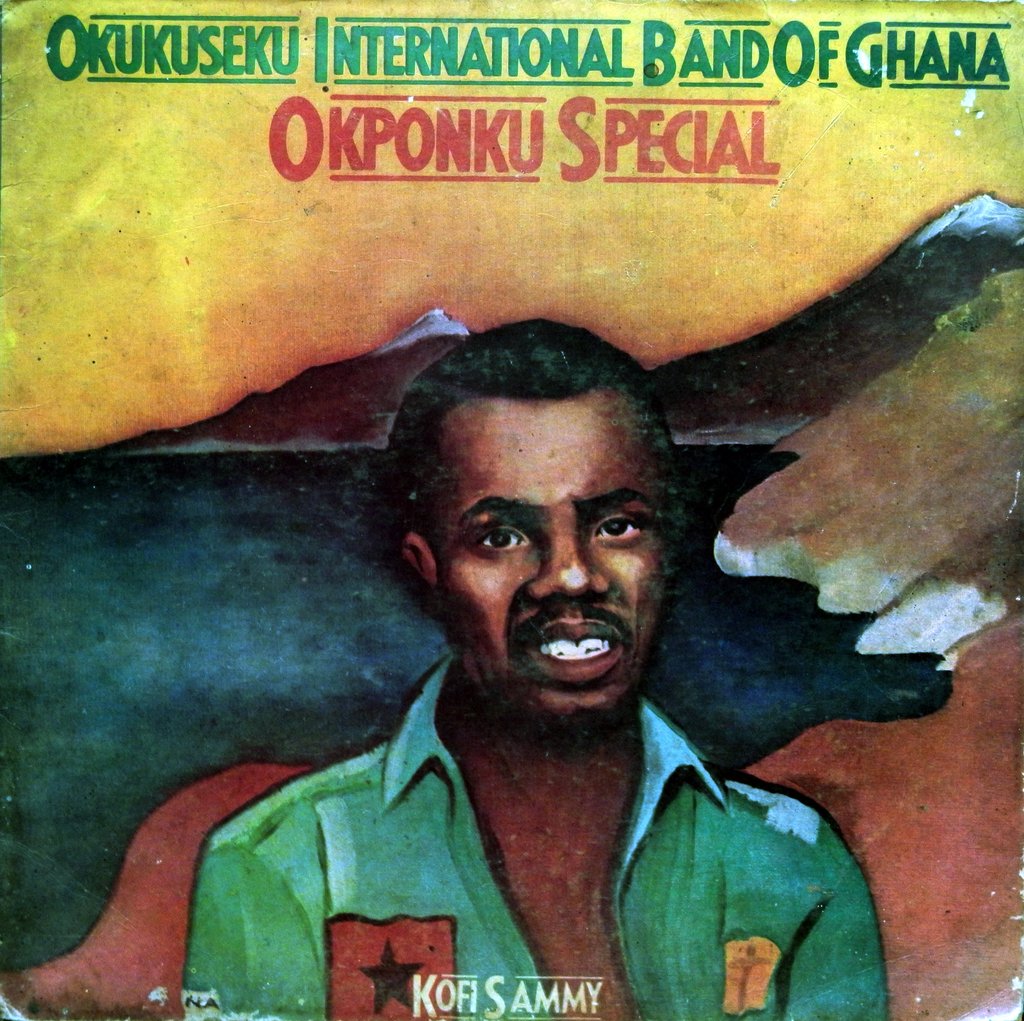
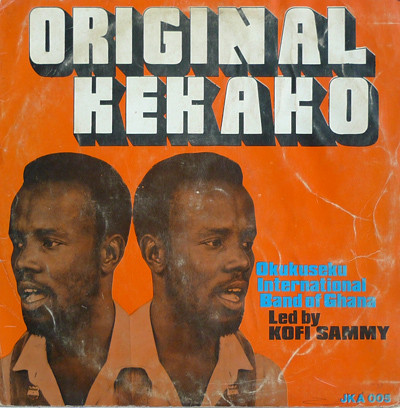
| 1979 | Move to Nigeria due to economic depression; albums Okponku Special and Original Kekako in Lagos |
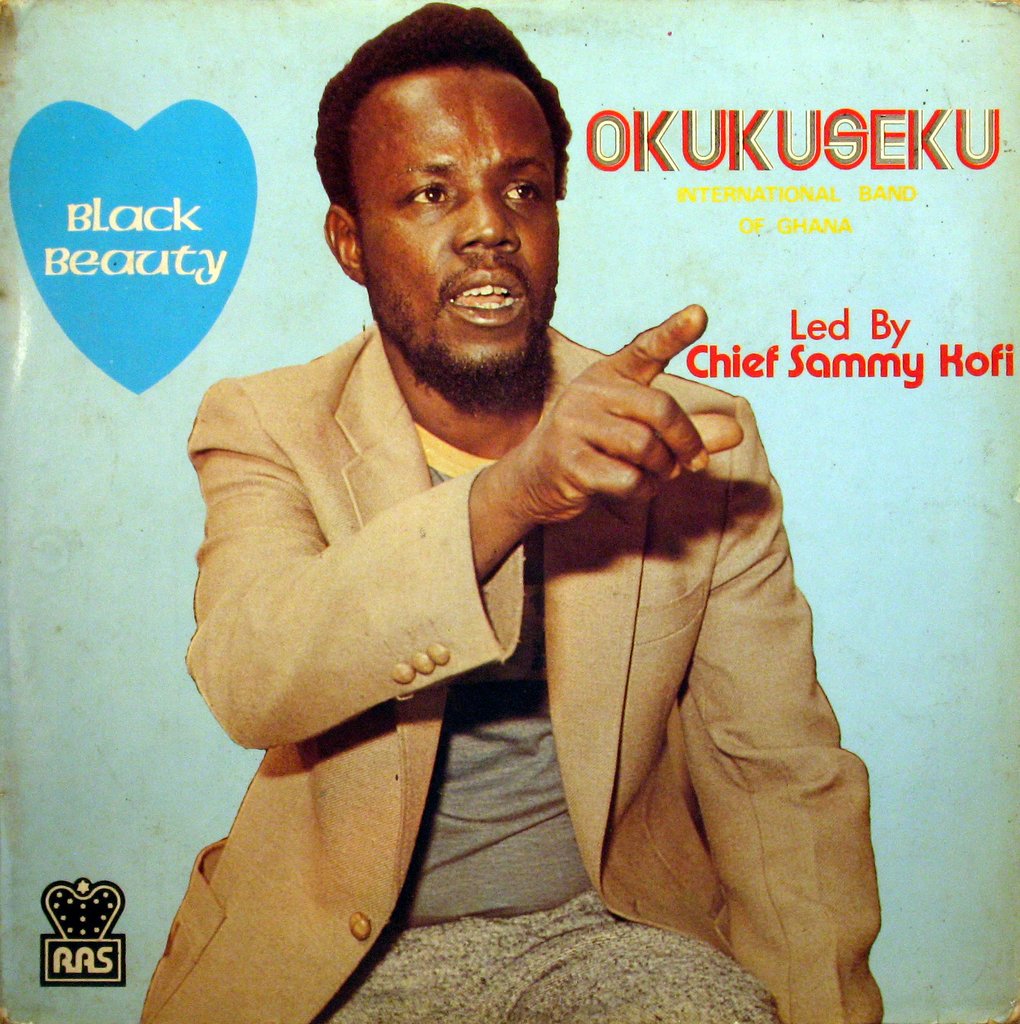
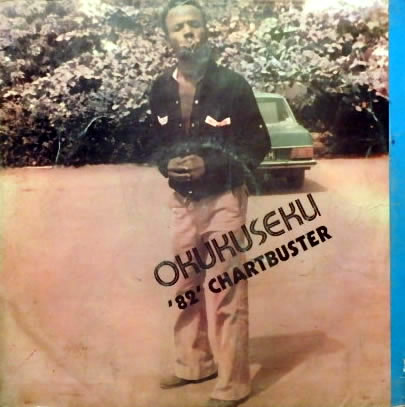
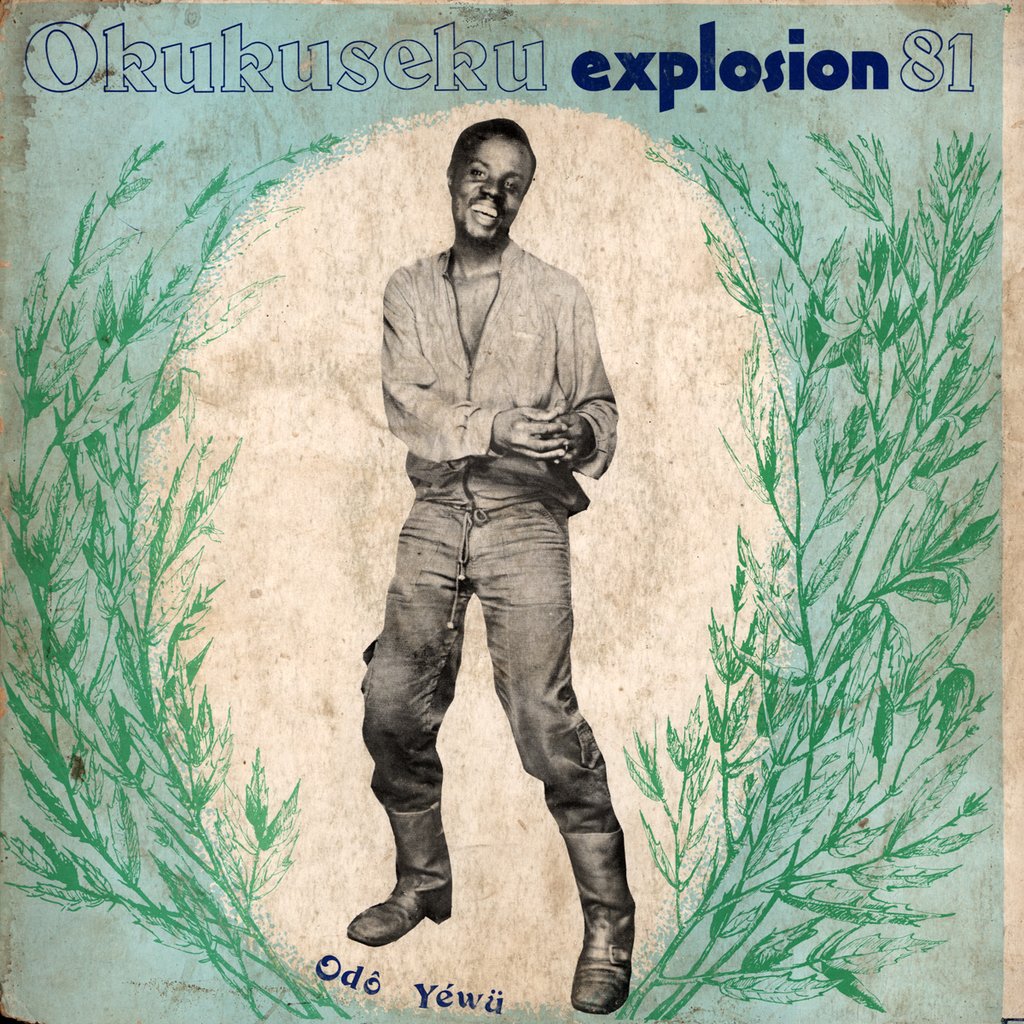
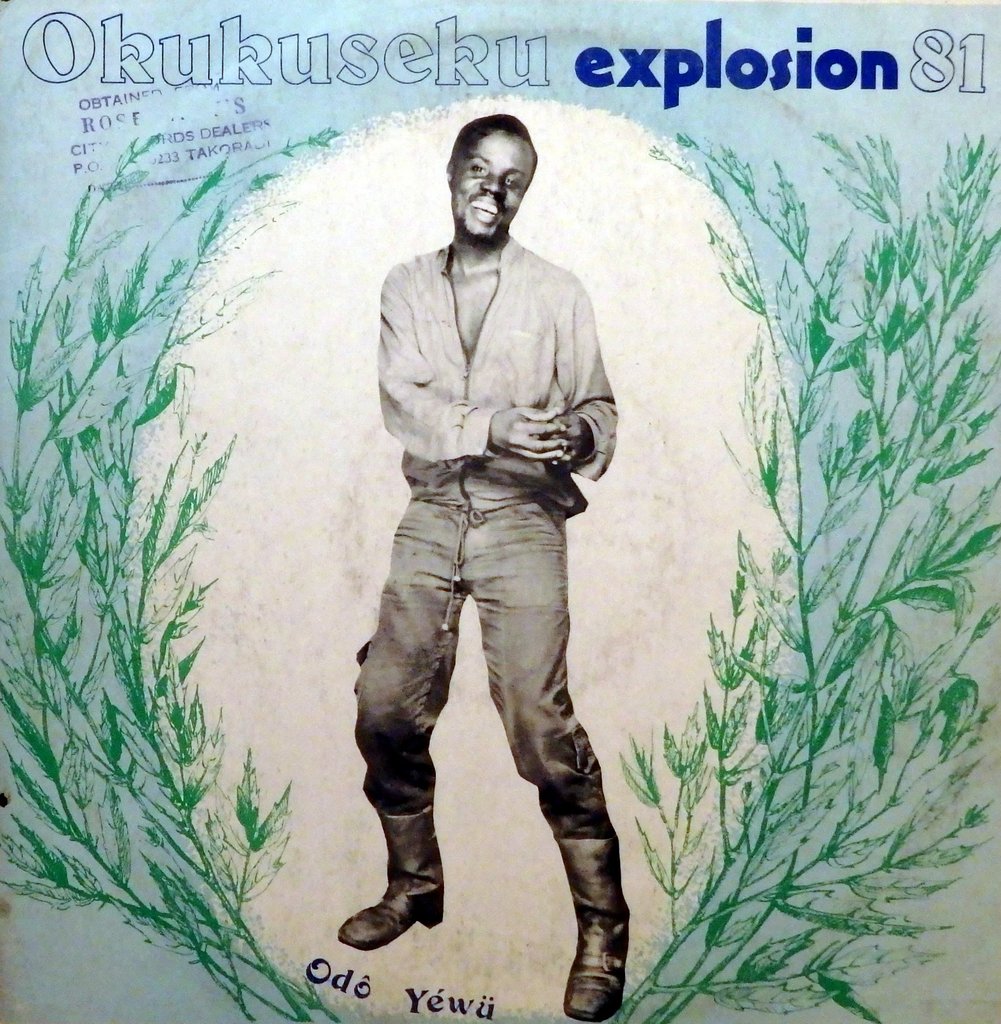
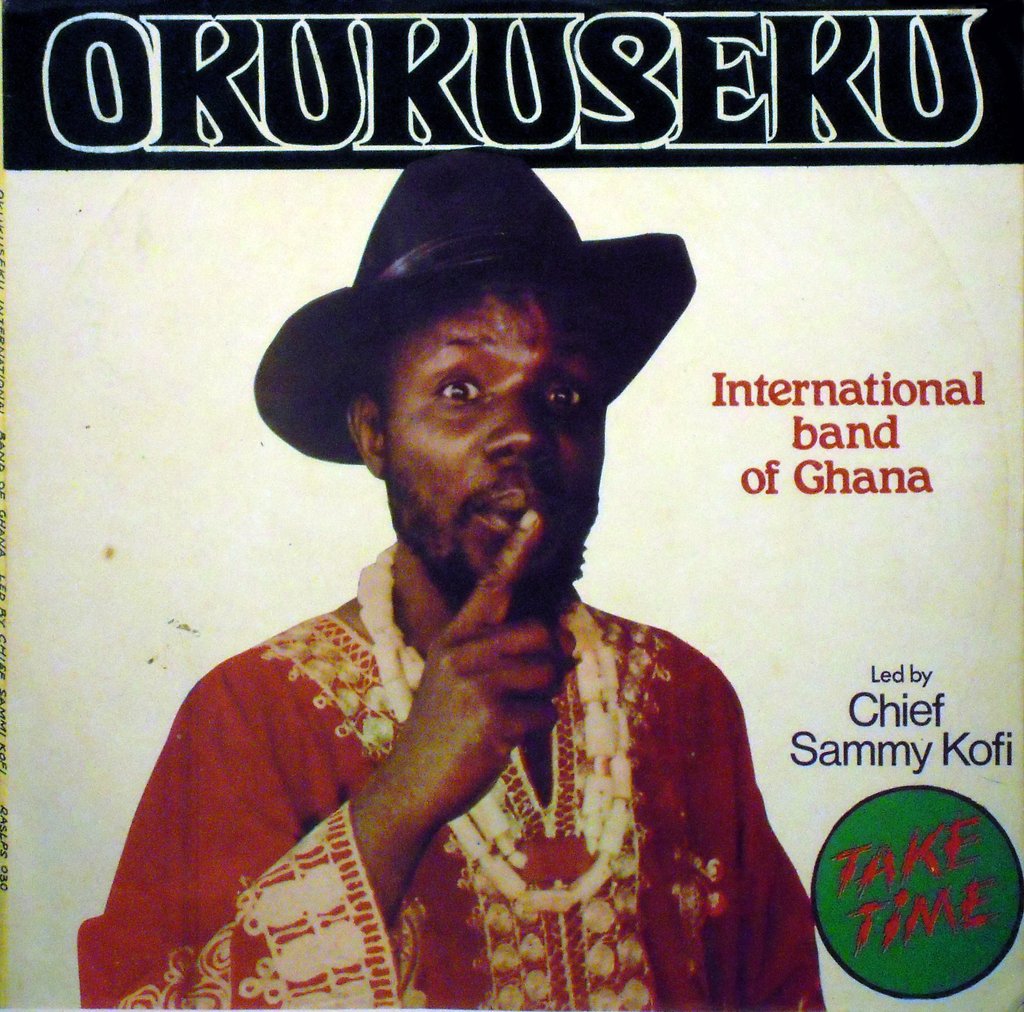
| 1980–84 | Albums Yebre Ama Owou (1980), Suffer Suffer (1981), Take Time and Black Beauty (1983), Odo Ye De (1984) |
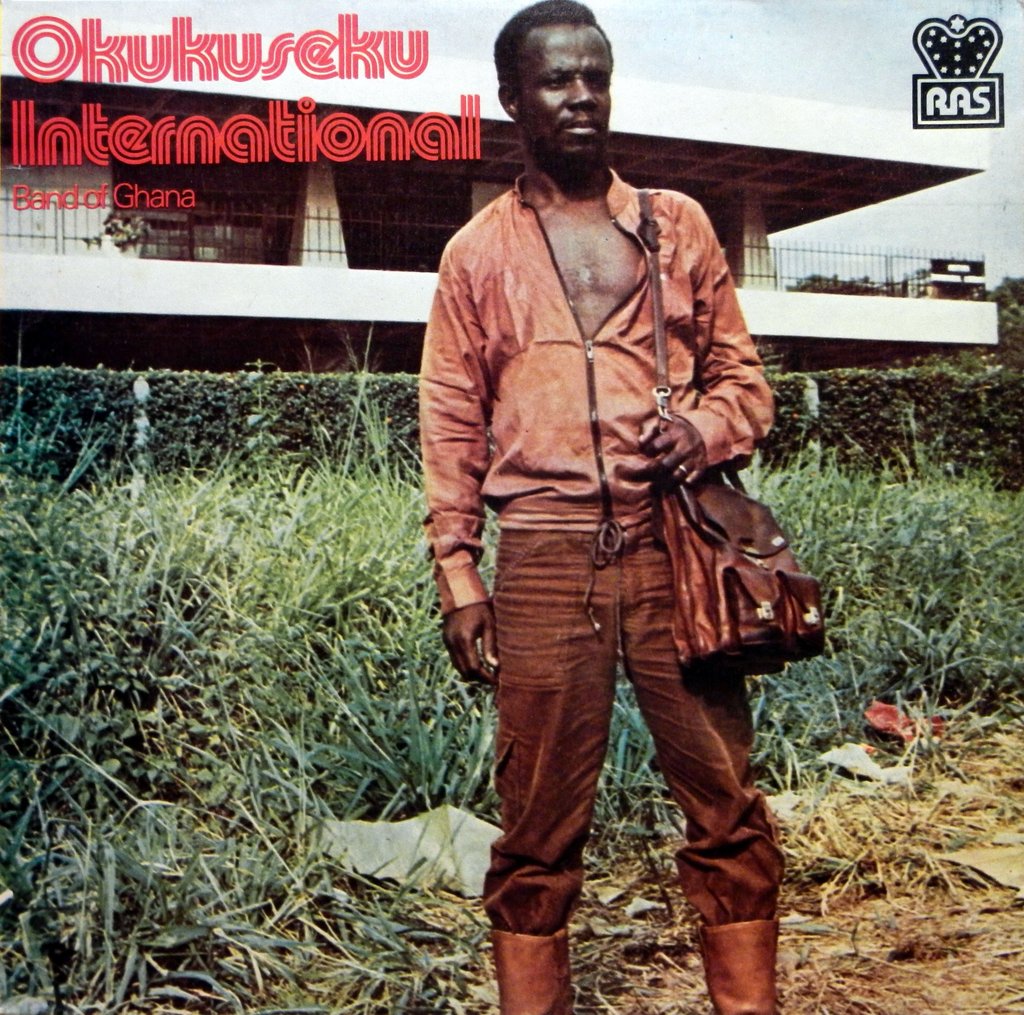
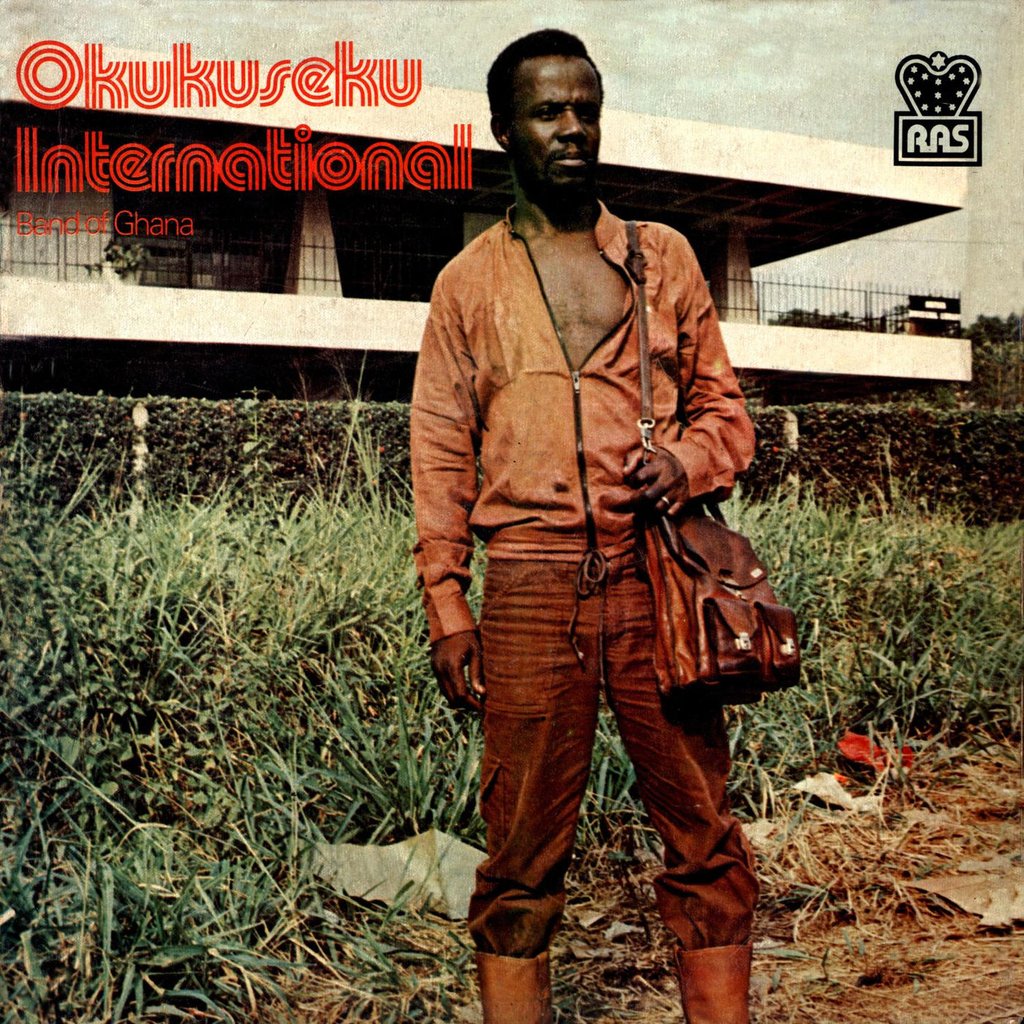
| 1980 | RAS album Okukuseku International Band Of Ghana (LP) in Lagos, with executive production by R. E. Okonkwo |
| 1985 | Return to Ghana; settlement in Koforidua (Eastern Region) |
| 2010–2023 | Reissues and returns: Yellow Sissi (2010), Okponku Special (Yellow Sisi) (2014), I Get Hope and Maria Come Back (2018), single “Obre” (2023) |
Modest beginnings in Kumasi
Kofi Sammy, singer and composer raised in a family of musicians in Koforidua (Asokore, Eastern Region), began with the Kakaiku guitar group in palm-wine highlife style, then joined Noble Kings with Dr. K. Gyasi (mentor and guitarist). Water Proof, an actor who had served an apprenticeship with E. K. Nyami’s No.1 Band, also did not have a guitar: the two therefore decided to associate. Without equipment, they recorded the single “Osona Ba” in 1969 and then moved to Kumasi, where they borrowed instruments from Ambassador Studio — whose president A. Kwasi Badu, impressed by their success, subsequently lent them equipment.
The big leap to Nigeria
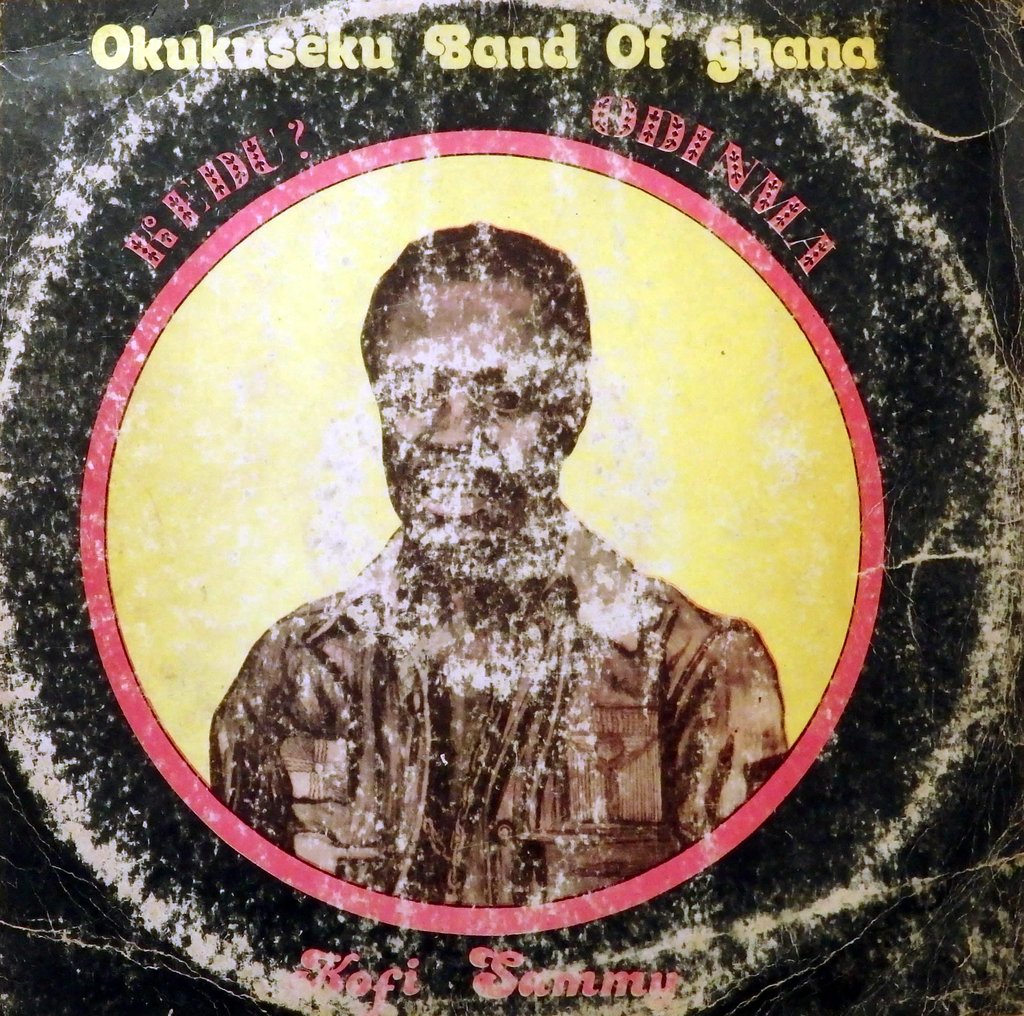
In the 1970s, Okukuseku became one of the best groups in the country. Economic depression pushed the group toward Nigeria in 1979: they recorded albums Okponku Special and Original Kekako in Lagos, then settled in the Eastern Region of Nigeria (the highlife epicentre) and signed with Rogers All Stars from Onitsha. They continued to play Ashanti highlife in Twi, while adding songs in pidgin and Igbo to attract Nigerian audiences. Kofi Sammy, known as The Black Beauty, stated that it was he who brought the Ghanaian genre to Nigeria and made it popular there: « Kakaaku, Onyina, Dr. K. Gyasi and others taught us Highlife and I took it from here to Nigeria and run it fast. »
His albums were very well received there, making him a reference point. He was close to the legendary Fela Anikulakpo Kuti: « When Fela heard that I was in Nigeria, we played together. He played on Friday, I played on Sunday. » He also said that he brought Ghanaian highlife to Nigeria by bringing along other figures such as Ampofo Agyei and Dr. K. Gyasi, whose groups City Boys and Ampadu were won over by his success.
Major works
| Album | Year | Why it is essential |
|---|---|---|
| Agyanka Due | 1970s | First Ghanaian album by the group; marks its consecration in the country before migration to Nigeria. |
| Okponku Special | 1970s–80 | Flagship Nigerian album, recorded in Lagos with RAS label; illustrates the group’s continental success. |
| Suffer Suffer | 1981 | Enduring hit (« Every day, every day suffer suffer »); one of the group’s most celebrated successes. |
| Take Time and Black Beauty | 1983 | Albums of the 1980s that cemented the group’s highlife influence in Eastern Nigeria. |
| I Get Hope / Maria Come Back | 2018 | Recent albums that ensure the group’s relaunch and contemporary anchoring. |
Legacy and influence
The group returned to Ghana in 1985 and settled in Koforidua. Its name — « frequent changes », the frequent shifts — says everything about its destiny: a trajectory that first followed Ashanti highlife and then exported it to the Nigerian coast. After decades of activity, hits like “Abeiku”, “Mebisa” and “Agatha” from the 1970s–80s remain recognized, and the group has seen new releases: Yellow Sissi (2010), 2014 and 2018 albums with I Get Hope, as well as the single “Obre” (2023). Inactive today, Okukuseku remains broadcast on radio and at social gatherings in Ghana and on the continent, continuing its role as a bridge between the two countries.
Sources and references
-
« OKUKUSEKU », Donald’s Encyclopedia of Popular Music, accessed 23 November 2026.
-
« Founder of Okukuseku International Band says he brought Highlife Music to Nigeria », The Southern Examiner, accessed 23 November 2026.
-
« Okukuseku International Band of Ghana », African Music Library (search), accessed 23 November 2026.
-
« Okukuseku International Band Of Ghana », Discogs (master page), accessed 23 November 2026.
-
« Okukuseku International Band Of Ghana », Apple Music (artist page), accessed 23 November 2026.
-
« The Okukuseku live band », The Ghana Report, accessed 23 November 2026.