
Biography
Omar Sosa: The Afro-Cuban Alchemist of the Piano
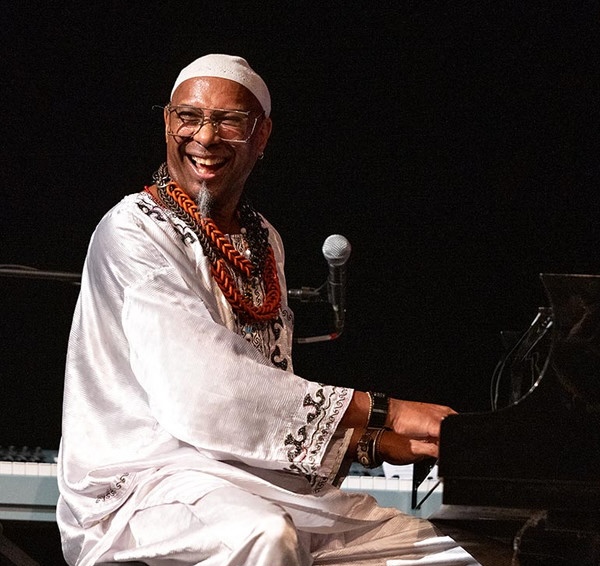
On the evening of a concert in Barcelona, at the beginning of the 2000s, Omar Sosa takes the stage in a white shirt and white trousers, with a red cloth tied around his neck. He sits at the piano, lights a candle before the orishas of Santería, and begins to play. What follows is neither jazz nor salsa, nor even exactly what today we call world music. It is a conversation between a Cuban pianist born in Camagüey and the African ancestors whose music he carries in his blood.
In Brief
| Full Name | Omar Sosa Palacios |
| Birth | April 10, 1965, Camagüey, Cuba |
| Genre | Latin jazz, Afro-Cuban jazz, world music |
| Instruments | Piano, electric piano (Rhodes), marimba |
| Notable Works | Sentir, Ayre de los Ángeles, Transparent Water |
| Awards | 5 Grammy nominations (including Latin Grammy), BBC Radio 3 World Music Awards |
Key Dates
| Year | Event |
|---|---|
| 1965 | Born in Camagüey, Cuba |
| 1973–1980 | Studies in percussion and marimba at the Camagüey Conservatory |
| 1980–1983 | Training at the Escuela Nacional de Música and Instituto Superior de Arte, Havana |
| 1986 | Co-founded the group Tributo; served as musical director for Cuban singers |
| 1993–1995 | Relocated to Quito (Ecuador); immersed in the marimba traditions of Esmeraldas |
| 1995–2003 | Life in San Francisco; first solo albums on his own label, Otá Records |
| 2002–2018 | Relocated to Barcelona; five Grammy nominations |
| Since 2020 | Activities in France and Europe, residency in Paris; solo projects and collaborations |
From Cuban Roots to African Lands
Omar Sosa Palacios was born on April 10, 1965, in Camagüey, the third-largest city in Cuba and a commercial crossroads of the island’s center. His father, Sindulfo Jacinto Sosa Adán, taught history and philosophy; his mother, María Gricelia Palacios Cadena, worked as a telex operator. This family culture—books, classical music, and Afro-Cuban rituals—shaped a child who listened to Nat King Cole and Benny Moré on the family record player, while also discovering by chance the Cuban descarga of Los Amigos and the virtuosic pianos of Chucho Valdés.
At eight years old, he entered the Camagüey Conservatory and discovered percussion and marimba. After a selective entrance exam, he joined the Escuela Nacional de Música in Havana at sixteen. There, since the marimba was little accessible, he turned to the piano—an instrument he learned on his own, practicing seven to nine hours a day. Decades later, he summarized his approach thus: “I’m a percussion player who loves to play piano.” During this period, influences accumulated: the Irakere duo of Chucho Valdés revealed him to Cuban folk music, while Monk, Coltrane, and Herbie Hancock shaped his jazz ear. In 1983, at eighteen, he joined the Instituto Superior de Arte and completed his training.
There began a life as an active musician: he worked as a pianist and musical director for the singer Xiomara Laugart, then collaborated with Vicente Feliú. In the 1980s, he co-founded the group Tributo and toured Angola, Congo, and Ethiopia—tours during which he heard for the first time African big drums, those instruments that would later resonate in his music far beyond the studio.
America: A Ground for Invention
In 1993, Omar Sosa sailed to Quito in Ecuador. There he discovered the music of Esmeraldas, a northwestern region where descendants of African slaves still practice the centuries-old marimba tradition. This experience marked a turning point: the artist understood that Cuban roots and African sounds were but a single river. He formed the group Entrenoz, blending jazz fusion and Ecuadorian folklore.
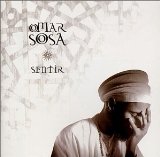
After a brief stop in Palma de Mallorca, he settled in California toward the end of the 1990s. San Francisco became his laboratory: he published a series of albums under his own name on Otá Records, the label he had created. Omar Omar (1996) is a stripped-down piano-percussion trio; Sentir (2002) is a masterpiece of syncretism where Cuban music meets Moroccan Gnawa chants, Venezuelan percussion, and Indigenous spoken word. Critics hailed the audacity of this ambitious project blending African spirituality and avant-garde jazz.
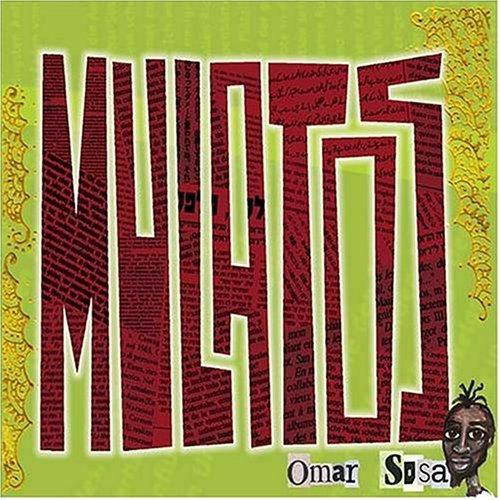
But the decisive turning point came in 2010: Omar Sosa settled in Barcelona and gradually drew closer to the European, then French scene. The city offered him new collaborations with Italian, Senegalese, and Algerian musicians. He has published more than twenty solo albums since his first record, including Mulatos (2004) with clarinetist Paquito D’Rivera, Eggun (2013)—a tribute to Miles Davis revisited in Afro-Cuban key—and Transparent Water (2017) as a duo with Senegalese kora player Seckou Keita.
Major Works
| Work | Year | Why It’s Essential |
|---|---|---|
| Sentir | 2002 | Afro-Cuban fusion: Gnawa chants, Venezuelan percussion, and piano. Album nominated for Latin Grammy Awards. |
| Mulatos | 2004 | Mythic collaboration with Paquito D’Rivera, a name in Cuban saxophone and clarinet. |
| Ayre de los Ángeles (subtitle: For the Unseen) | 1998 | Sound portraits of Afro-American figures—John Coltrane, Duke Ellington, Abbey Lincoln. |
| Transparent Water (with Seckou Keita) | 2017 | Piano and kora answer each other: two traditions, one conversation. |
Heritage and Influence
Omar Sosa changed the way Latin jazz opens up to the African continent. His five Grammy nominations—including one Latin Grammy and several categories for jazz and world music—bear witness to an art that crosses borders without ever fully crossing them. The Smithsonian awarded him a lifetime achievement prize in 2003 for his contribution to Latin jazz in the United States, and BBC Radio 3 named him twice in its Americas category. His concerts—more than one hundred a year on six continents since the turn of the 2000s—are often described as spiritual experiences by specialized press.
Omar Sosa’s imprint is not limited to his solo work: he has collaborated with a half-dozen major names—Paolo Fresu, Adam Rudolph, Seckou Keita, John Santos, Yilian Cañizares—and founded the Otá Records label to publish his music with complete freedom. In 2014, a documentary titled Omar Sosa’s 88 Well-Tuned Drums documented his approach: whether at the piano or on drums, every note is an opening ritual. He now lives between Paris and Europe, perpetuating a musical bridge between Africa and the Americas that feeds on every new collaboration.
Sources and References
- « Omar Sosa — Biography », AllMusic, by Greg Prato, allmusic.com, accessed November 16, 2025.
- « Omar Sosa », English Wikipedia, en.wikipedia.org, accessed November 16, 2025.
- « Omar Sosa — Omar Sosa Palacios », Jazz.com Encyclopedia, jazz.com, accessed November 16, 2025.
- « Pianist Omar Sosa says ‘jazz is a philosophy’ », KPBS Midday Edition, interview, kpbs.org, accessed November 16, 2025.
- « Omar Sosa — Artist Profile », SFJAZZ, sfjazz.org/onthecorner/articles/omar-sosa, accessed November 16, 2025.
- « Biography », Omarsosa.com (official site), omarsosa.com/biography, accessed November 16, 2025.
- « Omar Sosa — Artist Profiles », World Music Central, worldmusiccentral.org, accessed November 16, 2025.