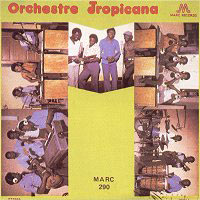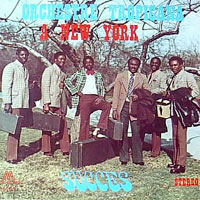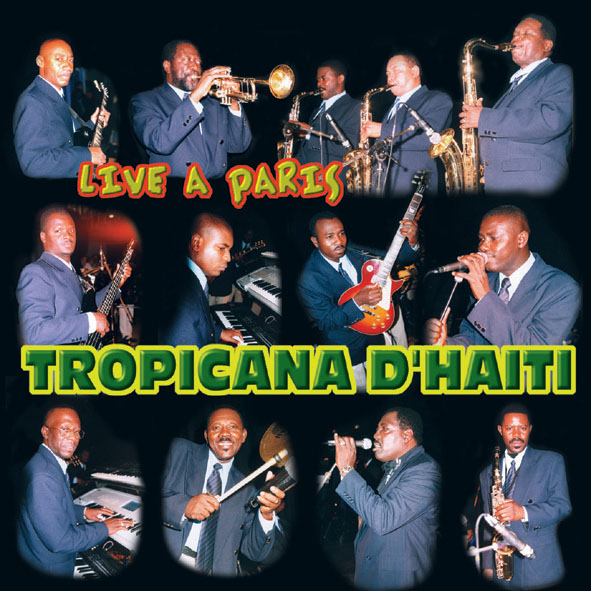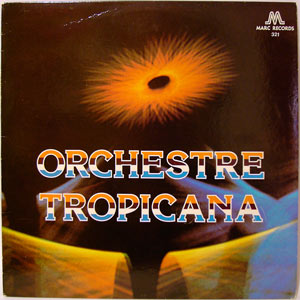
Biography
Orchestre Tropicana d’Haïti
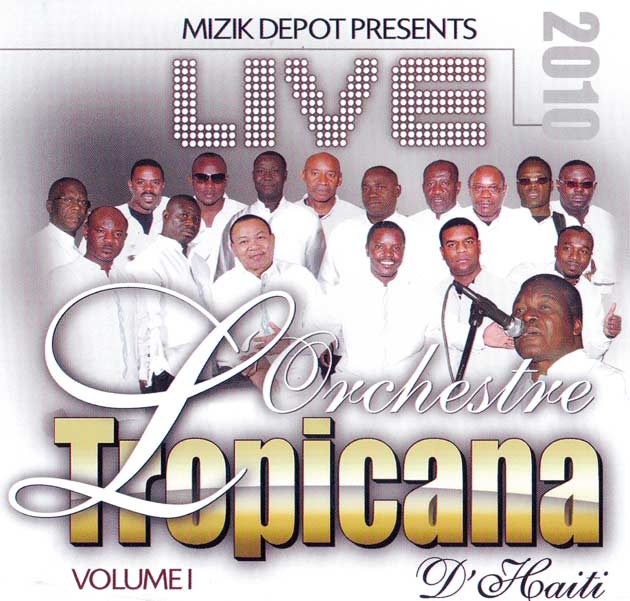
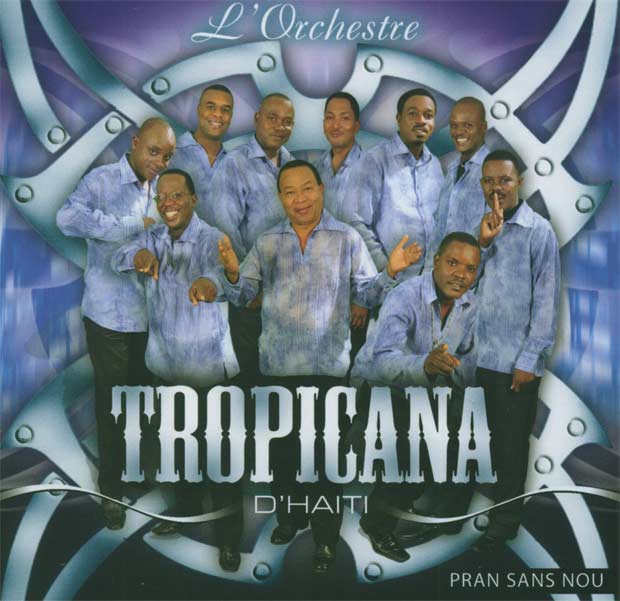
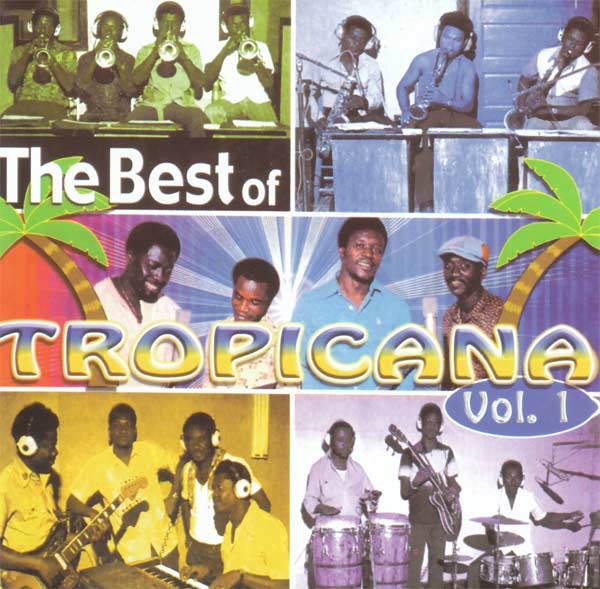
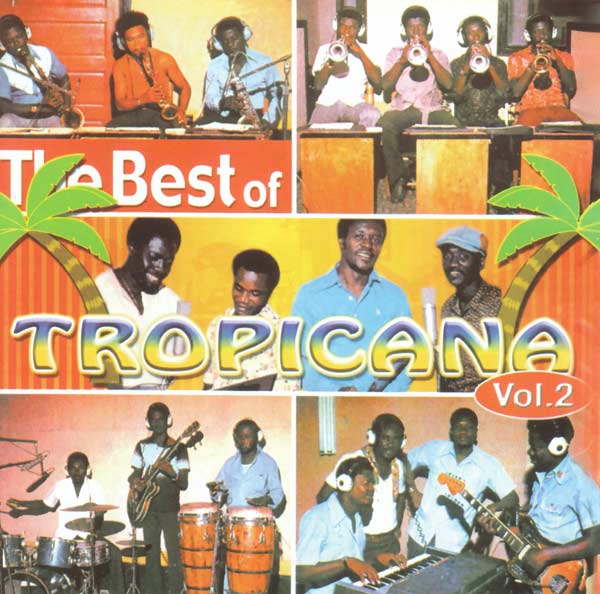
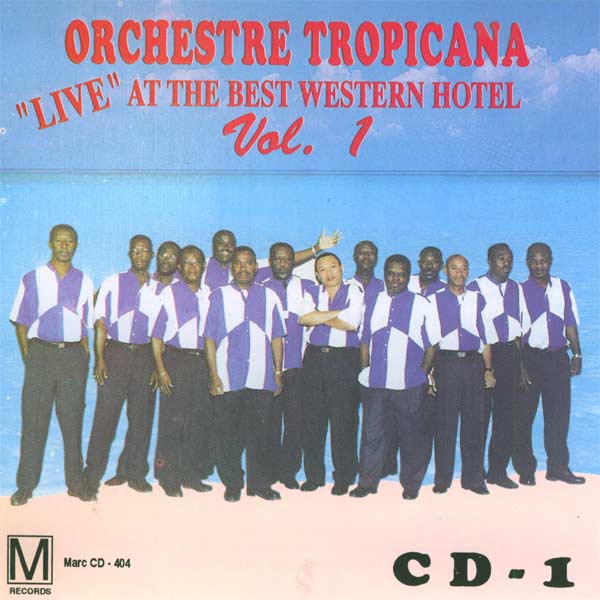
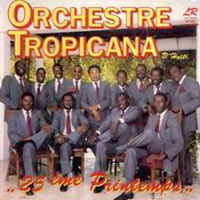
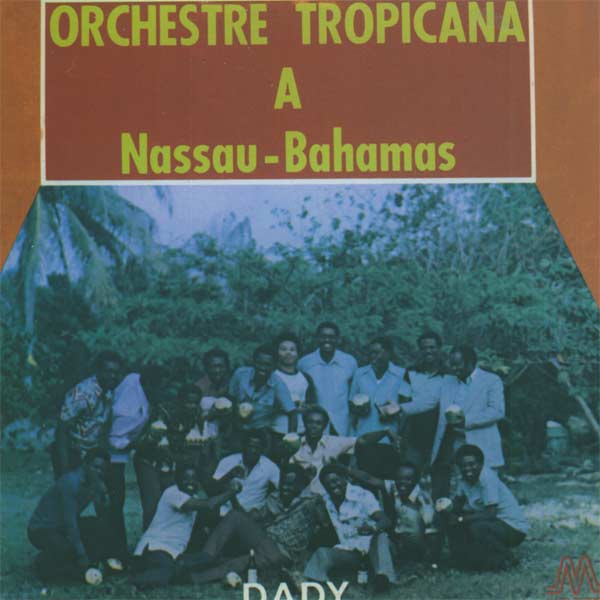
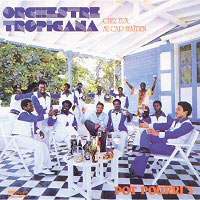
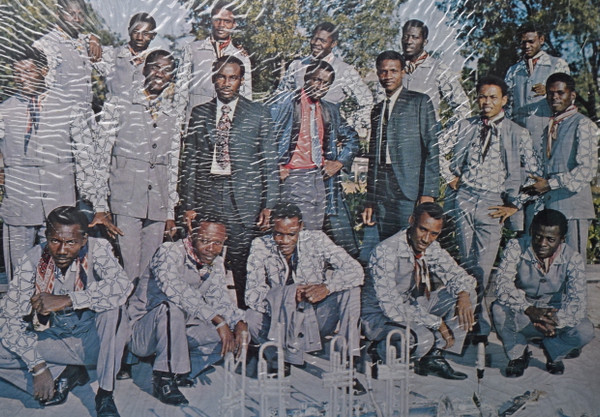
On August 15, 1963, at the Yanvalou Night Club in Cap-Haïtien, a group of musicians and fans gathered to found what would become one of the most iconic orchestras in Haitian music. Baptized Orchestre Tropicana d’Haïti, named after a Cuban night-club that one of the initiators frequented assiduously, this group will traverse six decades while remaining faithful to konpa — the dance music born in Haiti at the end of the 1950s — while acquiring the nickname “International Golden Rocket”, testimony to its longevity and discipline.
In brief
| Full name | Orchestre Tropicana d’Haïti |
| Nickname | La Fusée d’or internationale |
| Formation | August 15, 1963, Cap-Haïtien, Haiti |
| Domain | Konpa (direct Haitian compas) — dance music born in Haiti at the end of the 1950s, blending Caribbean rhythm and French harmonies |
| Key founding members | Emmanuel Turenne (conductor, saxophone), Charlemagne Pierre-Noël (musical director), Bazile Cobty (initiator) |
| Iconic singers | Giordany Joseph, Parisien Fils-Aimé, Gérard Michel |
| Historical labels | Marc Records, Mini Records, Geronimo Records |
Key dates
| Year | Event |
|---|---|
| 1940-56 | L’Orchestre Caraïbes, ancestor of Tropicana (stemming from the 1940 Jazz Capois), animates dances in northern Haiti |
| March-August 1963 | Formal birth of Tropicana from L’Orchestre Caraïbes; first rehearsal on March 24 in Bazile Cobty’s house |
| 1968 | Arrival of singer Giordany Joseph, who shifts the repertoire towards bolero and French song |
| 1970-1973 | First recording; the tracks “Zoklo” and “Ti Zo” become national hits |
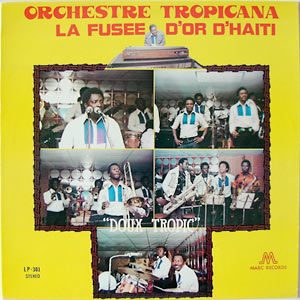
| 1978 | Release of “Doux Tropic”, confirming the group’s musical identity |
| 1982 | Publication of “Superstition”, a turning point with a social message |
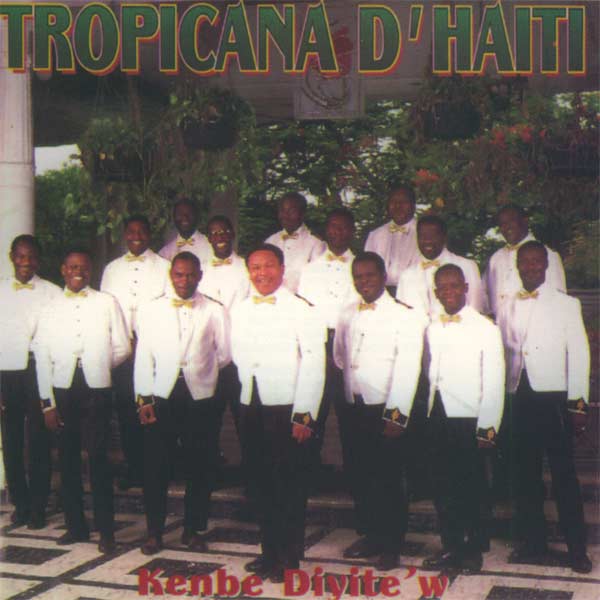
| 1991-1993 | “Nou refize granmoun” and “Kenbe diyite’w”, committed albums blending dance and engagement |
| 2008-2023 | Foundation FondaTropic (2008), 60th anniversary in Cap-Haïtien (2023) |
| 2015-2022 | “Bravo Tropic” (2015) and “Gwo tanta” (2022) attest to uninterrupted activity |
Origins: from Jazz Capois to konpa woussi
The roots of Orchestre Tropicana plunge well before its official founding. In the 1940s, Jazz Capois formed by Claudin Toussaint animates dances in northern Haiti. At the end of the 1950s, this ensemble evolves into Orchestre Caraïbes. The genesis of Tropicana is singular: it was in March 1963, at the Yanvalou Night Club, that Bazile Cobty — a Cuban settled in Haiti — proposed renaming the group after his favorite club in Cuba. The first rehearsal takes place in a house belonging to Cobty on March 24.
The context is unfavorable: northern Haiti is under the shadow of Orchestre Septentrional, favorite of wealthy classes. Tropicana will be the people’s orchestra, welcomed with difficulty in the city’s chic venues.
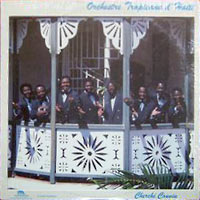
Three maestros forge the group’s musical identity. Emmanuel Turenne, conductor and saxophonist, lays the rhythmic foundation. Charlemagne Pierre-Noël, musical director, structures the arrangements of konpa woussi — this mixed style of kompa, méringue and bolero that will become the group’s signature. Daniel Larivière signs the scores, blending Latin harmony and Haitian sensibility: brilliant brasses, anchored bass, melodic guitars.
The Giordany Joseph turning point arrives in 1968 and transforms the landscape. This singer, born on October 17, 1937 in Grand-Bassin Terrier-Rouge, brings boleros, French songs and pot-pourris. “Rosemarie”, “Marie Madeleine” and the famous “Le Nègre” — arranged by Jean Janvier Muselaire — inscribe the group in a romantic and socially engaged repertoire.
Revelation: the records that marked generations
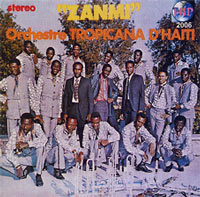
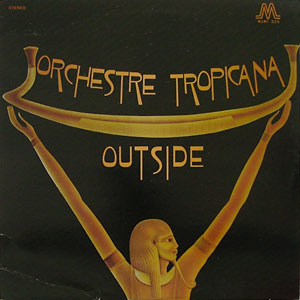
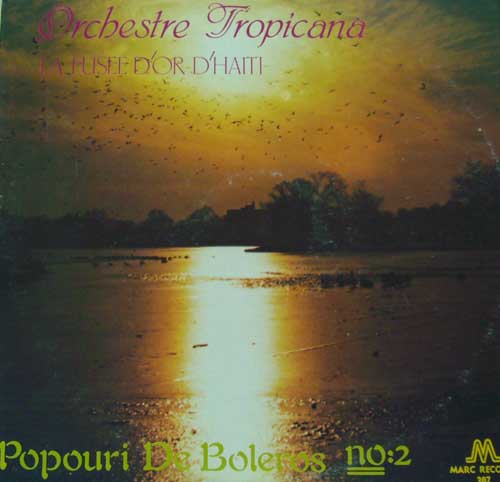
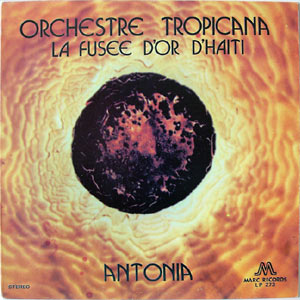
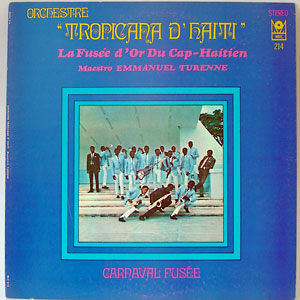
Tropicana’s ascent is built on seven years of galas in popular neighborhoods. “La Fusée d’or du Cap-Haïtien” (1971), then the albums “Ti Zo” and “Zanmi” at Marc Records open the way. The first commercial record is called “Ti zo” (1973); the hit accompanying it bears a title: “Zoklo”. Giordany Joseph, Parisien Fils-Aimé and Gérard Michel share the vocals there.
“Zoklo” becomes a mandatory dance at carnival; “Ti Zo” marks memories for its frenzied rhythm, the konpa woussi signature of the group. The catalog then expands with classics like “Le Nègre”, “Doux Tropic” and “Adrienne”.
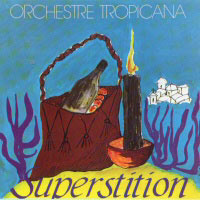
“Superstition” (1982) is a major turning point: the compas becomes a mirror of Haitian society, denouncing the country’s flaws with rare force. “Nou refize granmoun” (1991) and “Kenbe diyite’w” (1993) confirm this committed vocation, placing Tropicana among orchestras that did not fear mixing dance and political message.
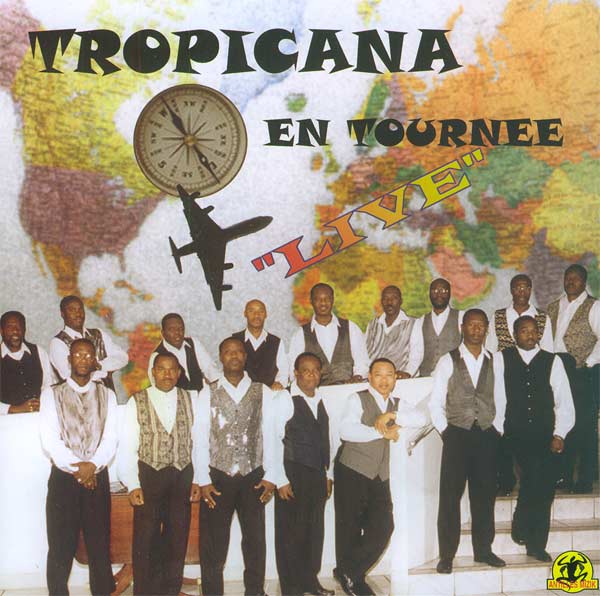
The group performs internationally from the 1970s — United States, Canada, Antilles — and its traditional evenings at “Distinction night-club” in Port-au-Prince gather generations of music lovers every year.
Major works
| Work | Year | Why it is essential |
|---|---|---|
| “Zoklo” | 1973 | The hit that shifts Tropicana from local status to national orchestra; mandatory dance at carnival |
| “Ti zo” | 1973 | First commercial record, launches the group’s signature konpa woussi |
| “Superstition” | 1982 | Major social work: the compas becomes a mirror of Haitian society’s flaws |
| “Nou refize granmoun” | 1991 | Committed album: uncompromising political and citizen messages, a turning point in the repertoire |
Heritage and influence
More than an orchestra, Tropicana d’Haïti is a cultural institution that has spanned six decades without losing its vitality. What allows for this longevity is the discipline of the orchestra: the brass shines, the guitars are melodic, and the bass is solid. The group forms each new generation, ensures the transmission of original arrangements, and preserves a repertoire of more than two hundred titles that delights at dances, ceremonies, and patronal festivals.
The FondaTropic Foundation, created in 2008, perpetuates the group’s social action and organizes university colloquia on Haitian popular music. The 60th anniversary, celebrated in 2023 at the Place d’Armes in Cap-Haïtien, brought together musicians and researchers. As Professor Antoine Augustin, president of the orchestra, stated: « Si pa t gen Tropicana ti rès ki pa fou a tap tou fou » — if Tropicana did not exist, only fools would remain. The orchestra is more than a group: it is a source of pride for Northern Haiti, a model of team success, and the school of sound that continues to carry the torch of konpa in the diaspora.
Sources and references
- « Orchestre Tropicana d’Haïti », Wikipédia, https://fr.wikipedia.org/wiki/Orchestre_Tropicana_d%27Ha%C3%AFti, accessed 11 November 2026.
- Johnson Fénelon, « Que du bien de l’orchestre Tropicana pour ses 55 ans », Le Nouvelliste, 22 August 2018, https://villeducaphaitien.com/art-et-culture/musique/442-l-orchestre-tropicana-ou-la-fusee-d-or, accessed 11 November 2026.
- G. Aluc, « Orchestre Tropicana D’Haiti: The pride of a Nation », Tripotage Magazine, 2 February 2012, https://haitiinfos.net/2012/04/07/orchestre-tropicana-dhaiti-the-pride-of-a-nation/, accessed 11 November 2026.
- « Orchestre Tropicana », HaitiDJ, https://www.haitidj.com/fr/artist/tropicana/, accessed 11 November 2026.
- « Orchestre Tropicana D’Haiti », Archives de la musique haïtienne — Legal Men Bagay, https://achivmizikayisyen.com/Artist/O/orchestre-tropicana-d-haiti.php?lang=en, accessed 11 November 2026.
- « Joseph, Pierre Féquière (Giordany Joseph) », Haitian Music Archive — Open A Music, https://opamusic.com/Bios/artist/joseph-pierre-fequiere-giordany-joseph, accessed 11 November 2026.
- « L’Orchestre Tropicana ou la Fusée d’or », Collectif Tet Ansanm pou Okap / Ville du Cap-Haïtien, accessed 11 November 2026.
- « Orchestre Tropicana — biographie », Le Courrier de la Nation, 17 August 2023, https://lecourrierdelanation.com/culture/article/2023/08/17/viv-tropicana, accessed 11 November 2026.