Biography
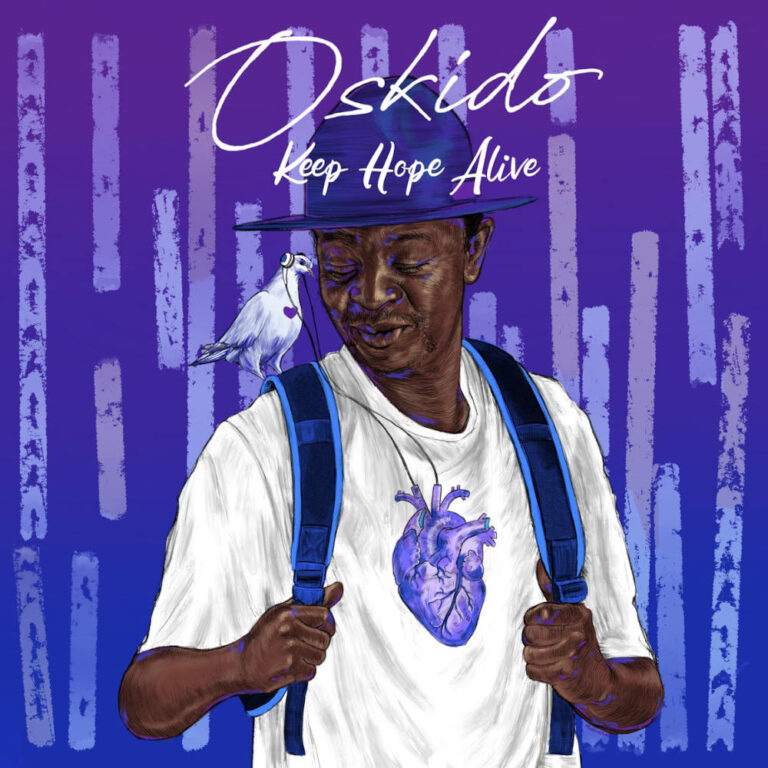
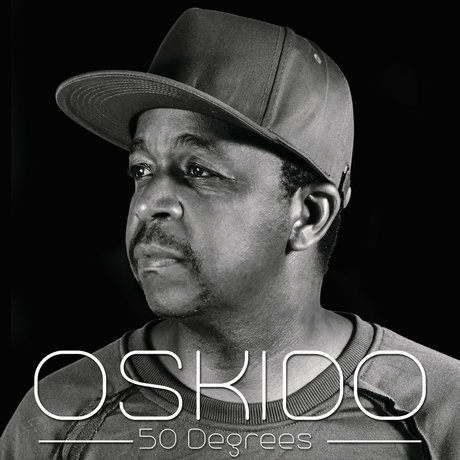
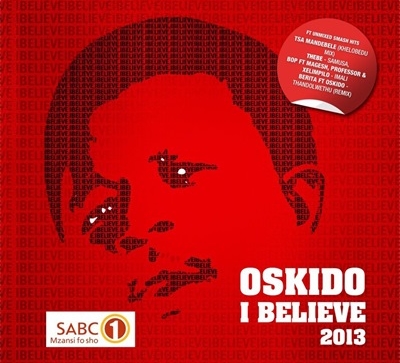
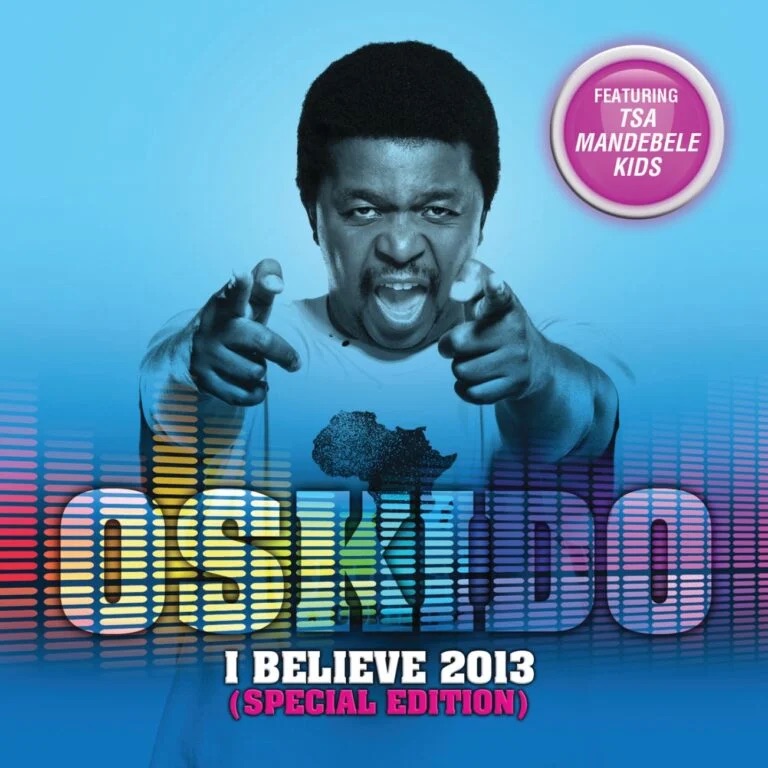
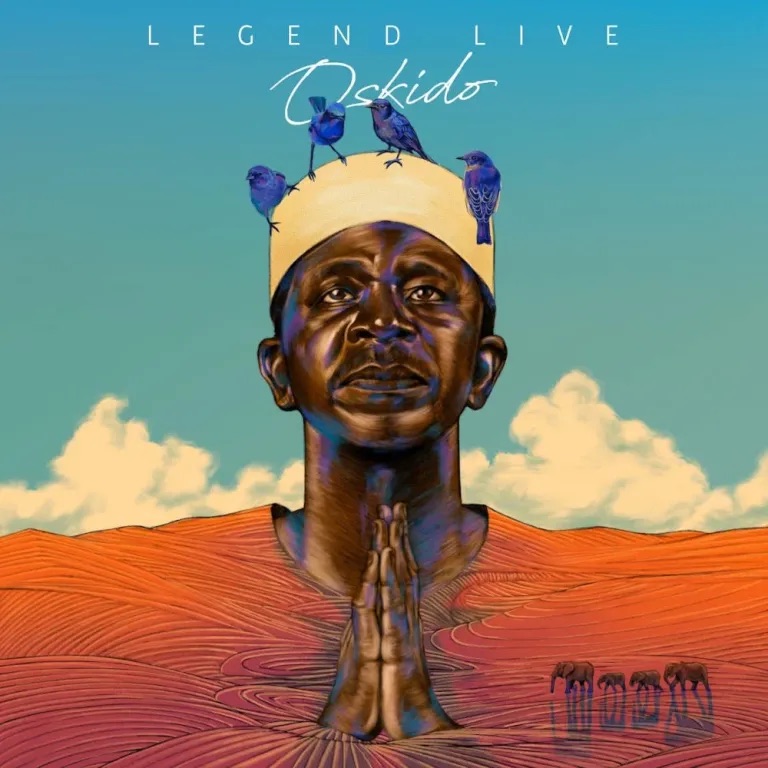
Oskido
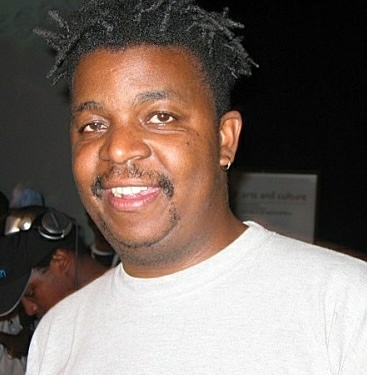
In 1987, a young man named Oscar Mdlongwa arrived in Johannesburg and found himself outside the Razzmatazz club in the Hillbrow neighborhood. He sold sausage rolls working as a street vendor, and used every break to sneak into the club and spin records late at night. The venue’s owner lent him his vinyls, introducing him to closing sequences. One night, the scheduled DJ didn’t show up — Oscar took the stage and adjusted the speed of American albums to match an African dance rhythm. He didn’t know it yet, but that night shifted the trajectory of a career that would transform South African music for decades to come.
In Brief
| Full Name | Oscar Sibonginkosi Mdlongwa |
| Stage name | Oskido |
| Nicknames | The Big “O”, Godzilla |
| Birth | November 29, 1967, Brits, South Africa |
| Genre(s) | Kwaito, afro house, afropop, house music |
| Activities | Producer, DJ, co-founder of label |
| Label | Kalawa Jazmee Records |
Key Dates
| Year | Event |
|---|---|
| 1967 | Birth of Oscar Mdlongwa in Brits, parents South African and Zimbabwean |
| 1987 | Return to South Africa, arrival in Johannesburg |
| 1992 | Co-founding of Kalawa Records with Don Laka and Christos Katsaitis |
| 1994-2004 | Collaborations with Bruce “Dope” Sebitlo under the name Brothers of Peace |
| 1995 | Kalawa becomes Kalawa Jazmee Records after the arrival of the Jazmee label |
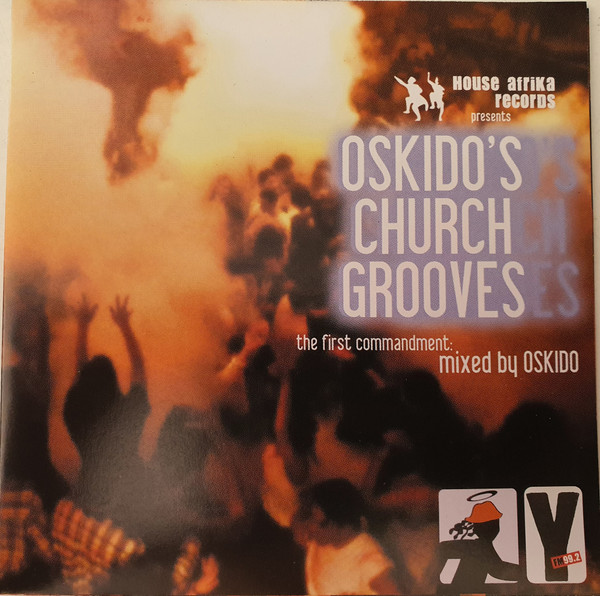
| 2001 | Launch of the Church Grooves compilation series |
| 2007 | Career Achievement Award at Metro FM Music Awards |
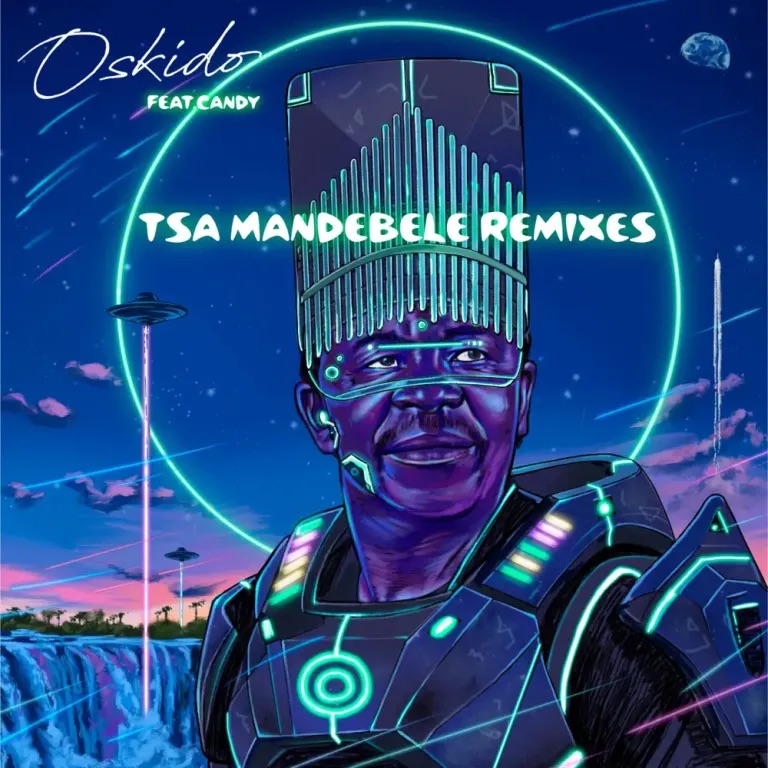
| 2013 | Release of the album Tsa Mandebele |
| 2019 | Release of the album Akhiwe, collaboration with Kabza De Small and MFR Souls |
| 2021 | Single “Sizophelelaphi” as a duo with Msaki |
| 2026 | Decoration with the Silver Order of Ikhamanga by President Ramaphosa |
Origins Between Two Worlds — from Bulawayo to Johannesburg
Oscar Sibonginkosi Mdlongwa was born on November 29, 1967, in the Oukasie township near Brits in South Africa. His father Esaph Mdlongwa was a Zimbabwean politician, member of the MDC; his mother Emily Sophia Molefi is South African. The family quickly settled in Zimbabwe, where Oscar grew up in the Luveve township in Bulawayo. He completed his primary and secondary education there, earning his diploma from Gifford High School. This dual culture — South African through his mother and Zimbabwean through his father — shaped a hybrid identity that would permeate throughout his musical production.
Returning to South Africa in 1987, at the age of twenty, Oscar worked in a small family business in Lethlabile, near Brits. But Johannesburg called to him. He settled there and accepted a street vendor job in front of the Razzmatazz club. It was there that he met Ian Sigola, the club owner who lent him his vinyls and introduced him to DJing. The early experiences were humble: Oscar slipped into the club to spin the final sessions, slowing down American house music rhythms until they matched an authentic African dance.
From Kwaito to Amapiano Pioneers — Kalawa Jazmee and Beyond
The first real opportunity arose when a resident DJ at Razzmatazz missed his commitment. Oscar took his place and impressed everyone. He then developed a personal sound, restarting existing songs by injecting slower rhythms. His cassette compilations Mixmaster and Big Jam quickly made his name known beyond Johannesburg.
In 1992, Oscar joined producers Don Laka and Christos Katsaitis to create Kalawa Records. The label recorded their first compilation, BOP (Brothers of Peace), released in 1993. In 1995, the label merged with Jazmee (Trompies’ label) and became Kalawa Jazmee Records. The new ecosystem quickly welcomed the country’s best talents: Boom Shaka signed as the first artist on the label, followed by Mafikizolo, Bongo Maffin and Black Coffee. Kalawa Jazmee became the reference label for South African youth culture.
Oskido produced eight albums himself between 1994 and 2004 with Bruce “Dope” Sebitlo, under the Brothers of Peace banner. The title Makwerekwere — a critical homage to xenophobic behaviors toward foreigners in South Africa — became a kwaito classic. The track Zabalaza : Project B opened the doors to global dancefloors when Louie Vega licensed and remixed it for his American label MAW Records. The album Akhiwe (2019) marked Oskido’s meeting with amapiano, this South African genre born in townships blending soulful piano and deep log drums, through a collaboration with Kabza De Small and MFR Souls.
In 2026, President Cyril Ramaphosa awarded him the Silver Order of Ikhamanga. Oskido stated it was an honor greater than himself, belonging to his musical family Kalawa Jazmee and the pioneers who preceded him. He clarified that music is recognized as “more than entertainment: it’s culture, storytelling and nation-building.” He also received the Lifetime Achievement Award at South African Music Awards number 32 in August 2026. Oskido continues to produce and mentor young artists through the label, which released the album Tiki Tiki 2.0 in July 2026.
Major Works
| Work | Year | Why It’s Essential |
|---|---|---|
| BOP (Brothers of Peace) | 1993 | First project of Kalawa Records, launch of the legendary label |
| “Makwerekwere” | 1990s | Kwaito classic, call against xenophobia in South Africa |
| Zabalaza : Project B | 1990s | First afro-house album to cross global borders via Louie Vega |
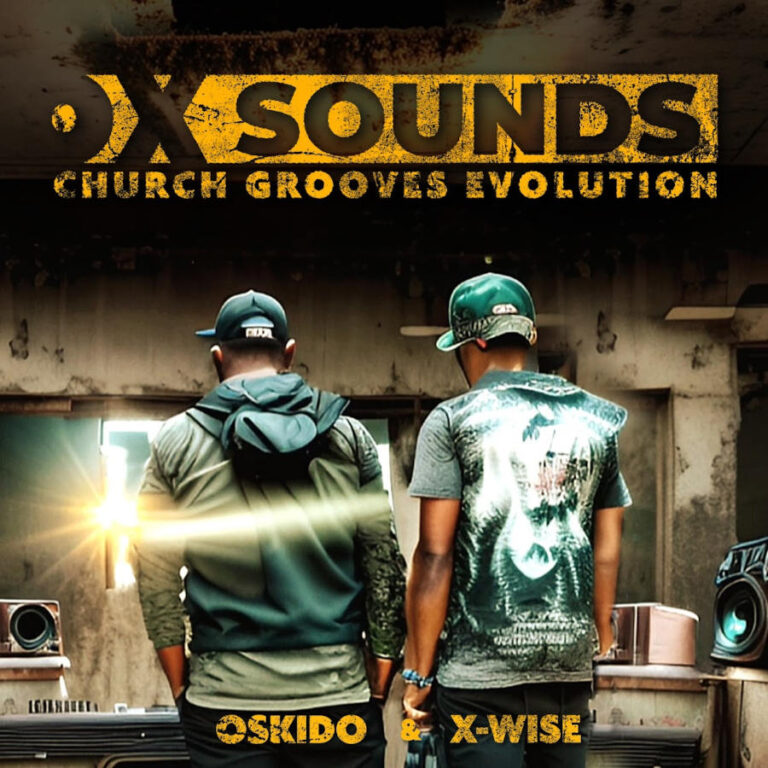
| Church Grooves (series) | 2001-2010 | Gospel-house compilations that redefined the South African dance scene for twenty years |
| Akhiwe | 2019 | Bridge between Oskido and amapiano, featuring Kabza De Small and MFR Souls |
Heritage and influence
Oskido is the architect of a musical ecosystem that defined three generations of South African music. From 1990s kwaito to the 2000s afro-house, and then to contemporary amapiano, every movement found in him a catalyst. The label he co-founded remains one of the most influential independent record houses on the continent, and his productions continue to influence artists such as DJ Maphorisa, Kabza De Small and DJ Zinhle. His commitment to young talent — opening doors, sharing the stage, training new generations of DJs and producers — makes him a central figure in South African music culture. As he himself says: “you will always be rewarded when you open doors for other people.”
Sources and references
- “Oskido”, English Wikipedia, https://en.wikipedia.org/wiki/Oskido, accessed 20 November 2026.
- “Oskido Biography”, Resident Advisor (ra.co), https://ra.co/dj/oskido/biography, accessed 20 November 2026.
- “OSKIDO”, Vivanova, https://viranova.co.za/artist/oskido, accessed 20 November 2026.
- Joy Mphande, “Oskido dedicates his Silver Order of Ikhamanga to Kalawa Jazmee family”, Times LIVE, 21 May 2026, https://timeslive.co.za/tshisa-live/2026-05-21-oskido-dedicates-his-silver-order-of-ikhamanga-to-kalawa-jazmee-family, accessed 20 November 2026.
- “They were healing the nation” - Oskido reflects on South Africa’s musical heritage, DRUM / News24, 24 September 2022, https://news24.com/life/arts-and-entertainment/music/they-were-healing-the-nation-oskido-reflects-on-south-africas-musical-heritage-20220924, accessed 20 November 2026.