Biography
Patience Dabany: Between Power and Rumba
After eighteen years spent at the heart of Gabonese power, Patience Dabany offers an uncompromising look at the opulence of Omar Bongo’s presidency. The “Mama,” as the people call her, traded the codes of the African Elysée for those of her first love: music. With her warm voice and percussion, she built a discographic career that crosses the Atlantic and reinvents Gabonese heritage for world ears.
In Brief
| Full Name | Marie-Joséphine Kama, known as Patience Dabany |
| Birth | January 22, 1944, Brazzaville (French Equatorial Africa) |
| Origin | Bateke, Haut-Ogooué, Gabon |
| Status | Living |
| Genre | Congolese Rumba, zouk, soukous, world music |
| Notable Works | Patience Dabany, Obomiyia, La Locomotive |
| Nickname | “la Mama” |
Key Dates
| Year | Event |
|---|---|
| 1944 | Birth of Marie-Joséphine Kama in Brazzaville; her parents are from Haut-Ogooué |
| 1959 | Marriage to Albert-Bernard Bongo; birth of their son Alain (future Ali Bongo) |
| 1967 | Accession of Omar Bongo to the presidency of Gabon; Joséphine becomes First Lady |
| 1975 | Creation of the Kounabéli Mbil’asuku orchestra (“the eagle of Haut-Ogooué”); composition of music and choreographies |
| 1986 | Divorce from Omar Bongo; beginning of exile in Europe and then the United States |
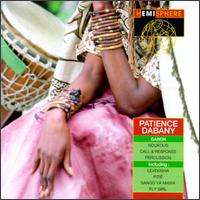
| 1990 | Release of the album Patience Dabany (Dabany Productions); opening of the Mbila studio in Los Angeles |
| 1994 | Self-production of Patience Dabany, album produced by Grammy-winning engineer Reggie Dozier |
| 2001 | Concert at the Olympia in Paris; release of the album Article 106 |
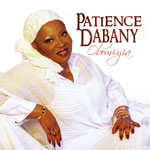
| 2004 | Release of Obomiyia, album produced by Edgar Yonkeu with Quincy Jones and Jacob Desvarieux; European tour with James Brown |
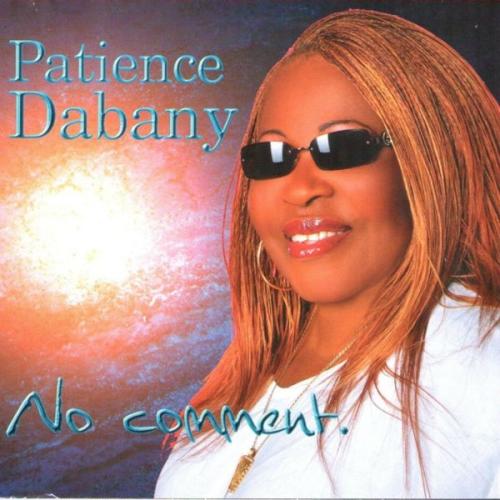
| 2007 | Release of the album No Comment and the hit single “Ewawa” |
| 2011 | Double album La Locomotive with afro-zouk and rumba sounds; “Grande Nuit Africaine” at the Stade de France |
| 2012 | Singing at the final of the Africa Cup of Nations in Libreville |
From Musical Origins to the World Stage
From childhood, Patience Dabany was immersed in music. Her father Jérôme Dabany played the accordion, her mother Véronique Nabibiga sang traditional Bateke repertoire (the people from whom her ancestors descend, in southeastern Gabon), and her brother accompanied her on guitar. The church and traditional shows forged her voice. This family training, she recalls in a 2004 RFI interview: “In my family, everyone sings. My father was an accordionist, and when he played, we sang. Everything started from there.”
When her husband became president of Gabon in 1967, Patience Dabany transformed into an active First Lady. She created political animation groups that became the Kounabéli Mbil’asuku orchestra. Under this pseudonym, she was an author, composer, and choreographer. “I didn’t think about making music at the time,” she will confess, “but I was composing for a group.”
In 1986, after a painful divorce, Marie-Joséphine Kama decided to reclaim her name and embark on a full-time musical career. Initially settled in Los Angeles, then Libreville, she founded two studios: Mbila in Los Angeles and Elumba 2 in Libreville. Her music draws from Congolese rumba, zouk, soukous, and the batéké repertoire, crossing genres—rap, salsa, merengué, afro-jazz.
Seven Albums, a Dialogue Between Africa and the West
The first album, Patience Dabany (1990), was produced by sound engineer Reggie Dozier (Grammy winner). “They called me Patience Dabany and recorded the songs in the most natural way possible,” she tells RFI. In 2004, Obomiyia marked a turning point: the Cameroonian Edgar Yonkeu produced it, and the album brought together Quincy Jones, Jacob Desvarieux, and pygmy choirs. “It’s my album with the voices of the Pygmies,” she explains. “Gabonese folklore is very rich.”
The Gabonese people affectionately call her “la Mama,” and she supports a new generation: Oliver N’Goma, Aziz Inanga, Angèle Assélé. She shares prestigious stages—Olympia in 2001, Stade de France in 2011, the final of CAN 2012 in Libreville.
Major Works
| Work | Year | Why It Is Essential |
|---|---|---|
| Patience Dabany (album) | 1990 | First international album, produced by Reggie Dozier (Grammy engineer) |
| Article 106 | 2001 | Reaffirmation of an African voice on the world stage, concert at the Olympia |
| Obomiyia | 2004 | World music album featuring Quincy Jones, Jacob Desvarieux, and pygmy choirs |
| No Comment | 2007 | With the title “Ewawa,” a hymn to zouk and soukous that anchors her heritage |
| La Locomotive | 2011 | Double album exploring afro-zouk, rumba, merengué, and afro-jazz |
Legacy
Patience Dabany remains a singular figure on the African music scene. As magazine 200 World Albums writes, her journey is “a story of female empowerment”: after years by the side of power, she left the opulence of the presidency to pursue a musical career. More than a singer, she is an ambassador for Gabonese heritage—the pygmy voices, Fang, Bateke, Bapounou, and Myéné dialects—who managed to find bridges between traditional sounds and international sound. She paved the way for a whole generation of Gabonese and African artists, and remains a voice of wisdom and perseverance.
Sources and References
-
“Patience Dabany (Marie-Joséphine Kama)”, Wikipedia, https://fr.wikipedia.org/wiki/Patience_Dabany, accessed October 22, 2025.
-
“Patience Dabany”, Wikipedia (EN), https://en.wikipedia.org/wiki/Patience_Dabany, accessed October 22, 2025.
-
Pierre René-Worms, “The American Dream of Patience Dabany”, RFI Musique, 28 April 2004, https://musique.rfi.fr/musique/20040428-le-reve-americain-patience-dabany.html, accessed 22 October 2025.
-
“Patience Dabany”, Discogs, https://www.discogs.com/artist/1396036-Patience-Dabany, accessed 22 October 2025.
-
“GABON: Patience Dabany”, 200 World Albums / NoiseNomad, https://www.200worldalbums.com/post/gabon-patience-dabany-patience-dabany, accessed 22 October 2025.
-
Lauranne Provenzano, “Patience Dabany, ‘La Mama 2010’”, Jeune Afrique, 29 September 2010, accessed 22 October 2025.
-
“Patience Dabany”, Apple Music, https://music.apple.com/ga/artist/patience-dabany/16572036, accessed 22 October 2025.
-
Henry Louis Gates Jr. and Emmanuel Akyeampong (eds.), “Dabany, Patience (1937–)”, Dictionary of African Biography, Oxford University Press, 2012.