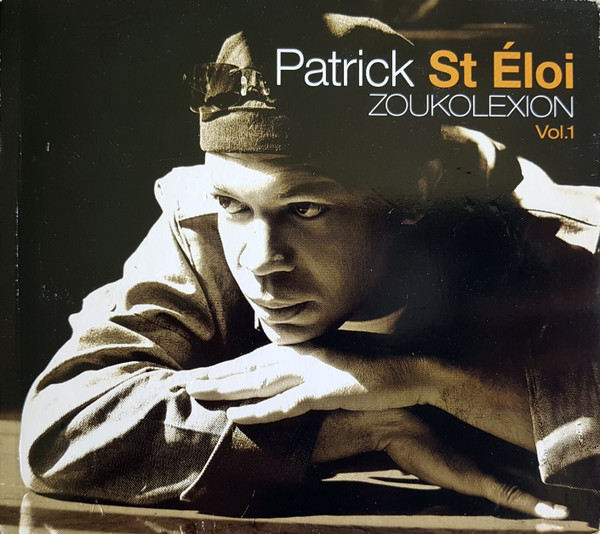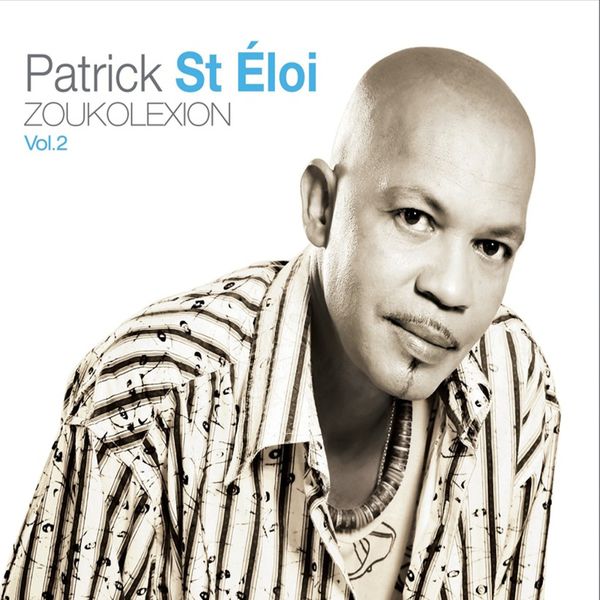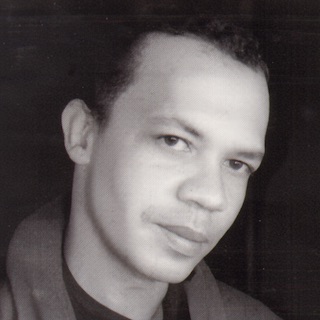
Biography
Patrick Saint-Éloi: the voice that shaped zouk love
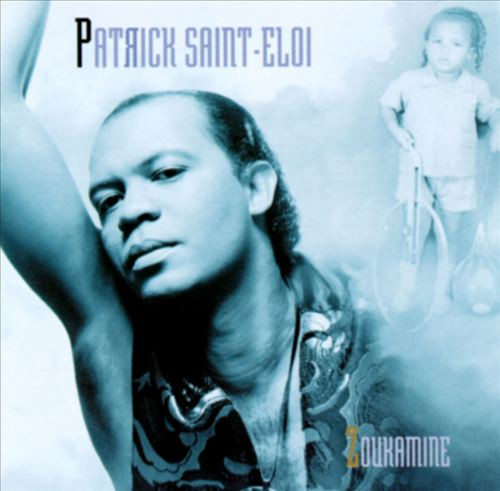
On September 18, 2010, silence fell over the Caribbean. Patrick Saint-Éloi passed away from cancer at 51 years old. This singer, with a frail physique and a high-pitched voice, contributed to inventing zouk love, this romantic sub-genre that became the trademark of international Caribbean music. “West Indies”, released in 1982, remains the first hit of the genre.
In brief
| Full name | Patrick Aurélien Michel Saint-Éloi |
| Birth | October 20, 1958, Pointe-à-Pitre, Guadeloupe |
| Death | September 18, 2010 (51 years), Le Moule, Guadeloupe |
| Fields | Zouk, compas, zouk love |
| Instruments | Vocals, guitar, drums, percussion, bass |
| Notable albums | Misik Ce Lan-Mou (1982), Lovtans’ (1998) |
| Awards | SACEM Guadeloupe Prize, SACEM Martinique Prize |
Key dates
| Year | Event |
|---|---|
| 1958 | Birth in a popular suburb of Pointe-à-Pitre |
| 1975 | Move to Paris at age 17; joining the group Venus One |
| 1982 | Joining Kassav’; release of Misik Ce Lan-Mou with “West Indies” |
| 1984 | Second album À la demande; success of “Zouké” |
| 1985 | Collaboration with Jean-Philippe Marthély (Bizness) |
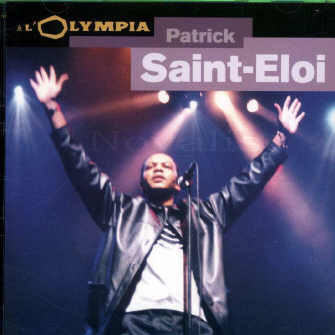
| 2000 | Sold-out concert at the Olympia |
| 2002 | Leaving Kassav’; return to Guadeloupe |
| 2007 | Filling the Zénith in Paris on his name alone |
| 2010 | Death from cancer; public tribute in Le Moule |
| 2012 | An avenue in Abymes is renamed “avenue Patrick Saint-Éloi” |
Biography
Patrick Saint-Éloi grew up in a world immersed in music. His father listened to gwo ka, this Guadeloupean drum music long despised; Latin records by Beny Moré and Nat King Cole also played at home. Young Patrick learned several instruments—guitar, drums, bass, percussion—without seeking to specialize. At 17, he took a plane to Paris with one goal: to live from music. In the capital, he joined the group Venus One, hosting Caribbean diaspora parties. It was there that Pierre-Édouard and Georges Décimus spotted him: setting up a new project, they were looking for a singer. Their eye did not deceive them.
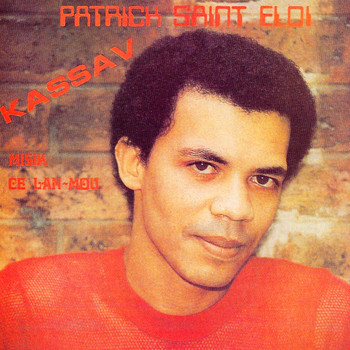
In 1982, Patrick Saint-Éloi joined the formation that became Kassav’. He entered as a backing vocalist, but his high-pitched voice, close to falsetto, gave him a unique ability to carry high notes. On stage, center with Jocelyne Béroard and Jean-Philippe “Pipo” Marthély, he revealed himself to be a stage animal. Kassav’ stringed together gold records and world tours. Saint-Éloi participated in hits like “Chabon”, “Flash” or “Chiré”. On the margins of Kassav’, he recorded Misik Ce Lan-Mou (1982). “West Indies” exploded there like a revelation: a soft rhythm, a melody that slips between two modes, a voice that makes hearts flutter. Saint-Éloi became the undisputed pioneer of zouk love. À la demande (1984) confirmed it with “Zouké”.
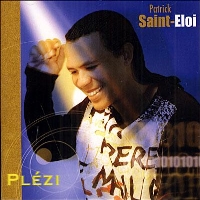
In 2002, tired of incessant tours, he left Kassav’ and returned to Guadeloupe. But he composed and recorded tirelessly. Plezi (2005) explored new sounds—ragga-zouk with Didier Daly, personal ballads—while addressing social issues: natural disasters (“Ni assé”), tribute to the victims of slavery (“Réhabilitation”), denunciation of incest (“Inceste”). His track “Ki jan ké fè” (1994) became a Caribbean anthem. In 2007, he filled the Zénith in Paris for the first time under his own name. The following year, the Guadeloupe Region dedicated a concert to him in Le Moule before 30,000 people. His voice, his romantic sensuality and his ability to mix gwoka, American nu soul and ragga-zouk made him one of the most emblematic Caribbean crooners of his generation.
Major works
| Work | Year | Why it is essential |
|---|---|---|
| “West Indies” | 1982 | First zouk love hit; an timeless classic of the Caribbean |
| Misik Ce Lan-Mou | 1982 | First solo album; foundation of zouk love |
| “Ki jan ké fè” | 1994 | Caribbean anthem covered by many artists |
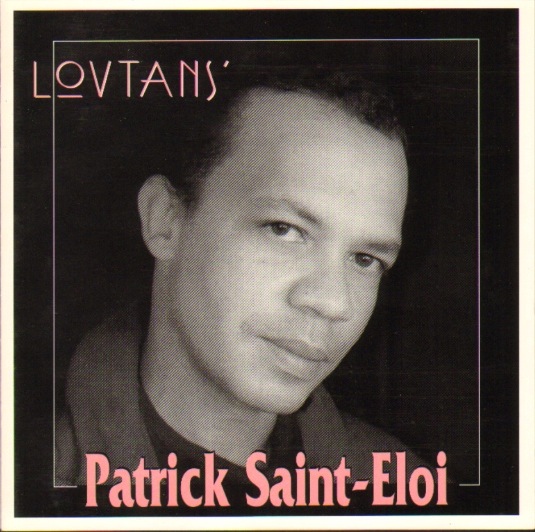
| Lovtans' | 1998 | Mature album blending zouk love and social commentary |
| Plezi | 2005 | Post-Kassav’ renewal, exploration of varied styles |
| Live at the Olympia | 2000 | Witness to his stage consecration |
Legacy
Patrick Saint-Éloi transmitted a fundamental part of Caribbean musical identity. Zouk love, the genre he helped create, continues to influence generations of artists. After his death, his songs were taken up by the Caribbean scene—Carimi, Daly, K-Reen—and on August 25, 2019, Kalash paid tribute to his music with a reggae track titled “Tribute”. An avenue in the city of Abymes now bears his name, and L’Harmattan academy published in 2014 La conscience collective chez Patrick Saint-Éloi : à travers 30 titres de chansons, testifying to the enthusiasm of researchers for his work. He remains, for millions of listeners, the very voice of the Creole heart.
Sources and references
-
“Patrick Saint-Éloi”, Wikipedia, https://fr.wikipedia.org/wiki/Patrick_Saint-%C3%89loi, accessed October 23, 2026.
-
“Patrick Saint-Éloi”, Wikipedia (EN), https://en.wikipedia.org/wiki/Patrick_Saint-%C3%89loi, accessed October 23, 2026.
-
“Patrick Saint Eloi, le maître du zouk love est mort”, RFI Musique, https://musique.rfi.fr/musique/20100919-patrick-saint-eloi-le-maitre-zouk-love-est-mort.html, accessed October 23, 2026.
-
“Saint Eloi (Patrick)”, RFI, https://www.rfi.fr/fr/musique/20200918-saint-eloi-patrick, accessed October 23, 2026.
-
“Patrick Saint-Eloi”, AllMusic, https://www.allmusic.com/artist/patrick-saint-eloi-mn0000645412, accessed October 23, 2026.
-
“Patrick Saint-Eloi discography”, Discogs, https://www.discogs.com/artist/915418-Patrick-Saint-Eloi, accessed October 23, 2026.
-
« Patrick Saint-Eloi, 15 ans déjà : L’éternelle voix du zouk », France Info La 1ère, https://la1ere.franceinfo.fr/guadeloupe/patrick-saint-eloi-15-ans-deja-l-eternelle-voix-du-zouk-1624382.html, consulté le 23 octobre 2026.
-
« Patrick Saint-Eloi an silans », France-Antilles Guadeloupe, https://www.martinique.franceantilles.fr/actualite/culture/patrick-saint-eloi-an-silans-759330.php, consulté le 23 octobre 2026.
-
SACEM Museum, artiste n° 27501, https://musee.sacem.fr/, consulté le 23 octobre 2026.